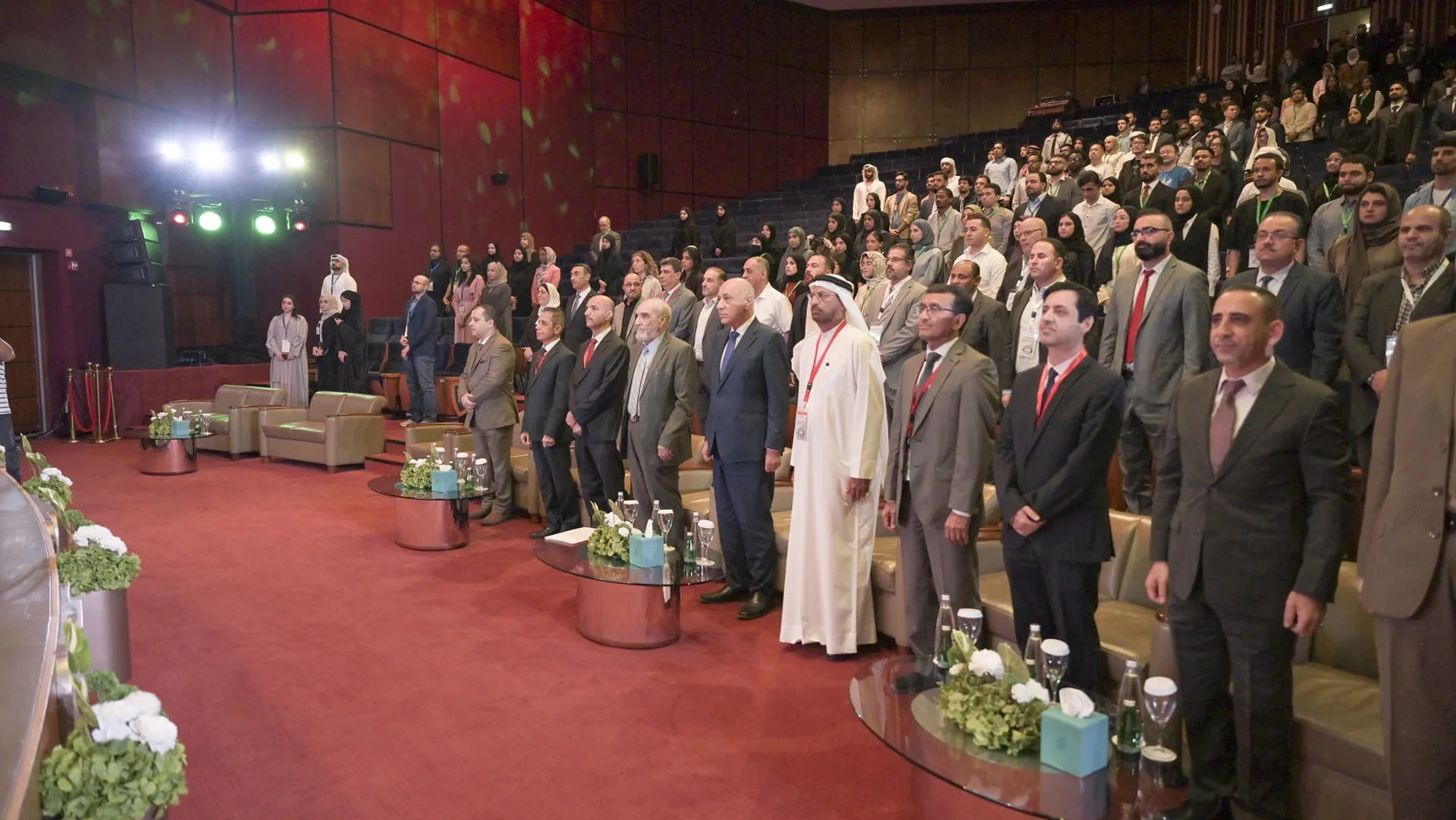
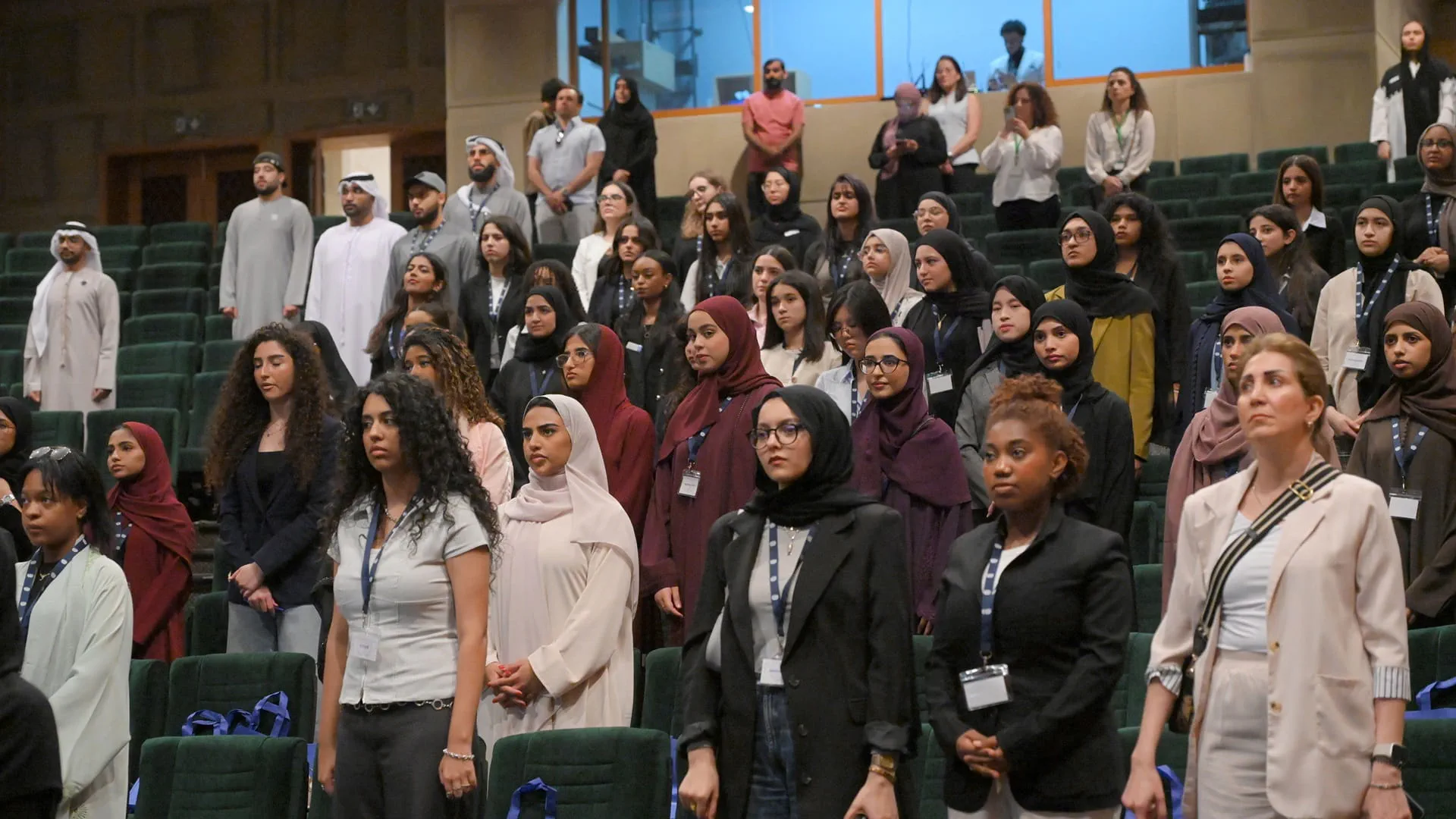
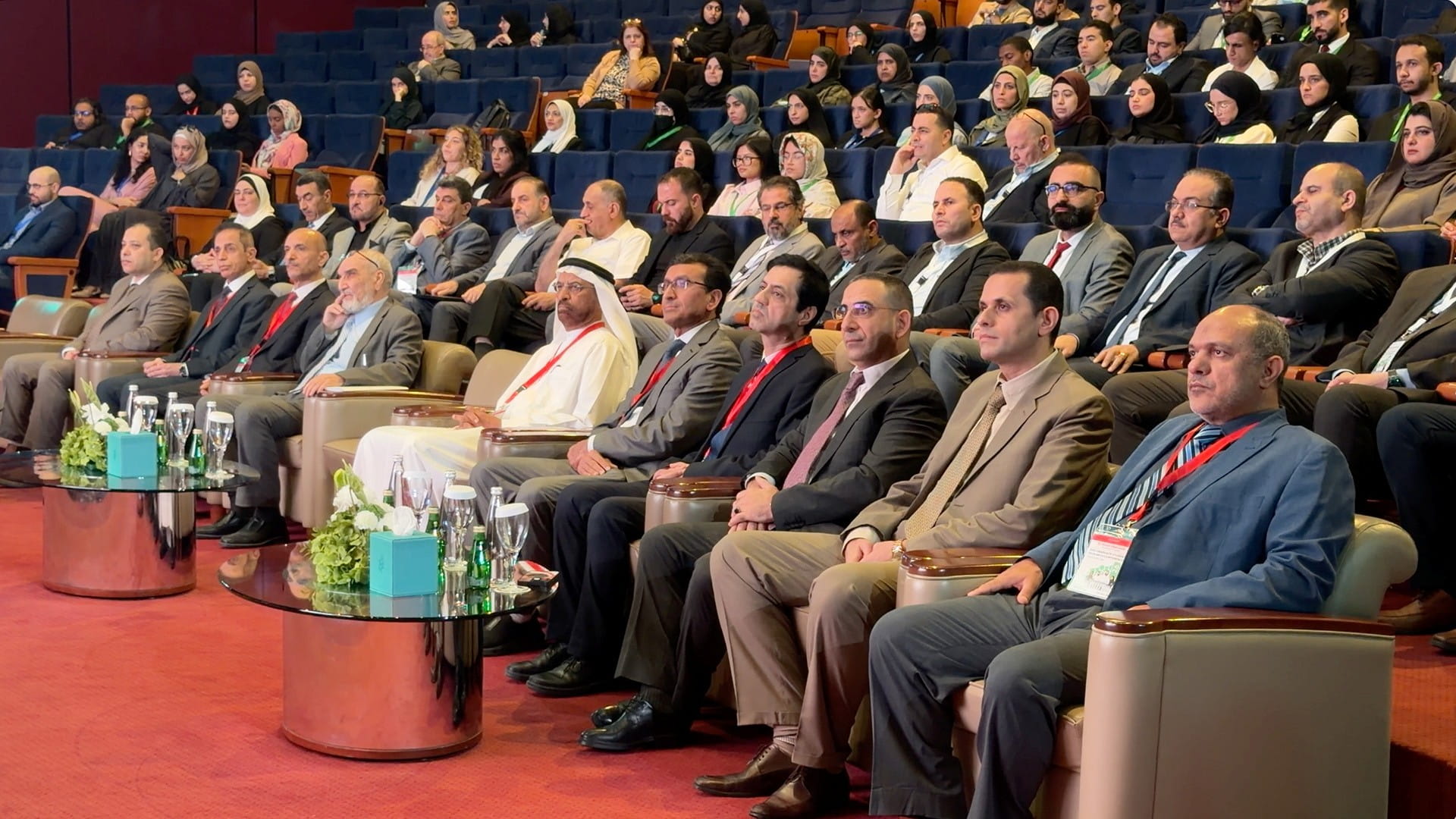
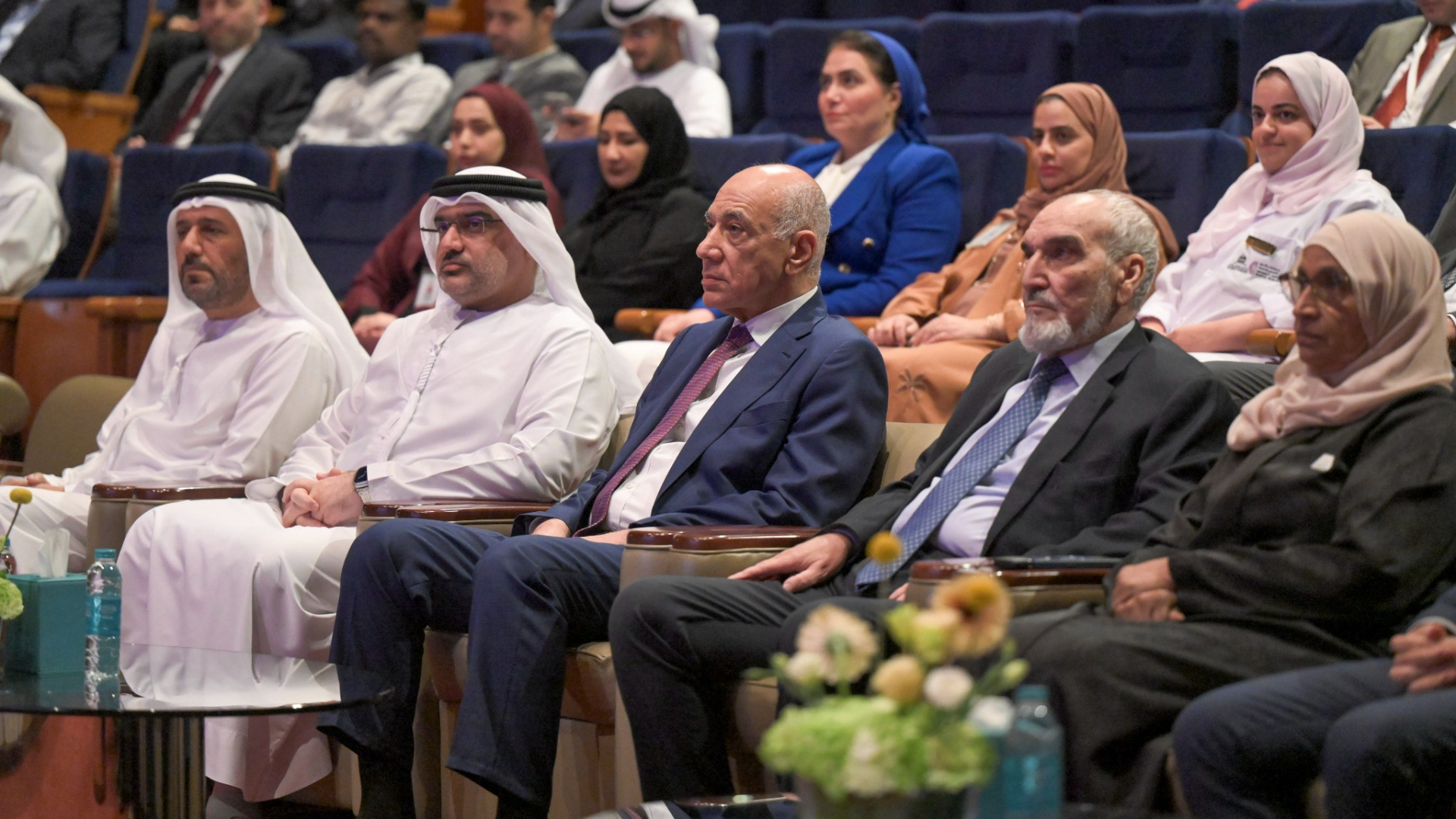
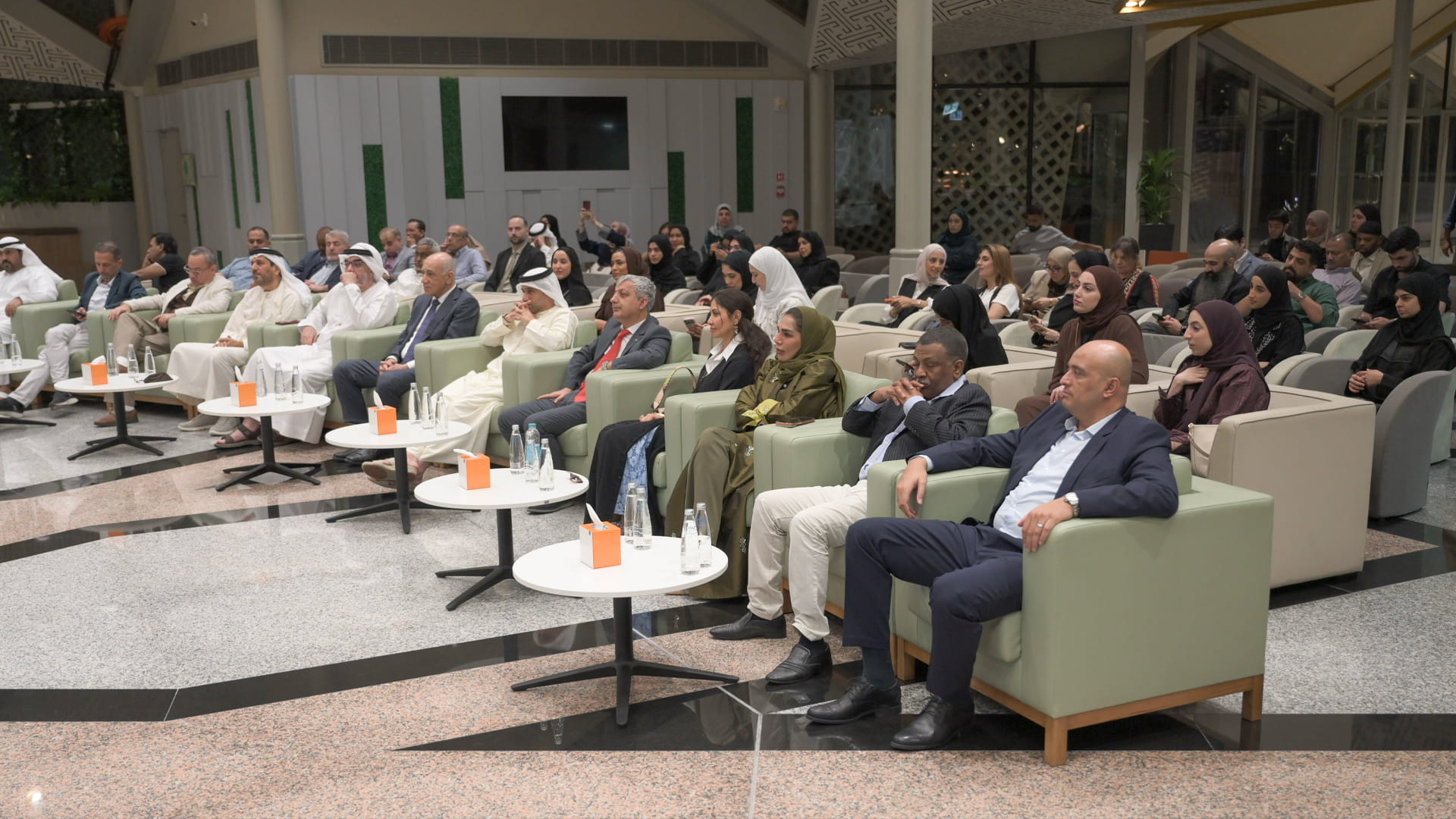
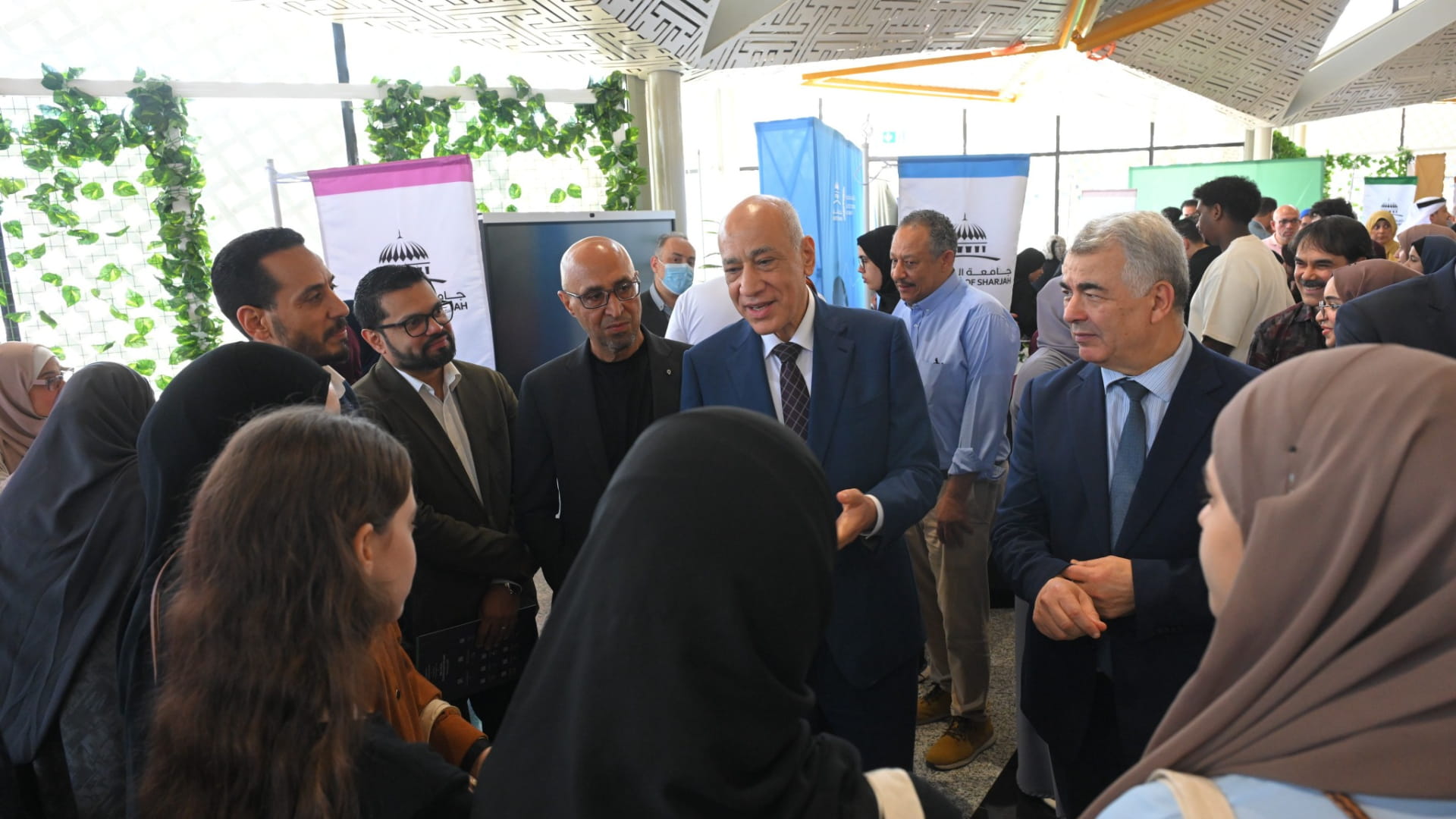
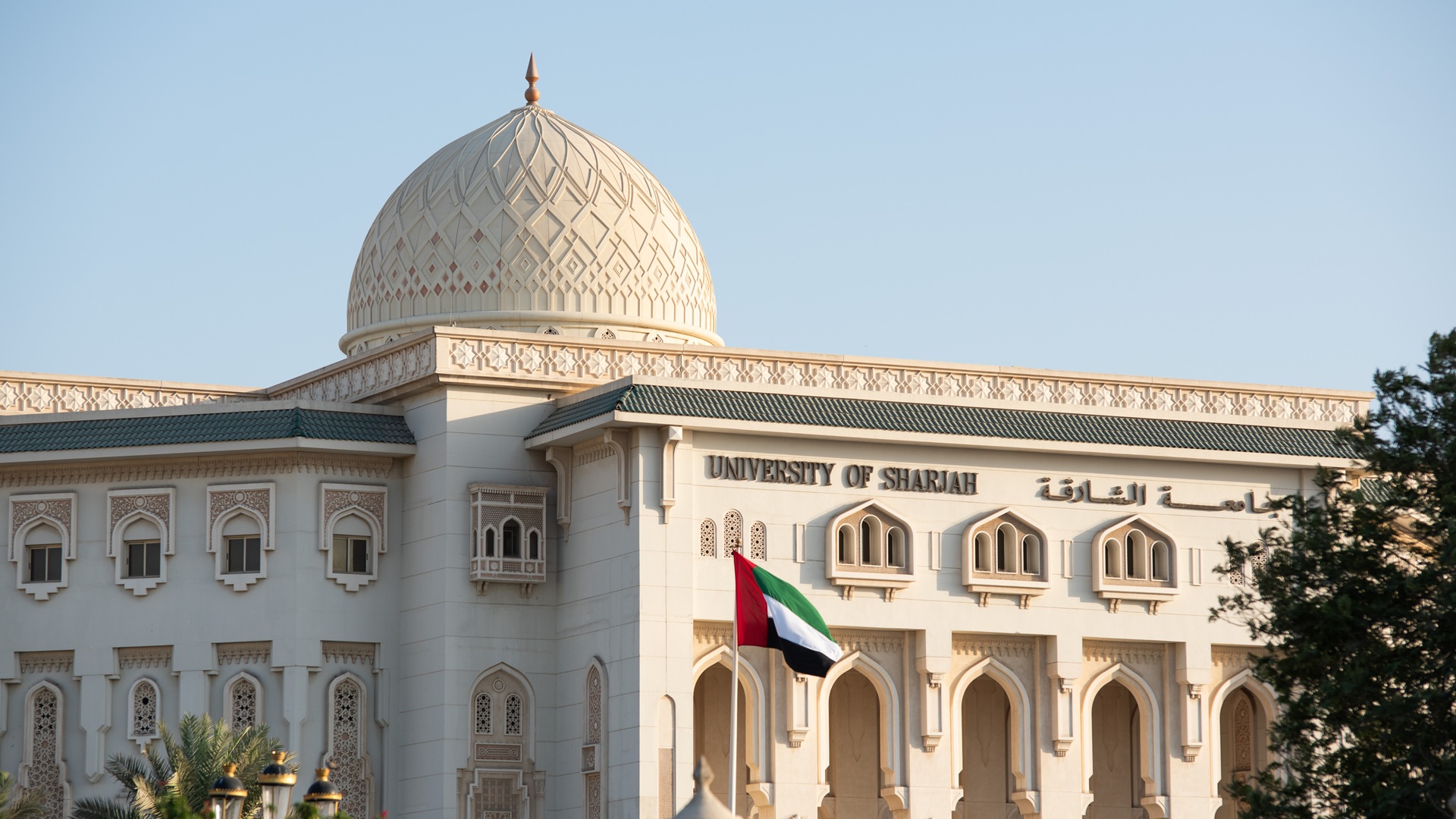
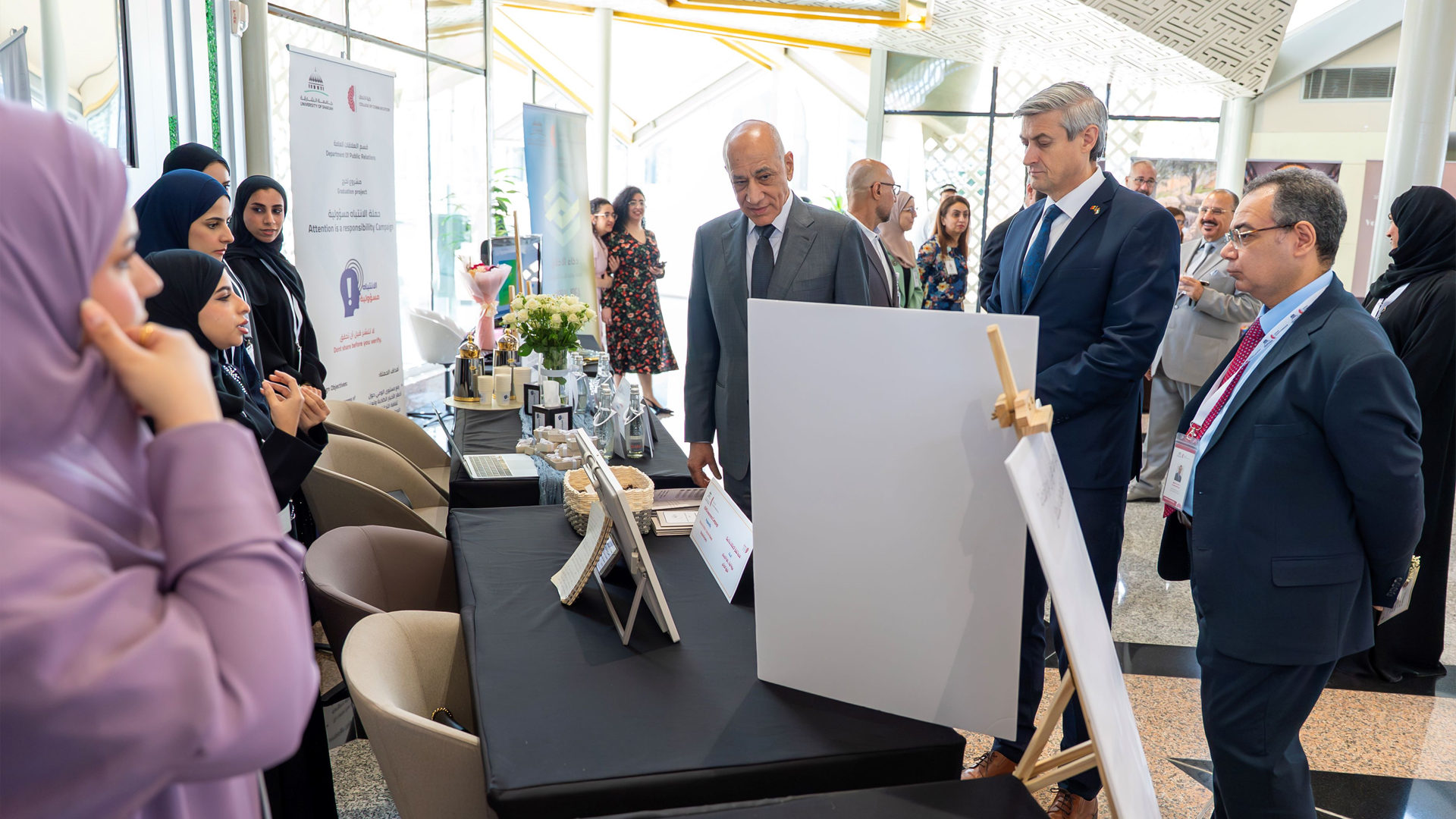
Designed to nurture a culture of research and innovation, the conference offered an interactive academic platform where participants presented their work through panel discussions, presentations, and research posters. The result was a dynamic exchange of knowledge shaped by contributions from both academic specialists and professionals.
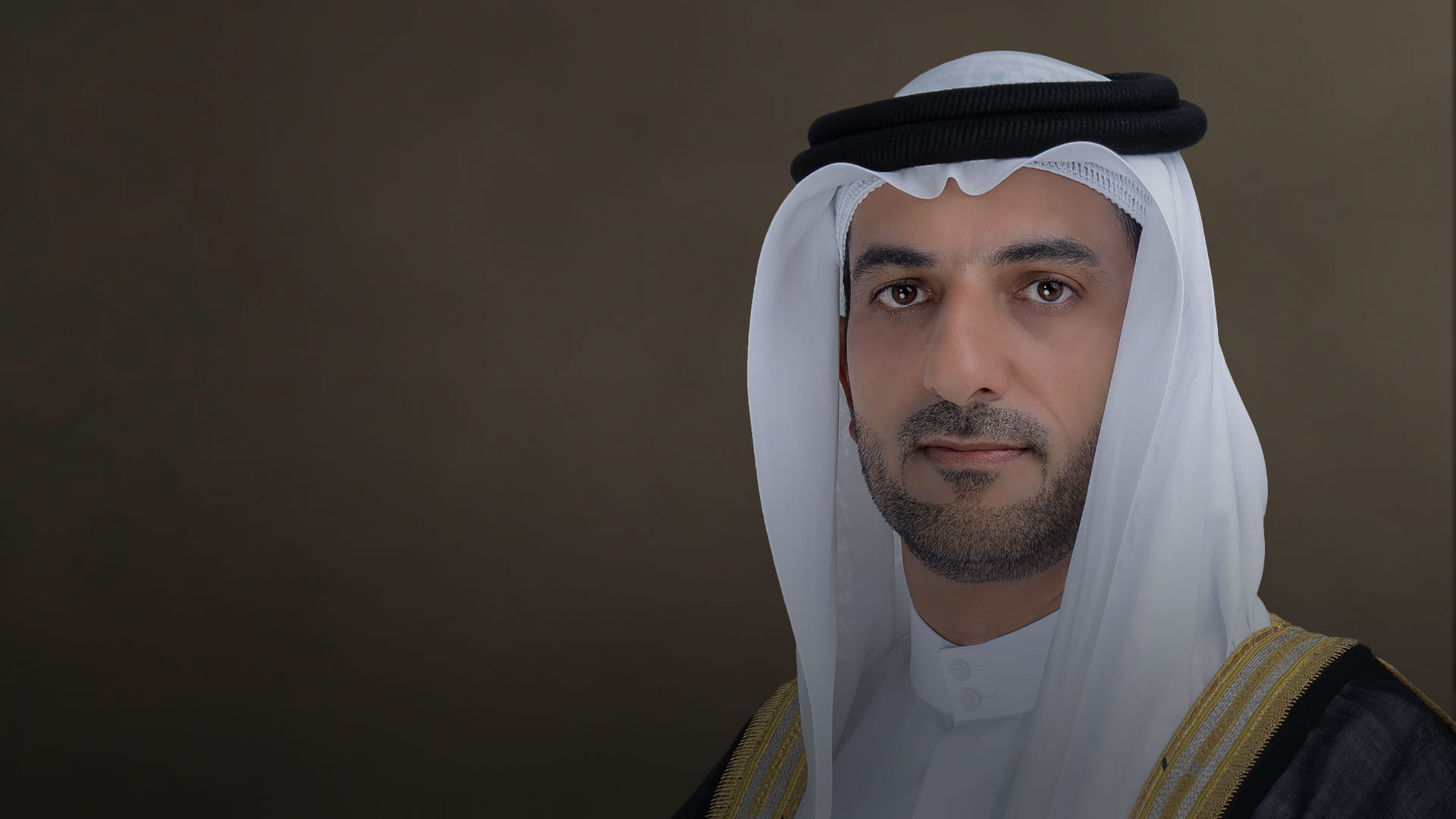
In his opening address, His Excellency Prof. Esameldin Agamy, Chancellor of the University of Sharjah, welcomed the participants and conveyed the greetings of His Highness Sheikh Sultan bin Ahmed Al Qasimi, Deputy Ruler of Sharjah, and President of the University. Prof. Agamy emphasised the leadership’s expectation that graduate students will play a central role in advancing sustainable development. He also noted that this year’s conference features 606 high-quality research papers spanning diverse disciplines, reflecting the growing maturity of graduate studies nationwide. He framed the advancement of research as a shared national responsibility, stressing that meaningful progress depends on collaboration among institutions rather than isolated efforts. This collaboration, he added, is the only approach to building a pioneering knowledge economy. He concluded with a direct message to students, urging them to translate their research ideas into practical solutions capable of addressing real-world challenges both locally and globally.
Prof. Maammar Bettyeb, Vice Chancellor for Research and Graduate Studies, described the conference as a vital national platform for strengthening academic collaboration. It also reflects the University’s unwavering commitment to advancing graduate studies and building an inspirational research ecosystem that promotes innovation and creativity. He highlighted the scale of participation, with 832 submissions received from 12 universities and research centers within the UAE, alongside contributions from international institutions. All submissions underwent a rigorous peer-review process involving 360 expert reviewers, resulting in 607 accepted papers for presentation. Prof. Bettayeb explained that the research presented spanned engineering, medical and health sciences, humanities and social sciences, and business administration, illustrating the breadth of inquiry and the growing importance of interdisciplinary approaches in tackling contemporary challenges.
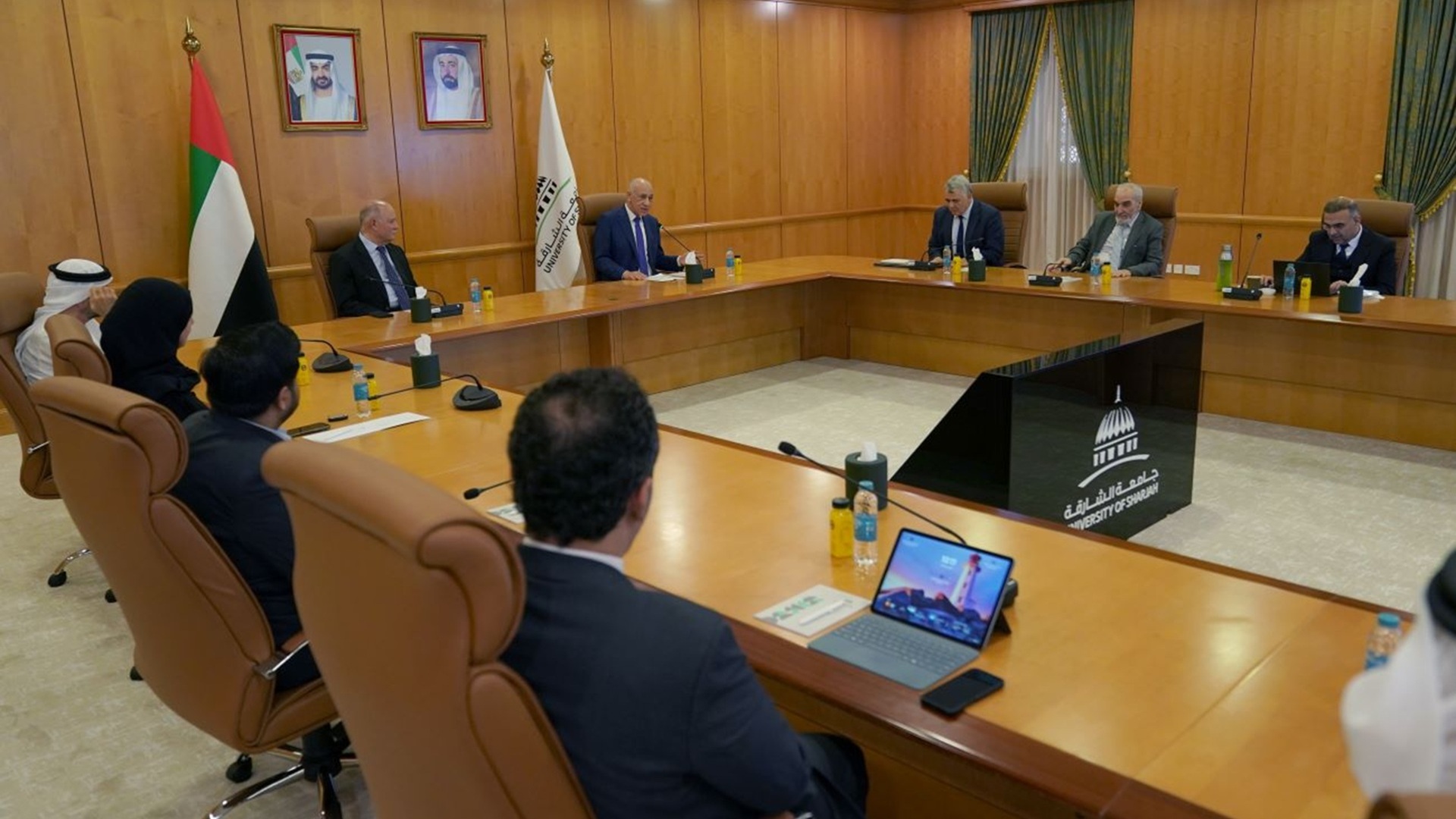
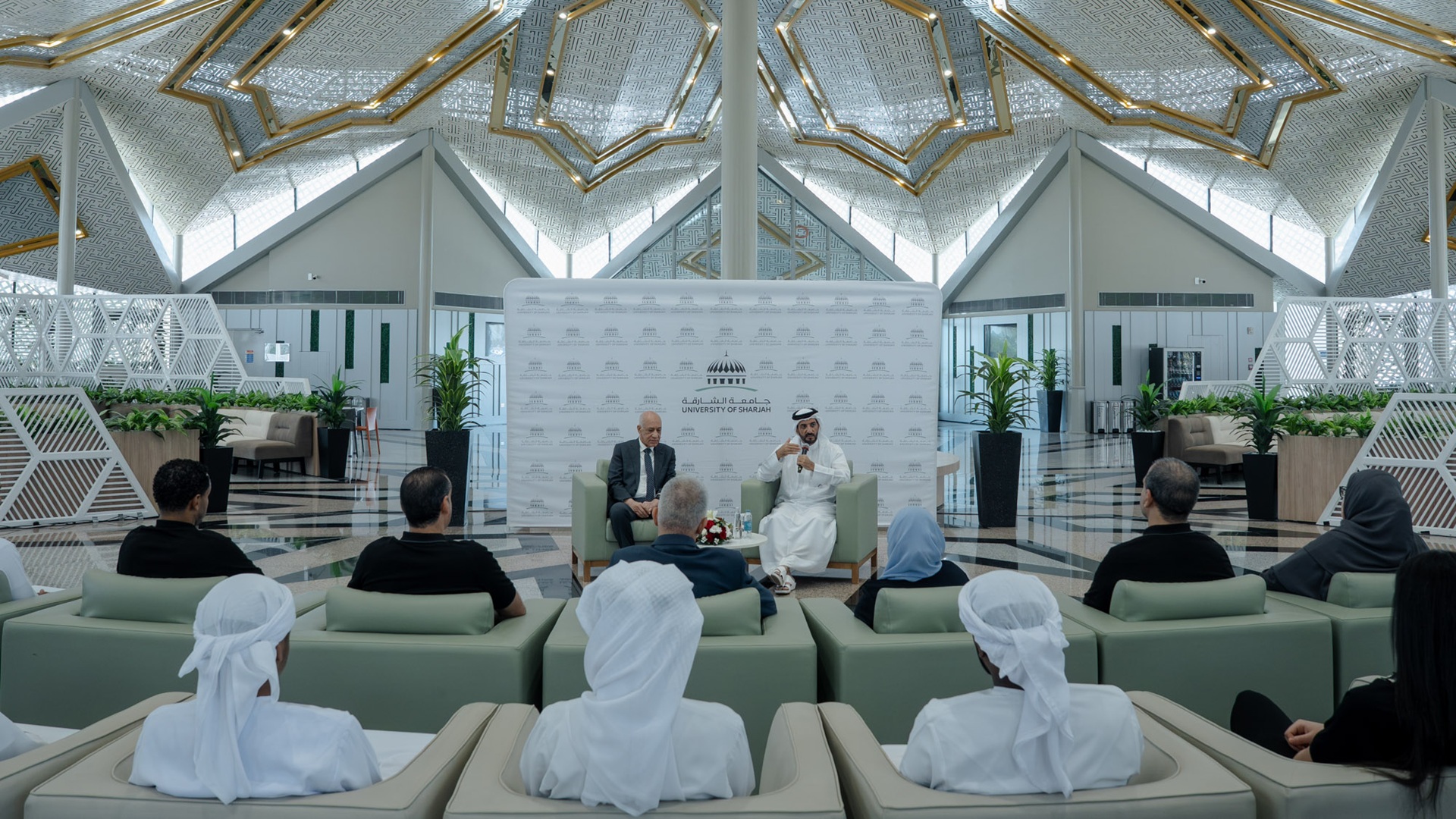
Beyond presentations, the conference hosted a panel discussion examining the current state and future trajectory of scientific research in the UAE, alongside a roundtable discussion that brought together university chancellors, presidents, and deans of graduate studies. These discussions focused on strengthening academic partnerships and addressing both the opportunities and structural challenges facing graduate education and research development.
The event also served as a fertile ground for professional networking, opening new pathways for collaboration between universities and public and private sector institutions. For many students, it offered not just an occasion to present their work, but a gateway to future research opportunities and academic graduate programs across participating institutions.




 For an optimal experience, please