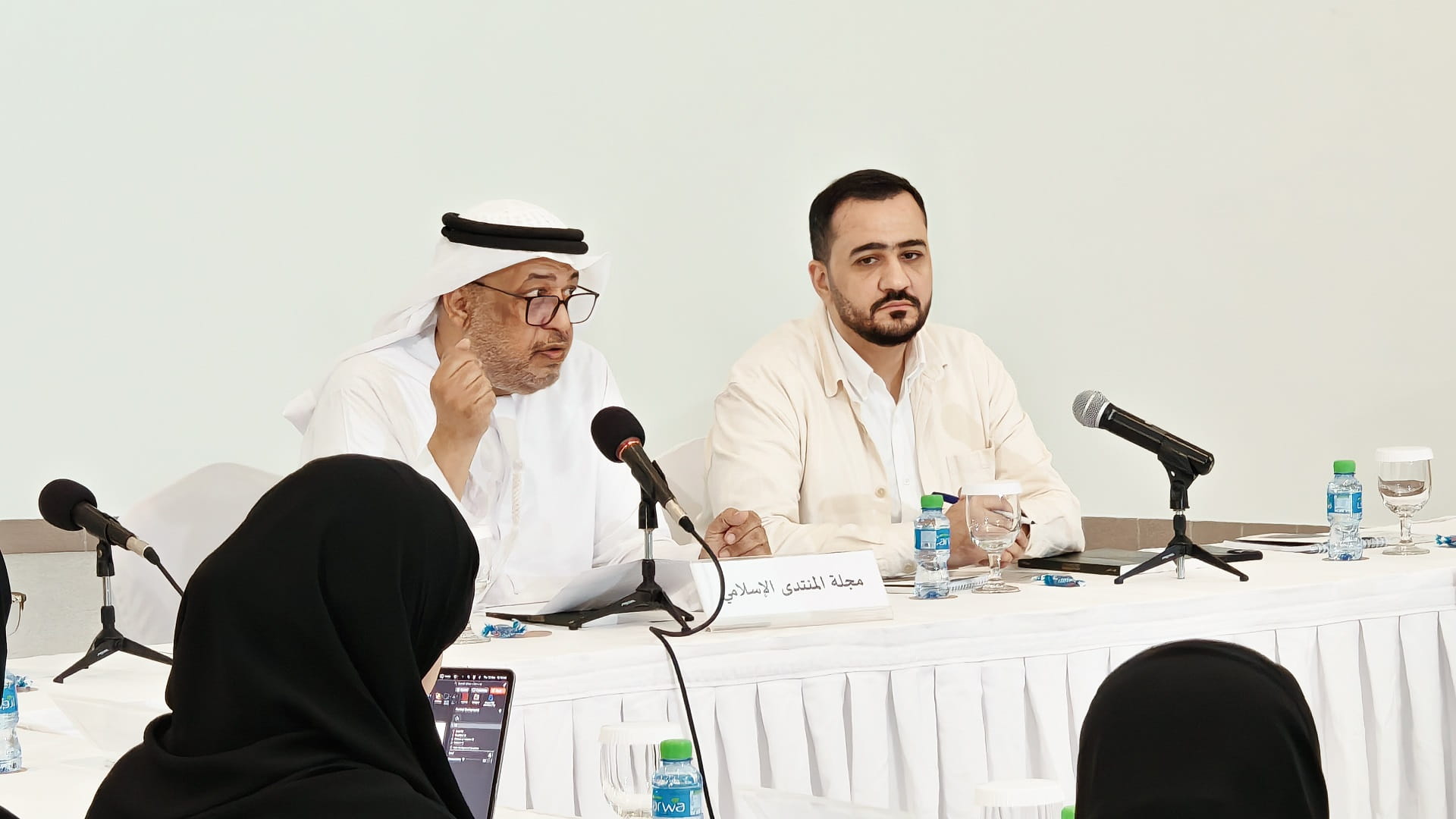
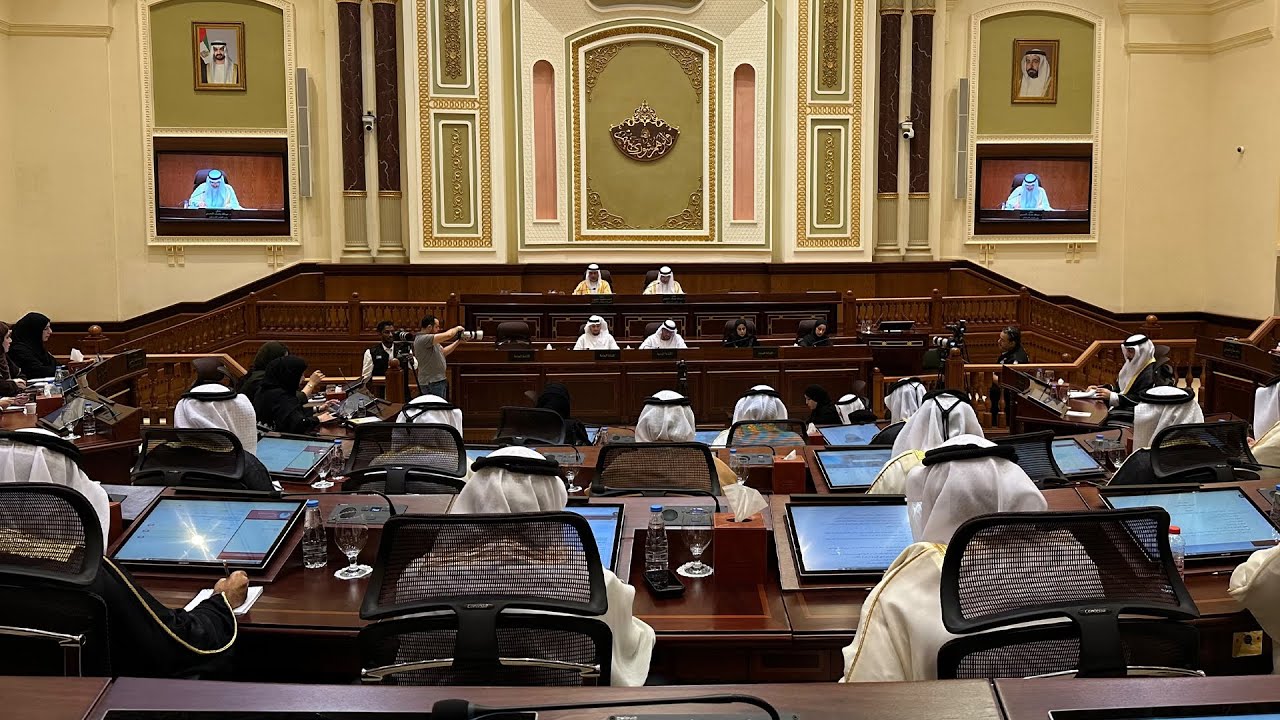
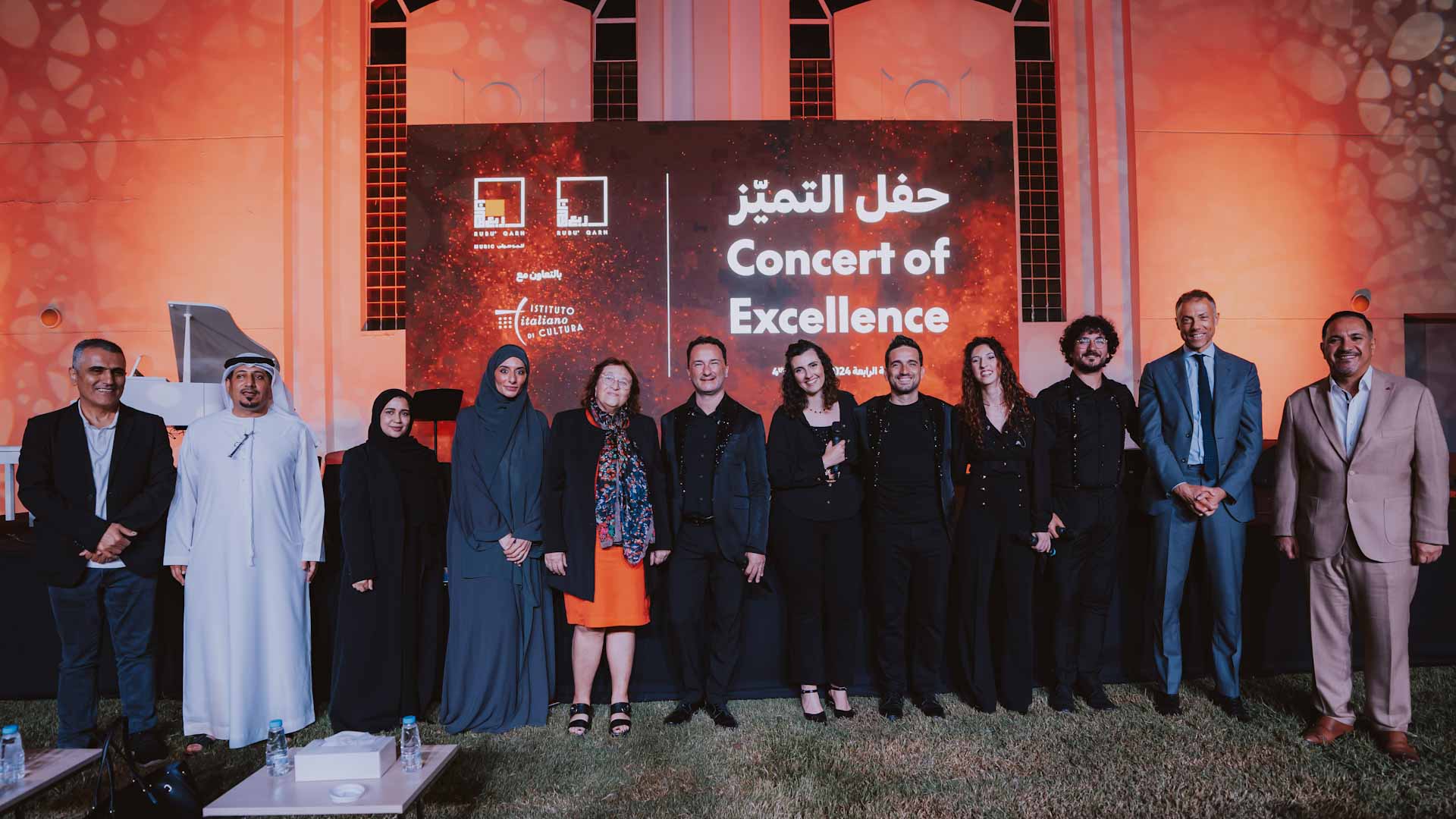
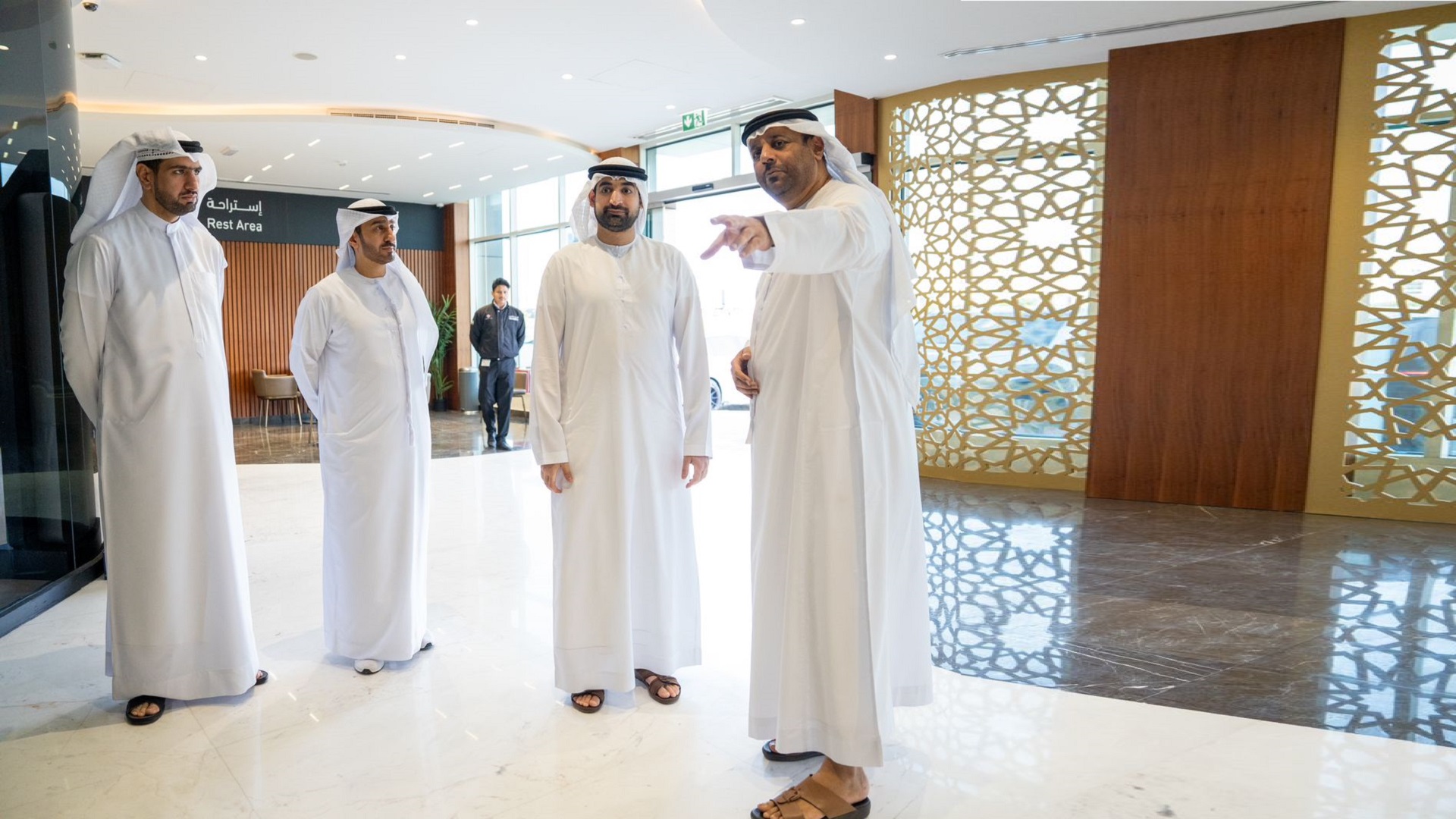
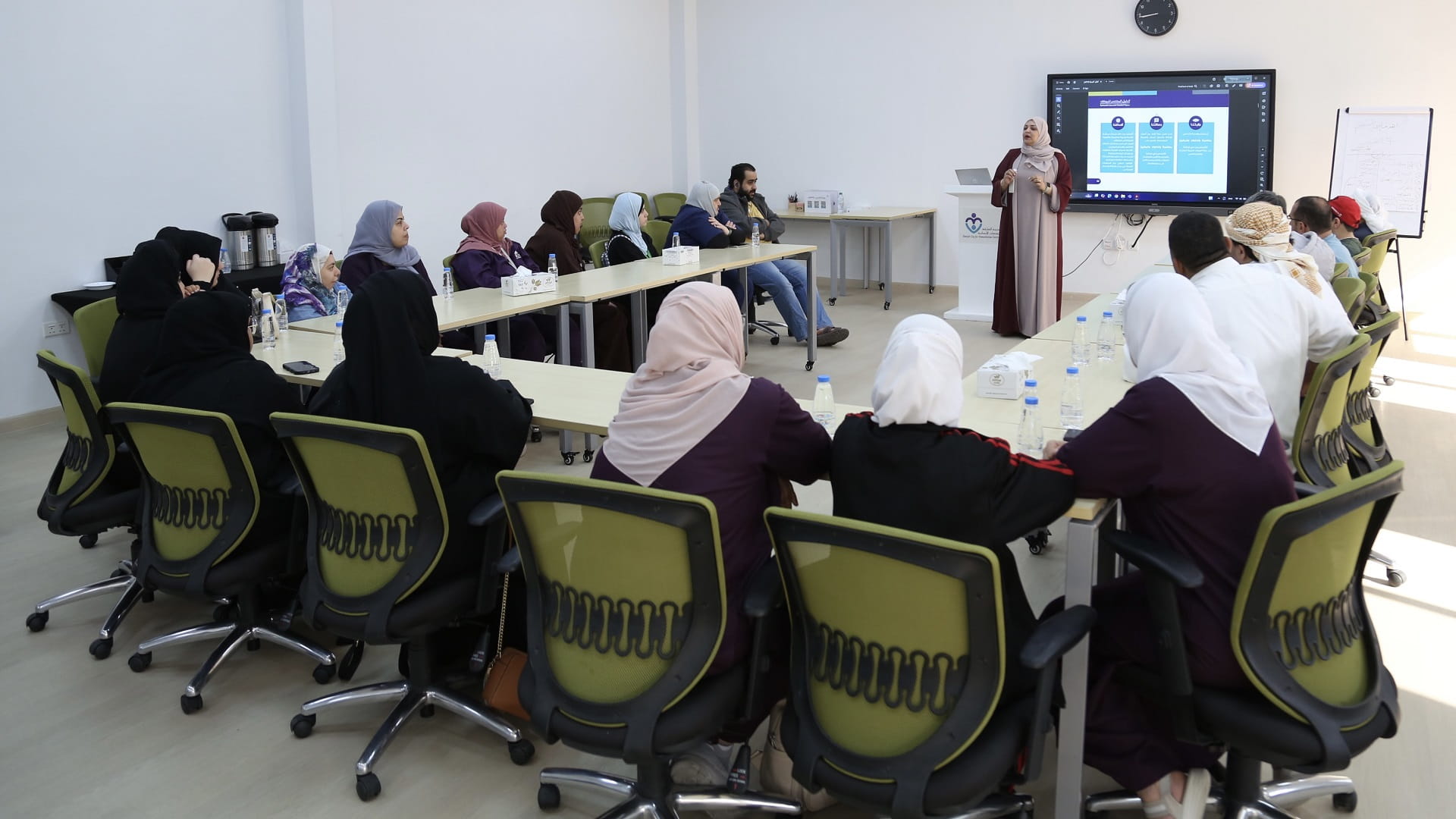
Sharjah24: The Sharjah Islamic Forum organized the second annual symposium on peer-reviewed journals for 2024, bringing together academics and researchers to discuss key topics for improving the performance of academic publications. Held under the theme "Enhancing the Quality of Scientific Publishing in the Digital Age," the event emphasised pressing issues in academic publishing.
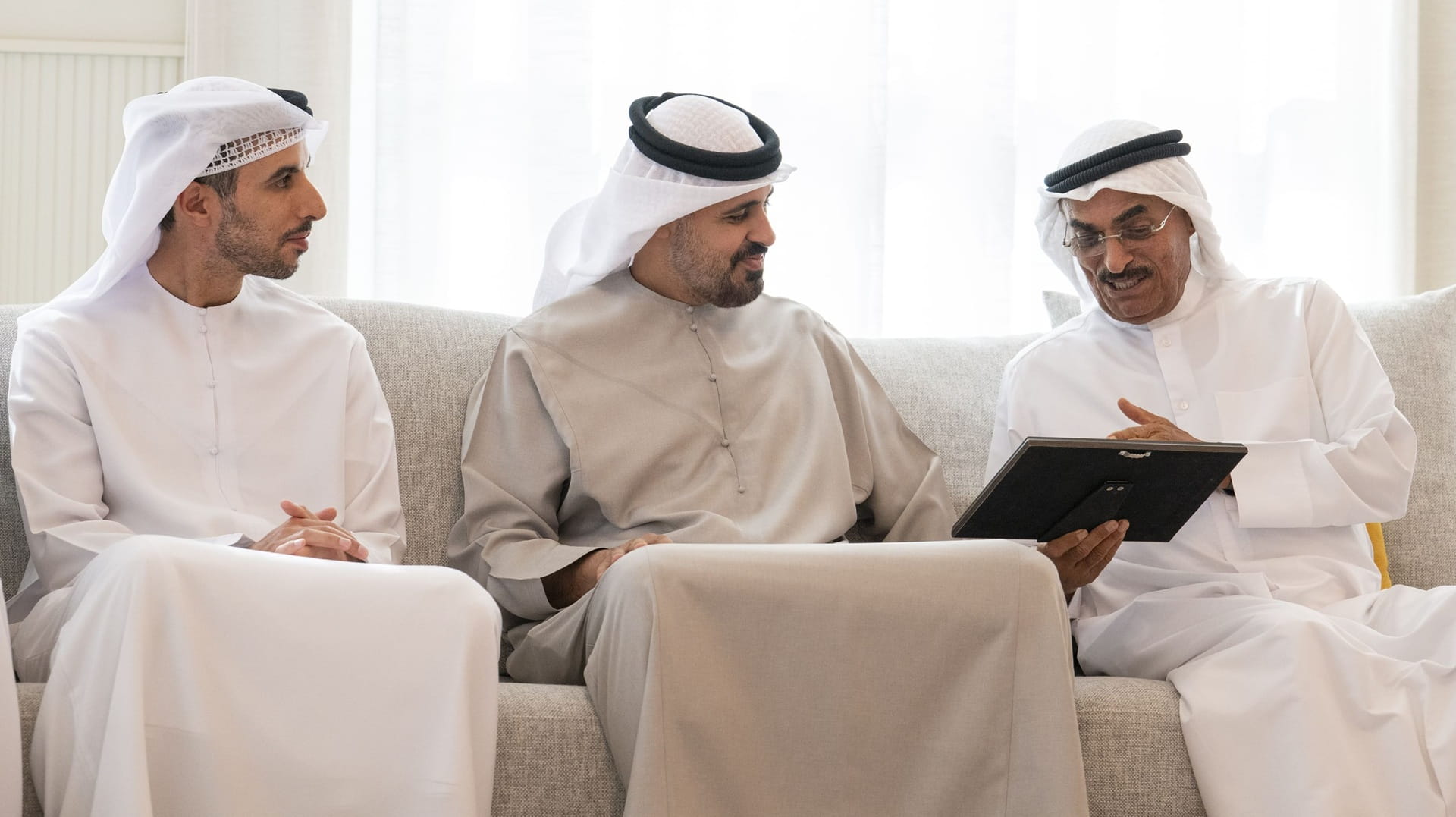
Participants commended the Forum’s efforts and pioneering initiatives in supporting Islamic culture, sciences, and studies. Dr Majid Abdullah Bushalibi, Secretary General of the Sharjah Islamic Forum, highlighted the Forum’s longstanding commitment to cultural work and its dedication to Quranic sciences and Sharia studies. He noted the importance of raising societal awareness about Islamic culture through diverse publications, including encyclopedias, specialised journals, and targeted programs.
The Forum's headquarters in Samnan, Sharjah, hosted the symposium, which featured contributions from Al Muntada Journal, Al Qasimia University Journal, and the Mohammed Bin Zayed Journal for Humanities.
It explored prominent regional and local publishing experiences, showcasing innovative approaches to enhance the quality of scientific research using digital tools. Discussions also included input from the University of Sharjah Journal, the Arabic Language Academy Journal, and the Sharjah Institute for Heritage Journal.
These sessions focused on best practices for managing peer-reviewed journals, improving transparency, maintaining academic standards, and leveraging digital advancements to address challenges in the global publishing landscape.
The symposium concluded with recommendations aimed at standardising peer-review practices across Arab journals to elevate their global standing. Suggestions included creating unified guidelines for peer review and research presentation, fostering collaboration between Arab scientific institutions, and building interactive platforms for editors and researchers. Additionally, the forum advocated integrating advanced technologies, such as artificial intelligence and big data, to enhance analytical processes and forge international publishing partnerships.
Participants underscored the importance of these measures in reinforcing the leadership role of Arab journals in enriching global science and knowledge transfer for future generations.




 For an optimal experience, please