
Loading...
Loading...

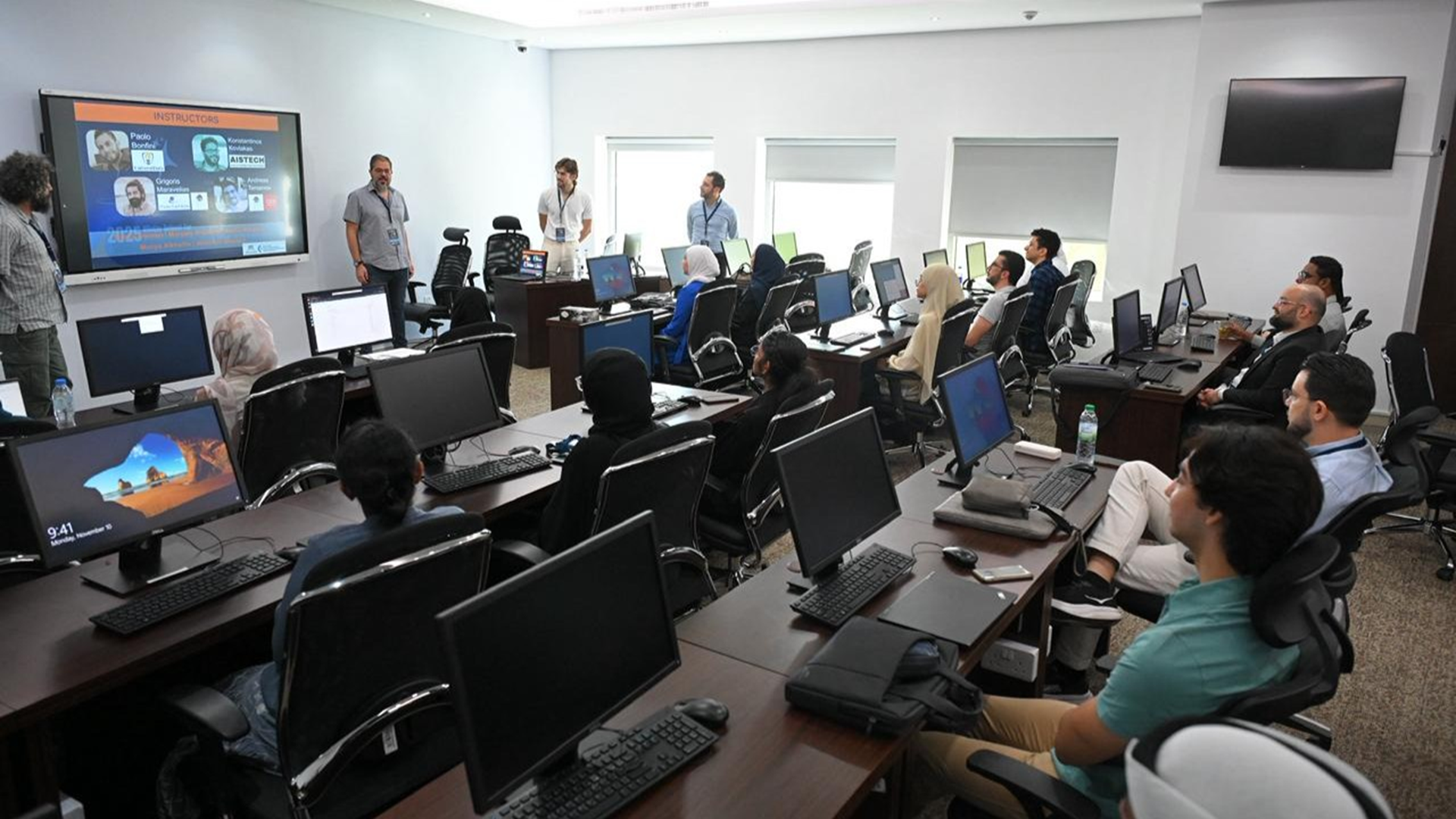
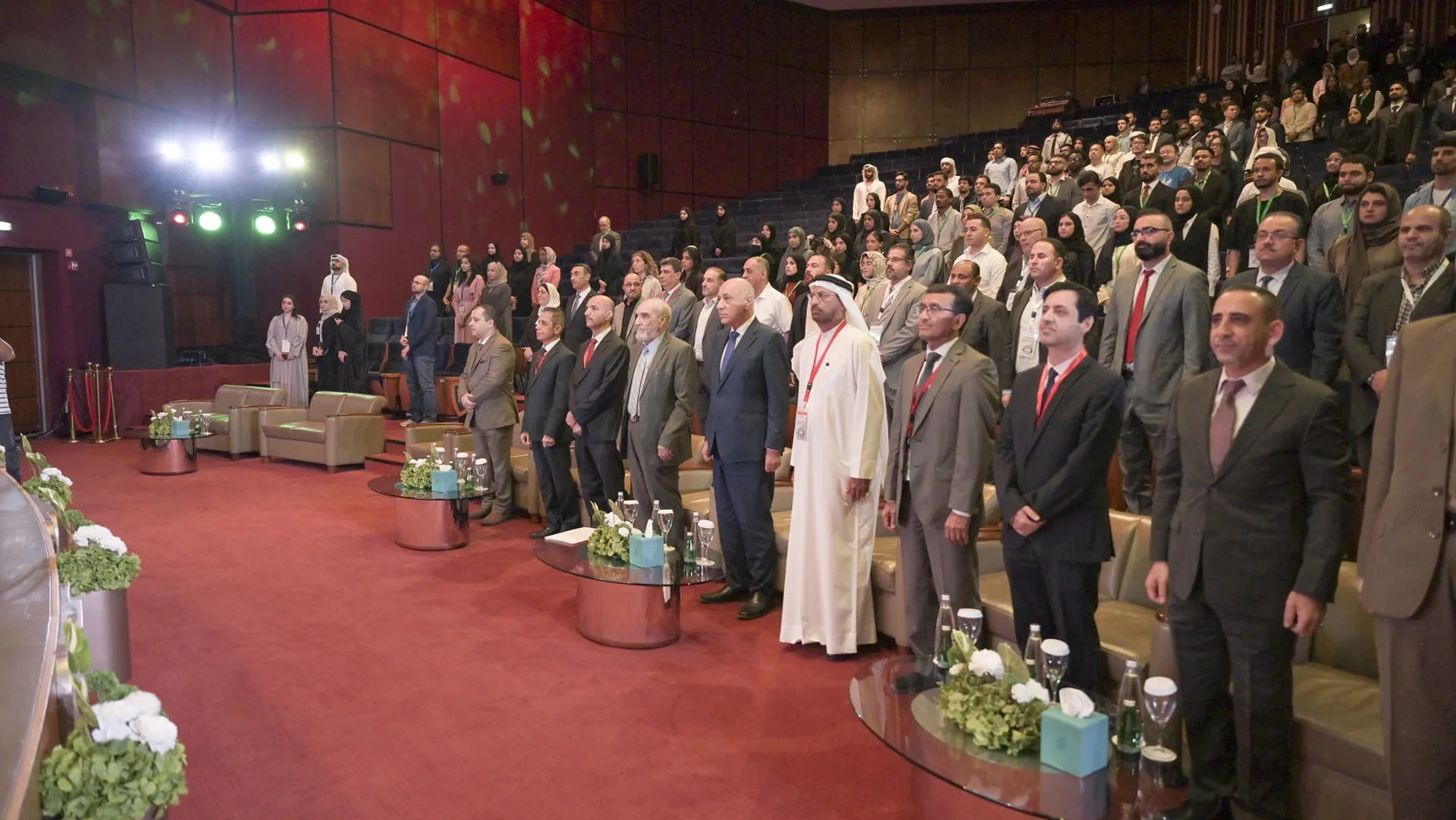
The event, which starts on Monday, 10 November, will run throughout the week, bringing together postgraduate students, academics, and researchers from Greece, Spain, and France. The programme aims to equip participants with advanced statistical, analytical, and machine learning skills for modern astronomical research.
Organised in collaboration with the Summer School on Astrostatistics in Crete, Greece, the Winter School exemplifies SAASST’s dedication to strengthening research capacity and promoting international scientific collaboration in space sciences and data analytics.
The week-long programme combines theory with practical training in statistical modelling, artificial intelligence (AI), and machine learning applications within astronomy. It demonstrates the Academy’s ongoing aim to establish Sharjah as a regional centre for space research and innovation.
“The Winter School embodies our mission to create an academic environment where education, research, and innovation intersect,” said Noura Al Amiri, Head of the High Energy Astrophysics Laboratory and Programme Coordinator. “We received over 70 applications from more than ten countries, and 30 outstanding participants were selected to ensure both diversity and excellence.”
The Winter School’s lectures and workshops are led by a distinguished panel of international experts, including Dr Konstantinos Kouflakas, a researcher in binary star evolution at the Institute of Space Sciences in Barcelona; Dr Grigoris Maravelias, a specialist in X-ray binaries of massive stars from the National Observatory of Athens; Dr Paolo Bonfini from the University of Crete, whose work focuses on AI applications in space science; and Dr Andreas Tersenov from the FORTH Institute and Paris Saclay University, known for his research in cosmic inference and mapping.
Participants are exposed to a broad curriculum covering classical statistics, hypothesis testing, and optimisation methods, as well as Bayesian statistics, clustering, regression, and neural networks. Special sessions explore Markov Chain Monte Carlo (MCMC) analysis and deep learning, offering participants practical experience with high-performance computational tools for complex astronomical data analysis.
To conclude the programme, participants will join an evening of field astronomy in the Maliha desert, where they will observe celestial phenomena while experiencing the natural and cultural heritage of Sharjah. The activity aims to combine scientific observation with intercultural exchange, fostering dialogue among participants from diverse backgrounds.
Students and researchers represent prominent regional and international institutions, including the University of Sharjah, American University of Sharjah, United Arab Emirates University, Khalifa University, Sultan Qaboos University, the University of Béjaïa (Algeria), and the University of Tunis.

 For an optimal experience, please
rotate your device to portrait mode.