
Loading...
Loading...

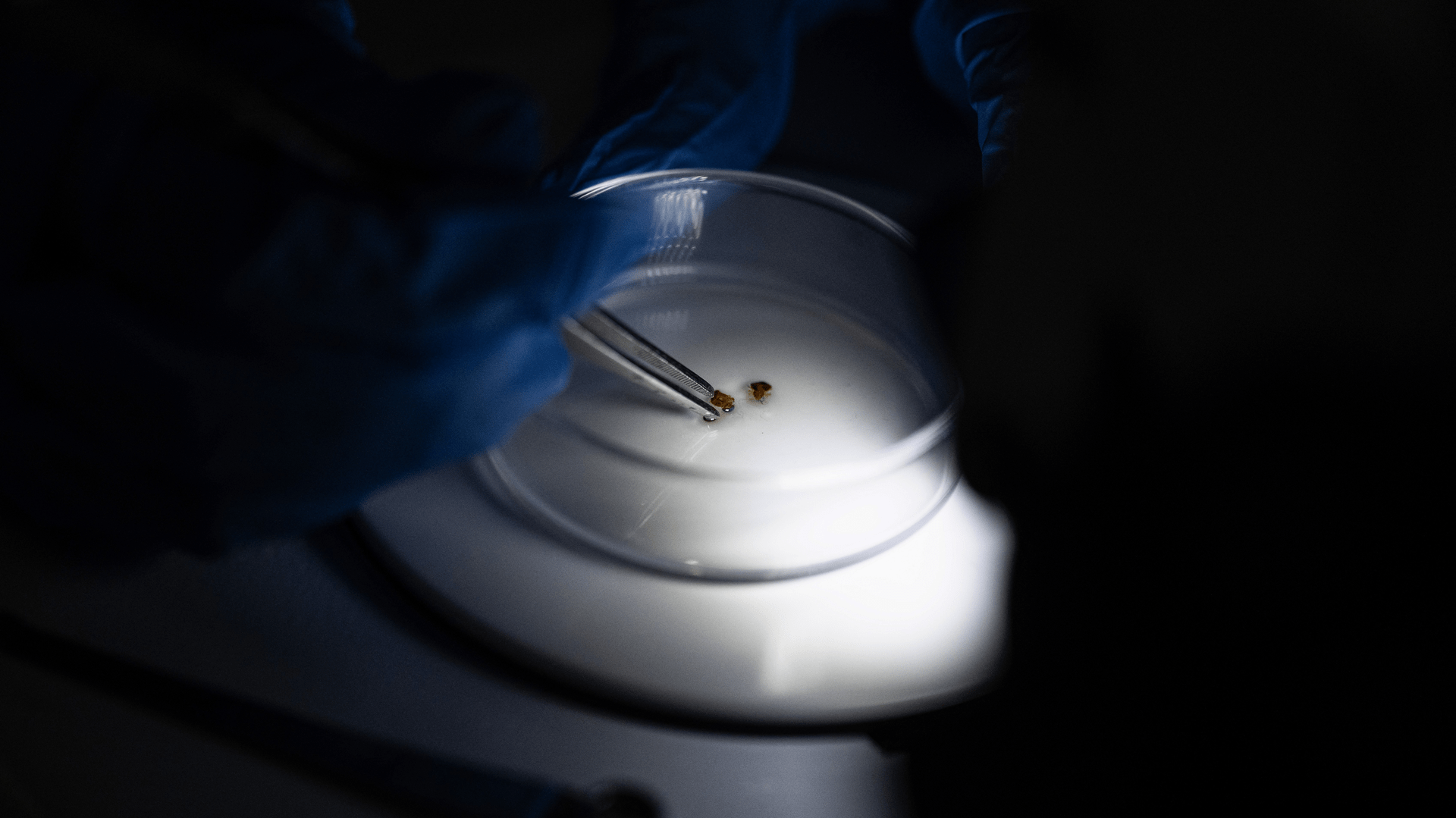
Through bold laboratory experiments—including a research assistant volunteering as a live host—scientists confirmed that Cimex hemipterus can preserve DNA from their blood meals for up to 45 days. This enables investigators to extract valuable biological information from the insects long after a suspect has left the scene.
Entomologist Abdul Hafiz Ab Majid explained that bed bugs, often called the “musuh dalam selimut” or “enemy in the blanket,” can act as hidden “spies.” Because they stay close to feeding sites—usually within 20 feet—these insects provide highly localised evidence, unlike mosquitoes that quickly fly away.
For nearly five years, Hafiz and postdoctoral researcher Lim Li have perfected methods to extract and analyse DNA from engorged bed bugs. Published in Nature’s Scientific Reports, their findings mark the first forensic application of tropical bed bugs, allowing phenotypic profiling such as determining gender, eye colour, and hair colour.
Although promising, the technique provides a 45-day window during which bed bug evidence remains viable. Researchers suggest the method could be useful in cold cases if the insects are found at crime scenes. While bed bugs do not transmit diseases, Lim emphasised the importance of public education, sharing her experience as a “willing victim” during feeding demonstrations.
As research advances, these once-detested insects could become vital in solving complex cases. Their unique biology and tendency to stay still offer investigators a new resource in the pursuit of justice.

 For an optimal experience, please
rotate your device to portrait mode.