
Loading...
Loading...

The research, published in the journal Science Advances and reported by Xinhua News Agency, was led by scientists from the Nanjing Institute of Geography and Limnology.
Researchers examined close to 40 years of environmental records collected from more than 21,000 river sections around the world. Using advanced machine-learning techniques, the team tracked changes in dissolved oxygen levels between 1985 and 2023.
The findings showed a consistent global decline in river oxygen levels, with rivers losing an average of 0.045 milligrams of oxygen per liter every decade. Nearly 80% of the rivers included in the study experienced some degree of deoxygenation.
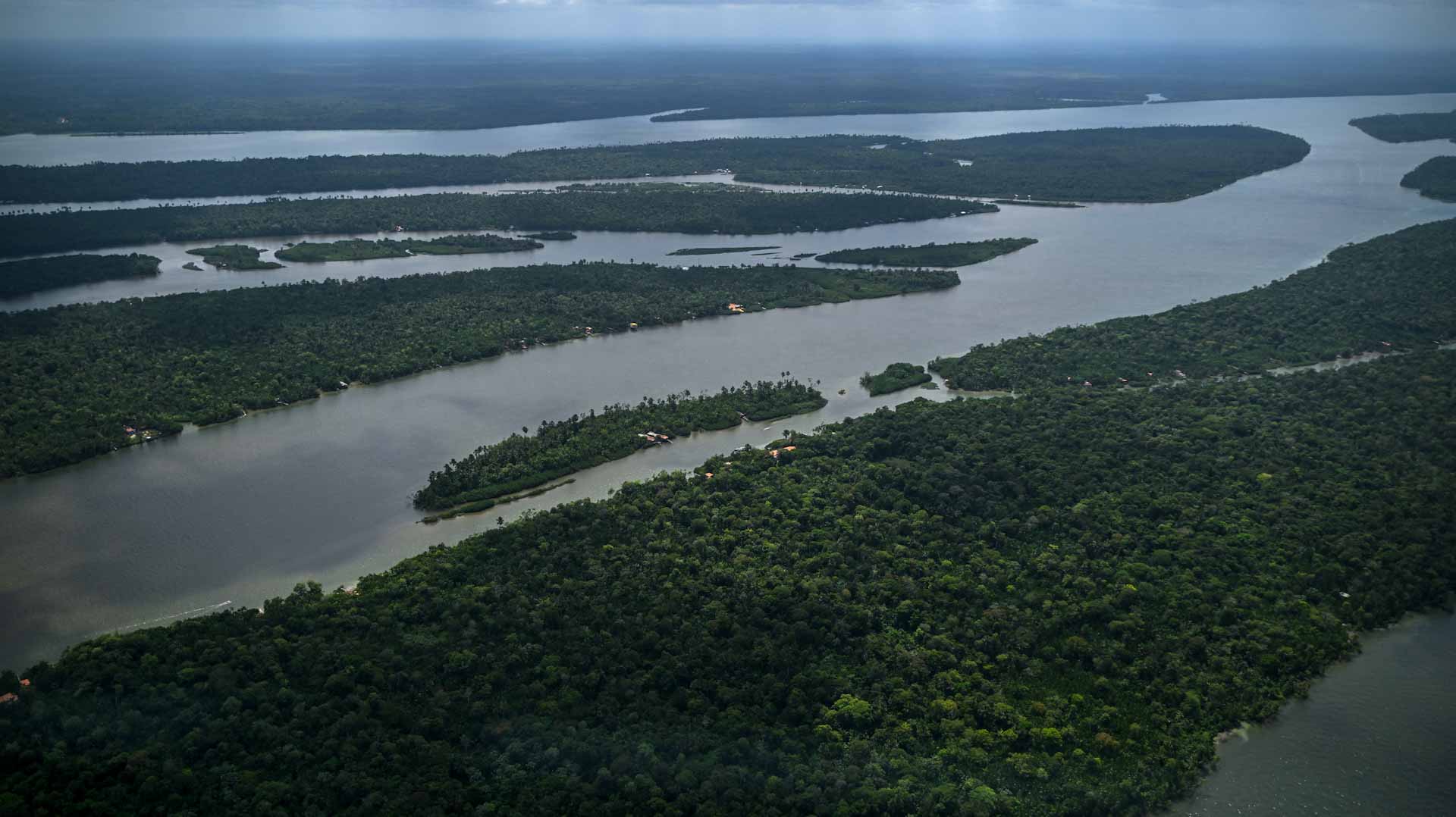
According to the study, rivers located in tropical regions — between 20 degrees north and 20 degrees south — are experiencing the most severe oxygen decline. This challenges earlier assumptions that rivers in higher latitudes would be more vulnerable because of faster warming in colder regions.
Scientists explained that tropical rivers naturally contain lower oxygen concentrations, making them more sensitive to rising temperatures and rapid oxygen depletion. These conditions increase the likelihood of extreme low-oxygen events that can threaten fish populations and other aquatic organisms.
The study concluded that reduced oxygen solubility caused by climate warming is the leading factor behind the decline, accounting for nearly 63% of total oxygen loss. As water temperatures rise, rivers become less capable of retaining oxygen.
Researchers also found that shifts in ecosystem metabolism — influenced by factors such as temperature, sunlight, and water movement — contributed roughly 12% of the decline.
Extreme heat events were identified as another major contributor to the problem. The study estimated that heatwaves are responsible for nearly 23% of global river deoxygenation, accelerating oxygen loss by approximately 0.01 milligrams per liter per decade compared to normal environmental conditions.
The research further indicated that unusual water flow patterns can partly reduce the speed of deoxygenation. Low-flow conditions lowered oxygen loss rates by around 19%, while periods of high water flow reduced the rate by about 7% compared to standard river conditions.
Researchers warned that continued oxygen depletion could seriously damage river ecosystems, making survival increasingly difficult for fish and other freshwater species.
They urged governments and policymakers, particularly in tropical regions, to adopt stronger environmental strategies aimed at addressing river deoxygenation and protecting freshwater resources.
Shi Kun, a researcher at the Nanjing Institute of Geography and Limnology, said the findings provide an important foundation for understanding oxygen loss in rivers and developing measures to limit its impact as global temperatures continue to rise.

 For an optimal experience, please
rotate your device to portrait mode.