
Loading...
Loading...

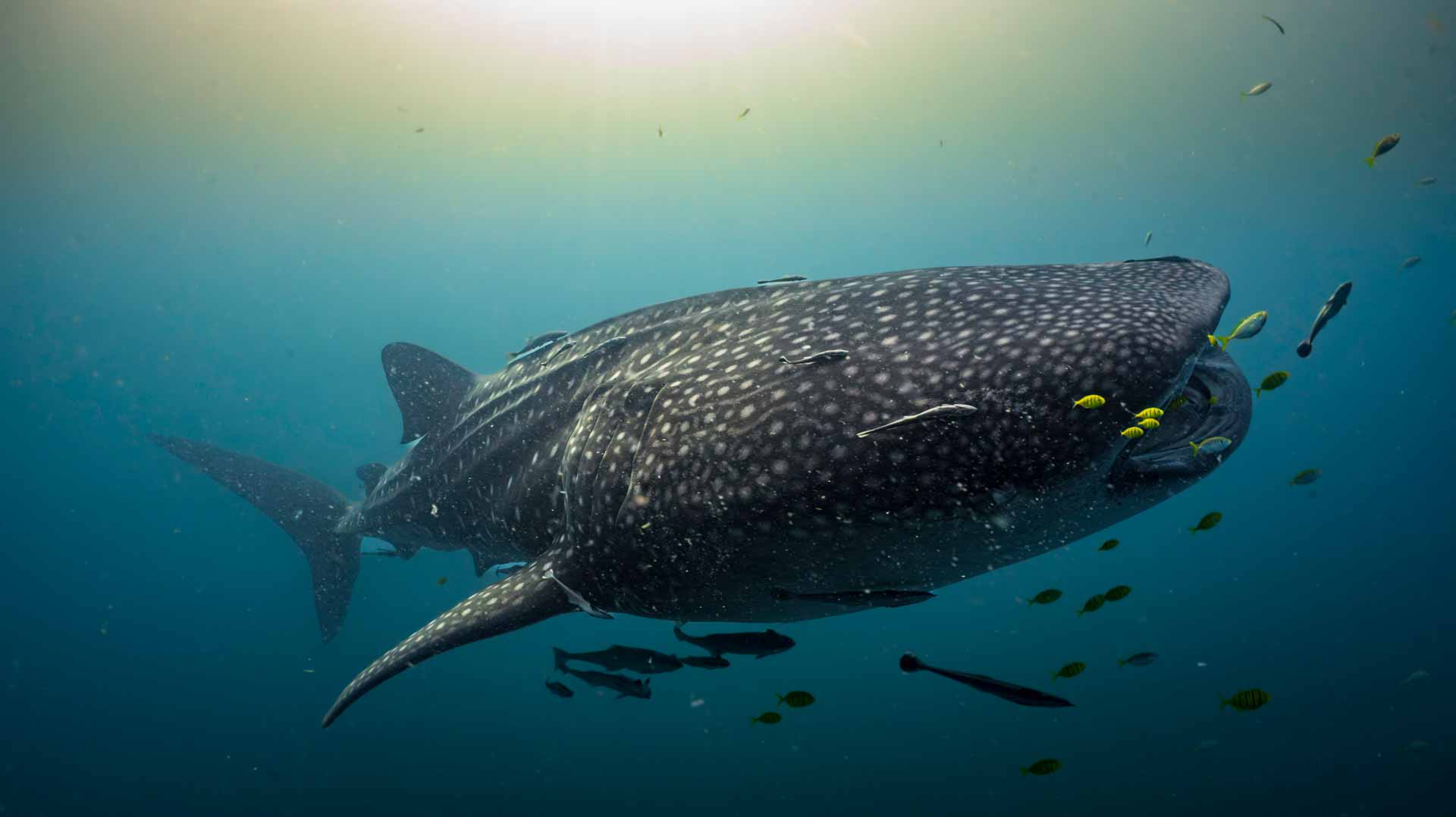
The study identified Cenderawasih Bay in Papua province and Saleh Bay in Sumbawa as year-round gathering areas, rather than seasonal habitats as previously believed. Scientists involved in the research described these locations as critical habitats supported by food availability and protection from predators, with some evidence suggesting they may also function as nursery areas.
Cenderawasih Bay is already designated as a national park, which has helped limit large-scale tourism impacts and preserve the marine environment where whale sharks gather.
Saleh Bay is experiencing increasing environmental pressure due to tourism growth, agriculture, and aquaculture, which can contribute to pollution, sedimentation, and declining water quality.
Marine scientists have reported multiple whale shark strandings in Indonesia in recent years, with pollution and vessel strikes among the suspected causes. Conservation groups are working with Indonesian authorities to establish the country’s first dedicated whale shark marine protected area in Saleh Bay, with implementation hoped for in the near future.

 For an optimal experience, please
rotate your device to portrait mode.