
Loading...
Loading...

Researchers analysed cancer incidence data from a large US screening trial covering prostate, lung, colorectal and ovarian cancers. The study tracked new cancer diagnoses among adults with no prior history of the disease.
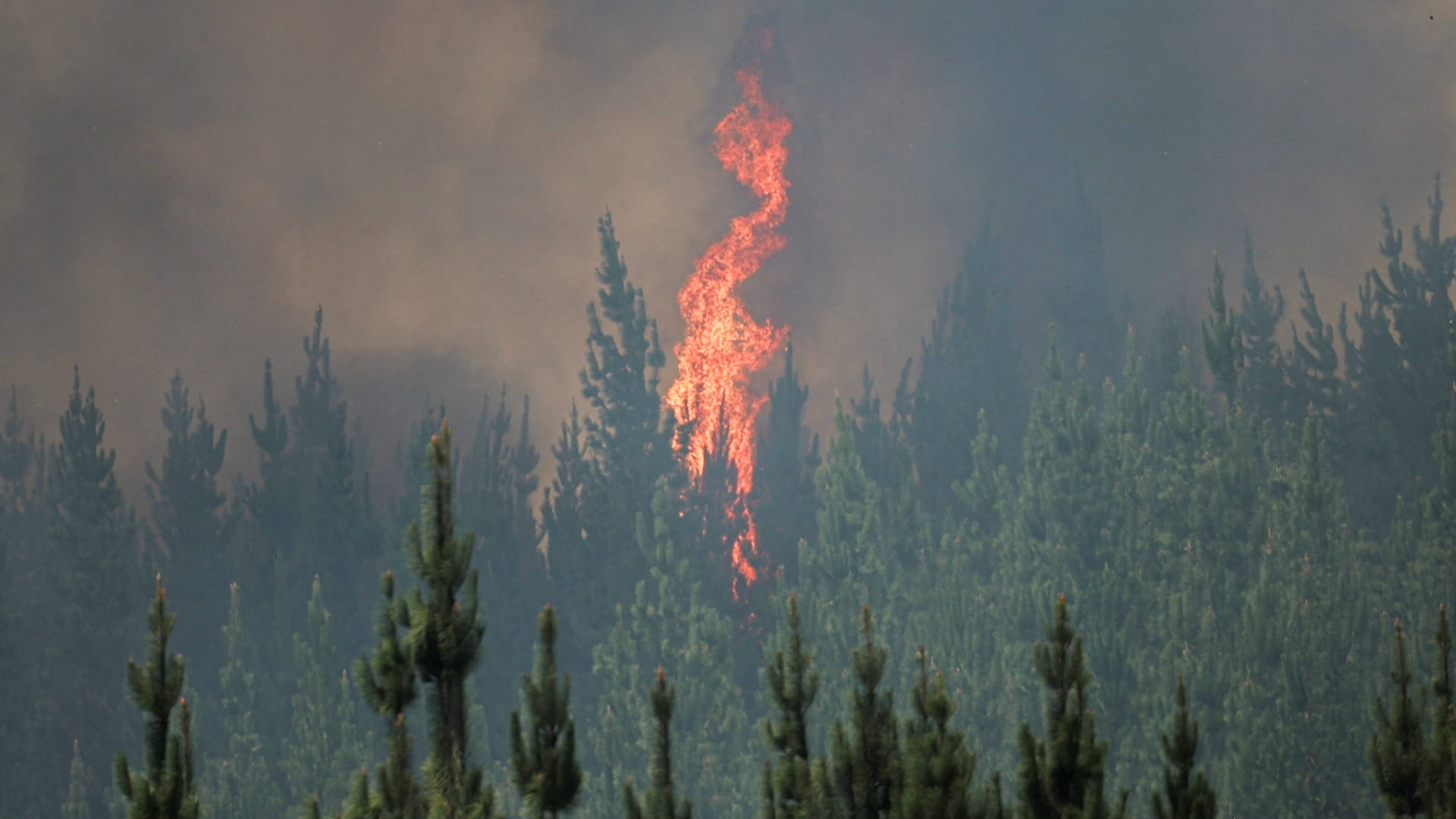
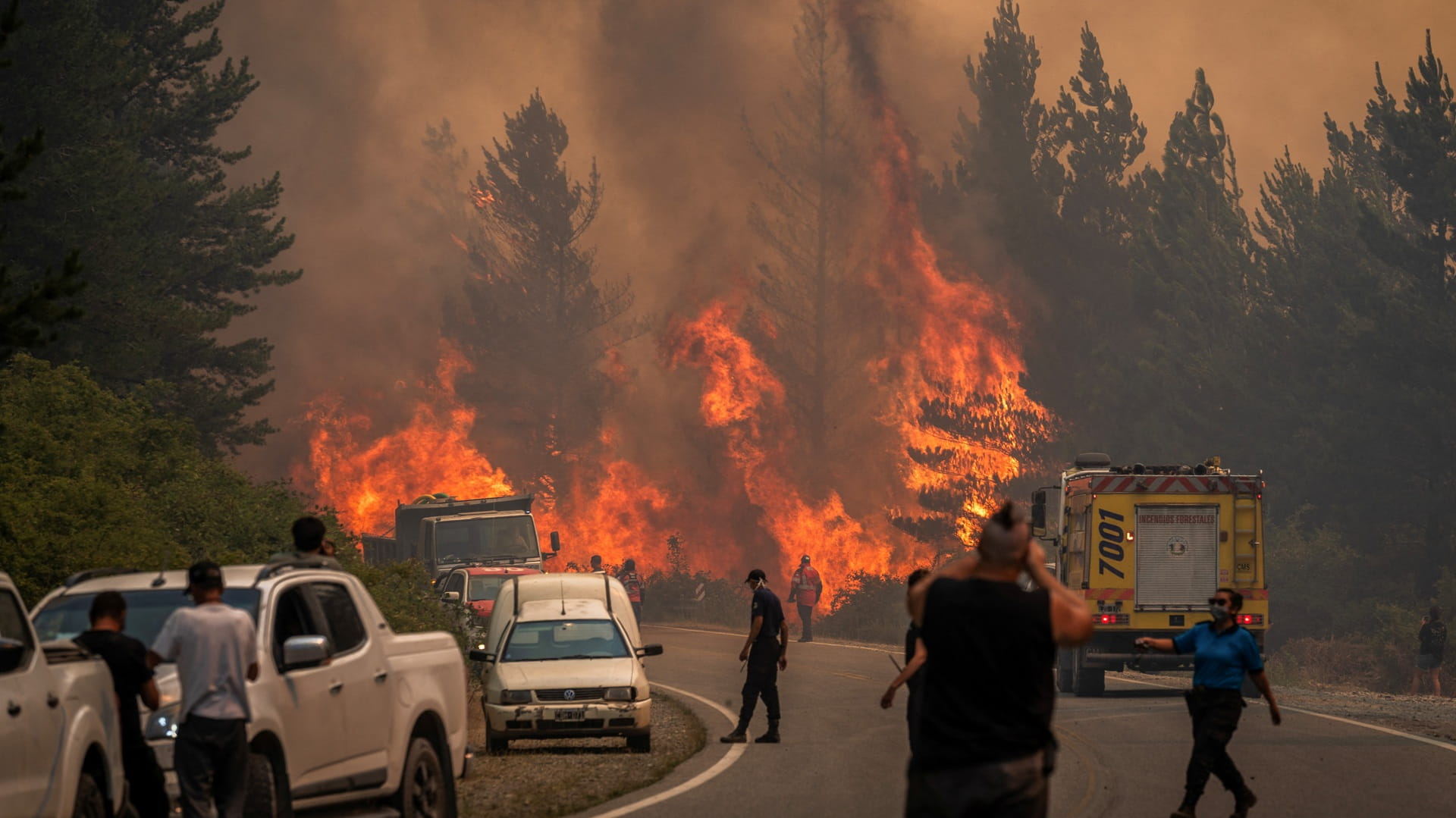
To assess exposure, scientists examined fine particulate matter and black carbon levels using ground-level air pollution data from participants’ neighbourhoods, alongside satellite imagery to estimate the number of days areas were affected by wildfire smoke.
Among more than 91,000 participants tracked between 2006 and 2018, wildfire smoke exposure was linked to increased risks of lung, colorectal, breast, bladder and blood cancers. No significant association was found for ovarian or skin cancer.
The analysis also indicated that cancer risk rises as levels of wildfire-related air pollution increase.
Researchers indicated that wildfire smoke should not be viewed only as a short-term respiratory or cardiovascular concern. Long-term exposure may also contribute to increased cancer risk.
They noted that elevated risks could occur even at relatively low levels of fine particulate exposure commonly experienced by populations.
The study also highlighted that the composition of wildfire smoke varies by geographic region. Health effects may differ depending on the chemical makeup of the smoke and the transformations it undergoes as it spreads through the atmosphere.

 For an optimal experience, please
rotate your device to portrait mode.