
Loading...
Loading...

The military appointed General Horta N'Tam, the army’s chief of staff, as transitional leader for one year. On Friday, N'Tam named current Finance Minister Ilidio Vieira Te as prime minister, who will continue overseeing the finance ministry. Outgoing President Umaro Sissoco Embalo, previously considered close to N'Tam, was arrested Wednesday but allowed to fly to Senegal on Thursday aboard an aircraft chartered by Dakar.
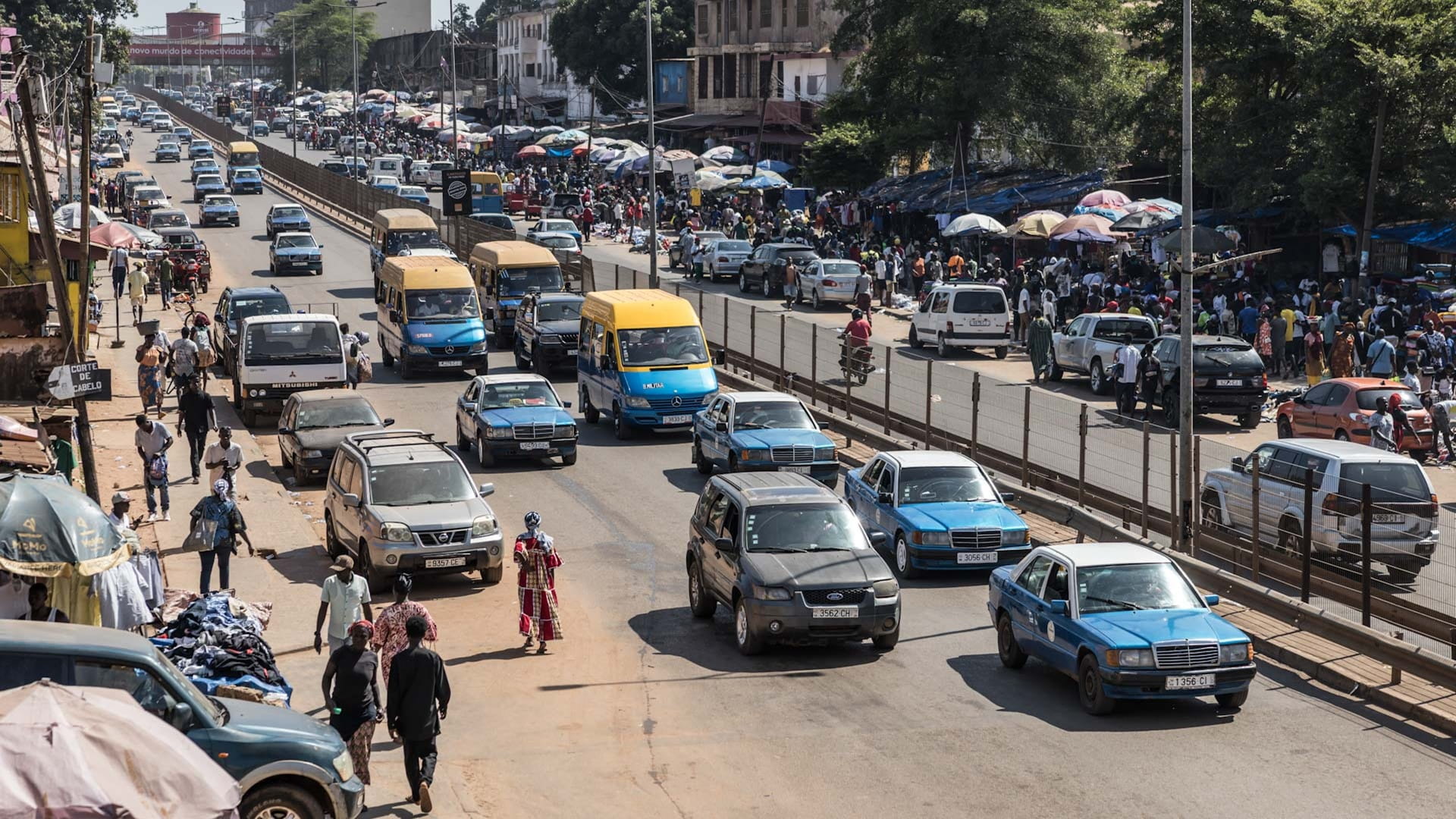
By Friday, AFP journalists observed vehicles and pedestrians returning to the main road linking Bissau’s port to the presidential palace. Security presence eased in some districts but remained tight in strategic locations. Markets, shops, restaurants, and small grocery stores reopened, though business activity remained sluggish. “If I stay home, I will have nothing to eat,” said 25-year-old street vendor Boubacar Embalo, who reported struggling to make any sales.
While central areas showed signs of revival, surrounding neighbourhoods remained quieter, with sparse activity in recently reopened markets. Land, air, and sea borders—sealed since Wednesday—were reportedly reopened. The military also lifted the nationwide curfew and ordered the reopening of schools, markets, and private institutions.
Guinea-Bissau, positioned between Senegal and Guinea, has endured decades of instability with repeated coups since independence in 1974. Opposition candidate Fernando Dias da Costa claimed he won Sunday’s vote and accused Embalo of orchestrating the coup to block his victory. Analysts suggest that control over illegal drug-smuggling networks—long linked to political and military elites—may have also influenced the power struggle.
Senegalese President Ousmane Sonko condemned the coup as a “scam,” urging continuation of the electoral process and release of official results. Guinea-Bissau’s last presidential election in 2019 led to months of crisis with competing claims to the presidency, resolved only when ECOWAS recognised Embalo as the winner in April 2020.

 For an optimal experience, please
rotate your device to portrait mode.