
Loading...
Loading...

The announcement by the European plane manufacturer late Friday, warning that planes could not fly until the upgrade was installed, followed a technical incident in the United States. The warning raised concerns that hundreds of aircraft could be grounded for extended periods.
Several leading European airlines, however, reported minimal or no cancellations, though the situation appeared more challenging in Latin America and Asia.
Airbus issues urgent precautionary measures
Airbus instructed its clients on Friday to take "immediate precautionary action" after evaluating a technical malfunction on a JetBlue flight in October.
"Intense solar radiation may corrupt data critical to the functioning of flight controls," the company said, adding that "a significant number of A320 Family aircraft currently in service" could be affected.
Replacing the software typically takes "a few hours" on most planes, but for roughly 1,000 aircraft, the process "will take weeks," according to a source close to the issue.
Fewer aircraft impacted than initially feared
French Transport Minister Philippe Tabarot told BFMTV that Airbus had corrected the defect on "more than 5,000 aircraft" from Friday into Saturday morning.
He suggested that the number of aircraft needing extended servicing could be far lower than the initially feared 1,000.
"According to the latest information I have... it would seem that there would be far fewer A320s that would be impacted in a more prolonged way by the software change."
"We had evoked the possibility of a thousand aircraft. It seems that we are now only talking about a hundred," he added.
The A320, produced since 1988, is the world’s best-selling aircraft. By the end of September, Airbus had sold 12,257 units, slightly more than Boeing’s 12,254 737s.
Airlines report minimal disruptions
Air France confirmed it would operate nearly all flights on Saturday, except for some Caribbean regional services. On Friday, the airline had canceled 35 flights.
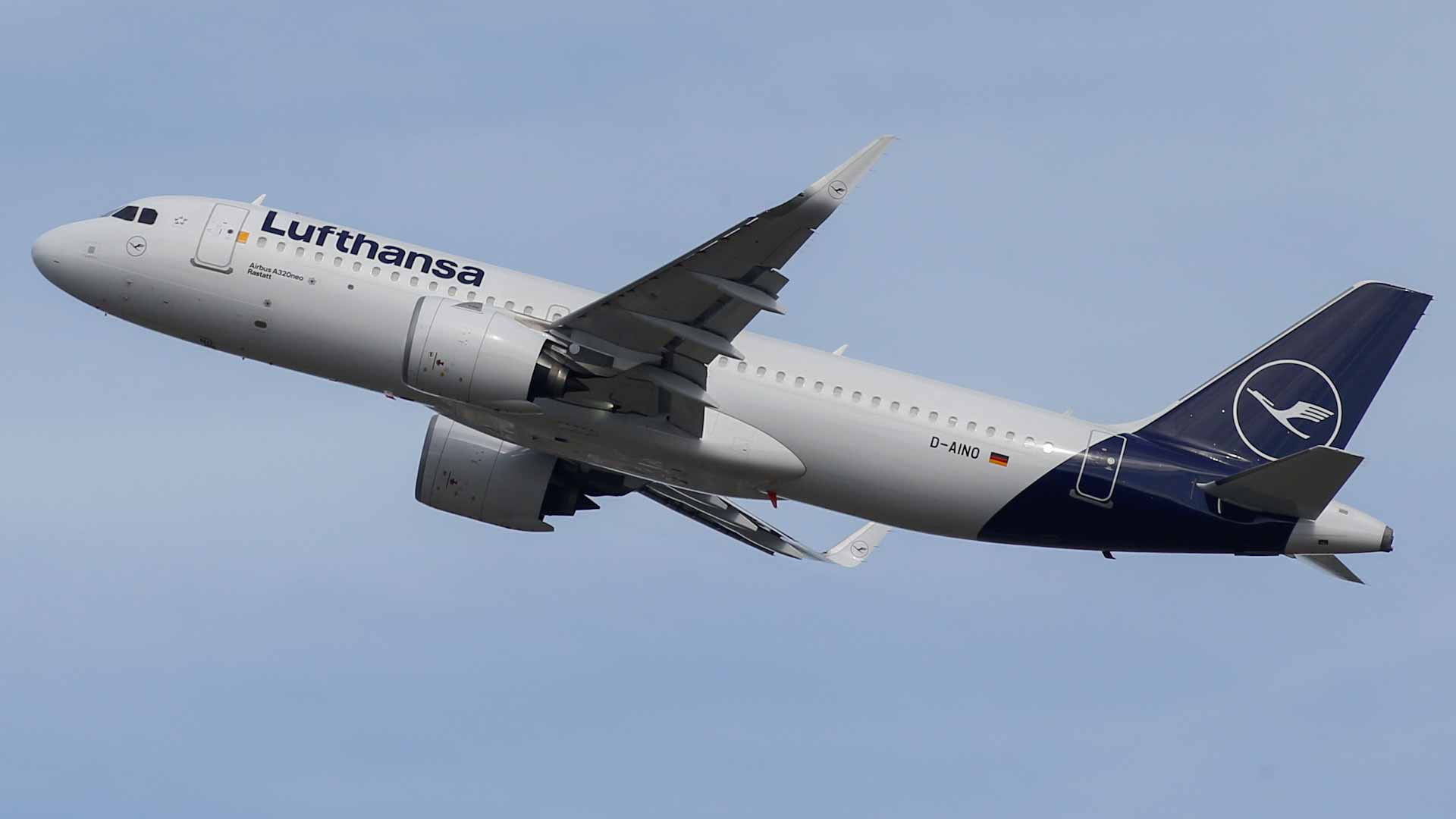
Lufthansa reported that "most of the software updates were completed overnight and on Saturday morning," with no expected cancellations, though isolated delays were possible.
Budget carrier EasyJet said it had completed updates on all its A320s, avoiding any cancellations.
French Economy Minister Roland Lescure emphasized that for "the vast majority of these aircraft," the software update "can be done remotely, it is quite fast."
Safety remains the priority
The issue traces back to October 30, when a JetBlue-operated A320 experienced an in-flight control malfunction.
The plane suddenly nosedived while traveling between Cancun, Mexico, and Newark, USA, requiring an emergency landing in Tampa, Florida. Some passengers were reportedly injured.
JetBlue has begun software updates on certain A320 and A321 aircraft. American Airlines also started updating its fleet after Friday’s alert, expecting "the vast majority" of approximately 340 affected aircraft to be serviced by Saturday, though "several delays" were anticipated.
Initially reporting no issues, United Airlines later identified six affected aircraft and anticipated minor flight disruptions.
Air India warned of delays, and Colombian airline Avianca reported that 70% of its fleet was impacted, expecting "significant disruptions in the next ten days" and suspending ticket sales until December 8.
In the Philippines, Philippine Airlines and Cebu Pacific grounded at least 40 domestic flights on Saturday, offering refunds or rebookings.
The European Union Aviation Safety Agency (EASA) stated: "These measures may cause short-term disruption to flight schedules and therefore inconvenience to passengers. Safety is paramount."

 For an optimal experience, please
rotate your device to portrait mode.