
Loading...
Loading...

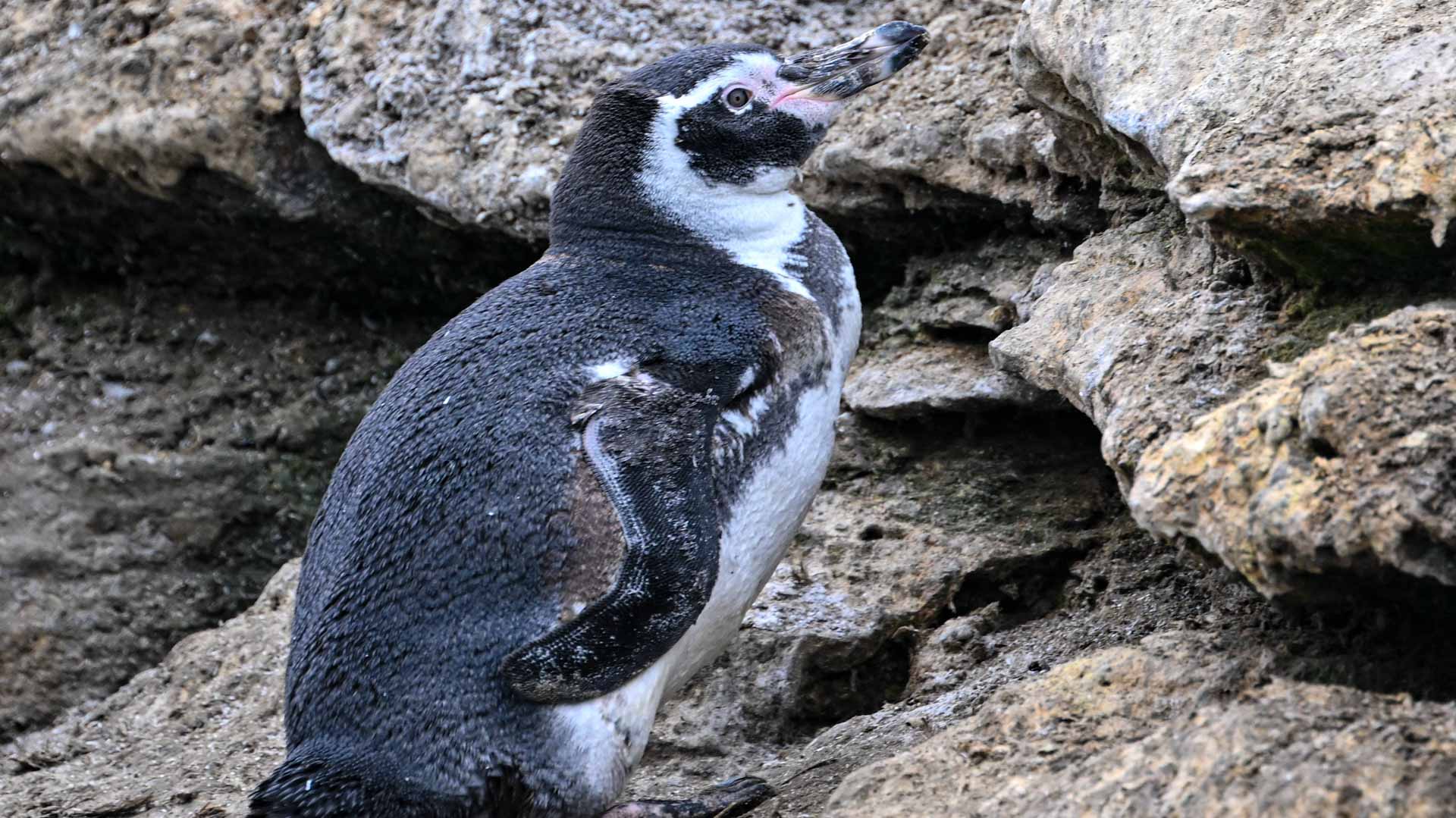
On a chilly December morning, 41 Humboldt penguins lined up beside their pool for their annual influenza vaccinations. A zookeeper gently soothed a penguin named Cissou as a veterinarian administered his shot, after which he waddled back to rejoin the group.
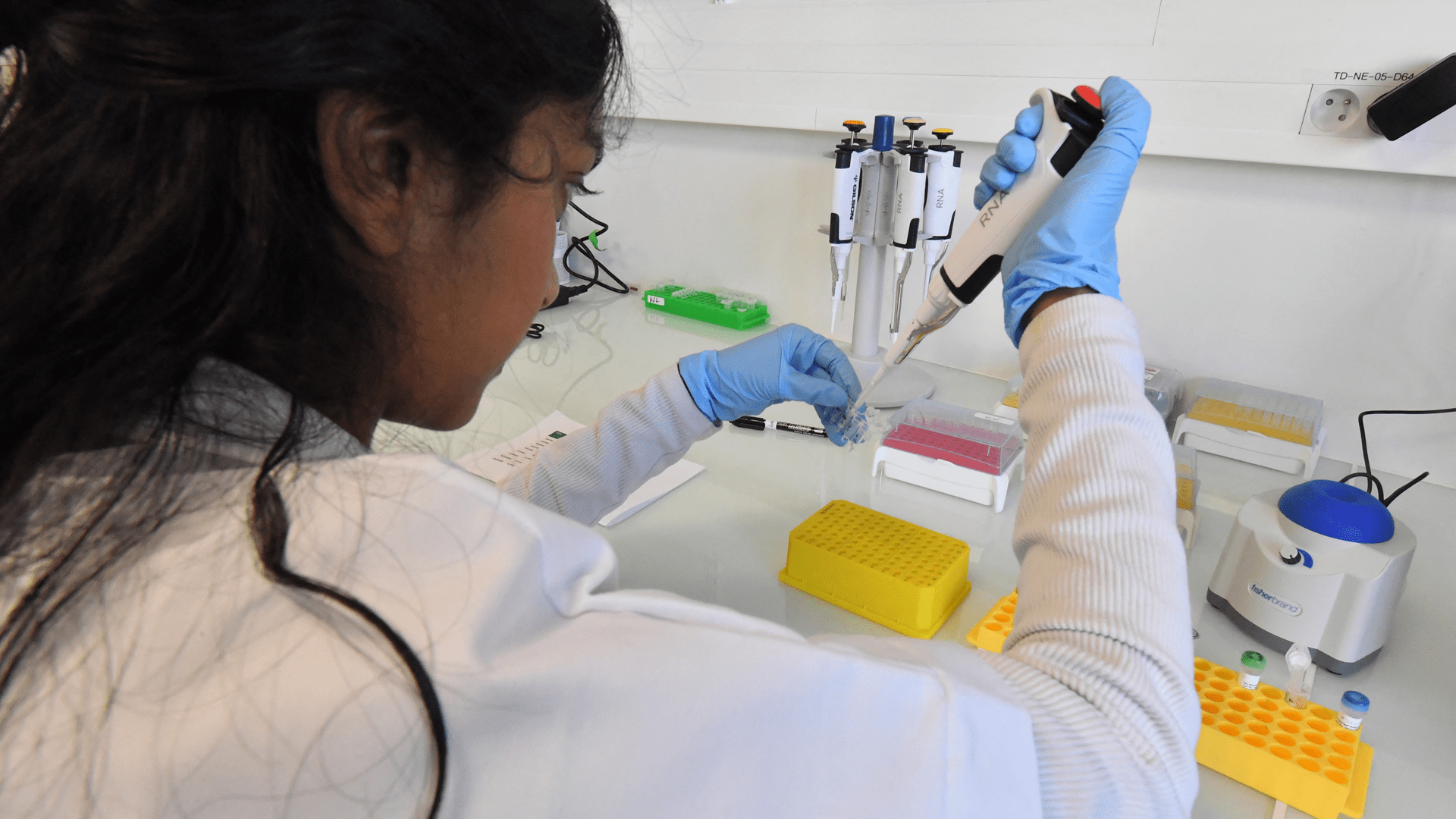
During the vaccination session, about 10 zoo staff members conducted routine health assessments—measuring and weighing the penguins, collecting feathers, taking blood samples, checking microchips, and inspecting their feet. The young penguins born this year will receive booster doses in one month.
The zoo, located in Vincennes park in eastern Paris, has never recorded a case of bird flu, yet it remains surrounded by wild species such as crows, magpies, geese, and parakeets. A potential outbreak among these animals would be devastating for the zoo’s residents. French health authorities recently warned that this year’s bird flu season could be the worst in several years.
Bird flu’s spread to Antarctica early last year raised further concerns for global penguin populations. Veterinarian Sylvie Laidebeure explained that many species, including Humboldt penguins—listed as vulnerable—are already threatened in the wild. She noted that vaccinations follow a careful “risk-benefit ratio,” since birds can experience inflammatory reactions and the restraint process can be very stressful.
Only species housed outdoors or in enclosures where contact with wild birds is possible receive the jab. These include hornbills, vultures, rheas, ostriches, marabou storks, and cranes.
France has vaccinated zoo birds against avian influenza since 2006—well before becoming the first European country to vaccinate farm ducks nationwide in 2023. The same vaccine is used but with different dosages.
Laidebeure said two decades of experience have resulted in several scientific studies demonstrating the vaccine’s safety and effectiveness across species, contributing to wider confidence before its rollout on farms.

 For an optimal experience, please
rotate your device to portrait mode.