
Loading...
Loading...

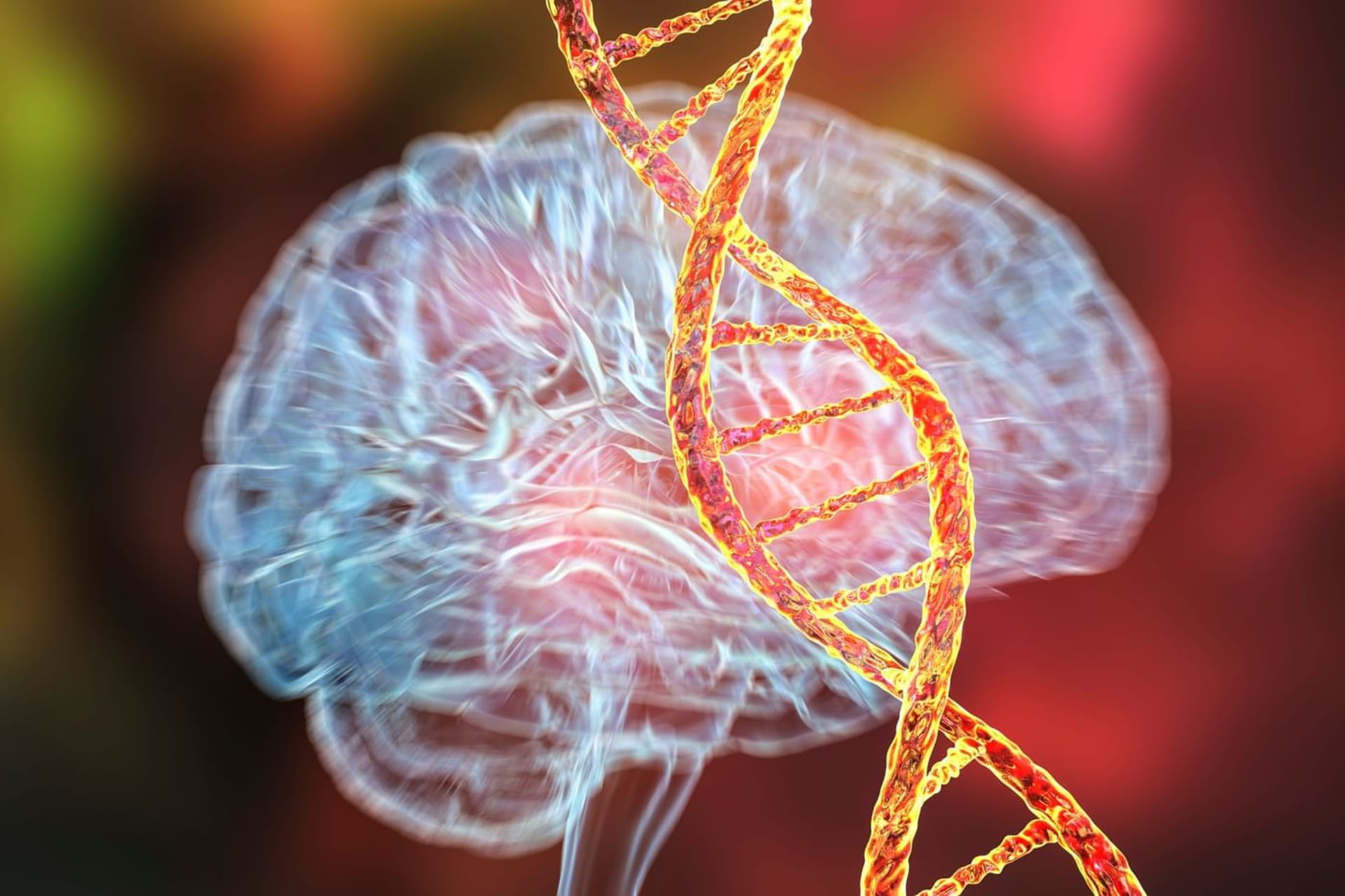
Although mRNA gained prominence during the Covid-19 pandemic and was awarded a Nobel Prize in 2023, researchers say its potential extends well beyond infectious diseases. According to Chantal Pichon, head of INSERM’s ART lab, mRNA could boost immunity, repair malfunctioning cells, and treat genetic, rare, or even allergic conditions. Over 200 global clinical trials are exploring these possibilities.
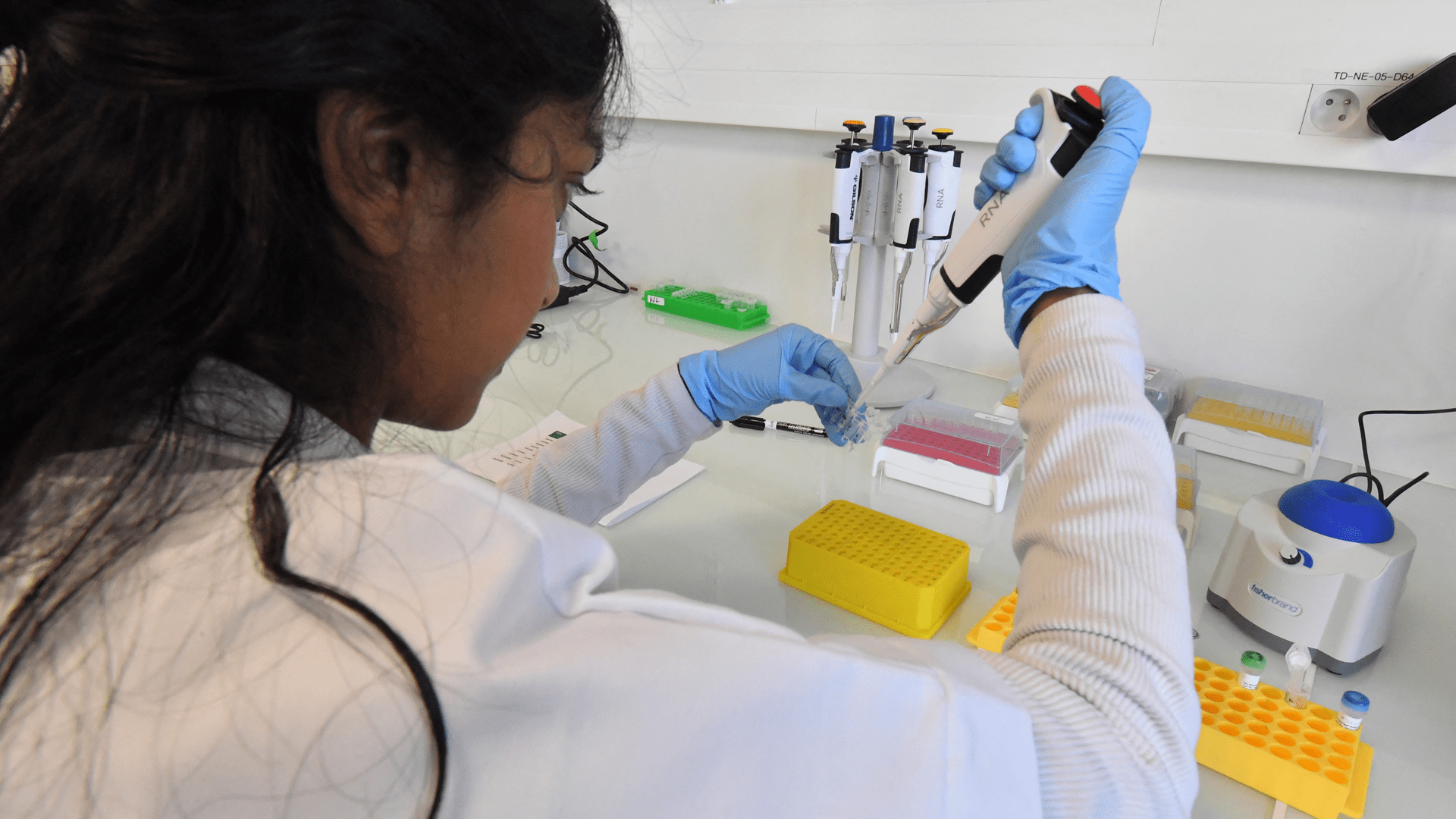
Producing mRNA in test tubes remains complex and costly, with techniques often protected by US patents. Researchers in Orléans are investigating a more affordable method: producing mRNA using yeast, which could significantly lower costs. The main challenge is purifying and validating the molecules to meet strict pharmaceutical standards.
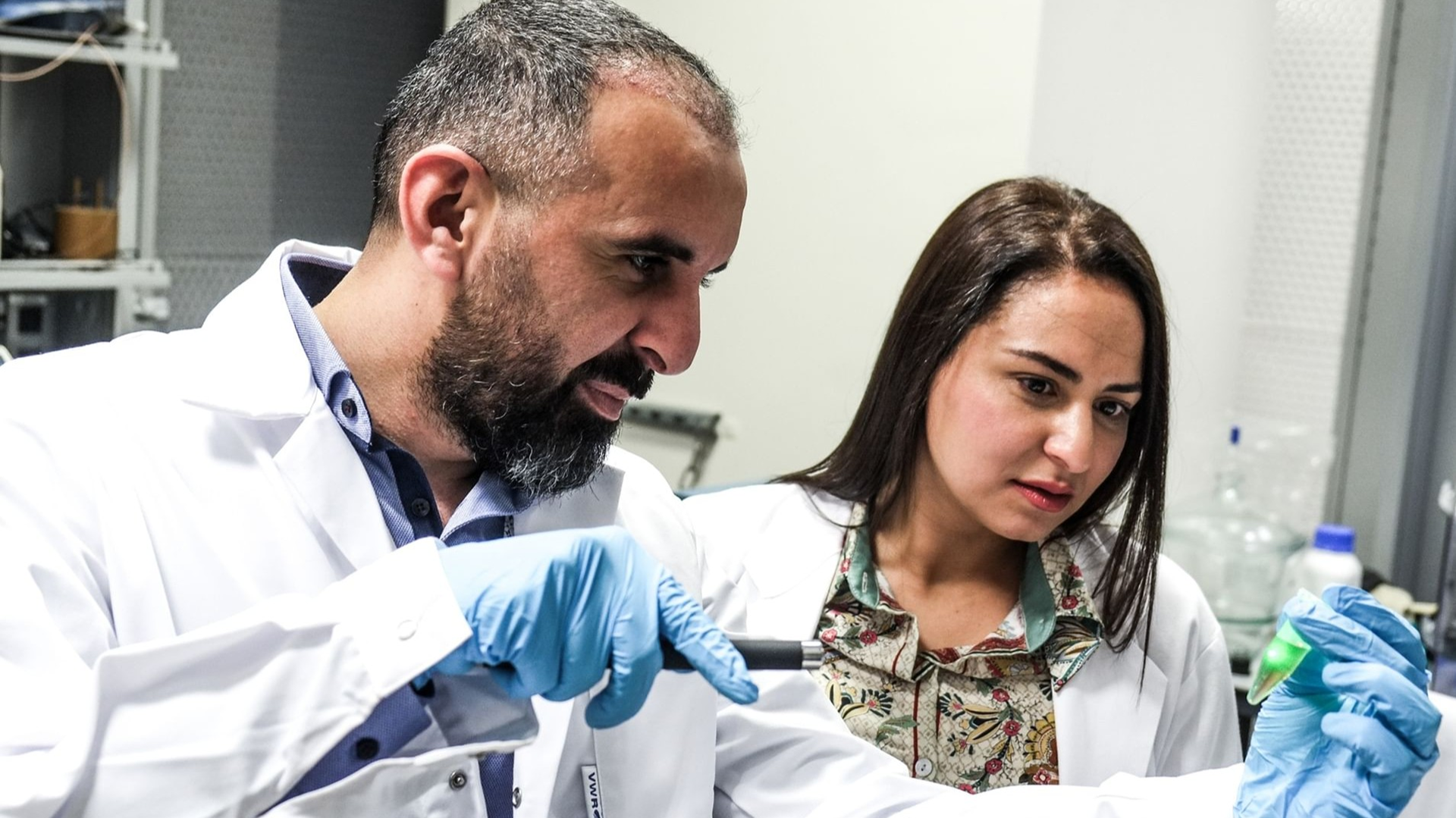
Another team at the ART lab is developing a novel approach for pancreatic cancer, a disease with a survival rate of only 10 per cent. Traditional treatments have shown limited progress over the past twenty years. Researchers aim to combine an mRNA vaccine with advanced ultrasound technology to help immune cells recognise and attack tumours.
The technique employs ultrasound to create vibrations that generate gas bubbles within the pancreatic tissue. When these bubbles burst, they penetrate the tumour’s protective barrier—described as a “bunker”—enabling the mRNA vaccine to enter and target cancer cells directly. Early results suggest ultrasounds can be safely used on the pancreas and may enhance existing treatments.
The next stage of research aims to show that mRNA, improved through ultrasound delivery, can significantly enhance survival rates among pancreatic cancer patients. The study gains timely attention as Thursday marks World Pancreatic Cancer Day, dedicated to raising awareness of this highly lethal disease.

 For an optimal experience, please
rotate your device to portrait mode.