
Loading...
Loading...

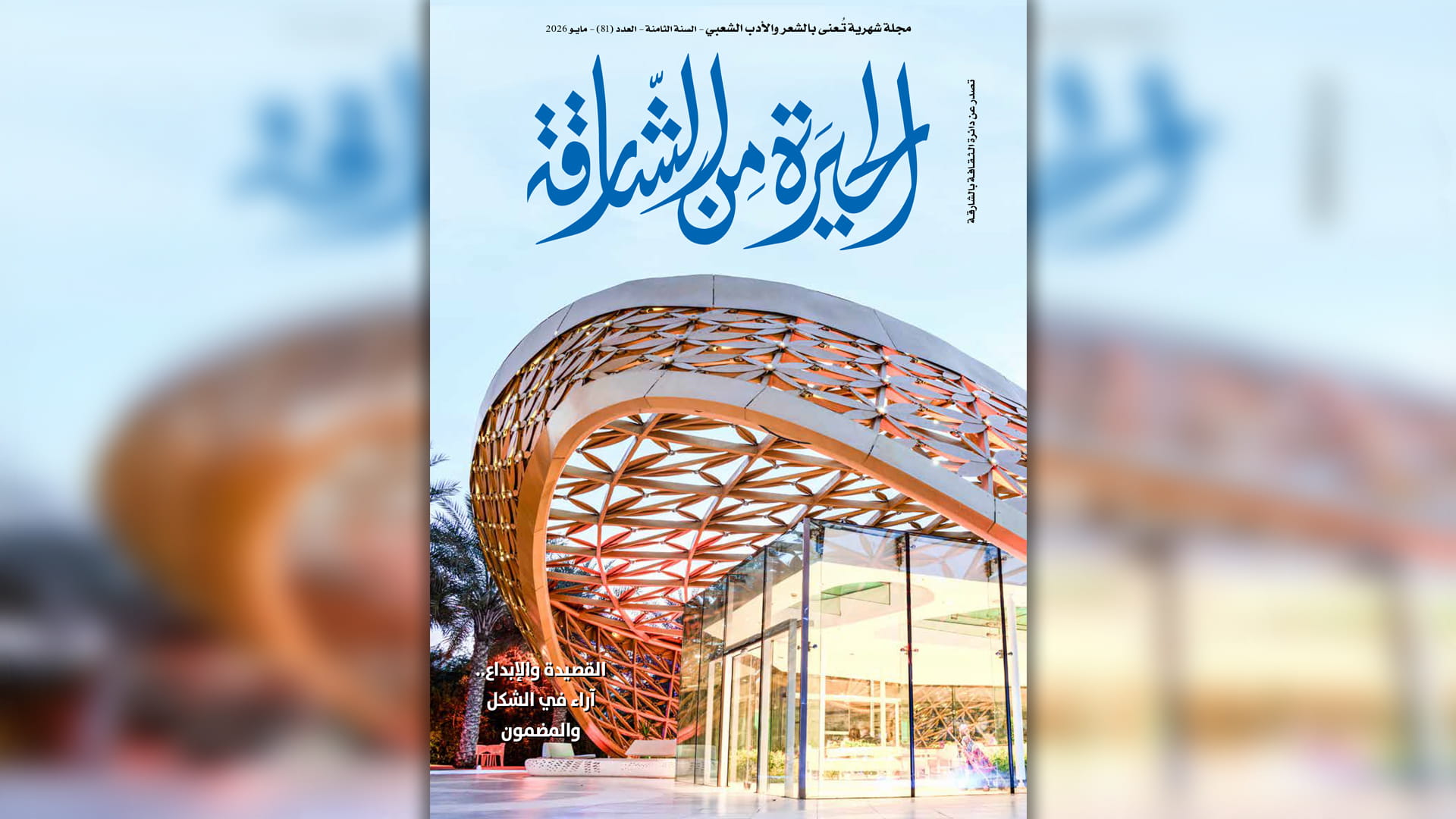
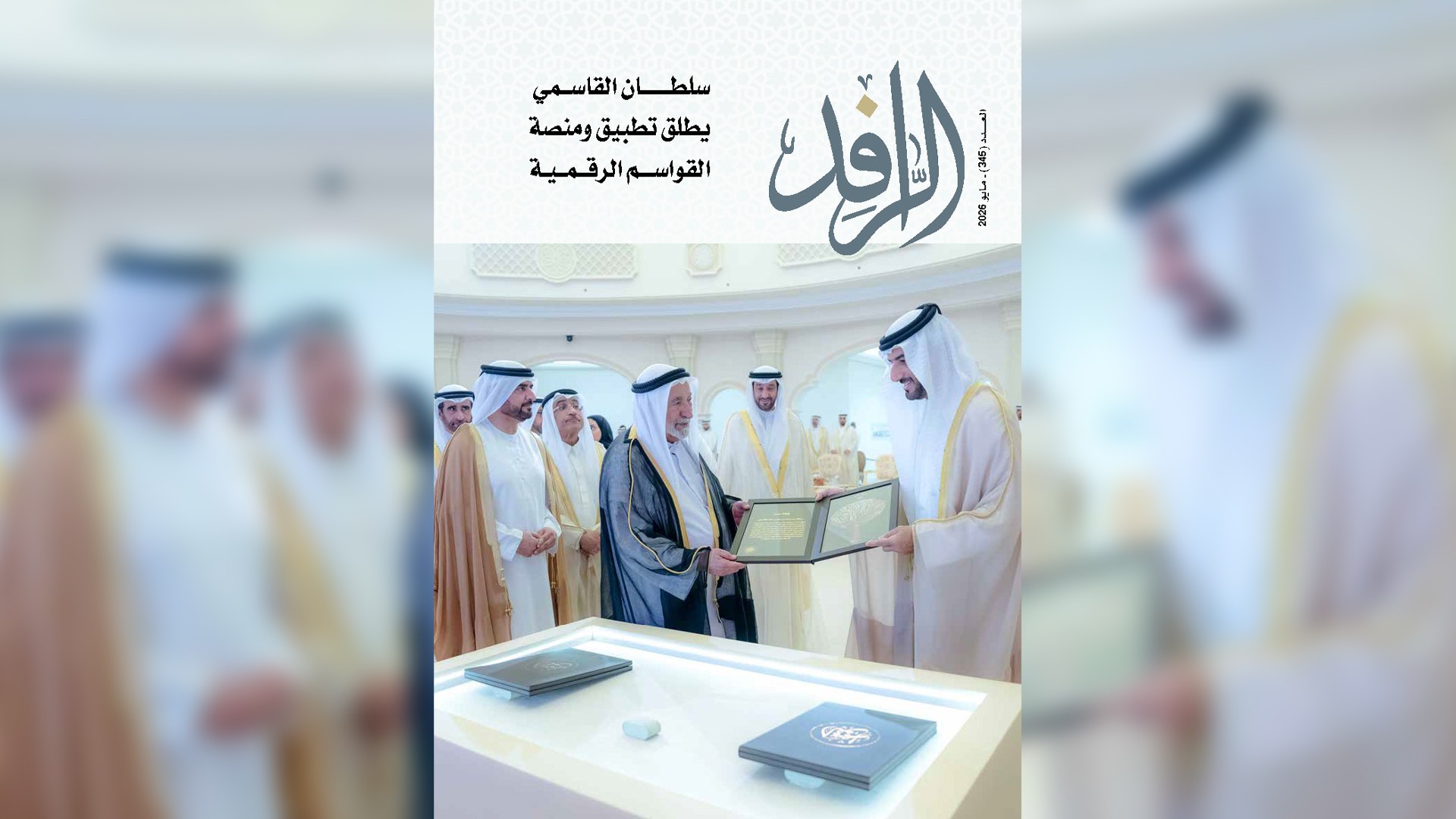
Failing to keep pace with modern civiliaation now means decline and weakness, but without abandoning the tools that laid the foundations of this civilisation. To be cultured, a writer, and a modern, developed, and progressive human being does not mean severing ties with the past and its achievements, adopting only modern theories, or pursuing favorite hobbies virtually and electronically. Rather, one must combine authenticity and modernity, and balance the demands of the age with historical and cultural values.
Editor-in-Chief Nawaf Younes, in his article "Sharjah... through Greek eyes," addressed Greece's participation as guest of honour at the 44th Sharjah International Book Fair (SIBF). Greek writers, authors, and publishers, including the poet Antonios Sixiatas, expressed their profound appreciation for Sharjah, noting that the Arabic language continues to maintain its strength and cultural presence. They emphasised that the greatness of Arabic poetry lies in the power and cultural influence of the Arabic language. Furthermore, they explained that Sharjah, which preserves and blends its modernity with its authentic traditions, has become a meeting point for cultures and a hub for linguistic exchange, highlighting the commonalities between Arab and Greek civilisations.
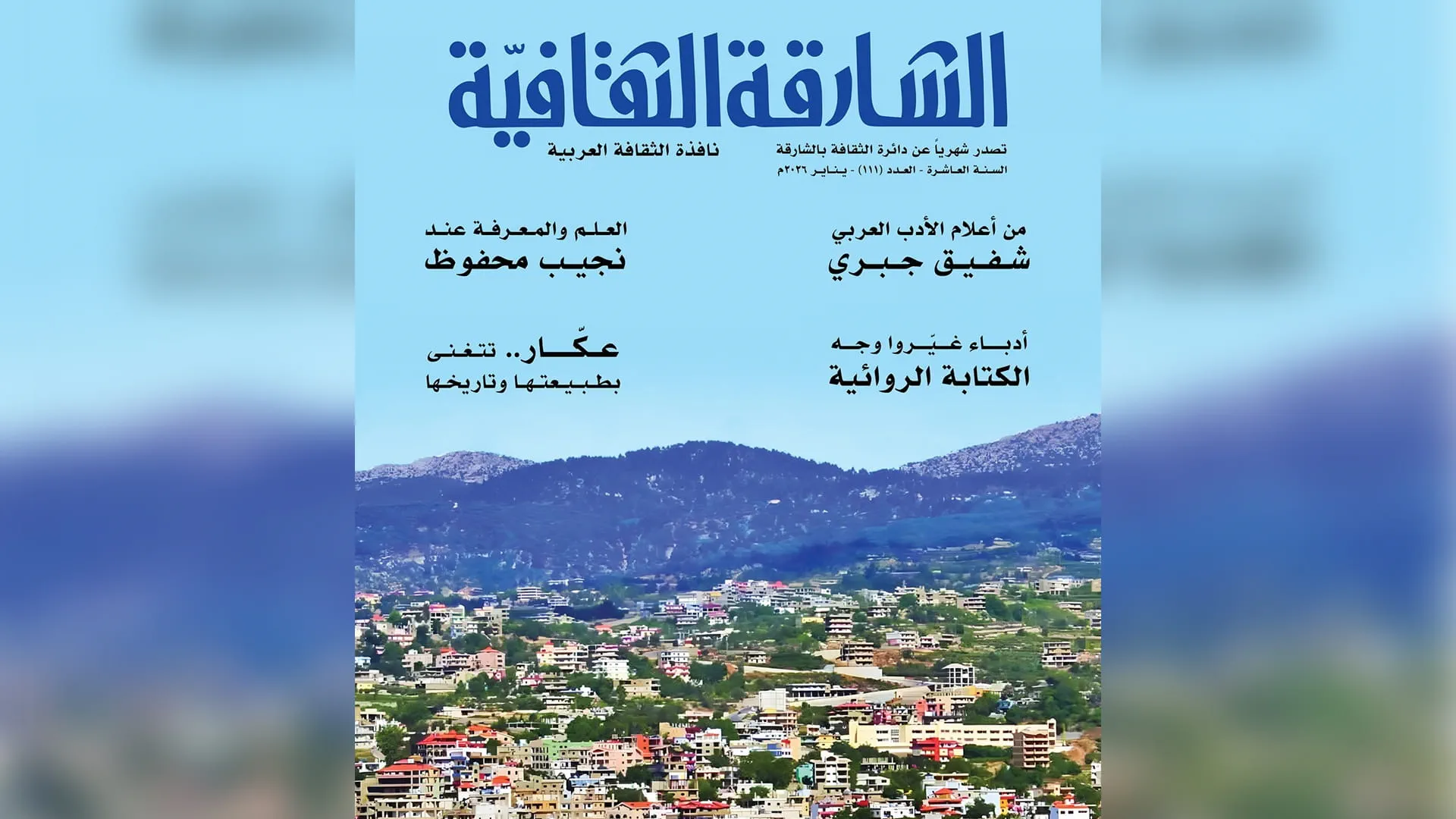
In the issue's details, Sawsan Kamel wrote about one of the luminaries of Arabic literature, Shafiq Jabri, a symbol of generosity and creativity. Ahmed Fadl Shabloul presented an article on science and knowledge in the works of Naguib Mahfouz, while Omar Ibrahim Mohamed traced the history of the city of El-Mahalla El-Kubra, whose name is associated with the Nile rose. Amal Kamel explored the city of Akkar, renowned for its nature, history, location, and heritage.
In the "Literature and Writers" section, Mohamed Hammouda shed light on the little-known novel "Zaza" by the poet Ibrahim Naji. Dr Akram Jamil Qanbas discussed the career of the writer Abdul Quddus Al-Ansari, who lived the issues of his homeland and society. Walid Ramadan examined the works of Zaima Al-Barouni, considered a pioneer of the short story in Libya. Hanaa Metwally wrote about writers who changed the face of novel writing through the secrets and tricks of grand narrative techniques. Amal Youssef Hassan discussed the prominent scholarly and cultural figure Abdul Hamid Al-Abadi, while Amira Al-Maliji celebrated the prolific creative output of Hanna Mina, who lived reality and incorporated it into his literature. Dr. Ahmed Al-Saghir presented a biography of the poet Muhammad Ibrahim Abu-Sanna, who expressed his reality with transparency. Muhyiddin Jarma interviewed the novelist Huda Al-Nuaimi, who left her job to dedicate herself to writing. Dr Majd Haidar wrote about a voice that tells the story of the East in the language of the West: (Kenzie Murad), the guardian of memory and dreamy visions. Hassan Al-Hadari reviewed the mechanisms of reception in the writings of Shaaban Abdel-Hakim. Dr Shaaban Badir traced the life of Jabra Ibrahim Jabra. Yassin Hakan met the poet Abdel-Latif Al-Warari, who said, "The child within me brought me to poetry." Jamal Abdel-Hamid discussed the career of Mahmoud Kamel Hassan, considered one of the pioneers of the Arabic short story. Abdel-Alim Haris examined Islam Abu-Shukair's novel "Hours... Hours," which explores reality within an imaginative framework. Khalil Al-Jizawi interviewed Dr. Osama Al-Saeed, author of the novels "Rawaq Al-Baghdadiya" and "Arnka." Dr Aziz Baazi interviewed the novelist Buthaina Khader Makki, who affirmed that her passion for village tales is the source of her creativity.
In the art, string and brush section, Sufian Diab creates new worlds that engage the discerning eye (Hisham Azkidh), Yasser Al-Safi: The concept of childhood defines his aesthetic stance (Mohammed Al-Amri), The Arab Cultural Club continues to celebrate creative individuals, Approaches and objectives between epic and floating theatre (Dr Asmaa Badr), A look at early Egyptian radio drama (Zainab Al-Roubi), Mahmoud Al-Sharif: One of the most prominent composers in the history of music (Nour Suleiman Ahmed), Abdel Moneim Ibrahim: A symbol of humanistic art (Amira Ibrahim), Artificial intelligence actress Tilly Norwood (Hassan M. Youssef), Thomas Anderson presents a new cinematic epic in his film "Battle After Battle" (Ward Haidar).
In the "Under the Spotlight" section, readings and publications include "Anxious Literature: A Tendency that Stimulates Creativity" (Amani Ibrahim Yassin), "The Keyhole Cannot Be Seen," a book that profiles twenty American poets (Diaa Hamed), "From the Text of Rhetoric to the Realm of Criticism" (Abrar Al-Agha), "The Japanese and the Culture of Simple Living" (Nawal Ghanem), "A Generation of Pioneers" (Najla Mamoun), and "Investigations into Language and Literature" (Nadia Omar).
On another note; The issue included a collection of articles: Arabic Literature and Verbal Creativity (Manal Muhammad Yusuf), Andon Chiyobi: A Pioneer of Contemporary Poetry (Muhammad Al-Arnaout), Writing Style Between Schools and Individualism (Paul Chaoul), Mahmoud Al-Masadi in the Memory of Modern Arabic Literature (Tamadhur Fatih), Hussein Jalaad: From "Eyes of the Drowned" to "Adam's Balcony" (Intisar Abbas), Manifestations of Questions and Semantic Intertextuality (Hassan Ba'iti), Saud Al-Sanousi Observes Unconventional Visions in "Journeys of the City of Clay" (Youssef Ali Al-Ghadban), Critical Reflections on the Novel and Architecture (I'tidal Othman), The Literature of Letters: A Written Memory of the Human Soul (Zakaa Mardali), Suhail Idris: He Tried Not to Burn His Fingers (Muhammad Muhammad Mustajab), Emotion and Reason Exchange Roles in Nabil Suleiman's Work (Yassin Adnan), "Critical Marginal Notes": Saeed Yaqtin's Project in His Early Writings (Dr. Maha Binsaid), Badi' Al-Zaman Al-Hamadhani: The Creator of the Maqamat (Izzat Helmy), Poetry: The Father of the Arts (Abdul Hamid Muhammad Al-Rawi), Can Artificial Intelligence Write About a Moment of Emotion? (Ghanwa Abbas), Silence... and Creativity (Ghassan Kamel Wanous), "Dilshad" or the Happy Heart by Bushra Khalfan (Abdul Razzaq Al-Rubaie), Cultural, Historical, and Medical Letters of the Herbalist Ibn Al-Baytar (Mustafa Abdullah), Diverse Formative Stages (Najwa Al-Maghribi), Azaldi N. Burka: Sharjah, an Open Cultural Laboratory (Sassi Jbeil), Music and Society: The Dialectic of Influence and Being Influenced (Dr Ahmed Saad El-Din Aita), The Film "Poet" About the Pride and Retreat of Creators (Osama Asal), Horizons of the Art of Apology in Arab and World Culture (Nabil Ahmed Safieh), Systematic Phenomena in the Poetry Collection "Leap in Place" by the Poet Diaa Farid (Mohamed Rabie Hammad), Cultural Gatherings: A Civilisational Phenomenon (Heba El-Sayed Abdel-Wahab).
The issue dedicated space to a collection of short stories and translations by a constellation of Arab writers and creators, namely: Ayar Abdel Karim (The Secret of Happiness), short story writer and critic; Adapting to Life in the Story (The Secret of Happiness) - Dr Mahmoud Al-Dabaa; Samir Hakim (Snowy Rains), short story; Asmaa Nour Al-Daem (Morning with a New Face), short story; Hamada Abdel Latif (The Shell), translated poem; in addition to poems that have resonances (Al-Ahnaf Al-Akbari... Poet of Humanity and Sweetness) - Wael Al-Jishi; and (Literature) by Fawaz Al-Shaar, which included the aesthetics of language, linguistics, and the garden of poetry, and a pause with Ali Hindawi's poem in recognition of the merit of the scholar Muhammad Abdel-Muttalib - Dr Hanan Al-Sharnoubi.

 For an optimal experience, please
rotate your device to portrait mode.