
Loading...
Loading...

The new robotaxi is being developed through a collaboration between Nuro, electric vehicle manufacturer Lucid, and AI-chip giant Nvidia, whose technology underpins the vehicle’s autonomous platform. Uber and Nvidia previously announced plans to deploy 100,000 robotaxis starting in 2027.
Nvidia chief executive Jensen Huang said the partnership aims to build a scalable industry framework for autonomous fleets, adding that technology once considered science fiction is rapidly becoming part of everyday life. Nvidia is also working with multiple automakers to integrate its AI systems into self-driving vehicles.
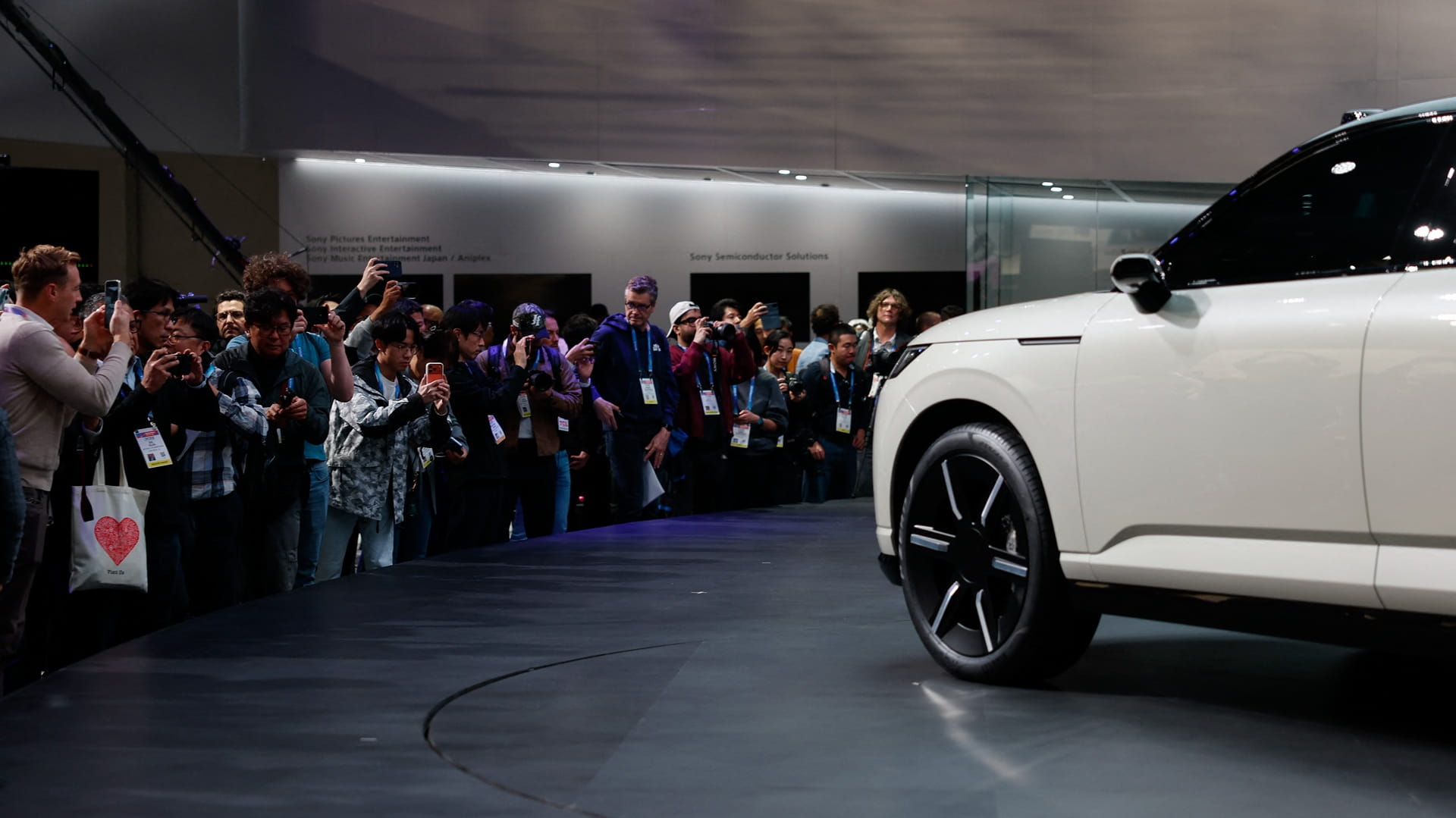
The Lucid Gravity robotaxi, designed to carry up to six passengers, was unveiled at an Nvidia exhibit during Consumer Electronics Show in Las Vegas. The vehicle features an Uber-designed cabin experience, including interactive screens that allow passengers to control climate settings, seat heating, music, and contact support or instruct the vehicle to pull over.
Road testing of the robotaxi began last month, with human drivers seated as a safety measure. Uber said the service is expected to launch later this year, pending approval from California regulators.
Uber already allows users in select US cities to book robotaxis operated by Waymo, whose fleet in San Francisco has grown to more than 800 vehicles and has become a tourist attraction. Waymo plans to expand to 10 US cities and London, while Zoox, owned by Amazon, has also begun offering limited driverless rides in parts of San Francisco.

 For an optimal experience, please
rotate your device to portrait mode.