

Loading...
Loading...

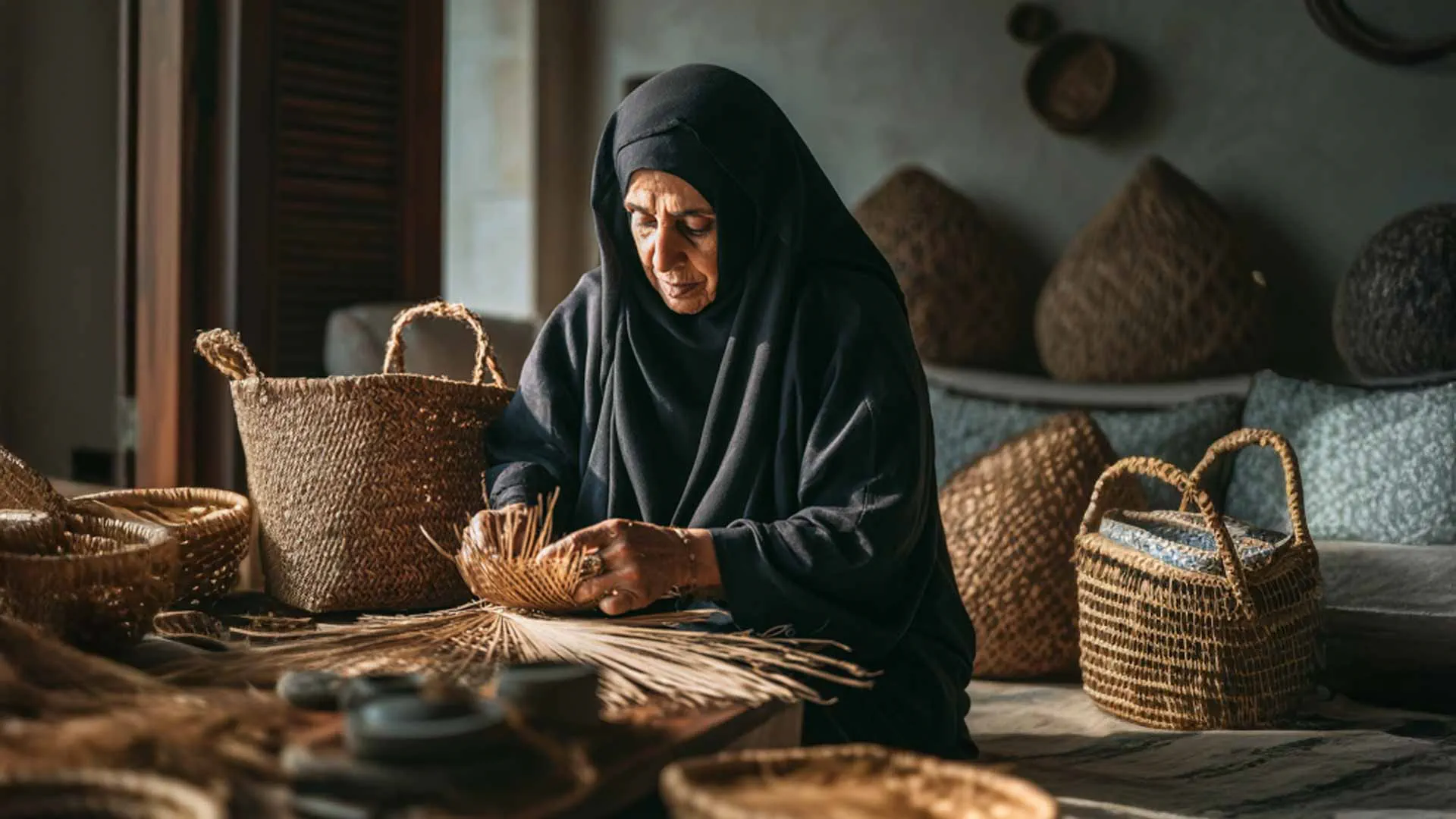
The store offers an easy and convenient shopping experience, allowing customers to order a variety of products, including perfumes and incense, children’s and women’s items, fashion accessories, and handicrafts, while continuously adding new products to meet local market needs and diverse community interests.
Maryam Al Hammadi, director of the “Intaj” Centre, said the online store is one of the tools used to develop home-based projects and enable productive families to reach a wider customer base. She noted that the platform helps boost the presence of national products in the market and provides a distinctive shopping experience for both sellers and buyers.
The centre manages all administrative, organisational, and logistical aspects of sales, including order coordination, packaging, and delivery, through partnerships with accredited delivery companies, ensuring products reach customers with high quality and smooth service. The store offers a variety of packages tailored to different production areas, including: the “Tayyib” package for incense and perfumes, “Atayeb” for food, “Ibda’a” for handicrafts, “Anaqa” for fashion and accessories, and “Mahra” for traditional and handmade crafts.
Al Hammadi added that the “Intaj” Centre focuses on economically empowering families receiving social assistance and residents of care homes through training and support for home-based production, helping them offer competitive-quality products under the “Intaj” brand, thereby increasing the sustainability of their projects and providing a stable income.
The centre also organises a range of marketing opportunities for participating families, focusing on improving presentation and packaging, adding artistic touches and product information, and supporting family participation in exhibitions and events across the UAE, thereby enhancing product quality and market competitiveness.
Families wishing to join the e-commerce service are selected based on specific criteria, including being beneficiaries of social assistance from the department, being dependents or residents of affiliated social care homes, obtaining approval from the Department of Economic Development, complying with centre policies and procedures, and providing quality products that meet local market needs.

 For an optimal experience, please
rotate your device to portrait mode.









.jpeg?h=1080&w=1920&hash=85CD09D49AC8968E1D6D11A0686015CD)
.jpg?h=1081&w=1920&hash=7C34AF5E6CC197146B5214BF2E7A147D)
.jpg?h=1045&w=1920&hash=021D95DF329BEF974F09A035D9C1FF84)