
Loading...
Loading...

Feminist writing as a cultural space
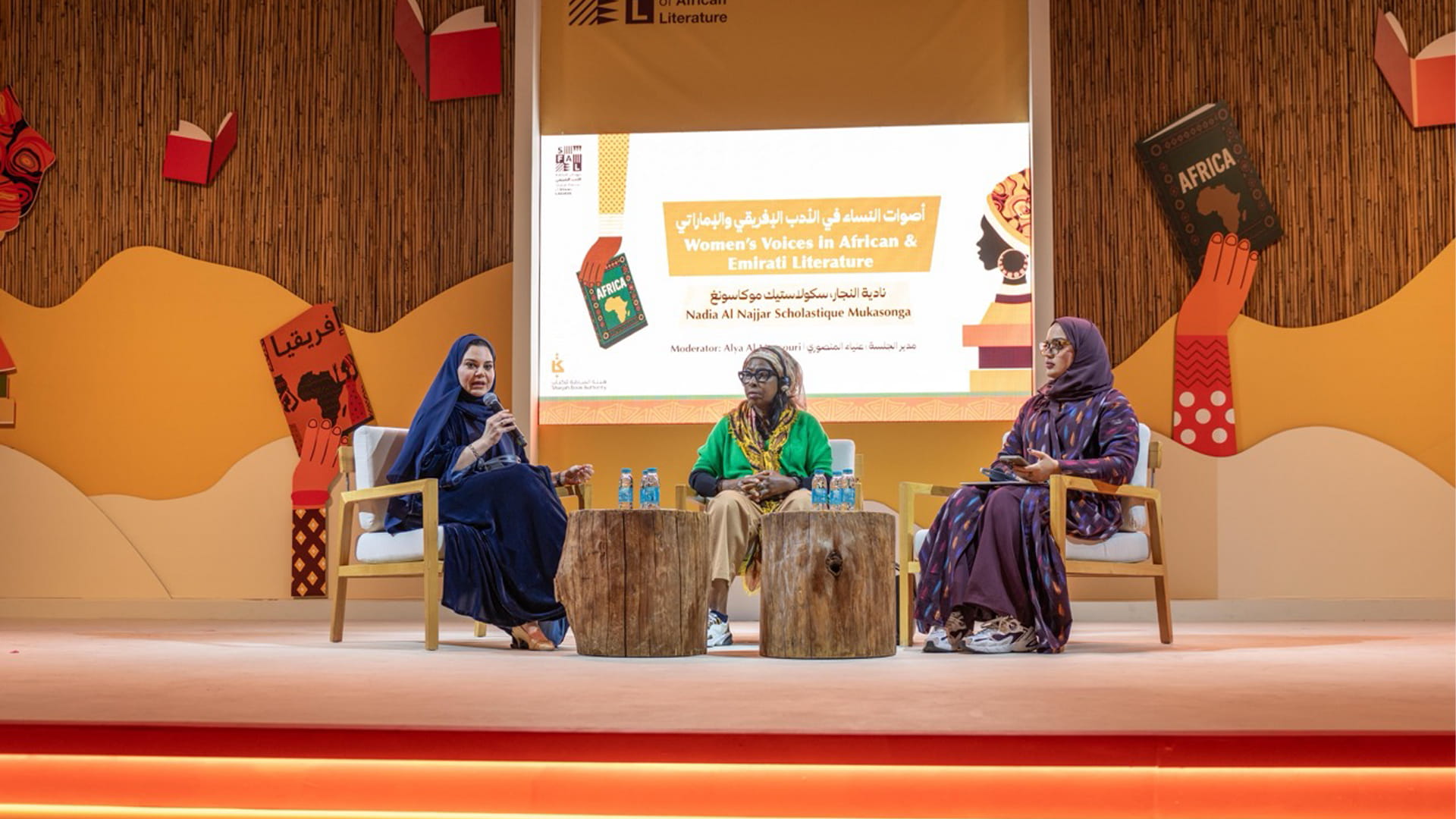
The session explored how feminist writing serves as a cultural platform to express social transformations and document individual and collective memory, conveying women’s experiences to the broader literary landscape. The speakers noted that women’s voices in literature in the UAE and Africa have grown through years of learning, experience, publishing opportunities, translation, and literary recognition, establishing writing as a tool for cultural influence and awareness-building.
A demanding profession requiring commitment and patience
Nadia Al Najjar emphasised that literature, especially feminist writing, reflects the differences across societies, times, and places, with each writer bringing a unique voice. She highlighted the growing presence of Emirati women in novels and short stories, with works gaining recognition in Arab literary awards. She also noted the challenges women writers face, including daily commitment, reaching readers, and maintaining freedom in writing despite personal, publishing, or audience constraints.
A long path of transformation and learning
Scholastique Mukasonga reflected on African women’s literary voices as the outcome of long cultural transformation and self-learning. Writing often began as a personal, private act before evolving into literary expression that documents women’s experiences and contributes to cultural awareness. Historically, African women served as custodians of community memory, a role now extended from oral storytelling to written texts. Women’s participation in African literature has grown in numbers and global reach, making literature a key means for visibility, voice, and influence.
Emirati–African poetic dialogue
The festival also featured a cross-cultural poetry session titled “Poems Without Borders,” bringing together Emirati and African poets, including Lemin Sisay, Sheikha Al Mutairi, Ayalneh Mulatu Abiji, and Mwanasha Mohamed Omar. The poets explored themes of migration, heritage, and imagination, creating a shared space for human expression that bridges experiences, memory, and emotion.

 For an optimal experience, please
rotate your device to portrait mode.