
Loading...
Loading...

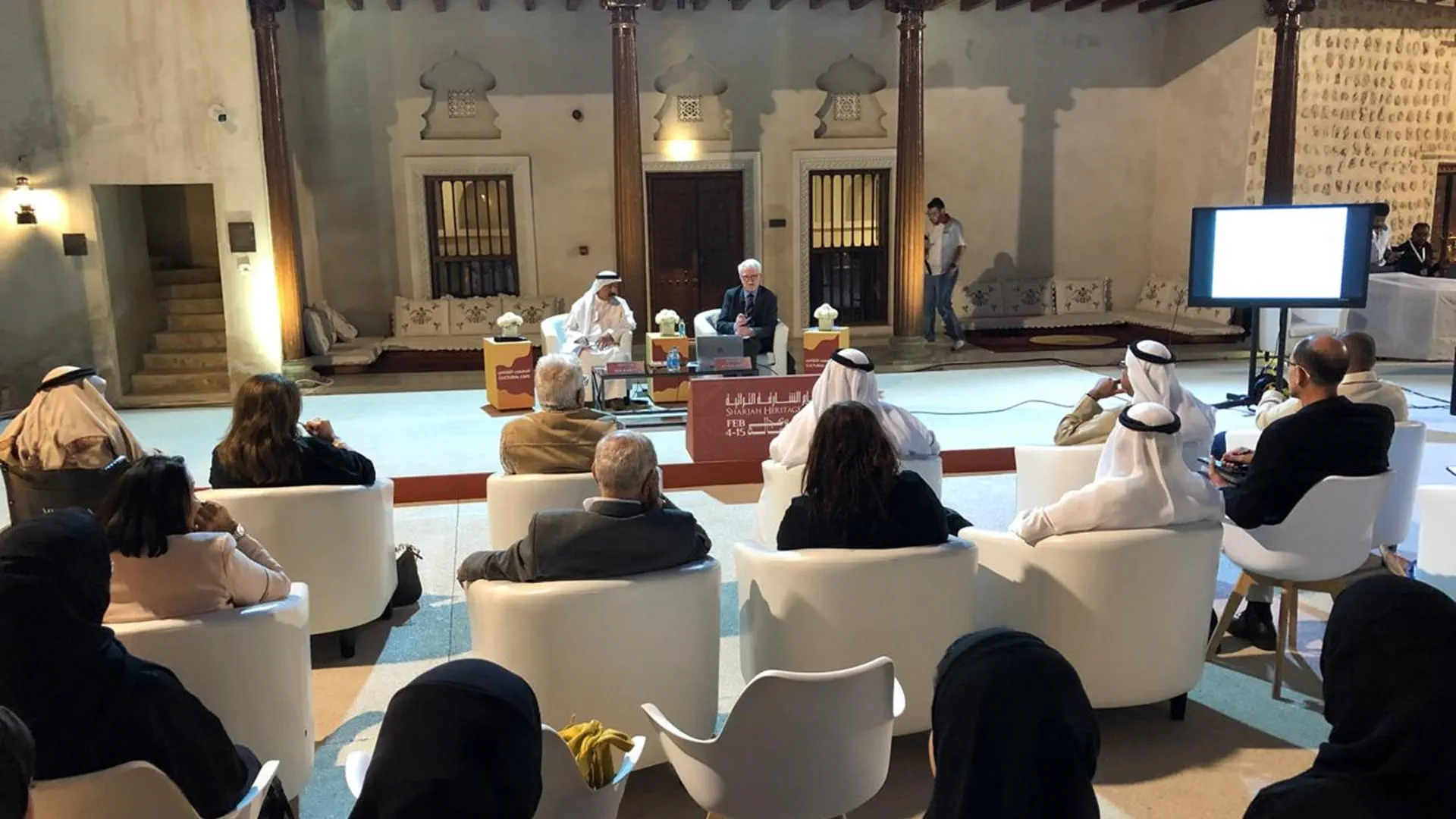
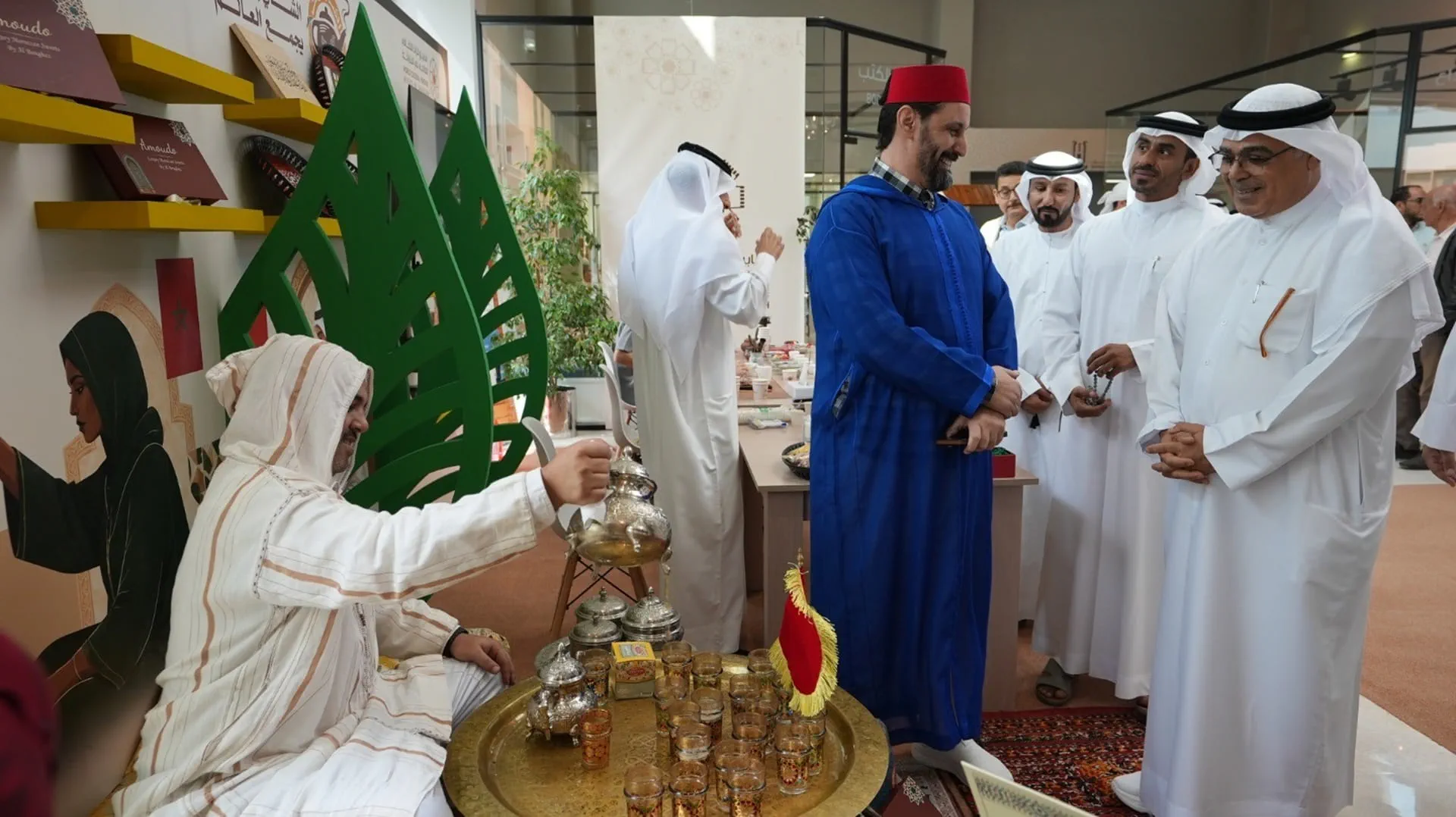
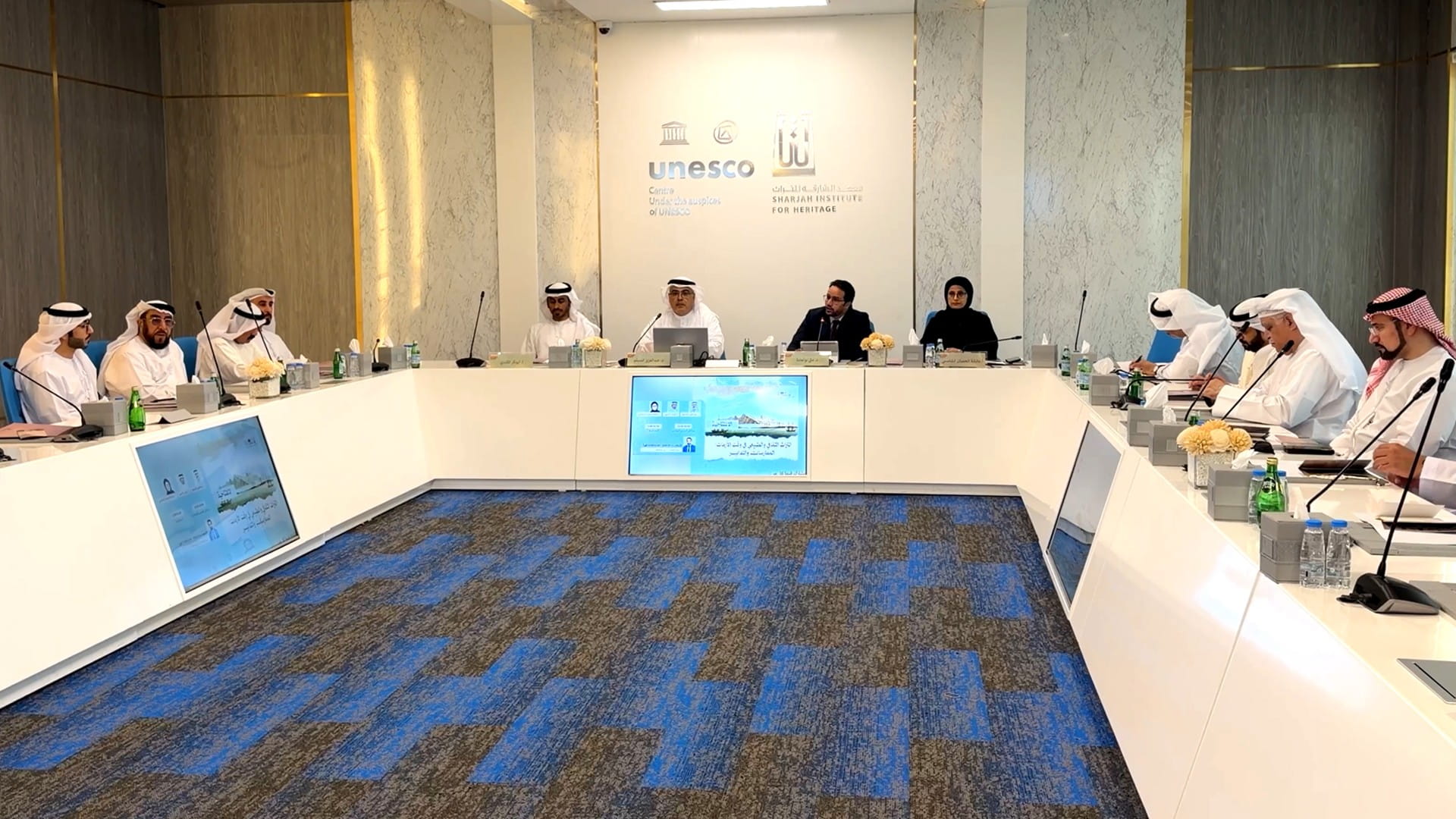
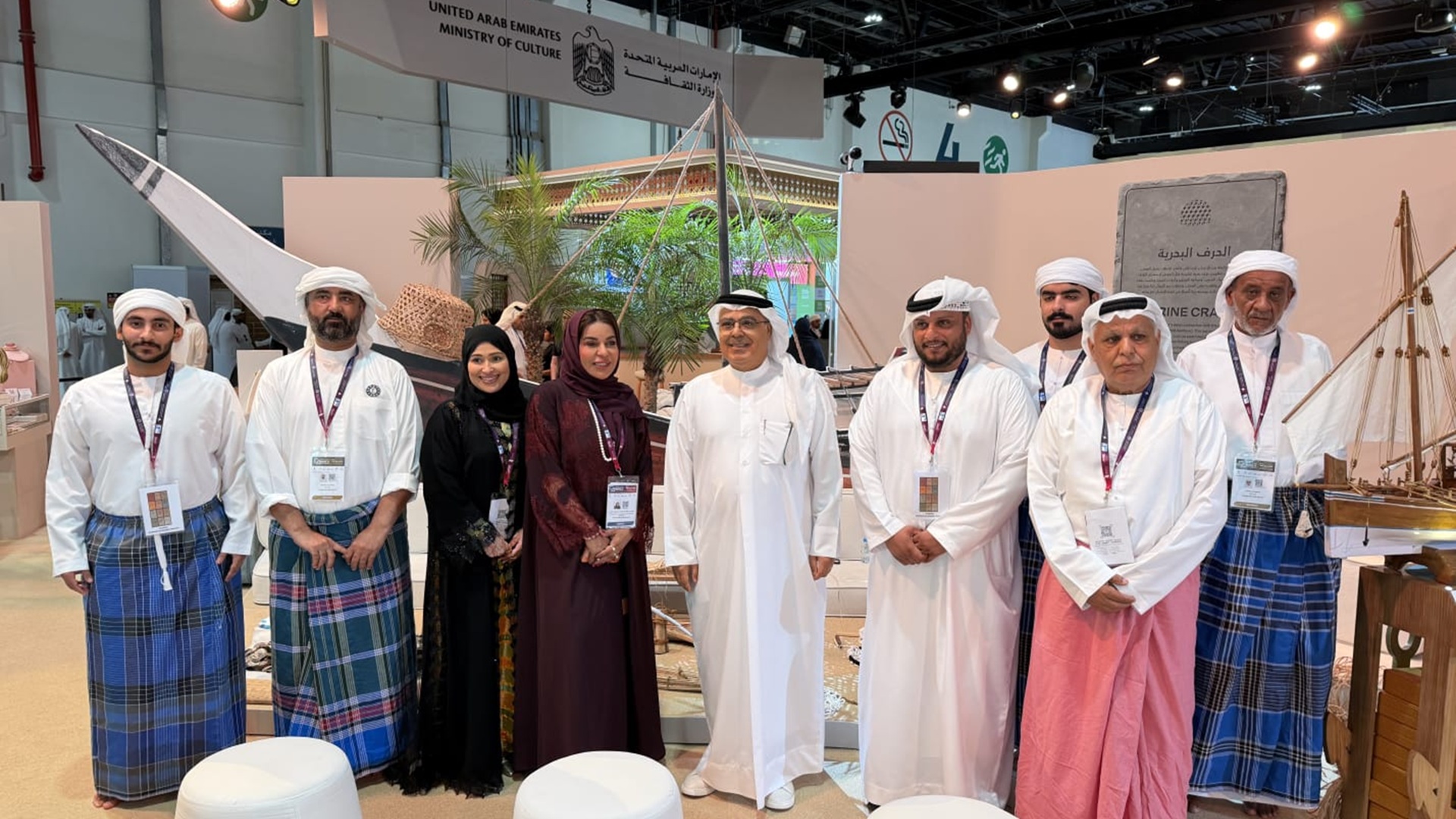
With strong intellectual momentum and a distinctive cultural identity, Sharjah Heritage Days inaugurated the “Guide Me to the Market” forum on its second day. The opening seminar explored markets, trade, and commercial terminology in ancient Semitic languages. Dr Hamad bin Saray explained that the choice of this theme reflects the importance of traditional markets, including their architecture, design, shops, and patterns of supply and demand, and how they express the identity of a place for visitors.
He highlighted the value of hosting leading scholars in ancient languages, including Professor John Healey, who presented an academic reading of the presence of markets in ancient civilisations and the vocabulary of buying and selling in Semitic languages. He reviewed linguistic evidence and historical texts that demonstrate commercial activity in ancient cities and the development of trade terminology over time.
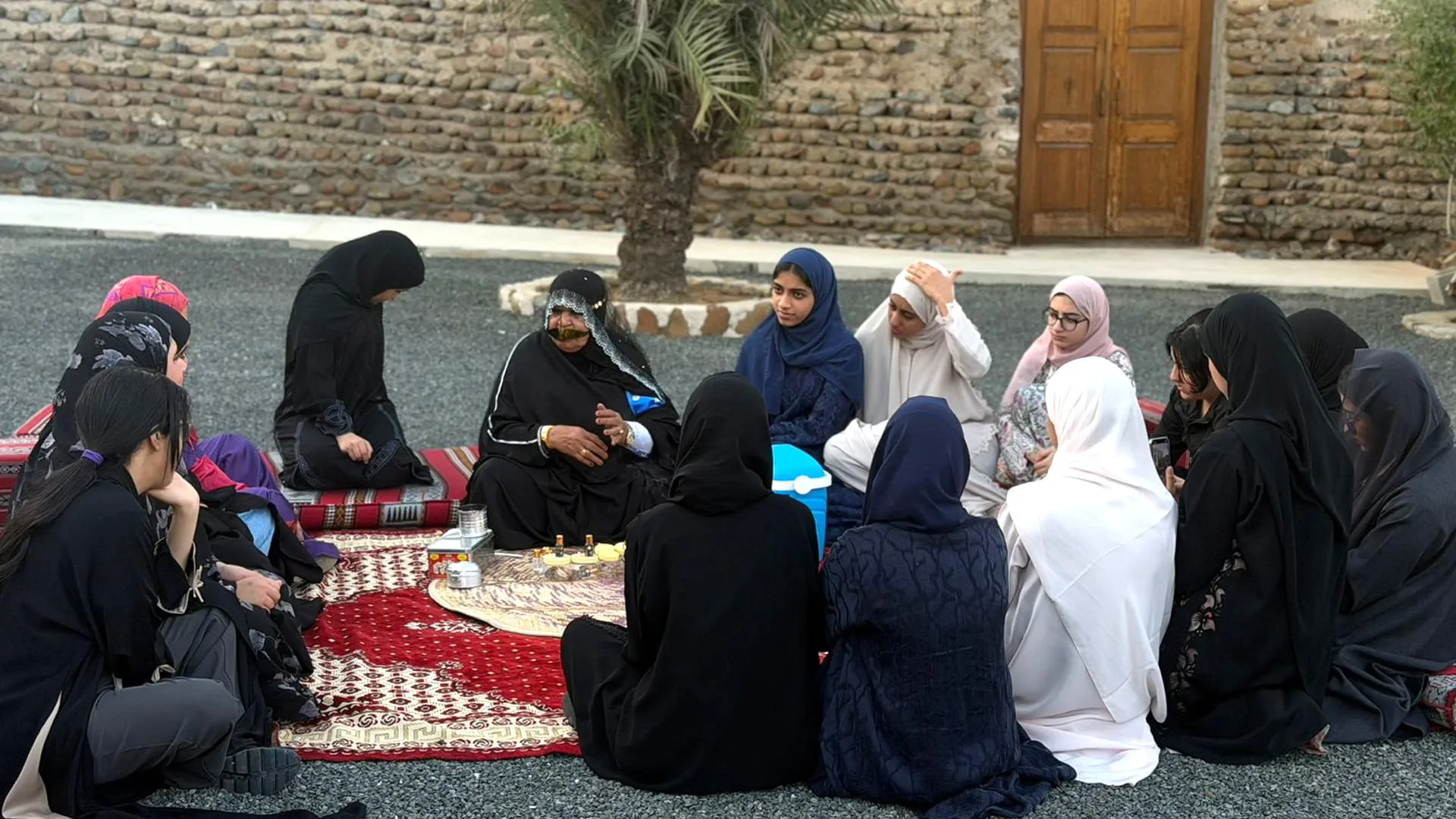
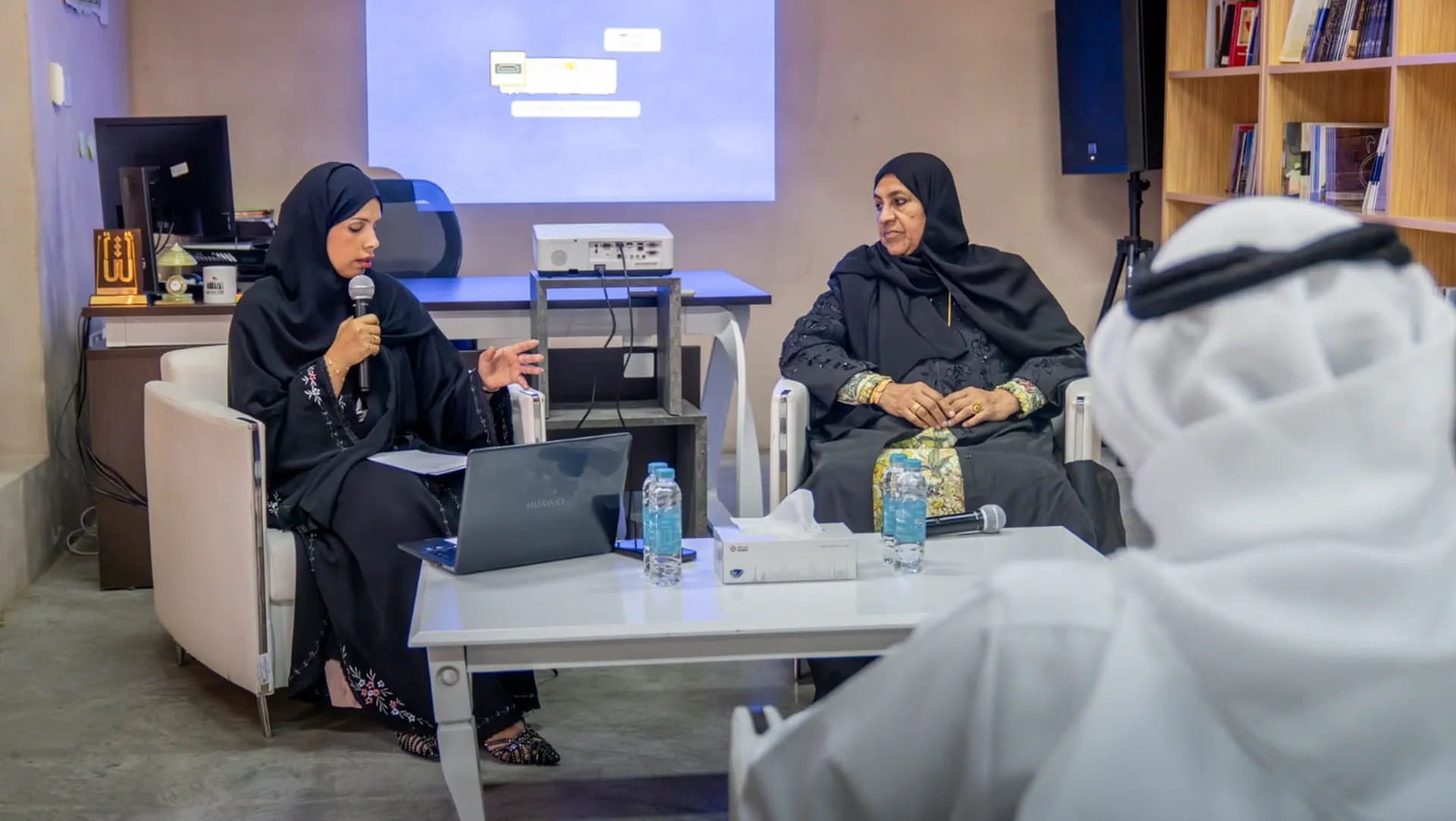
Alongside the forum, the Arab Heritage Centre hosted a seminar titled “Arabic kohl: knowledge, skills, and practices”. Traditional tools used in the preparation and application of kohl were displayed, including protective cases, stones, applicators, and containers.
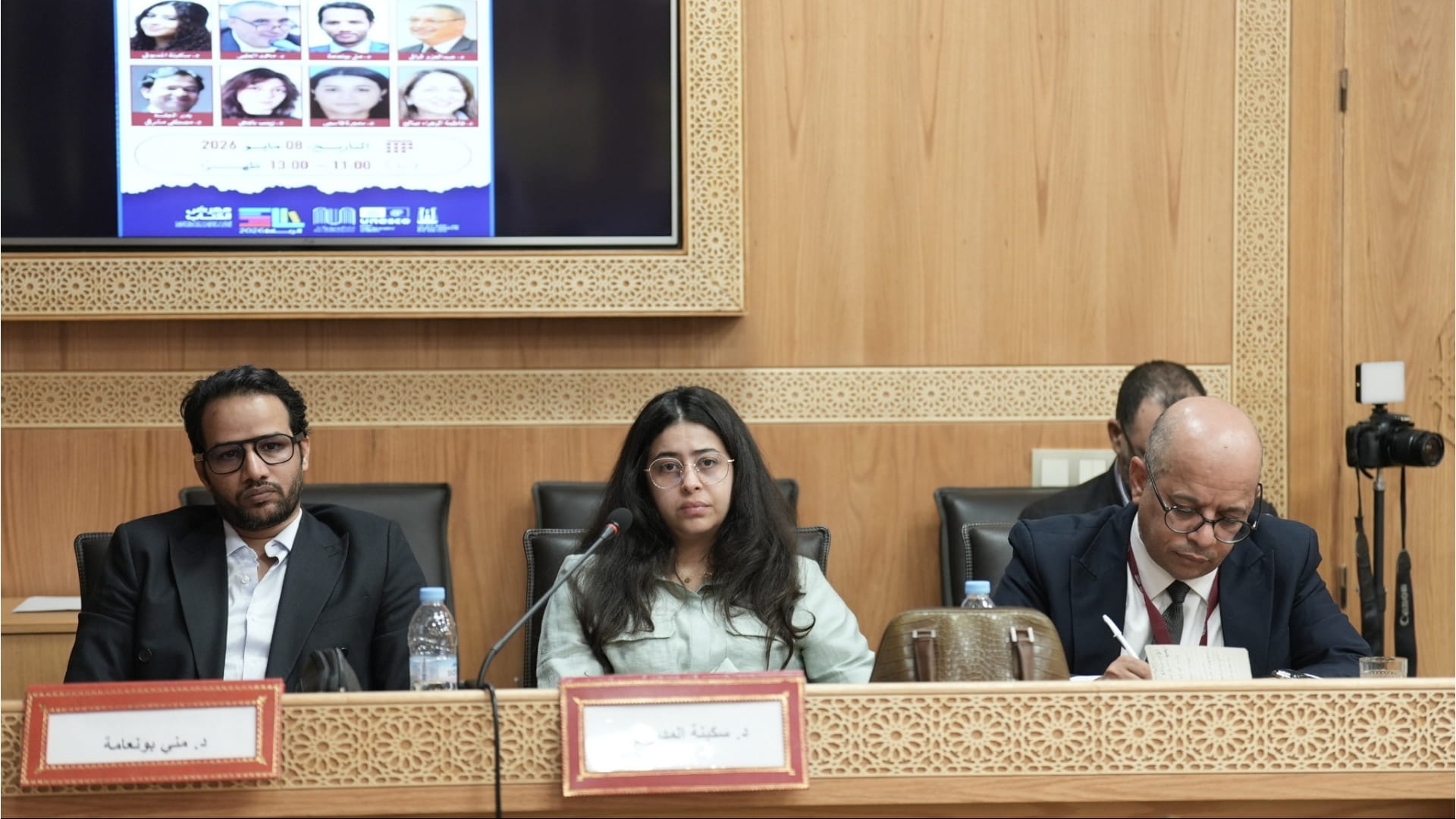
Dr Moza Al Nuaimi, heritage file coordinator at the Department of Culture and Tourism – Abu Dhabi, spoke about the kohl file as a shared Arab heritage element. She outlined efforts to prepare the scientific documentation submitted to UNESCO for its inscription on the lists of cultural heritage.
She noted the diversity of kohl materials and methods of use among men and women, as well as its significance as a heritage element linked to adornment and eye care. She also referred to its historical use in ancient civilisations. Dr Al Nuaimi discussed the stages and requirements of preparing the kohl file for international registration, stressing that safeguarding heritage does not end with registration but requires continuous efforts for preservation and protection.
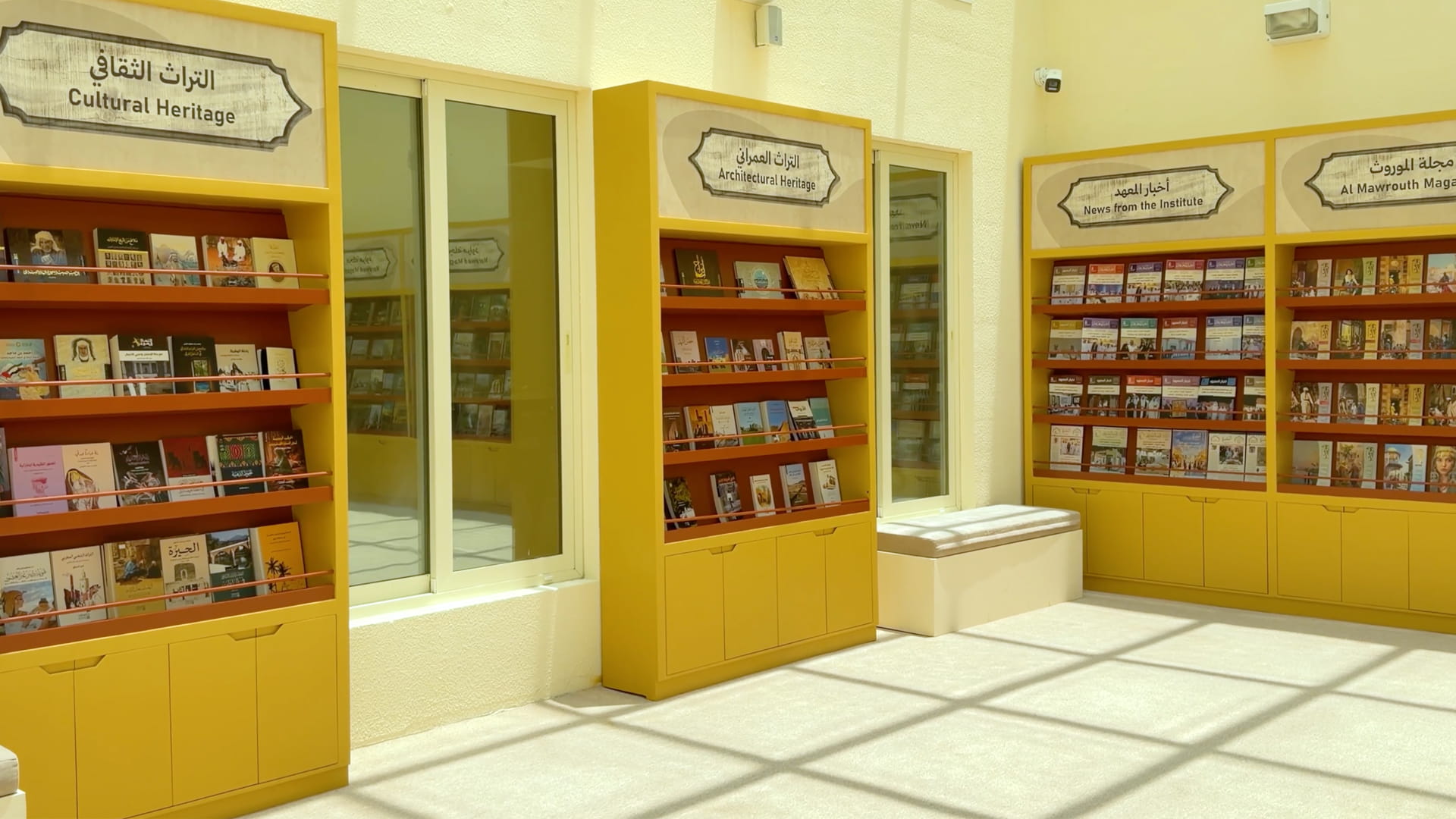
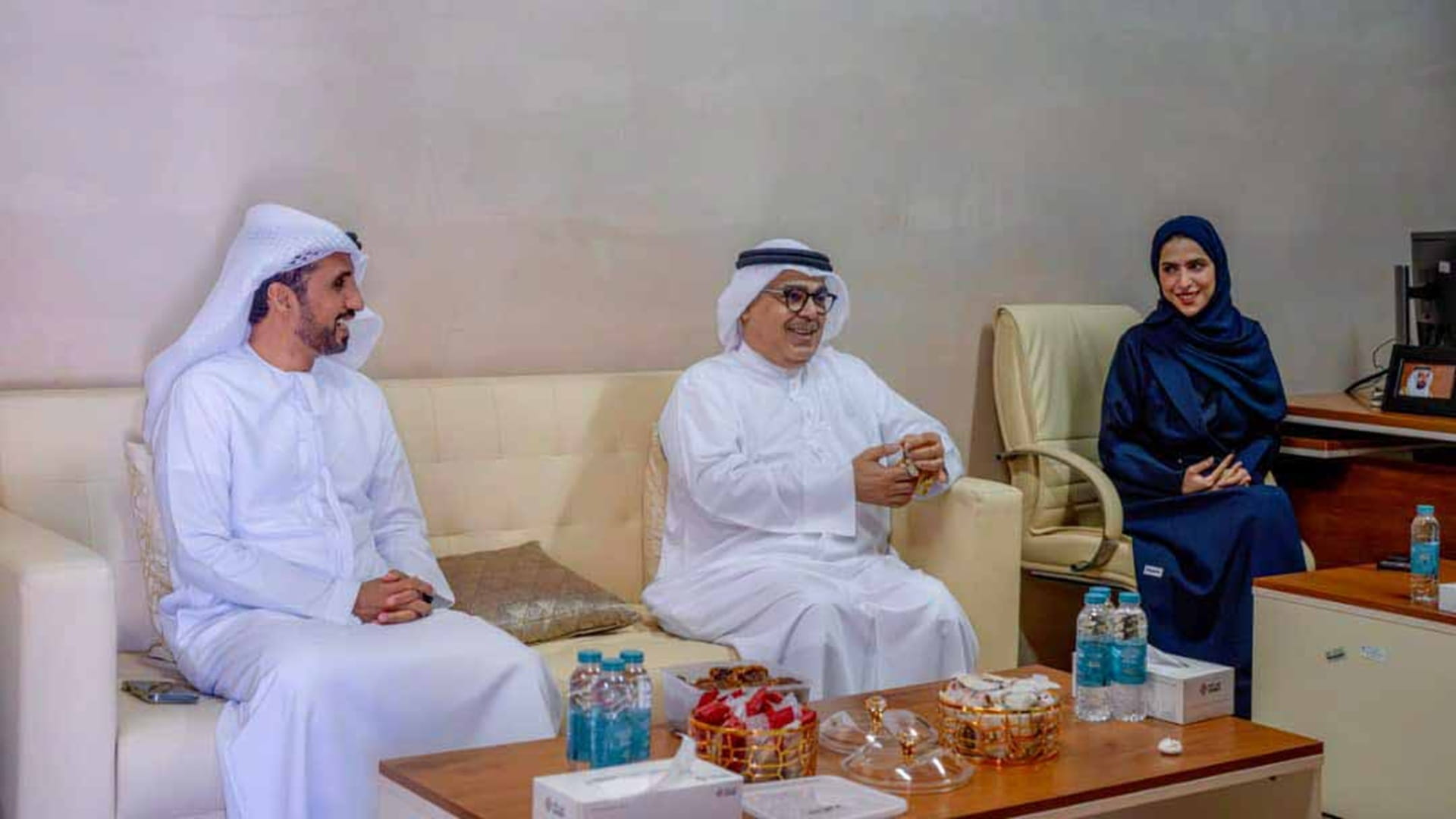
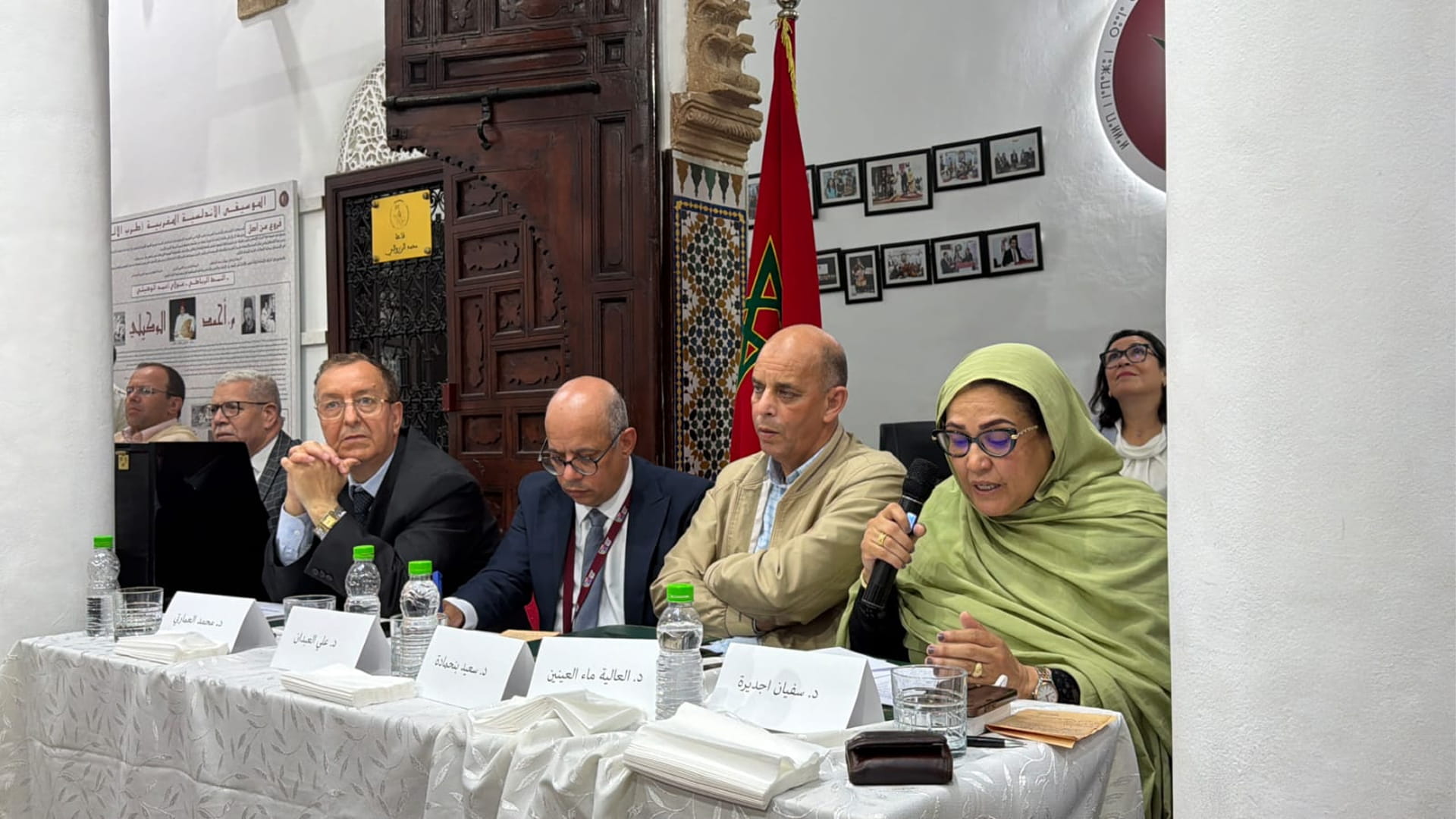
Participants in both seminars emphasised the importance of studying popular and economic heritage, whether by tracing the history of markets and their terminology or by documenting heritage elements linked to daily life. They noted that such efforts contribute to strengthening cultural identity, safeguarding intangible cultural heritage, and passing it on to future generations.

 For an optimal experience, please
rotate your device to portrait mode.