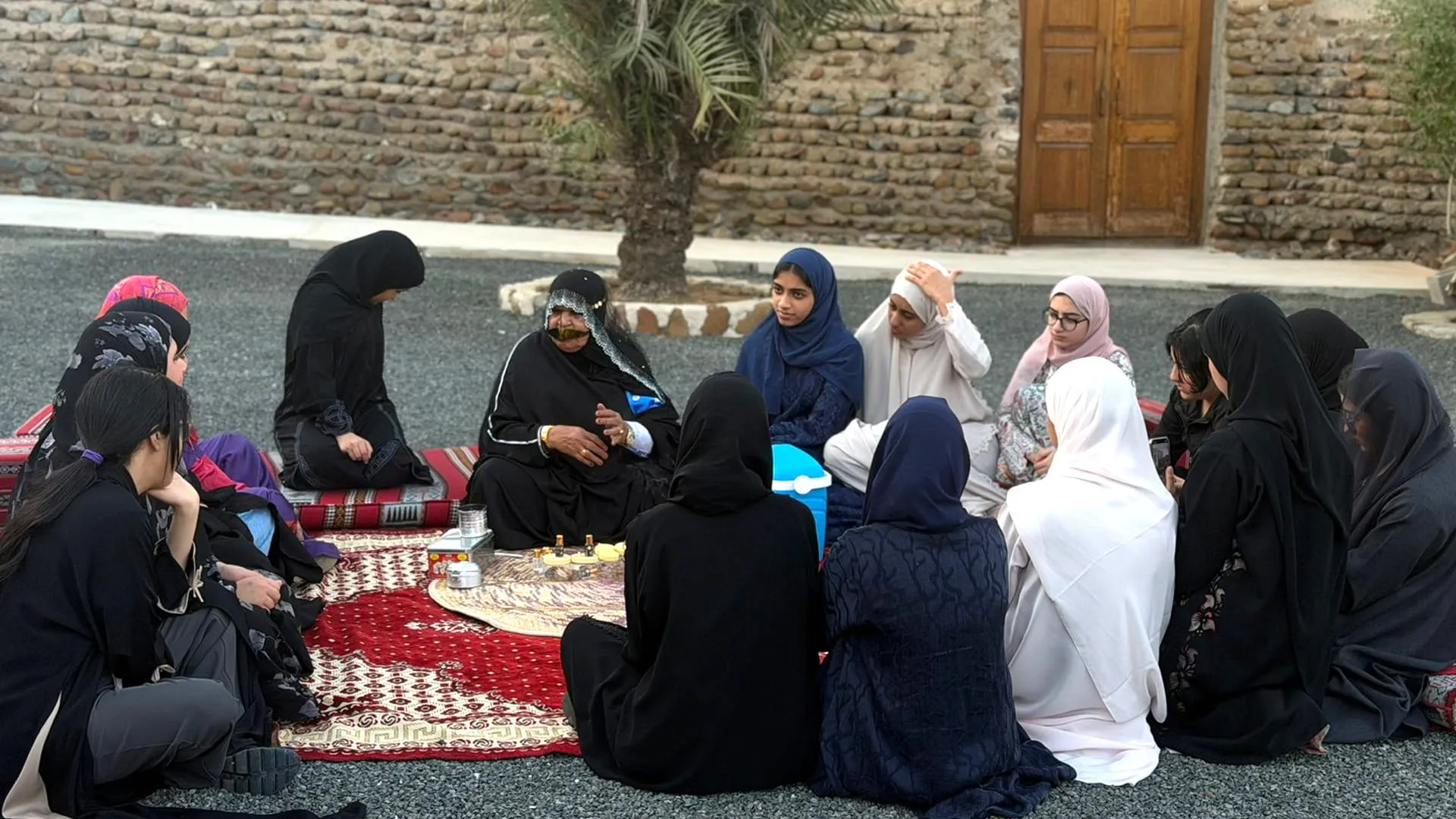
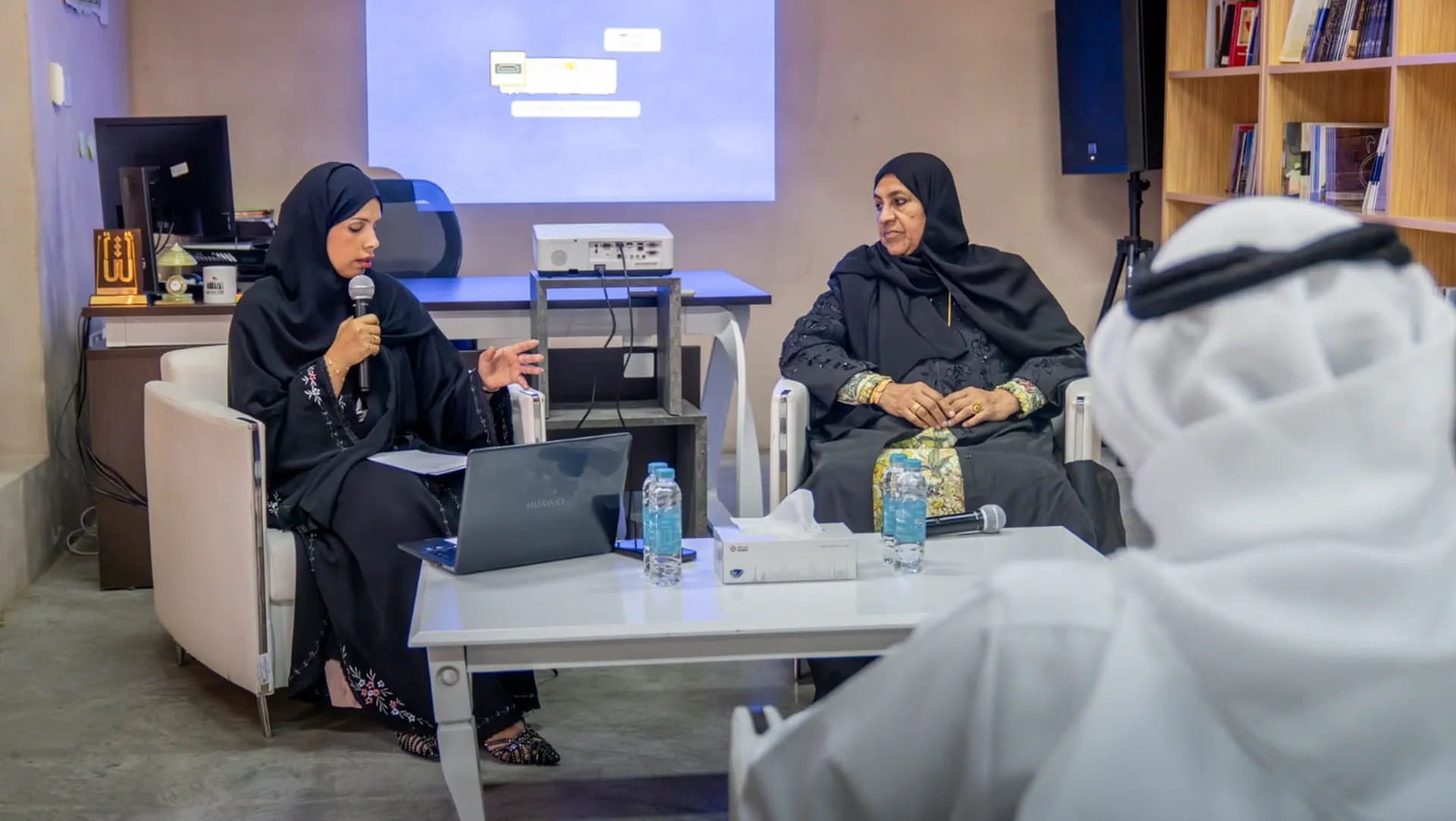
Sharjah24: The Sharjah Institute for Heritage (SIH) organised a specialised heritage workshop, “Kohl Making”, for members of Sajaya Young Ladies of Sharjah, as part of its ongoing efforts to raise awareness of folk heritage and connect younger generations with authentic traditions and customs through interactive educational programmes.
The workshop was hosted by the Khorfakkan branch of the Sharjah Institute for Heritage in Khorfakkan's heritage area.
Participants learned about traditional methods of producing kohl, the natural materials used in its preparation, its therapeutic benefits for the eyes, the tools used for storing it, and the suitable duration for its use after production.
Abdullah Mohammed Salem Al Naqbi, Director of the Sharjah Institute for Heritage – Khorfakkan Branch, said the workshop is part of the institute’s efforts to preserve folk heritage and to introduce younger generations to traditional professions and customs associated with Emirati society in the past.
He noted that kohl is considered one of the authentic heritage elements, carrying cultural, aesthetic and health-related significance passed down through generations.
Al Naqbi added that the workshop gave participants a practical opportunity to learn about the stages of kohl production and the natural ingredients involved, while also exploring artefacts and traditional tools displayed in museums and craft houses that document aspects of historical daily life.
The event also featured an introductory tour of several museums, heritage corners and craft houses, where participants viewed artefacts and traditional tools that reflect the lives of ancestors and the region's rich history.
Participants expressed strong engagement with the workshop and praised the information and hands-on experiences it offered, which allowed them to closely explore one of the region’s authentic folk traditions.
They also commended the Sharjah Institute for Heritage for its efforts to preserve heritage and introduce younger generations to museums and heritage houses filled with artefacts that reflect the depth of the region’s history and cultural identity.




 For an optimal experience, please


.jpg?h=1080&w=1920&hash=4C410BAD7F439FE4468B2F658EE9AB8C)