
Loading...
Loading...

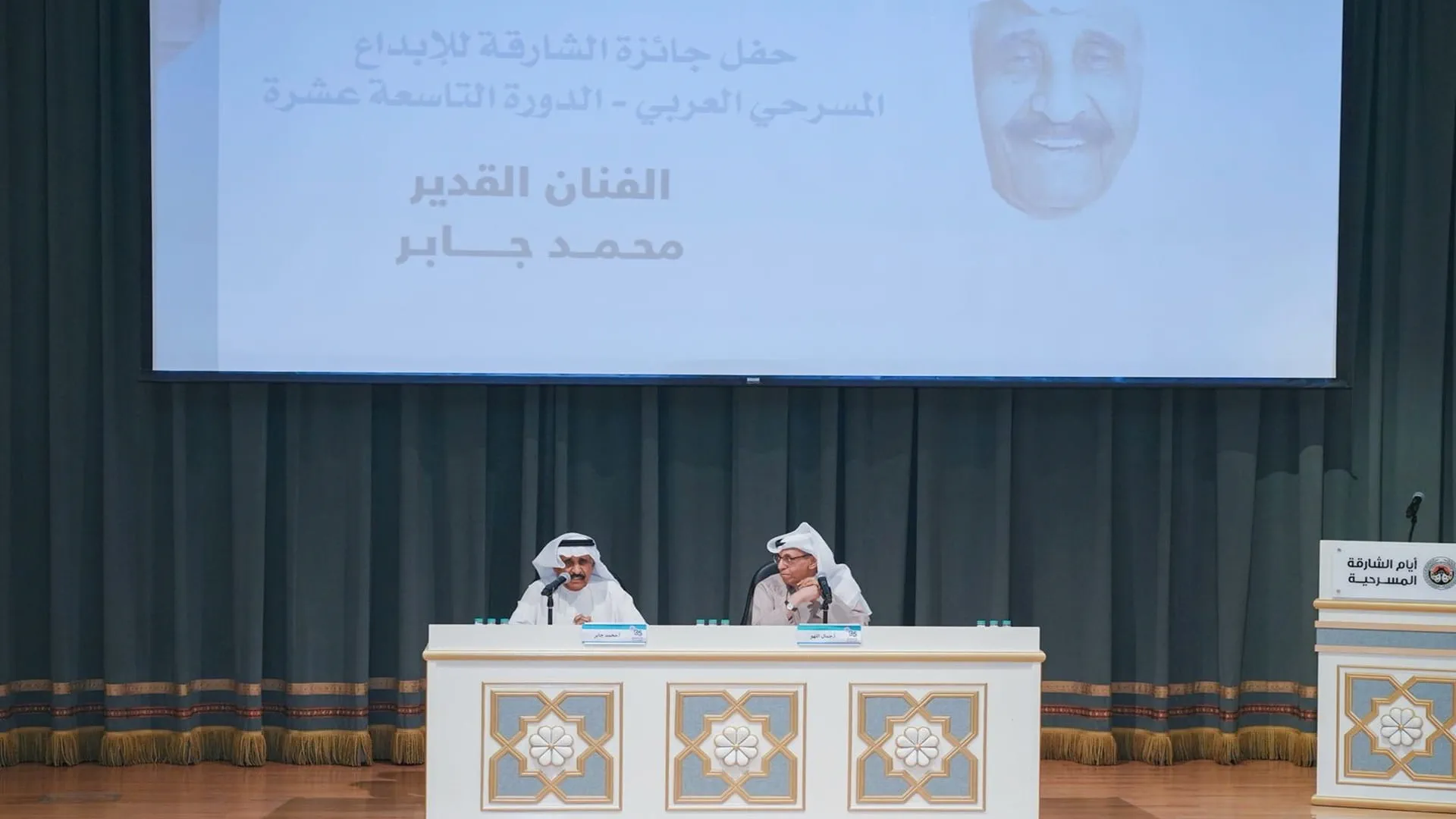
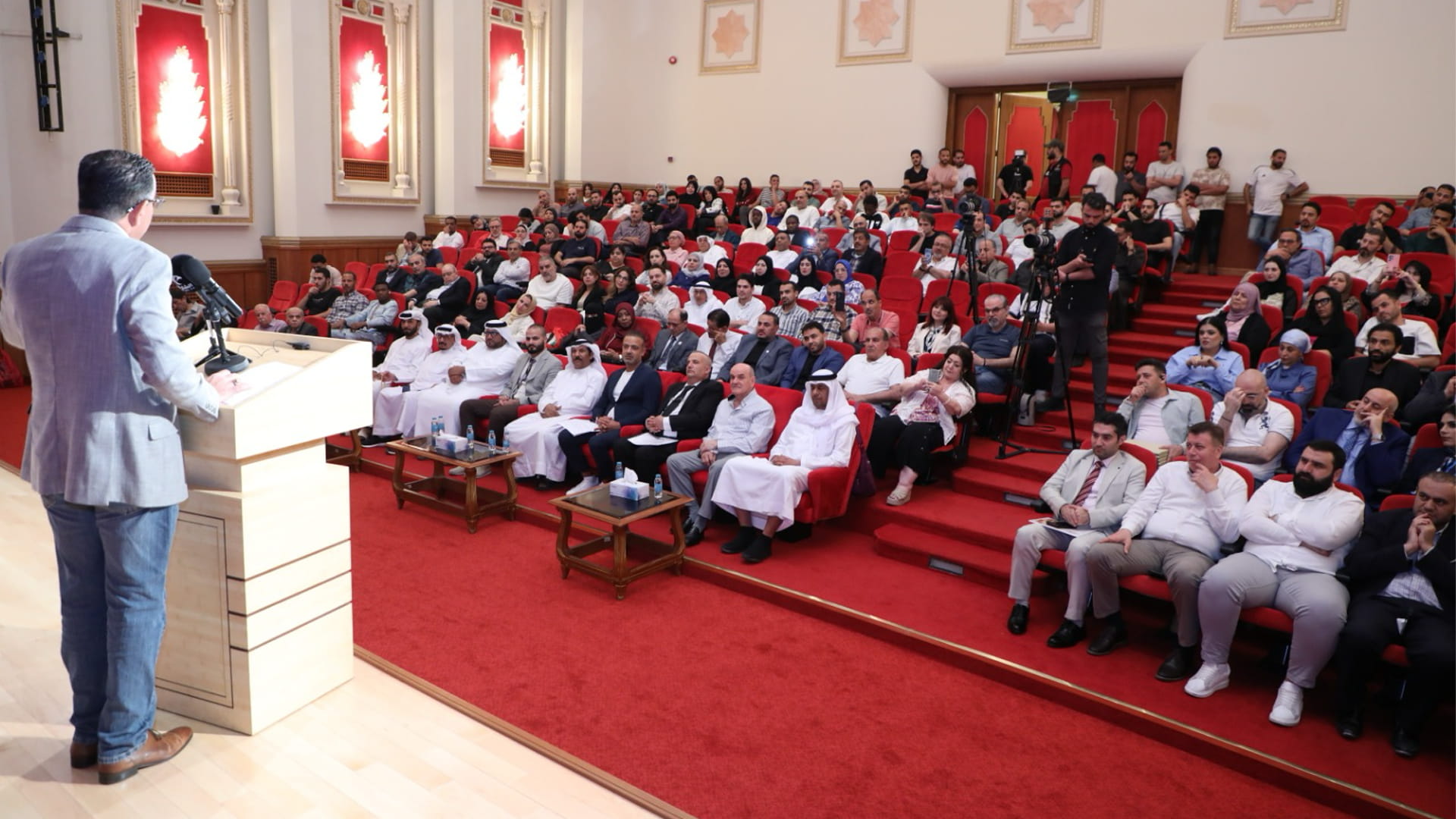
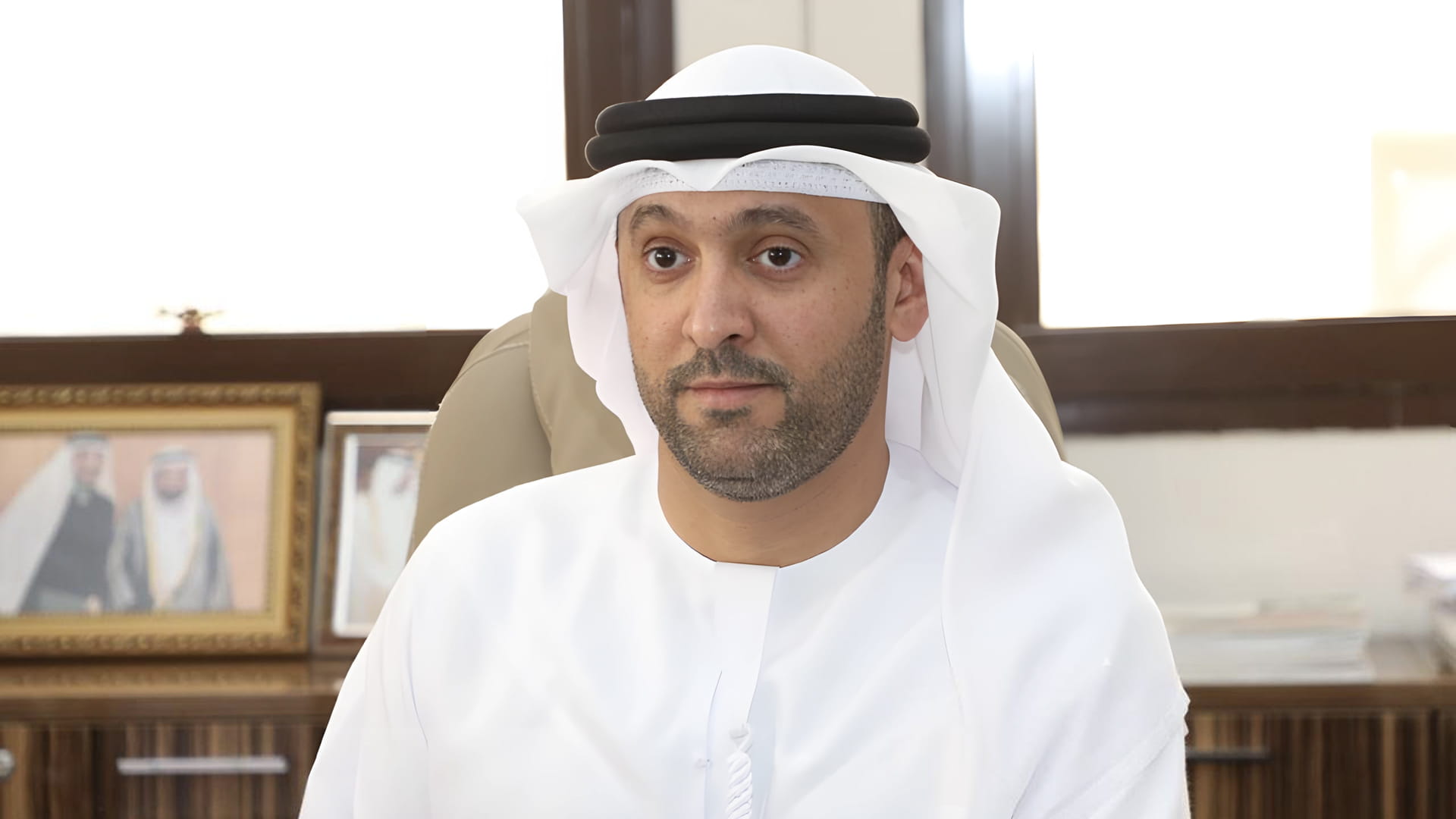
The session took place with the chairman of the Sharjah National Theatre, Ahmed Bourahima, at the Sharjah Department of Culture, attended by a large number of theatre artists, attracting a notable gathering of practitioners from across the region. The discussion covered significant moments from Jaber's extensive career, with the actor being honest about his early years and the factors that shaped his journey.
At the beginning of his remarks, Jaber conveyed his sincere gratitude to His Highness the Ruler of Sharjah for his ongoing support of theatre and theatre practitioners.
He said he started his theatre journey at 17, working as a prompter with the Mohammed Al Nashmi troupe. A few years later, he found himself working closely with Egyptian director Dr Zaki Tulaimat, who arrived in Kuwait in 1961 and had a significant influence on his career.
Looking back, Jaber described that period as one that shaped both his work and outlook. He recalled an incident where Tulaimat asked him to leave the stage after a disagreement over direction, only for him to return the next day and apologise in front of the group. It was, he said, a moment that stayed with him.
He also discussed the early days of theatre in Kuwait, including the establishment of a training centre in the mid-1960s when the scene was still developing. Jaber mentioned that Tulaimat valued an artist’s connection with audiences more than formal qualifications.
During the discussion, he revisited the creation of his well-known character, “Al-Aidrosi”, which he developed himself. The role achieved widespread popularity, standing out for its honesty and emotional depth, and it remains one of the most recognised figures in Gulf comedic theatre.
We also discussed the early theatre movement in Kuwait and the work of its first troupes before large productions became popular.
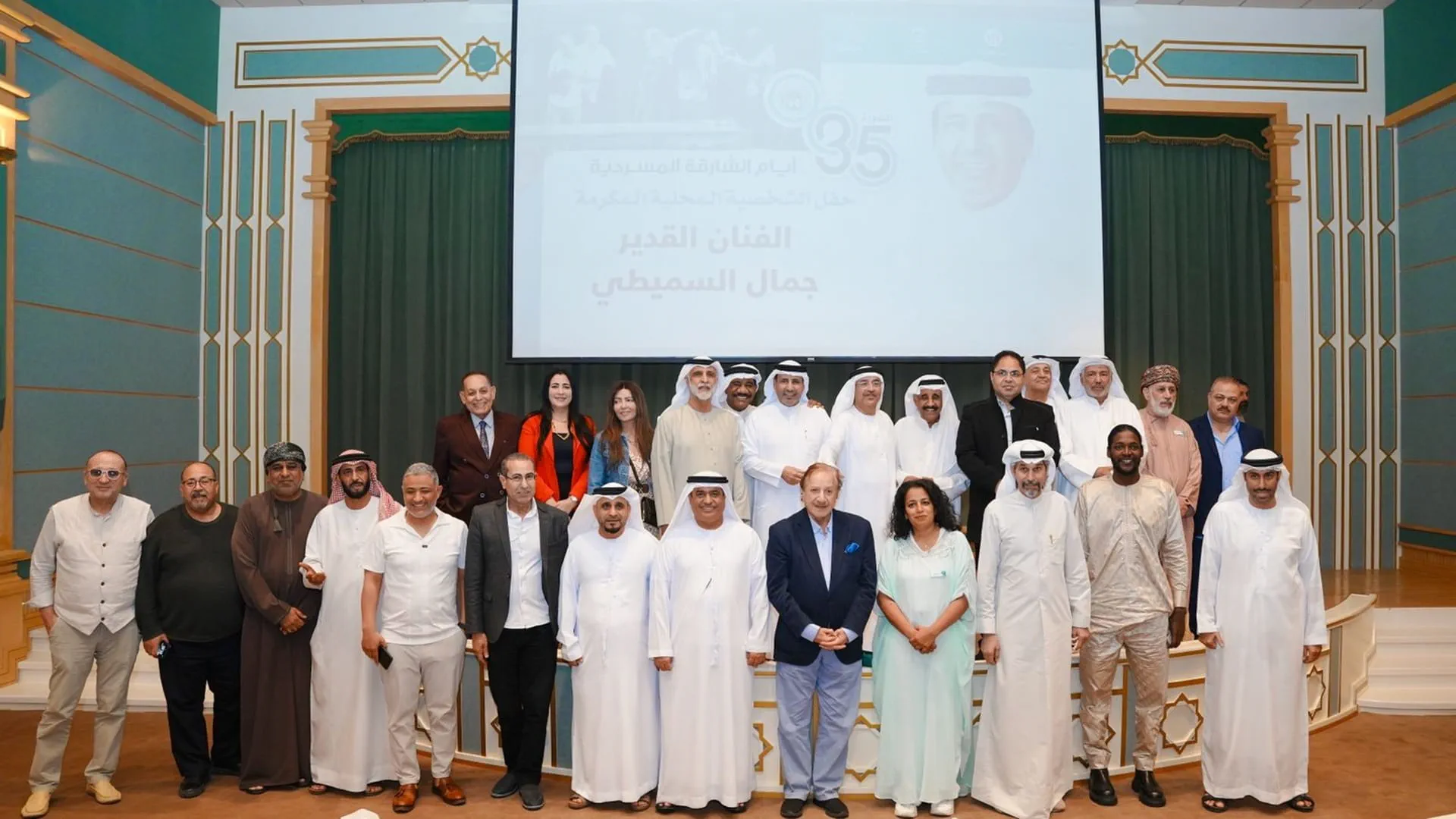
Several prominent artists, including Mohammed Al Mansour, Jassim Al Nabhan, Habib Ghuloom, and others, paid tribute to Jaber, commending his contributions to both the stage and television. They stated that he developed a distinctive style of performance that was popular throughout the Gulf for many years.
To mark the occasion, the festival also launched a commemorative book by critic Abdul Sattar Naji, chronicling Jaber’s life and career. The publication features an in-depth interview, along with testimonies from colleagues across the Arab world, as well as archival material and photographs reflecting the extent of his artistic journey.

 For an optimal experience, please
rotate your device to portrait mode.