
Loading...
Loading...

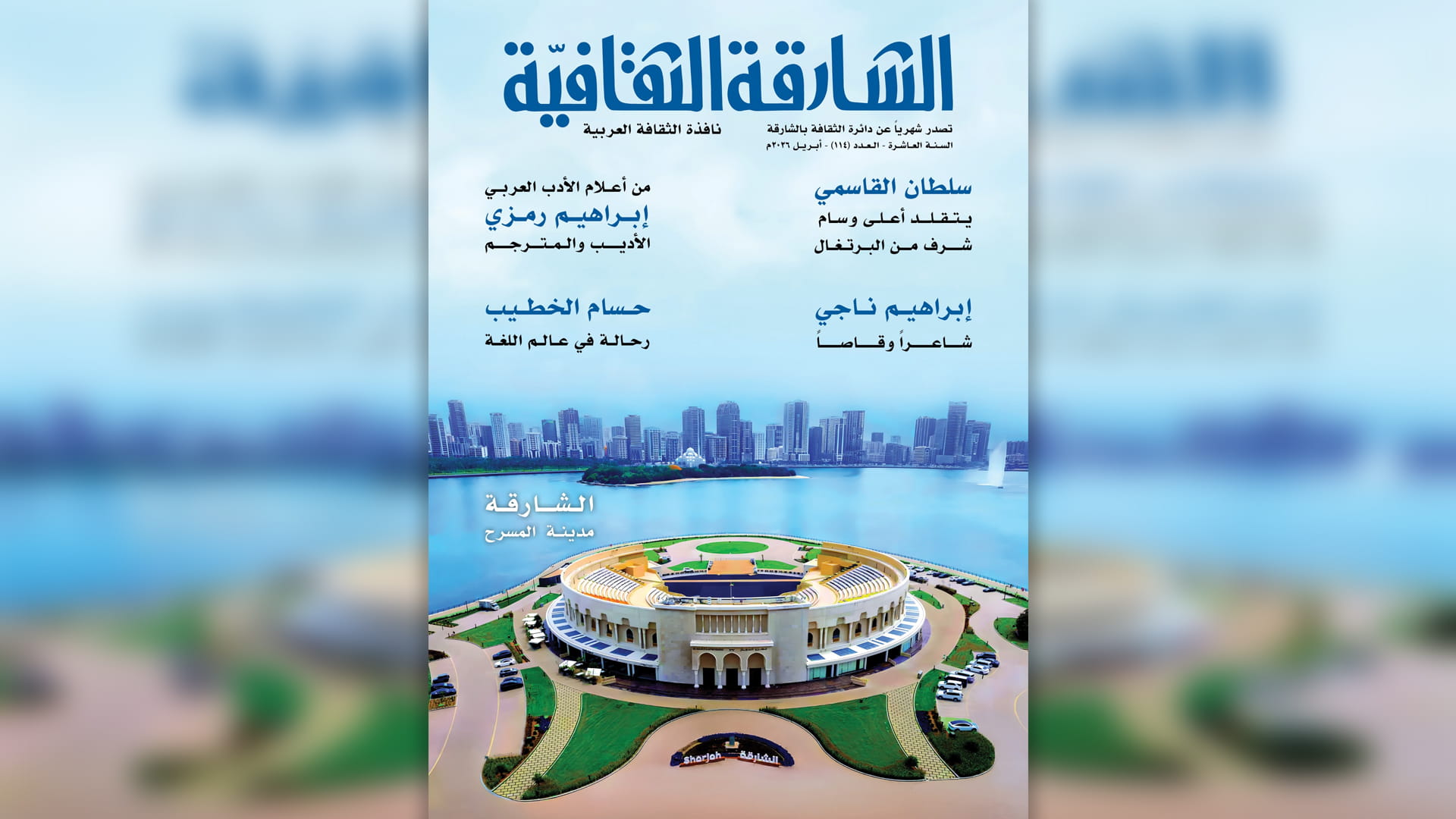
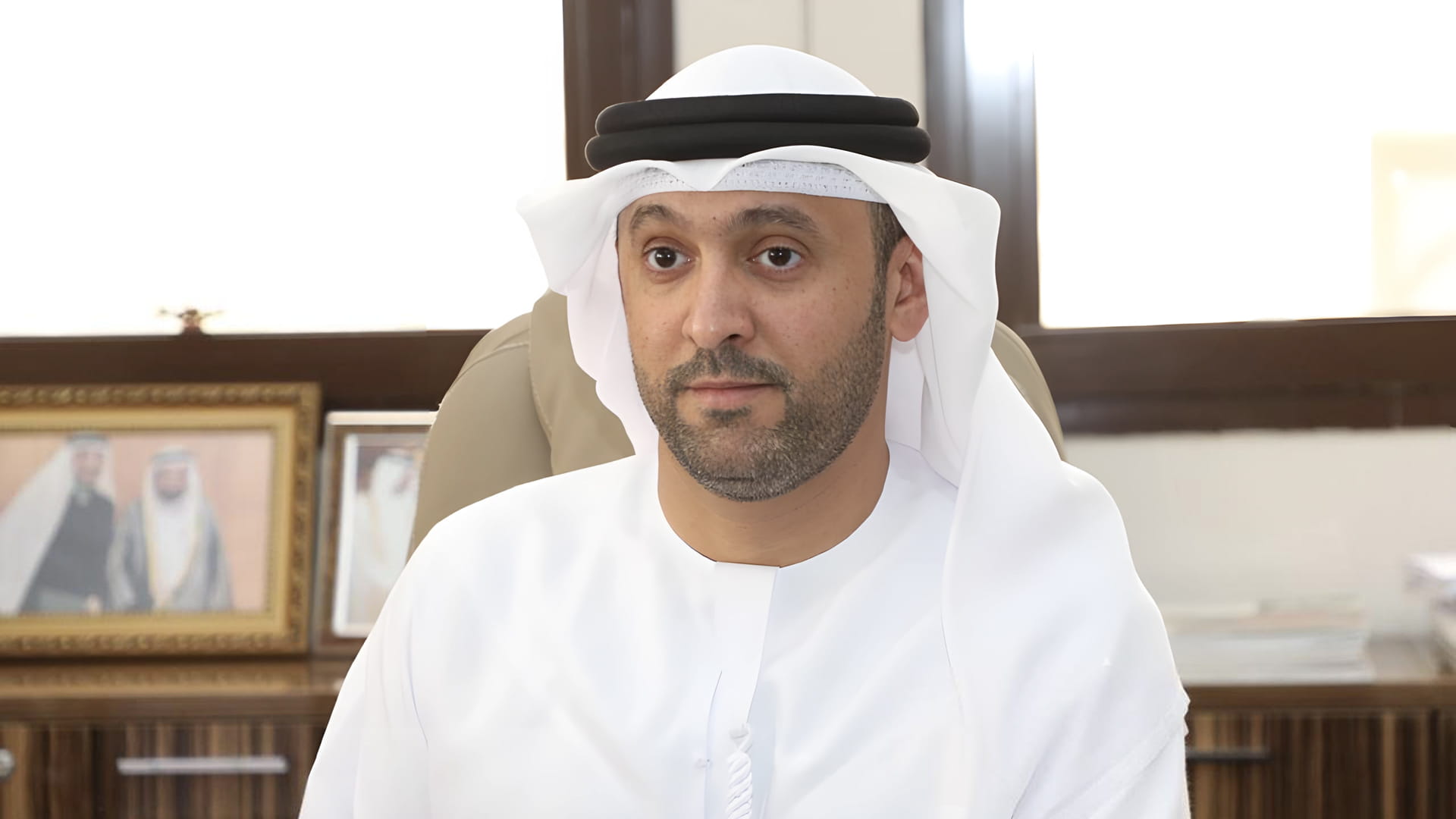
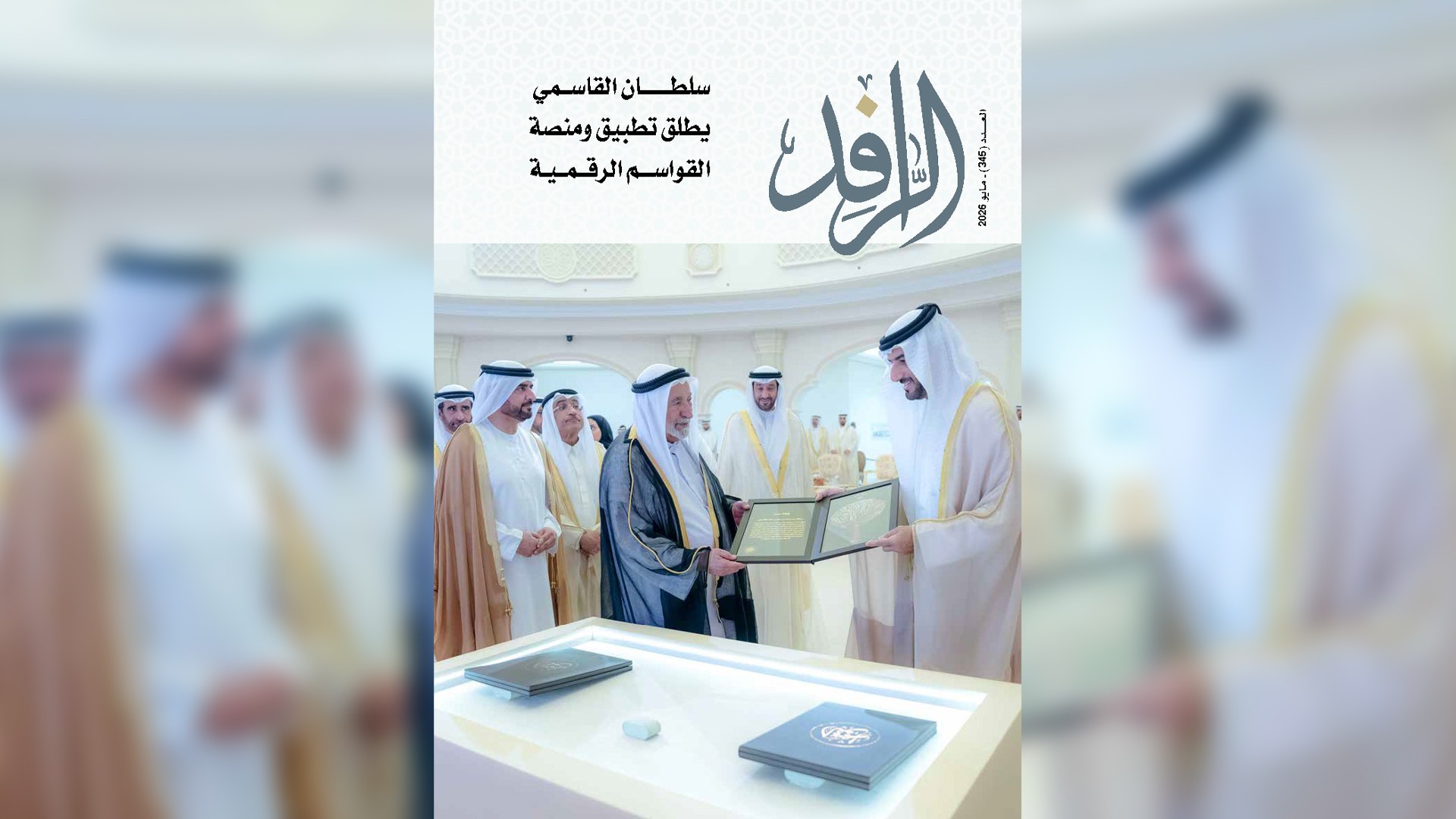
Meanwhile, editor-in-chief Nawaf Younis traced in his article the journey of cultural magazines in the Arab world, which contributed since the early twentieth century up to the 1960s and 1970s in overcoming geographical barriers and building bridges of intellectual and literary communication among members of the same homeland. They formed a driving force for the development of awareness and the cultural and social renaissance witnessed amid the transformations and changes experienced by Arab society throughout the twentieth century. As a generation living this journey, and as writers and journalists, we were able to participate in this journey, starting from publishing our literary works, working in these magazines and editing them, or shaping their vision, identity, and present and future plans.
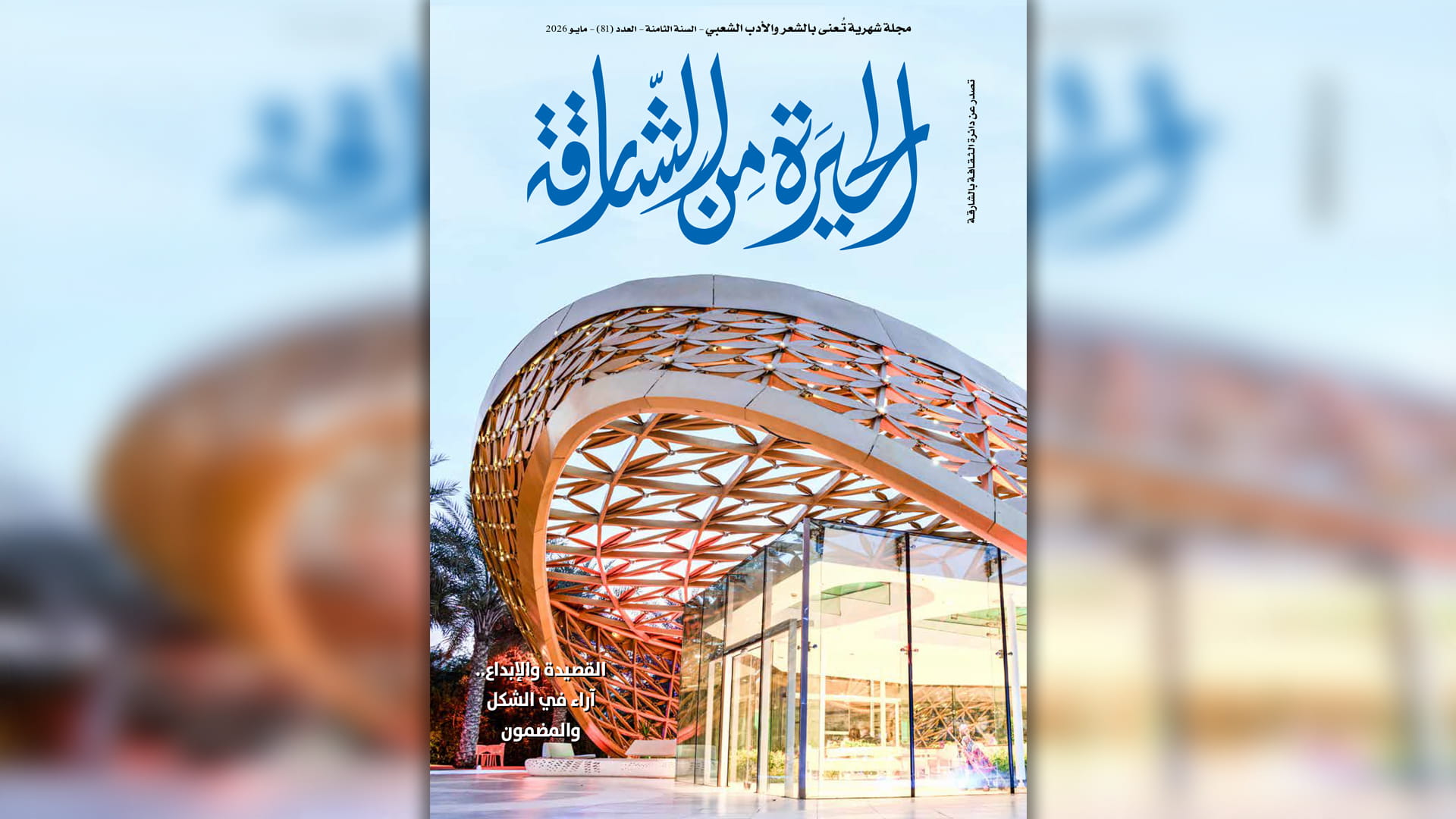
In the issue details, Ayman Abdul Samie wrote about the writer and translator Ibrahim Ramzi, who contributed to the renaissance of Arab culture, while Dr. Saleh Huwaidi presented an intervention on Naguib Mahfouz and the specificity of critical discourse. Meanwhile, both Magdy Mahfouz and Hisham Azkid offered a comprehensive panorama of Sharjah city, which carries a historical majesty, and Khaled Awad Al-Ahmad highlighted the history of the city of Manbij, one of the most prominent cities of the Levant.
In the “Literature and Writers” section, Abdel Alim Haris followed the events of the honouring and awarding of His Highness Sheikh Dr Sultan bin Mohammed Al Qasimi, Supreme Council Member and Ruler of Sharjah with Portugal’s highest honour in recognition of his cultural and intellectual efforts. Khalaf Abu Zaid read the biography of the poet and short story writer Ibrahim Naji, one of the pioneers of the “Apollo” school. Dr. Bahija Edlibi wrote about Hussam Al-Khatib, who presented an encyclopedic critical and cognitive achievement. Alaa Abdelhadi traced the career of Ibrahim Nasrallah, whose unique literary richness is evident. Dr. Majd Haidar focused on the writings of Antonio Tabucchi and his search for lost time, while Rofa Omzdi wrote about Fernando Pessoa, one of Portugal’s pioneering poets who considered himself influenced by the Arab spirit.
Dr. Mohammed Hassanein interviewed the poet Rashid Issa, winner of the Sharjah Prize for Arabic Poetry. Nisreen Antonius examined the novel The Night of the Ten Years by Mohammed Saleh Al-Jabri, where the narrative touches on history beyond documentation. Ibrahim Al-Karawi offered a reading of Sih Al-Mahb by Nasser Jubran, describing it as a cry of pain. Mokhtar Issa reflected on The Last Night in the Life of Naguib Mahfouz by Ahmed Fadel Shabloul. Amal Youssef Hassan wrote about a versatile writer, Ismail Asim, the overlooked pioneer. Randa Girgis met with Tarik Sleiki, president of the Moroccan Publishers Union, who emphasised that publishing is a civilisational and national project. Ziyad Al-Rais documented the absent scholar Ta’mah Farman and his novel The Palm and the Neighbours.
Omar Ibrahim Mohammed highlighted the journey of writer Gamal Badawi, one of the knights of Egyptian journalism, and interviewed Mufid Issa Ahmed, who stated that true creativity has no permanence. Lamis Fahd Bilal noted that Mohammed Rabie Hammad depicts his magical worlds in his collection The Last Tree. Warad Khadr wrote about Abdul Latif Mahrez, who left a rich literary legacy. Mohammed Hamouda celebrated one of the Arab émigré female writers, Afifa Karam, author of the first feminist novel. Finally, Dr. Aziz Ba’azi interviewed Iraqi critic Abdullah Ibrahim, who stated that autobiography requires honesty.
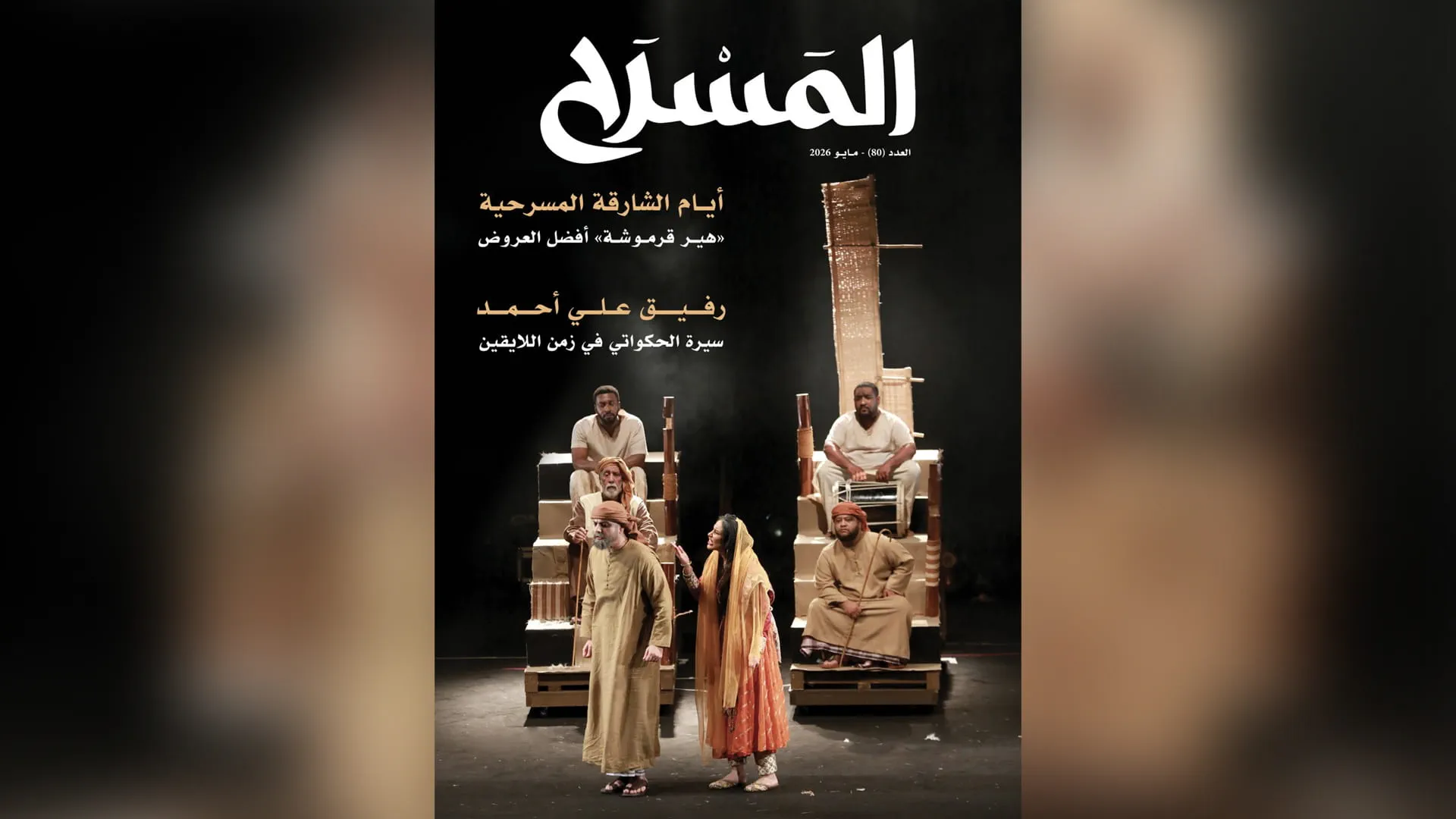
In the “Art, Theatre, and Brush” section, we read topics on visual arts, theatre, cinema, music, and drama: Muhammad Rasim, one of the pioneers of miniature art in the twentieth century (Amir Shafik Hassanein); Khaled Galal presents Sugar and Ling in Cairo (Najwa Al-Maghribi); Ahmed Al-Majid… found the way to theatrical amazement (Omar Al-Tahami); Ziad Al-Rahbani… his words and melodies remain vibrant in memory (Ghanwa Abbas); the art of flamenco… an Andalusian collective memory (Hassan M. Youssef); The Secret Agent, a film nominated for four awards (Osama Asal).
In the “Under the Spotlight” section, readings and publications include: Tawfiq Al-Hakim, a unique blend of symbolism and realism (Nadia Omar); engineering meaning and the chemistry of letters in Al-Mutanabbi’s texts (Amani Ibrahim Yassin); Dhafer Galood… theatre in the UAE between idea and spectacle (Raya Al-Ajji); Arabic poetry… a reading of shape and meaning trajectories (Dr. Mariam Aghris); the poetry of letters and the art of Arabic calligraphy (Abrar Al-Agha); science, estrangement, and freedom (Najla Mamoun); media and defending cultural identity (Souad Saeed Nouh).
On another note, the issue contains a collection of articles: Between language and cultural content (Dr. Ahmed Saad Eldin Aita); Landmarks of Arab civilisation in Sicily (Fathi Abu Al-Majd); Washington Irving… an orientalist who loved Andalusia (Dr. Saeed Obeidi); Khairy Douma as a model for cognitive criticism (Etidal Othman); Towards a global perspective in the study of Arabic literature (Abdelnabi Astif); Literature as an inexhaustible collective memory (Dr. Asma Badr); Artistic value between poetry and prose (Hani Bakri); Questions of writing and life (Ghasan Kamel and Nous); Aesthetics of narrative in “Margins on the Memory Notebook” (Dr. Howida Saleh); Peacock of the Plains by Mohammed Abdel Maqsoud… narrative realism and unexpected endings (Youssef Ali Al-Ghadban); Idris Al-Khadrawi examines Mohammed Barada’s contributions in criticism, novels, and culture (Rashid Al-Khudairi); Time as a partner in life and suffering (Mazen Al-Alawi); Creativity and development (Prince Kamal Faraj); poet Ahmed Al-Falahi documents manuscripts of Omani poetry (Mufid Khansa); stories of Tiger’s Mark trace the darkness of intertwined worlds (Rouaa Ibrahim); Al-Muqattaf, the first Arab scientific magazine (Diaa Hamed); contemporary critical discourse… visions and approaches (Dr. Ahmed Al-Saghir); textual analysis and anticipatory critique of concepts (Dr. Hatem Al-Sakr); manifestations of Ibn Al-Talameed as a model (Dr. Ahmed Ghoutham Emmad); influence and reception of Taha Hussein in French literature (Dr. Nabil Salim); The mask and the face (Anwar Mohammed); the novel as a cradle of awareness (Mustafa Abdullah); wisdom and the content of literature (Rana Kamal Al-Asali); the poet and the moment of illumination (Mohammed Al-Sayed Salem); Island of No Return, a novel for young adults sounding the alarm (Dr. Mustafa Ghunaim); Mother: School and Culture of Life (Nisreen Zidan).
The issue also devoted space to a collection of short stories and translations by a constellation of Arab writers and creators: Safia Abdel Maqsoud Ali (Colored Waterfalls), short story writer and critic; Colored Waterfalls and the dilemmas of consumer society (Dr. Atef Al-Batros); Sheem Ahmed (Estrangement), short story; Abdel Hamid Ahmed (Morning Friend), short story; Hanaa Al-Darwish (Moaning of Longing), short story; Sharifa Badri (A Path No One Treads), short story; Ahmed Farhat (On This Land), translated poem… in addition to poetry with resonances (Abu Dahbal Al-Jumhi rides the wind of exaggeration) by Wael Al-Jashi; and Adabiyat by Fawaz Al-Sha’ar, which included the aesthetics of language, jurisprudence of language, and springs of language, alongside a reflection on grey hair and the dignity of wisdom in the poet Ghazi Mokhtar Talimat (Dr. Akram Jamil Qanbas).

 For an optimal experience, please
rotate your device to portrait mode.