
Loading...
Loading...

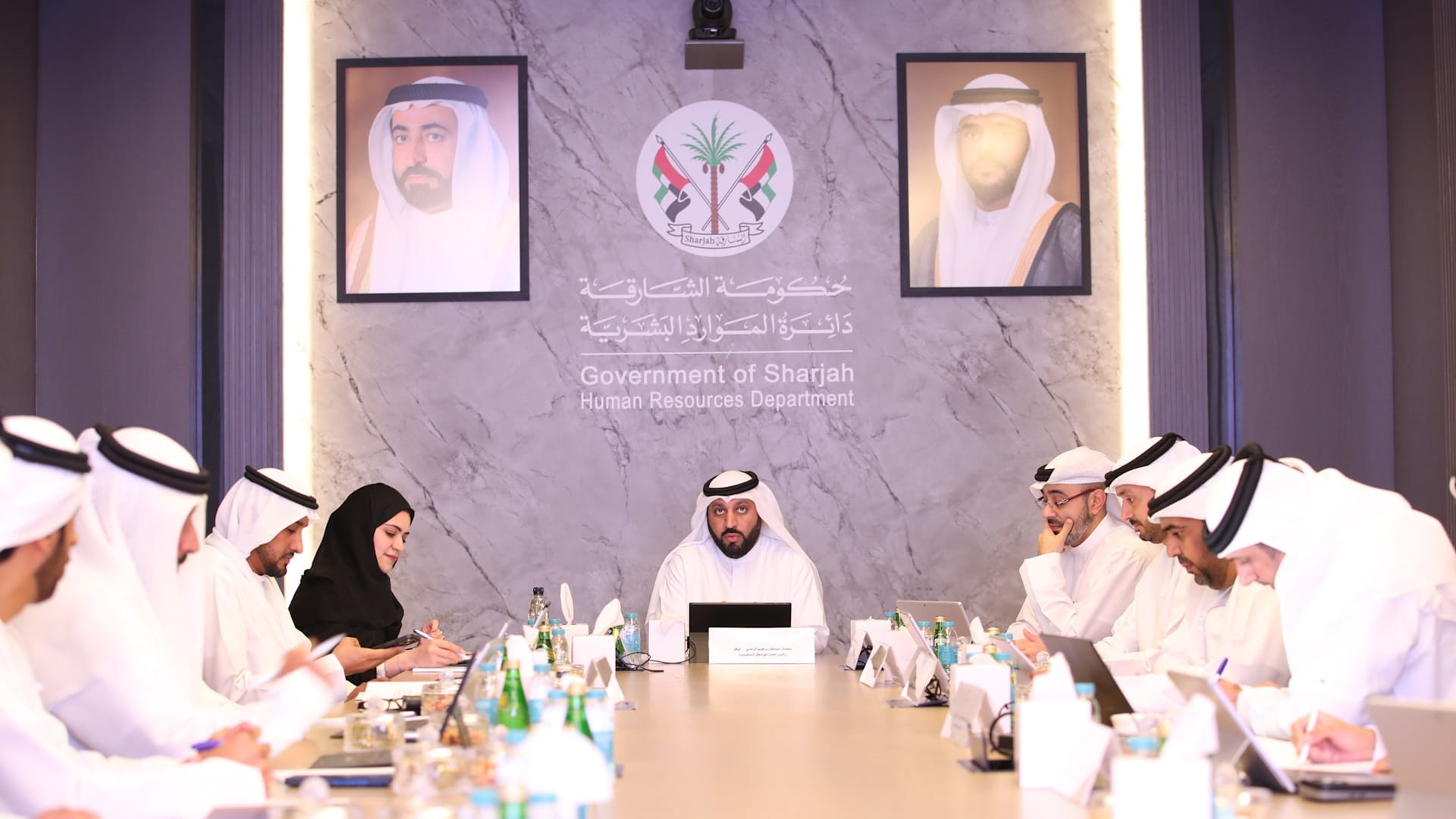
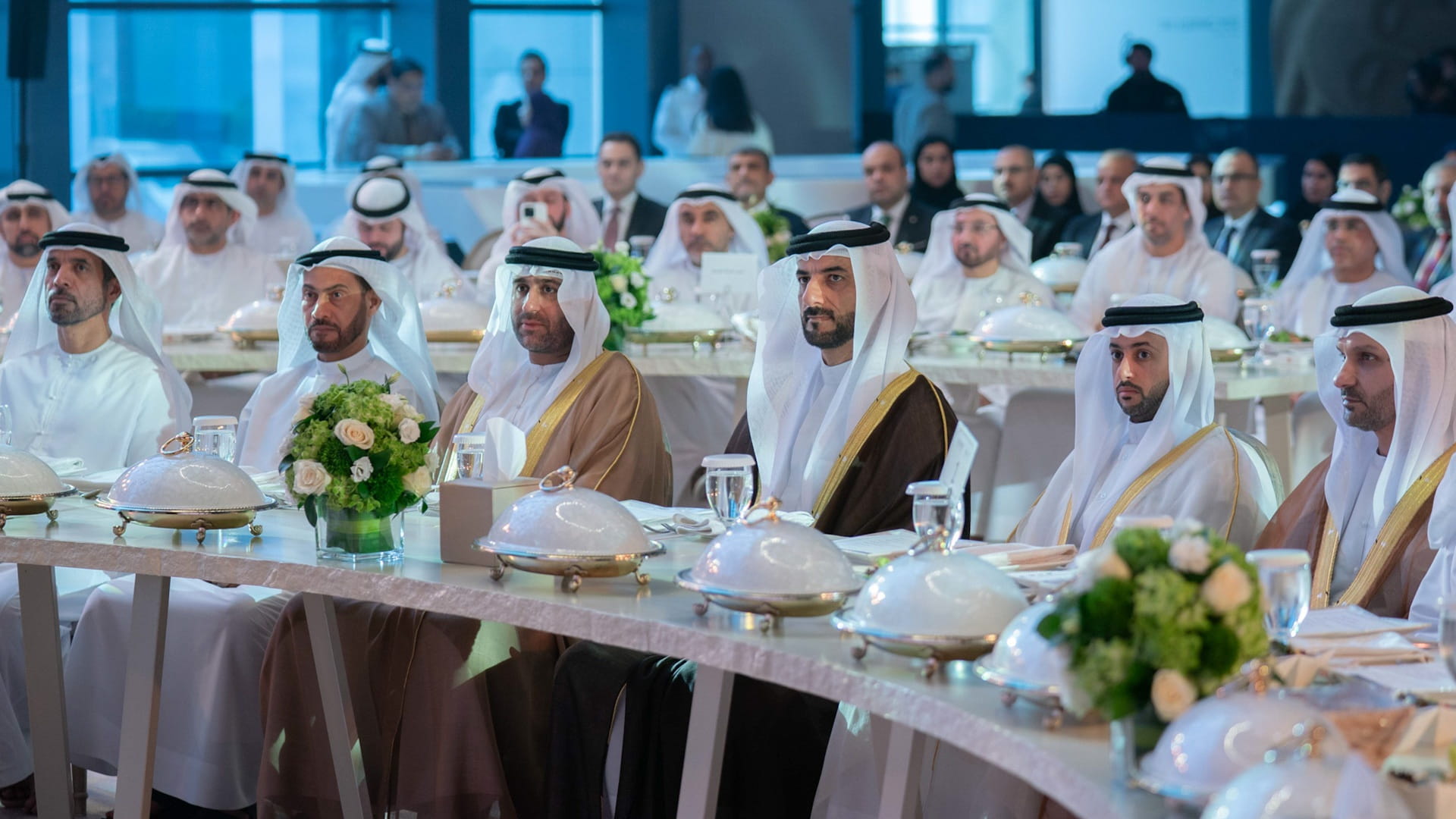
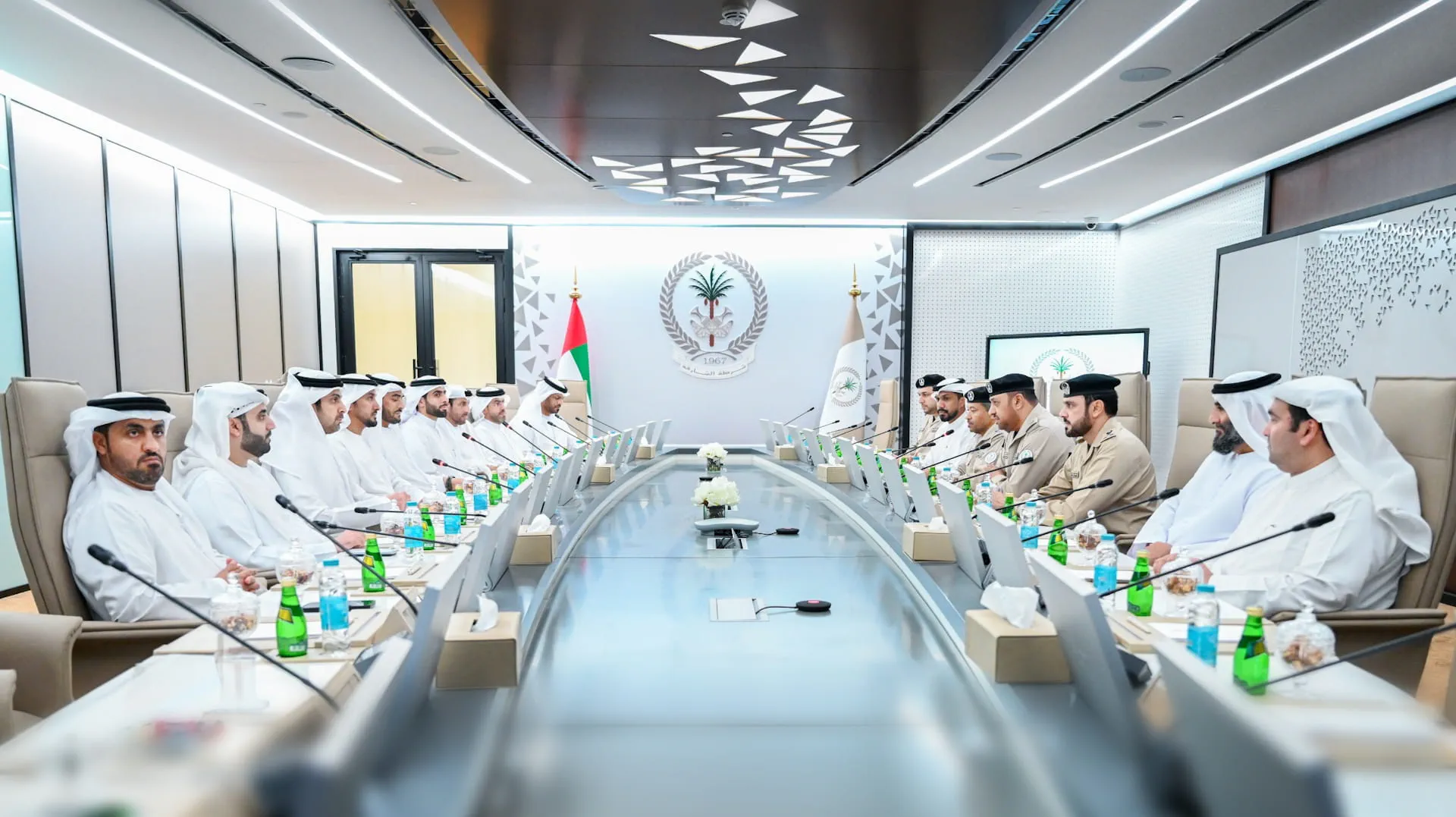
The meeting was attended by committee members and representatives of the concerned entities, with the participation of His Excellency Sultan bin Huwaiden Al Ketbi, Member of the Sharjah Executive Council and Chairman of the Department of Municipal Affairs, along with the directors of the municipalities: His Excellency Khalfan Al Harethi, Director of Khorfakkan Municipality; His Excellency Dr Ahmed Saeed Al Mazrouei, Director of Kalba Municipality; His Excellency Talib Abdullah Al Yahyai, Director of Dibba Al Hisn Municipality; His Excellency Hamad Al Tunaiji, Director of Al Dhaid Municipality; His Excellency Salem Obaid Al Mayyala, Director of Al Madam Municipality; His Excellency Abdullah Sultan bin Salouma Al Ketbi, Director of Al Bataeh Municipality; His Excellency Musabeh Saif Awad Al Ketbi, Director of Mleiha Municipality; and His Excellency Mubarak Rashid Al Shamsi, Director of Al Hamriyah Municipality.
The meeting forms part of ongoing efforts to develop the administrative system and raise institutional performance efficiency. The committee reviewed proposals related to the organisational structures of the municipalities, with a focus on aligning them with actual mandates and enhancing integration between organisational units, in a manner that contributes to accelerating service delivery and achieving the highest levels of quality.
During the meeting, the committee stressed the importance of building flexible organisational structures capable of keeping pace with the urban and service expansion witnessed in the Emirate of Sharjah, in a way that supports the municipalities’ roles in urban planning, facilities management, and the provision of integrated municipal services to the community.
The committee also discussed the distribution of tasks and responsibilities across departments and sections, in a manner that ensures clarity of roles, enhances the efficiency of decision-making, and guarantees that municipal entities are empowered to perform their mandates efficiently in accordance with best approved institutional practices.
These discussions come as a continuation of an integrated government approach to updating organisational structures across various entities, as the committee works to study and approve organisational models based on a scientific methodology grounded in best administrative principles, standards, and practices, thereby enhancing the readiness of government entities and achieving institutional excellence.
The committee explained that the development of organisational structures for entities linked to the municipal sector is in line with the directives of His Highness Sheikh Dr Sultan bin Mohammed Al Qasimi, Supreme Council Member and Ruler of Sharjah, which emphasise the importance of establishing an integrated government work system.
It further noted that the reassessment of the organisational structures of the Emirate’s municipalities comes in light of the rapid changes witnessed in the Emirate, particularly urban expansion and the growing scale and diversity of municipal services, which necessitate the development of more flexible organisational models capable of responding to the requirements of the next phase.
This review also aims to achieve job stability and enhance the efficiency of human resource utilisation by distributing roles and responsibilities in a clear and systematic manner, thereby contributing to the organisation of workflow and improving the quality of services provided.
In the same context, the committee underscored its pivotal role as a specialised reference body operating in accordance with scientific methodologies and approved standards, ensuring the development of effective organisational structures that support integration and reinforce the principles of governance, efficiency, and sustainability in government work.

 For an optimal experience, please
rotate your device to portrait mode.