
Loading...
Loading...

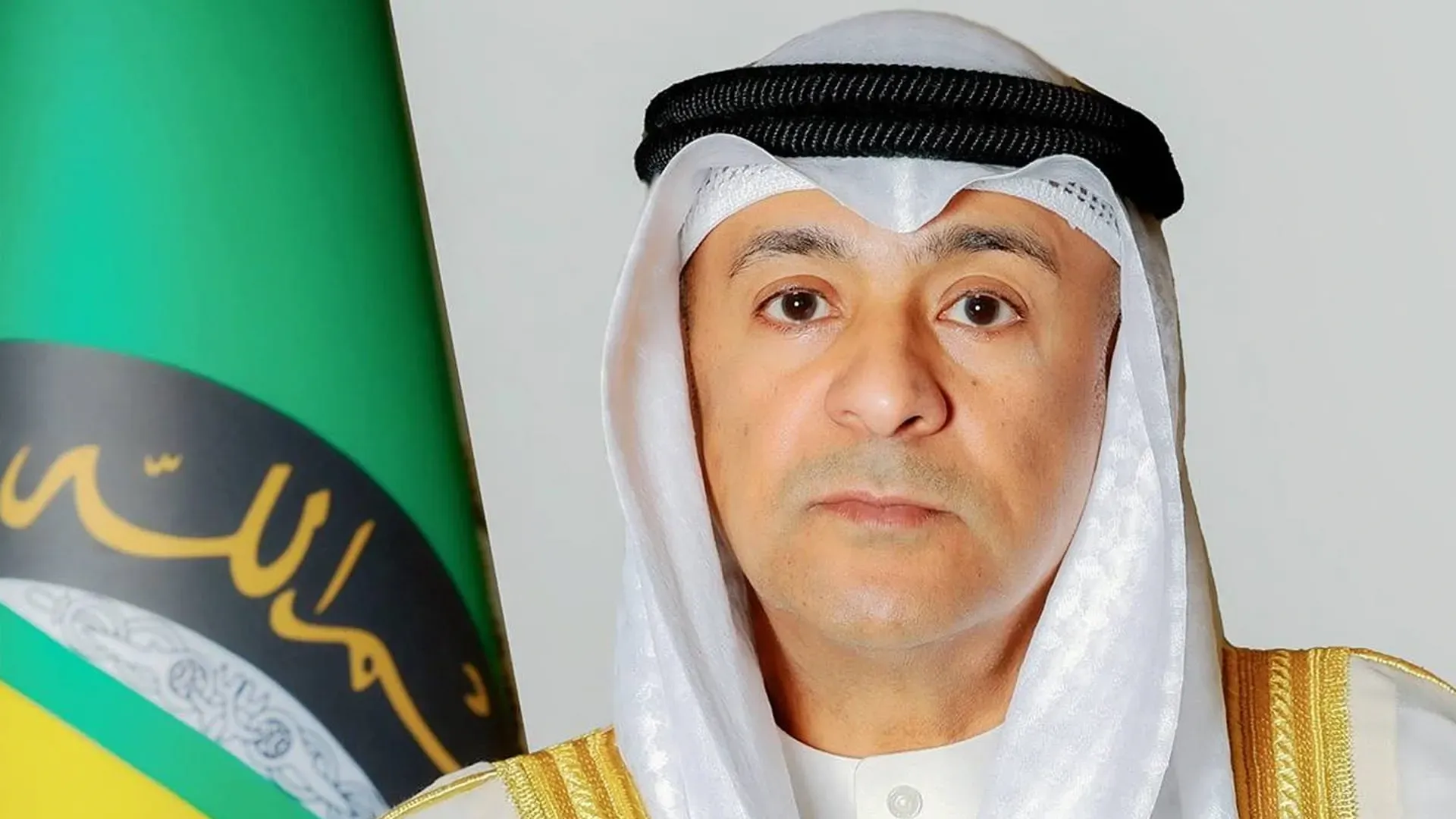
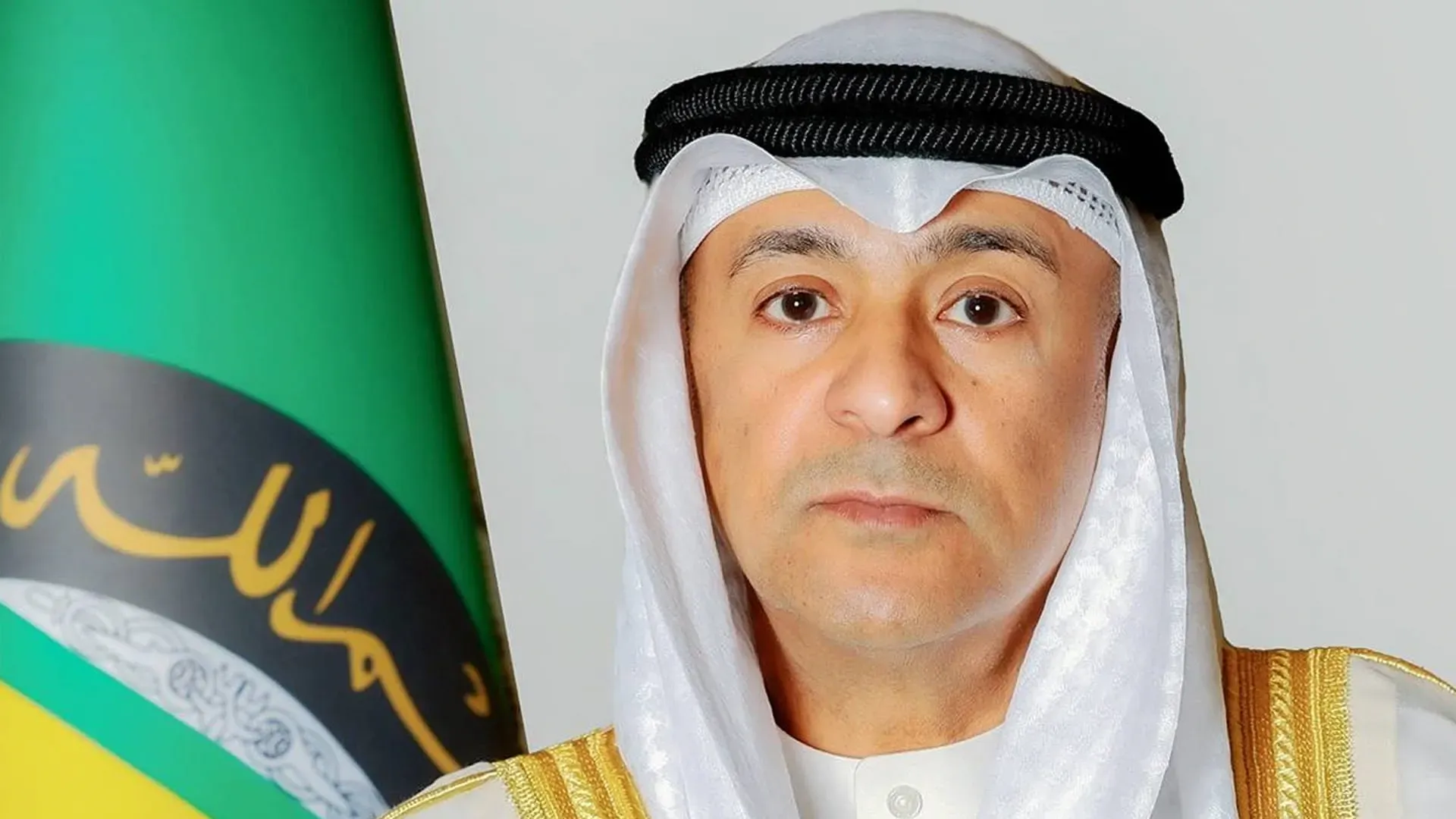
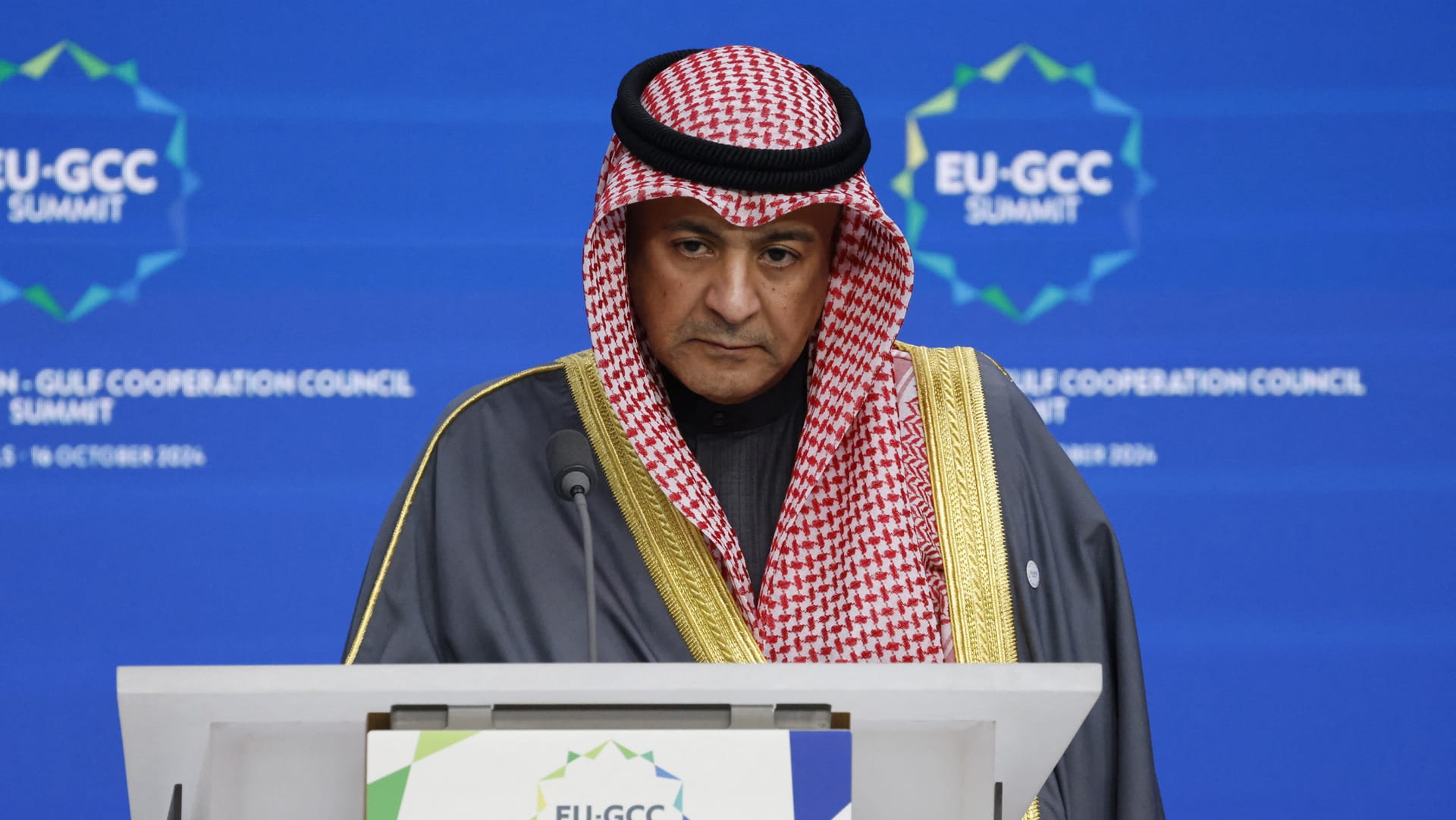
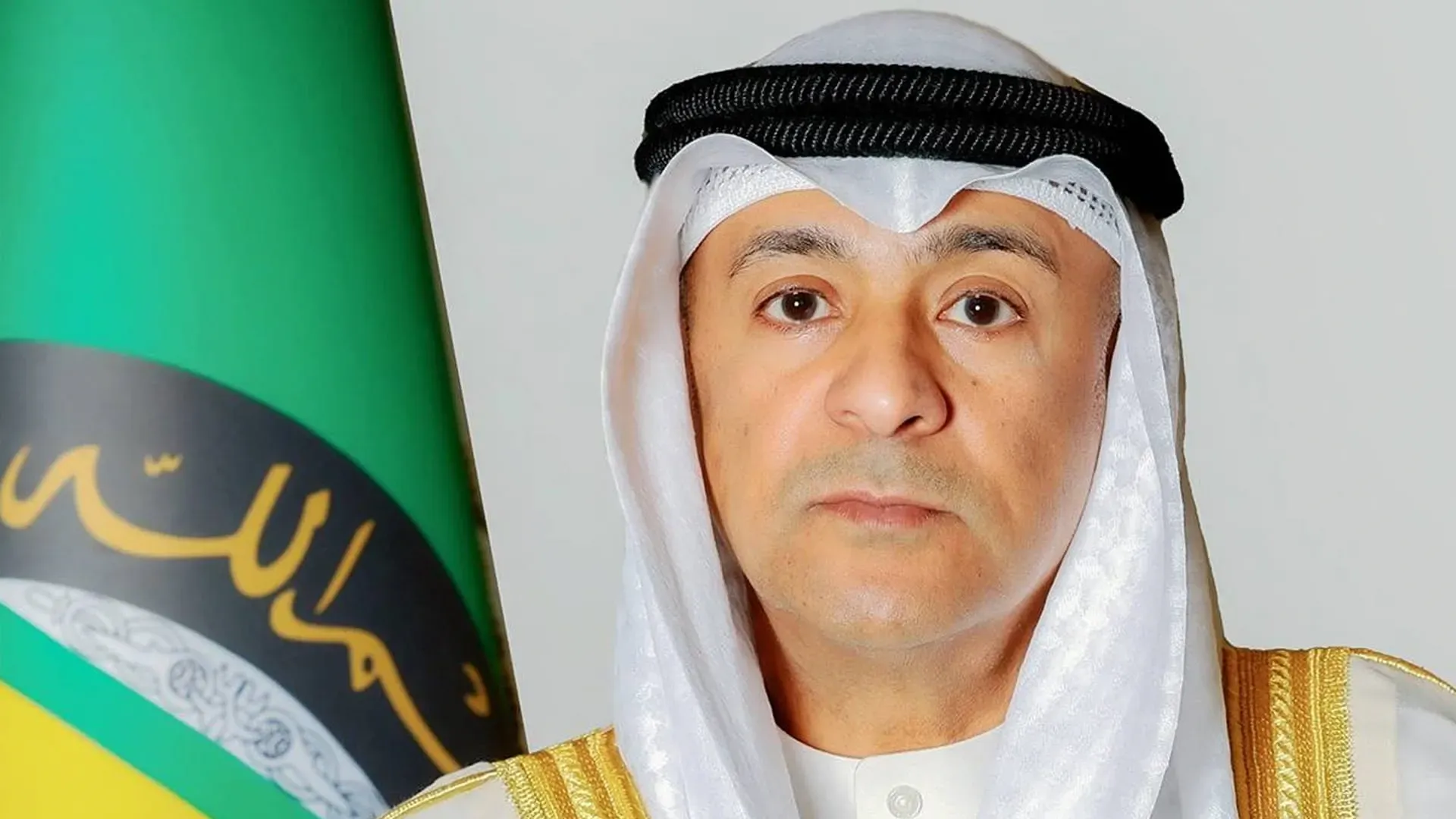
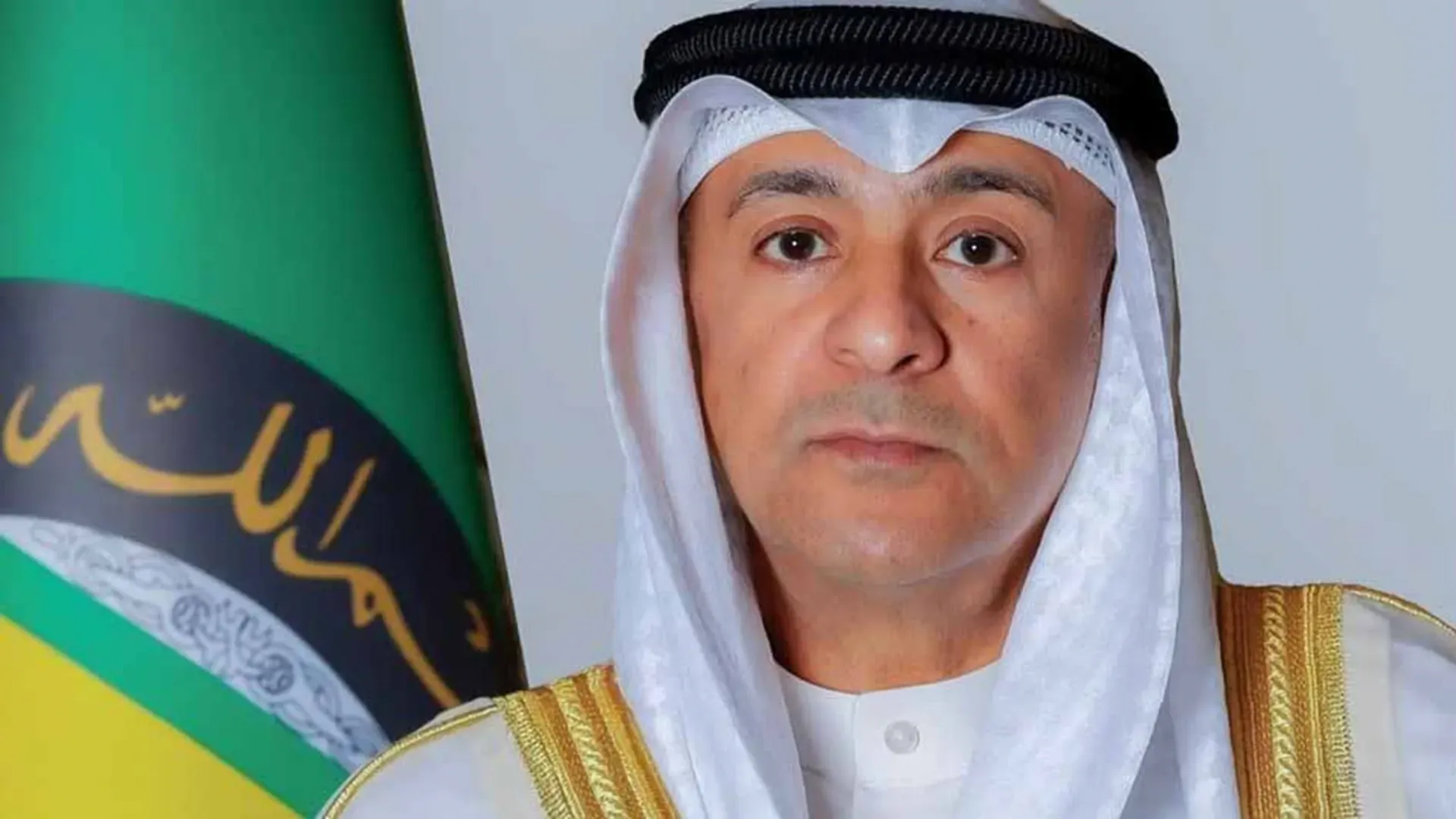
Albudaiwi said that GCC countries activated alternative logistics routes and redirected shipments from Arabian Gulf ports to ports on the Red Sea and the Arabian Sea to protect supply chains and maintain the uninterrupted flow of essential goods, supported by customs and logistics facilitation measures.
He stated that the meeting comes at a critical time amid Iranian attacks targeting GCC countries and disruptions to navigation in the Strait of Hormuz, stressing the direct link between regional security and global food security.
Albudaiwi noted that Iran and affiliated groups carried out thousands of ballistic missile and drone attacks targeting civilian facilities, infrastructure, and oil and gas installations, resulting in casualties, material damage, and disruptions to global energy and food supply chains.
He said that attacks on GCC sovereignty and disruption of maritime navigation constitute violations of international law, including the UN Convention on the Law of the Sea and the UN Charter, describing them as a form of global coercion.
Albudaiwi welcomed UN Security Council Resolution 2817, which condemned the attacks and called for their cessation, while noting that Iran has yet to comply with its provisions.
He warned that disruptions to maritime navigation are affecting global markets, contributing to shortages in energy and fertilisers and sharp increases in prices, posing a direct threat to global food security, especially in developing countries.
The GCC Secretary General stressed the need for coordinated international efforts to stabilise markets, strengthen logistics coordination, and ensure uninterrupted flows of essential goods amid ongoing challenges.
Albudaiwi reaffirmed that dialogue and diplomacy remain the best path to resolving crises, while calling for respect for sovereignty, protection of maritime corridors such as the Strait of Hormuz and Bab al-Mandeb, and stronger international cooperation to safeguard energy security and freedom of navigation.

 For an optimal experience, please
rotate your device to portrait mode.