

Loading...
Loading...

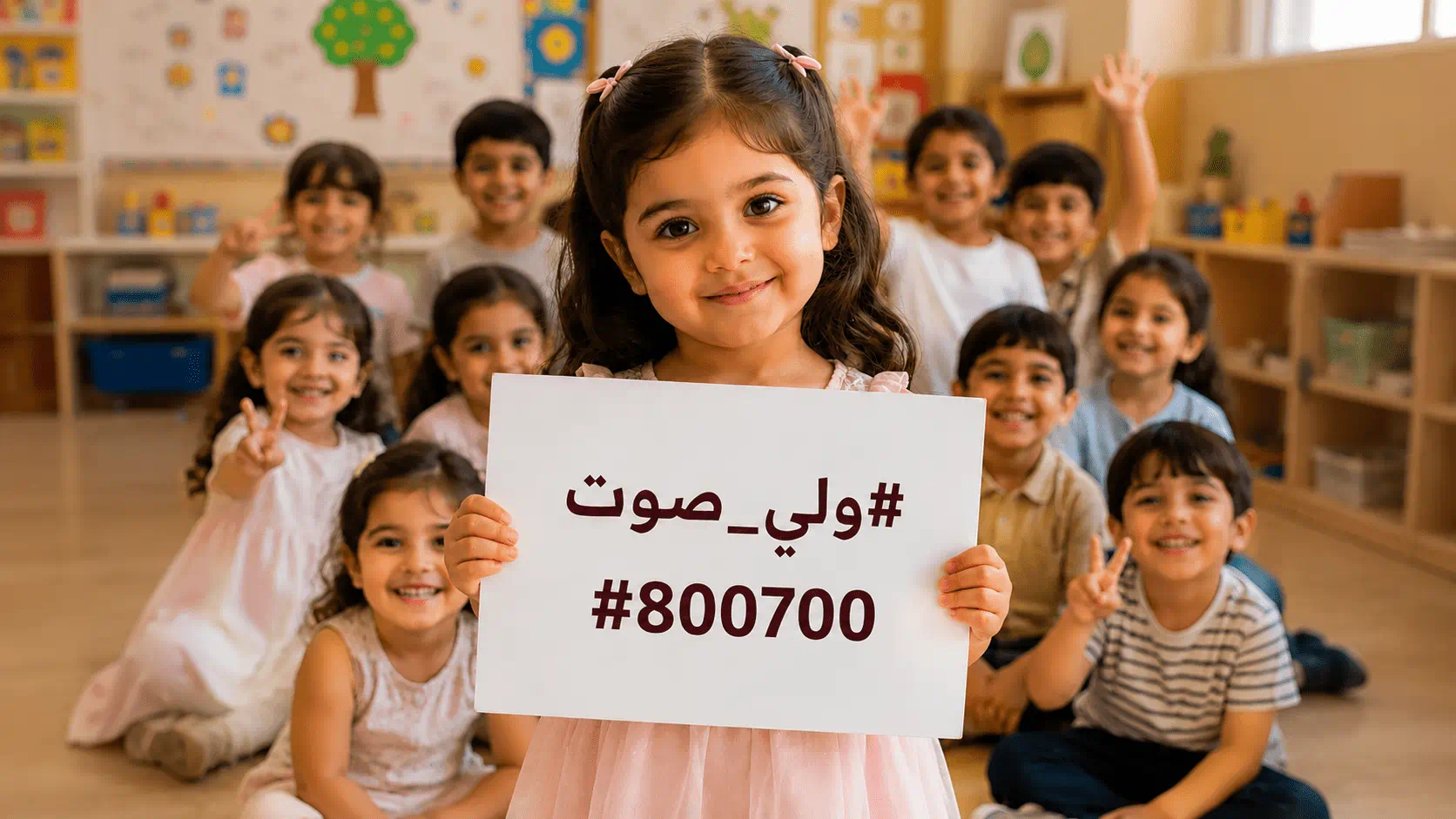
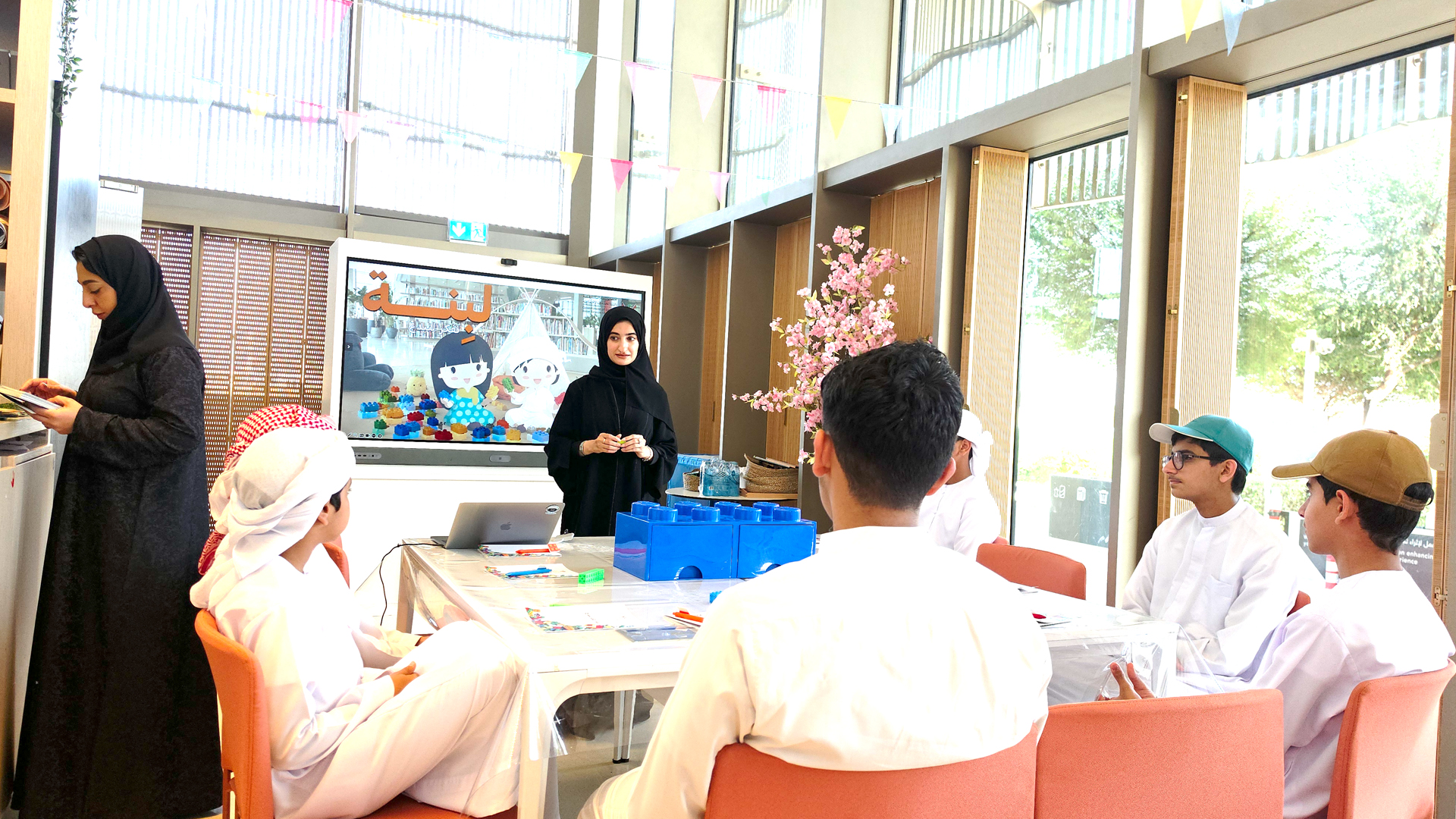
Suad Butti Al Shamsi, Director of the Social Education Department, confirmed that the event targets children aged 6 to 12 years. The interactive programme, lasting 45 to 60 minutes, utilises storytelling, visual, and interactive methods to enable children to learn the helpline number, distinguish between emergency and non-emergency situations, and understand how to seek help and express themselves when in danger. She explained that the programme includes a range of interactive activities, such as the "Emergency or Not?" game, which helps children ssituations, as well as role-playing scenarios between the child and a helpline operator to train them on how to respond. Communication and seeking help correctly, along with interactive competitions, questions, and repetitive, rhythmic activities, are designed to reinforce the helpline number in children's minds.
Dr Fatima Al Marzouqi, Director of the Family and Child Protection Centre, affirmed that celebrating International Child Helpline Day reflects the department's ongoing commitment to strengthening the child protection system and fostering a culture of community awareness regarding the importance of reporting all forms of abuse or neglect that children may experience.
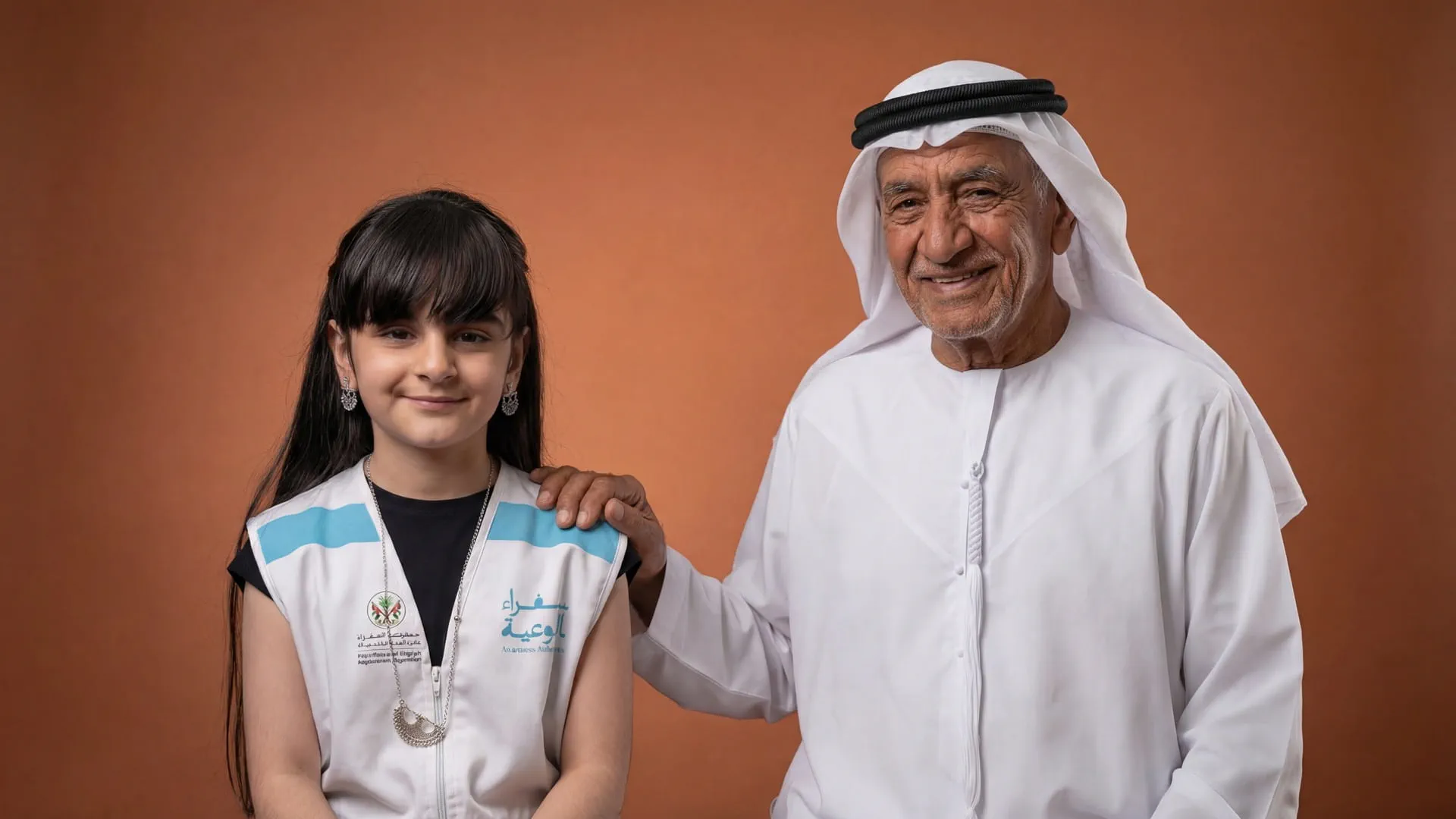
Al Marzouqi added that the department, as a member of the Child Helpline Global Network, annually organies awareness events under the slogan "I Have a Voice," targeting children, families, and educational institutions. These events aim to inform them of children's rights and how to seek help, as well as to boost children's confidence in their ability to speak up and report any danger.
Al Marzouqi pointed out that the field awareness campaigns implemented by SSSD in cooperation with the department's branches directly contribute to raising children's awareness, which positively impacts the speed of case detection and early intervention to protect them. She emphasised that raising community awareness is one of the most important elements of prevention and response. Active.
Al Marzouqi explained that the Child Protection Law and its implementing regulations represent a qualitative leap in supporting protection efforts within the country, by guaranteeing children's health, social, and psychological rights, and granting protection specialists the legal tools and powers that enhance their ability to intervene professionally within clear legal frameworks.
In conclusion, Al Marzouqi emphasised that child protection is a shared societal responsibility that requires the integration of the roles of the family, school, and various institutions, stressing the importance of providing a safe and supportive environment for children that ensures their healthy development and dignified life, in line with the UAE's vision of building a more stable and secure society for future generations.

 For an optimal experience, please
rotate your device to portrait mode.




.jpeg?h=1080&w=1920&hash=85CD09D49AC8968E1D6D11A0686015CD)