
Loading...
Loading...

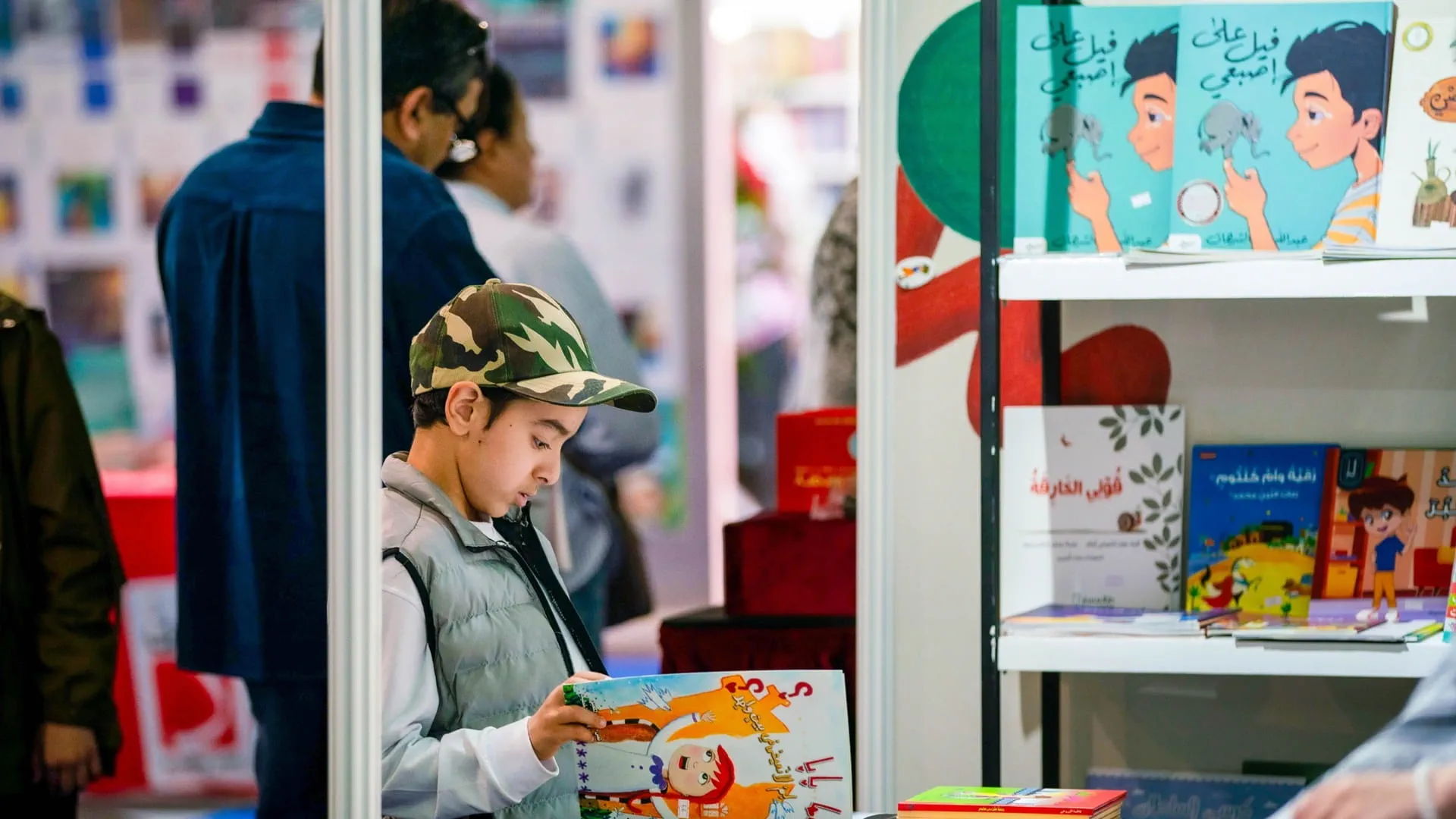
During its participation, the council will present a series of panel discussions exploring the relationship between narrative, art, identity and culture, while also highlighting distinctive experiences in the field of wordless books. The council’s pavilion will offer visitors the opportunity to discover its key projects and initiatives aimed at developing Arabic children’s literature, supporting creators, illustrators and publishers, and strengthening the book’s role as a tool for knowledge and awareness among younger generations.
On 29 May, the council will host a session titled “The power of silence: when images tell the story” at the Sharjah pavilion. The discussion will focus on wordless books and visual storytelling in children’s literature, examining how such works transcend linguistic and cultural barriers and enable children from diverse backgrounds to engage with stories through imagery and imagination. It will also highlight the council’s efforts to support and promote this genre internationally due to its human values and its ability to reach children across different environments.
On 31 May, two additional sessions will explore storytelling in art and life. The first, “Reimagining folk tales: when illustration becomes cultural dialogue”, will be held on the main stage and will examine how contemporary visual arts can reinterpret folk narratives and transform illustration into a space for cultural exchange and mutual understanding.
The second, “Stories that heal: reading therapy in children’s literature”, will explore the impact of storytelling on children’s and young adults’ mental wellbeing and emotional resilience, and the role of literature in helping young readers process fear, loss, identity and belonging.
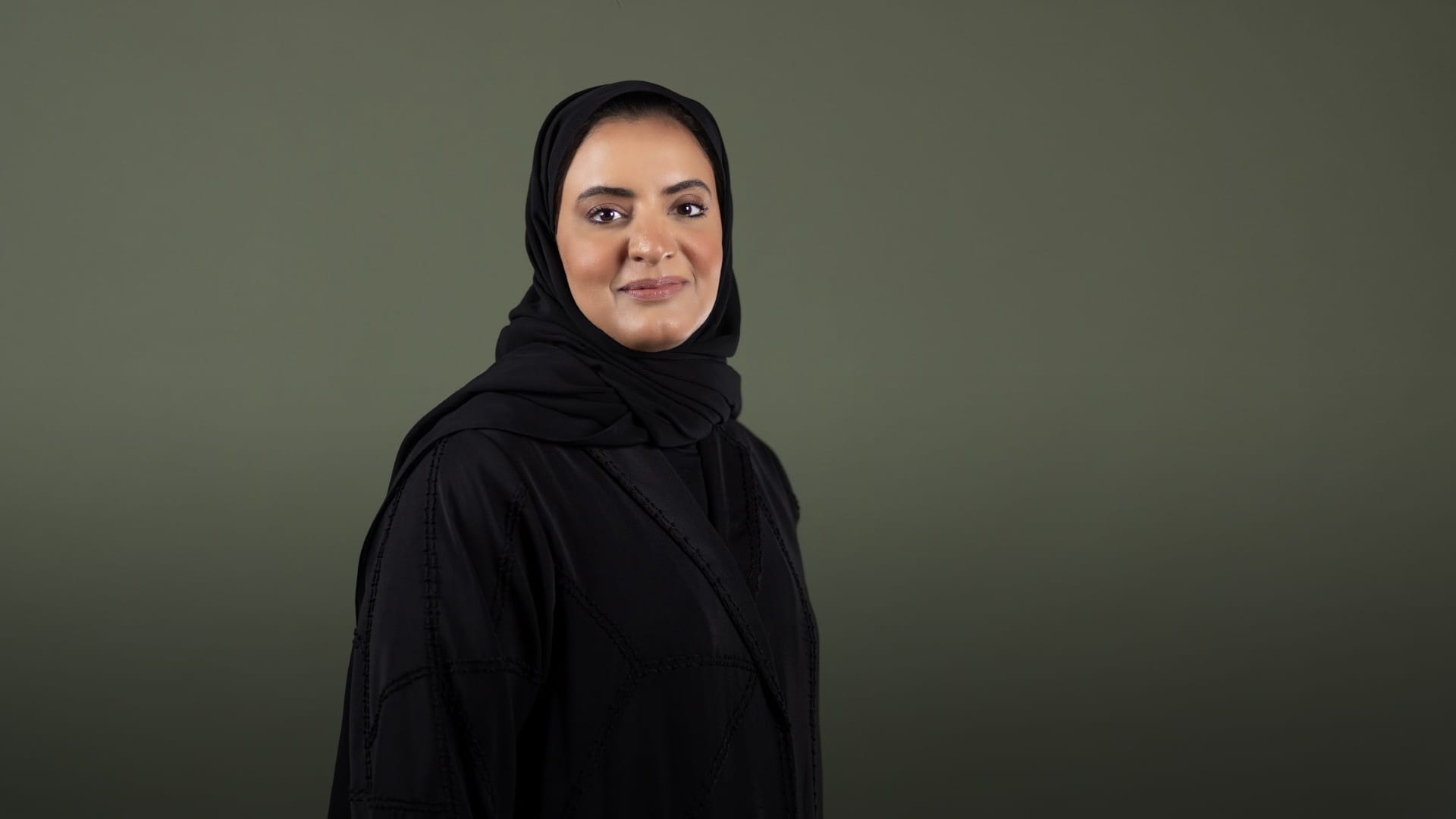
Maha Al Aqroubi, Chair of the United Arab Emirates Board on Books for Young People, said: “Through our participation in the Warsaw International Book Fair 2026, we aim to present an experience that reflects our belief in the power of storytelling to build bridges between peoples and cultures. These sessions are based on the idea that children’s literature is no longer just for reading and entertainment, but has become a tool for human connection, mental wellbeing and cultural dialogue. We also seek to introduce the council’s initiatives supporting content for children and young adults, and to strengthen the presence of Arabic literature on the global stage.”
The council will showcase a curated selection of wordless books in collaboration with the International Board on Books for Young People. These image-based books, which contain no written text, are designed to make storytelling accessible to refugee and migrant children in particular, helping them overcome language barriers and engage through visual narrative. This format is widely regarded as one of the most human-centred innovations in children’s publishing, offering shared space for imagination and understanding.
The pavilion will also feature winning titles from the latest edition of the International Award for Arabic Children’s Literature, introducing visitors to contemporary Arab experiences in writing, illustration and publishing for children and young adults. It will further provide information on the criteria for participation in the 18th edition of the award, which continues to support quality Arabic content, encourage innovation and strengthen the global presence of Arabic children’s literature.
The participation of the United Arab Emirates Board on Books for Young People in the Warsaw International Book Fair 2026 forms part of a wider series of initiatives aimed at promoting reading culture and expanding international cultural cooperation in children’s literature. Through this diverse presence, Sharjah continues to reinforce its cultural vision based on dialogue and knowledge exchange, while underlining the importance of books and visual arts in shaping more aware and globally connected generations.

 For an optimal experience, please
rotate your device to portrait mode.



.webp?h=1080&w=1920&hash=803EAF15724F91AC8F4F9CCB066B56F4)