
Loading...
Loading...

Ensuring public health and safety
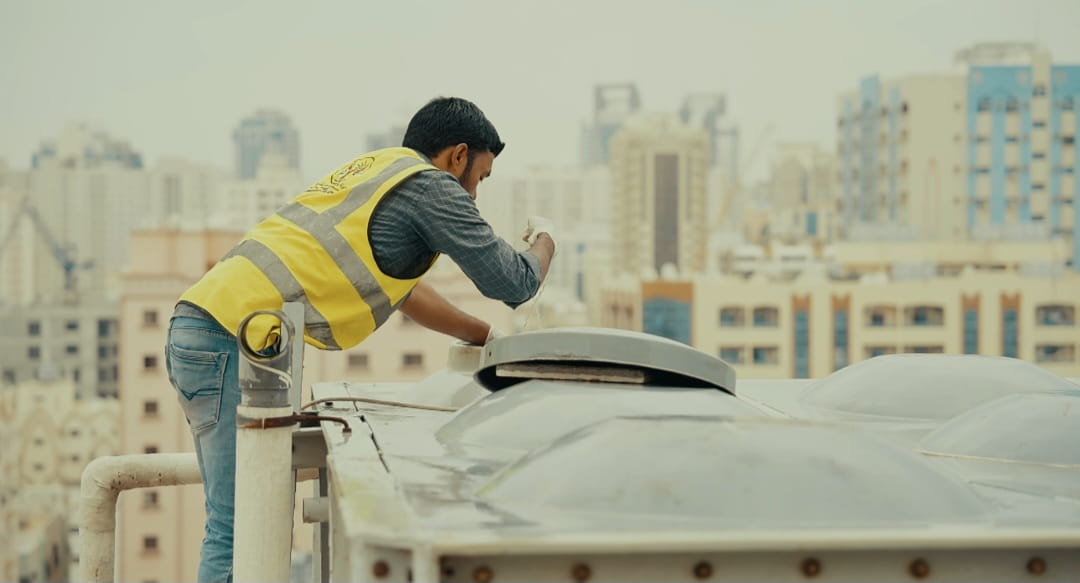
Engineer Abdulrahman Boukhalaf, Director of Water and Desalination Plants at SEWA, emphasised the importance of adhering to regulations to maintain water quality in tanks. Key measures include keeping the area around tanks clean, ensuring tank covers are tightly sealed to prevent entry of insects and dust, verifying the integrity of tank walls to ensure they are free from cracks, and conducting regular cleaning by accredited companies specializing in tank maintenance, cleaning, and disinfection.
Periodic inspections and contamination response
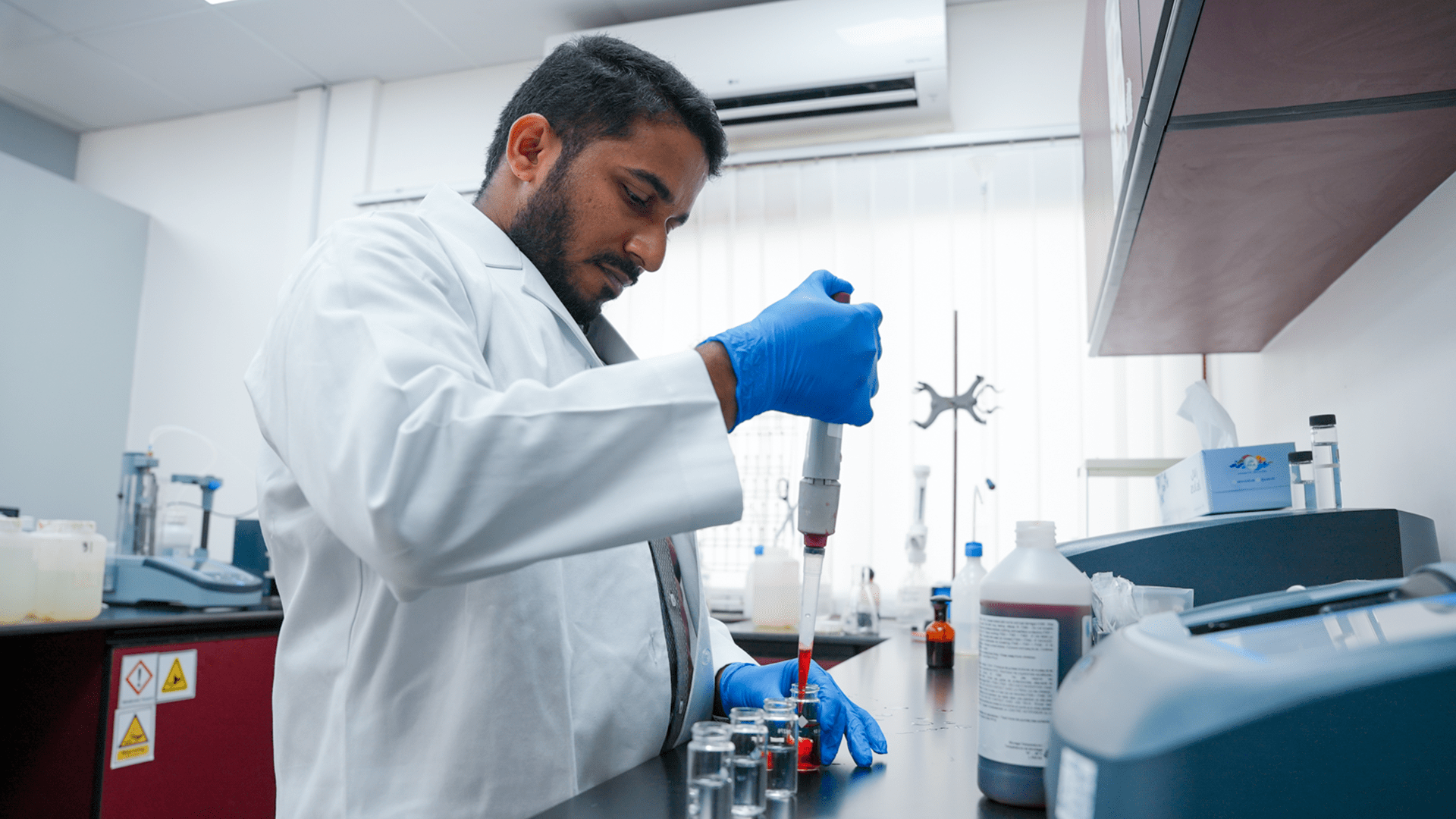
SEWA’s technical teams conduct periodic inspections of buildings to ensure the safety of tanks and water pipes. In cases of bacterial contamination, owners and consumers are immediately notified and instructed to stop using the water. SEWA then coordinates with accredited companies to clean the tanks and internal connections. Water is re-tested after cleaning to confirm it is free from contamination before reuse.
Importance of accredited maintenance companies
Boukhalaf stressed the necessity of selecting companies accredited by SEWA for tank maintenance and cleaning. These companies are regularly evaluated to ensure their efficiency and the availability of qualified and experienced teams.
Risks of uncovered water tanks
Uncovered water tanks pose a significant risk to water quality due to dirt, dust, and the entry of insects and contaminants. Boukhalaf noted that most contamination cases detected during inspections were due to improperly sealed tank covers.
Recommended tank cleaning procedures
He outlined the proper steps for regular tank cleaning: closing the valve to the water network, completely draining remaining water, inspecting walls and ceilings for cracks, removing sediment from the bottom, washing the walls and floor, and performing regular maintenance to ensure tanks remain clean and tightly sealed.

 For an optimal experience, please
rotate your device to portrait mode.