
Loading...
Loading...

The study, published in the Journal of the American Chemical Society, focuses on enhancing the capabilities of magnetic resonance imaging (MRI), a widely used diagnostic tool. Unlike conventional MRI agents that only provide imaging, the newly developed molecules combine diagnostic and therapeutic functions within a single system.
Consisting of manganese and organic components, the molecules remain inactive in healthy tissue but activate in tumour environments, which are slightly more acidic. When triggered, they release manganese ions that improve MRI contrast while also delivering a therapeutic effect to damage cancer cells. The molecules were synthesised by Thirumurugan Prakasam in the Trabolsi research group.
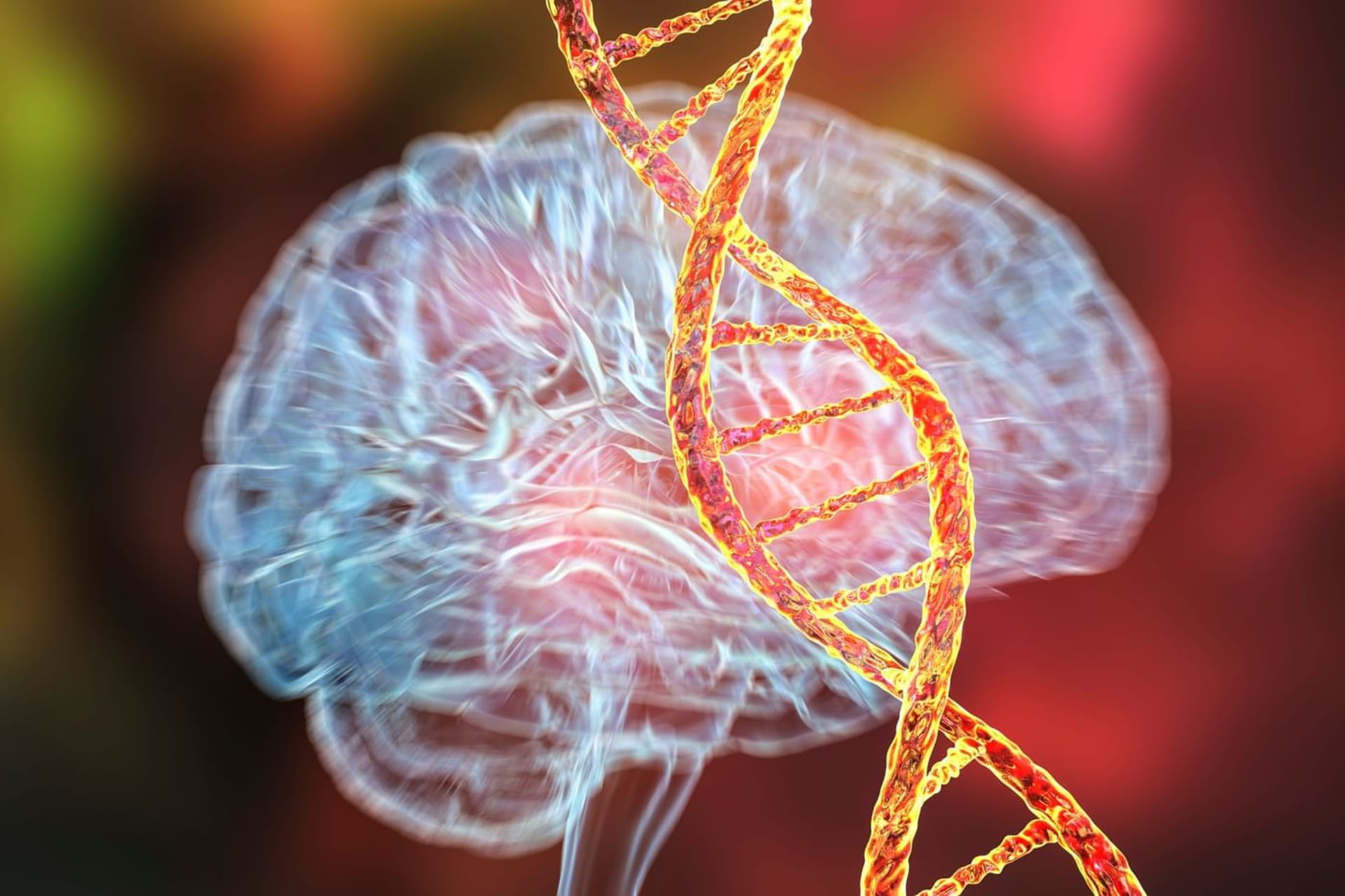
A key breakthrough is the molecules’ ability to cross the blood-brain barrier and accumulate in glioblastoma tumours, enabling clearer imaging and targeted treatment of brain cancers that are typically difficult to detect.
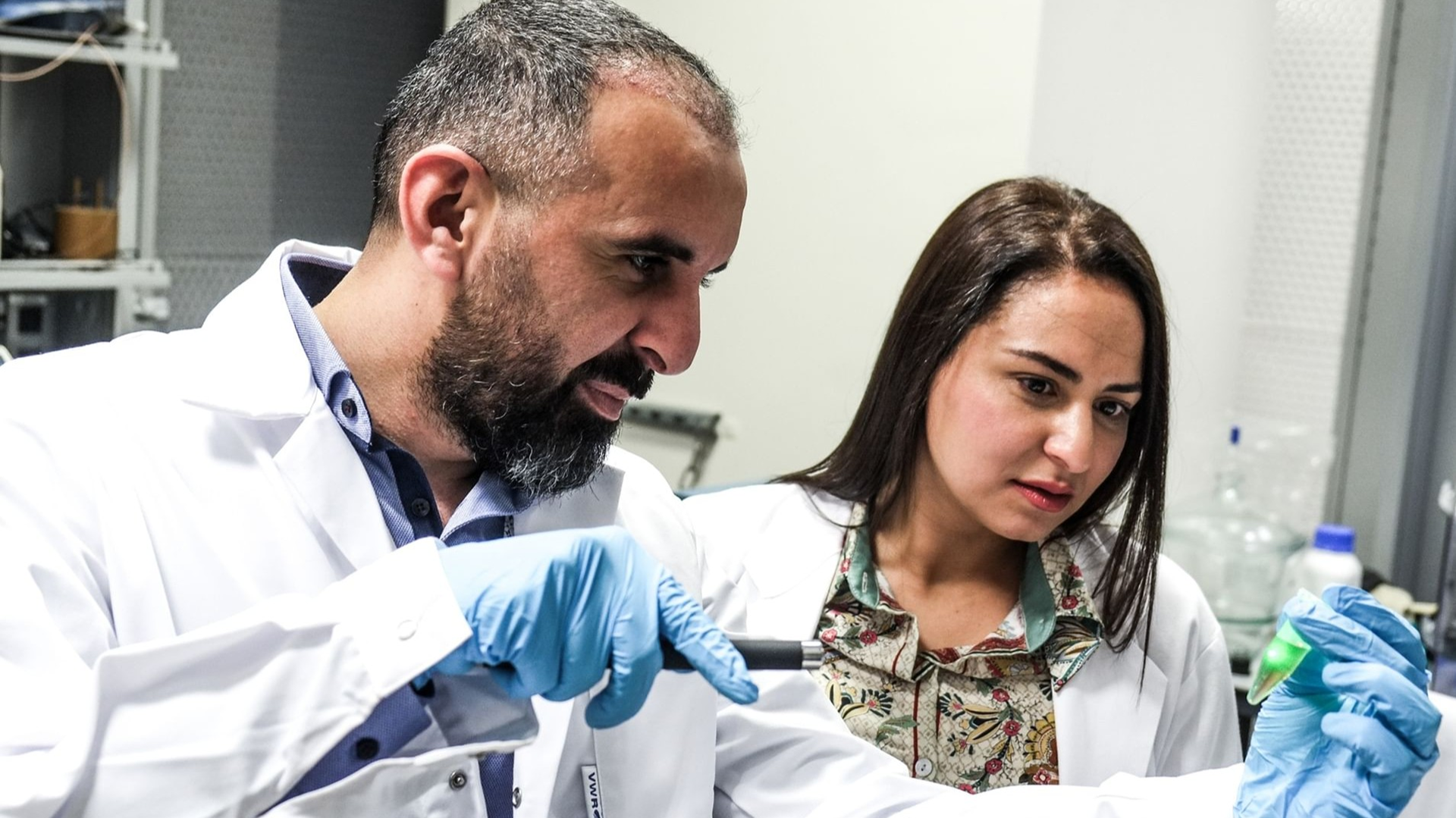
Lead researcher Farah Benyettou stated that the aim was to develop materials enabling doctors to both visualise and treat cancer simultaneously, emphasising the potential for more precise interventions.
The findings introduce a new generation of MRI agents that combine diagnosis and treatment, paving the way for faster, safer, and more effective cancer care.

 For an optimal experience, please
rotate your device to portrait mode.