
Loading...
Loading...

The discovery was made by scientists from Shenzhen Bay Laboratory and Peking University, who reported their findings in a study published online in the journal Nature.
While immune checkpoint blockade therapy has significantly advanced cancer treatment by boosting the immune system’s ability to attack tumours, it remains ineffective for many patients. Researchers explained that this is often due to the low mutational burden in certain cancers and the resulting lack of neoantigens, which allows malignant cells to evade immune detection.
The research team explored a previously underutilised immune resource known as bystander T cells. These cells are generated following infections such as cytomegalovirus and remain dormant in most adults while retaining strong immunological memory.
Scientists proposed that if tumour cells could be made to display cytomegalovirus antigens, the body’s existing pool of memory T cells could be activated to attack cancer.
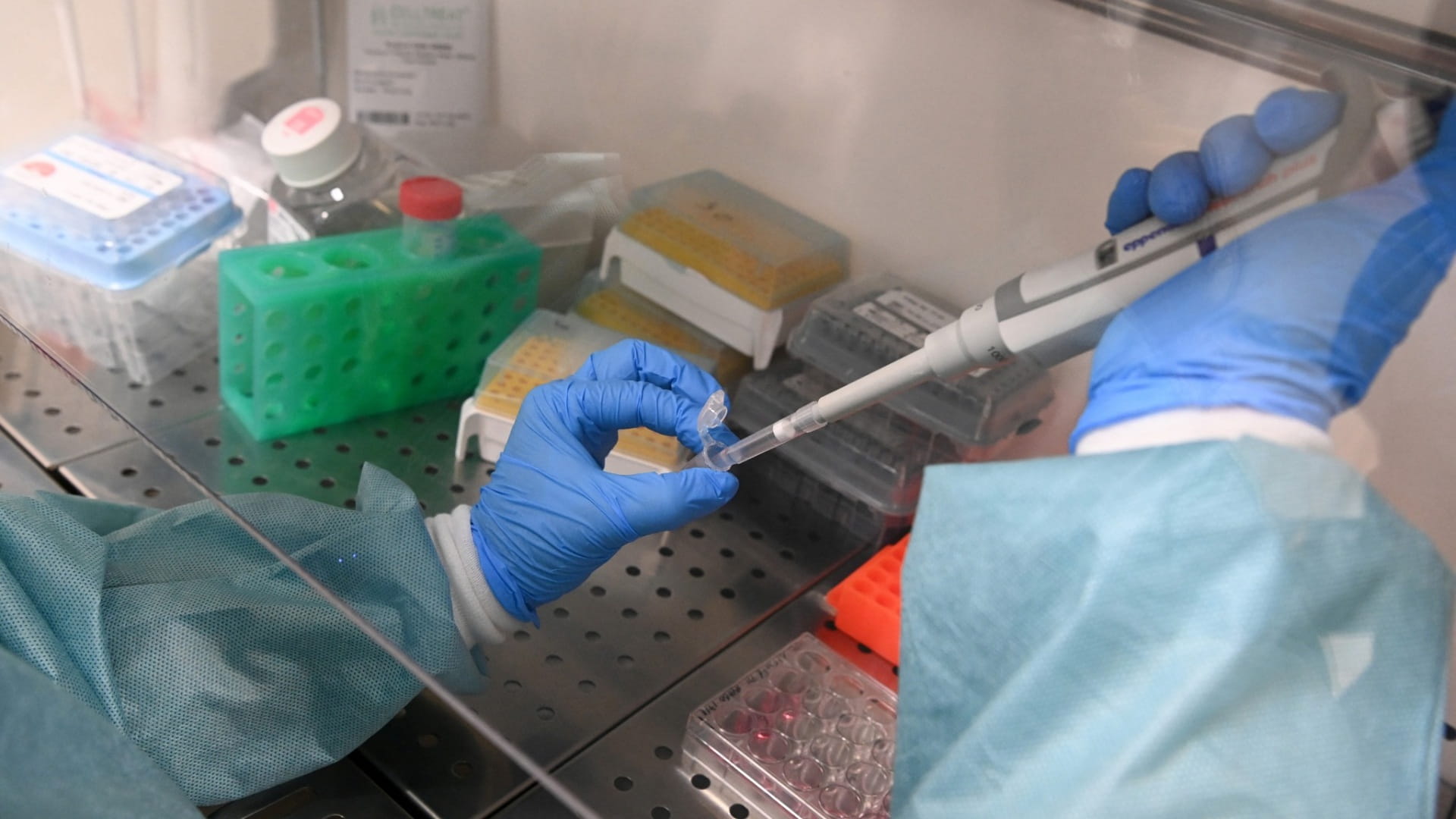
To achieve this, they designed a synthetic molecule called an intratumoral vaccination chimera, which has a dual function: it irreversibly targets and degrades the PD-L1 protein on tumour cells, releasing immune suppression, while simultaneously delivering a cytomegalovirus antigen epitope.
By marking tumours with a viral signature, the molecule successfully redirected anti-cytomegalovirus T cells to recognise and destroy cancer cells. Tests conducted on mouse models and patient-derived tumour clusters showed strong T-cell activation and significant anti-tumour effects.
The researchers are now developing translational molecules based on this mechanism, with the goal of advancing the technology toward future clinical trials, according to Chen Peng, senior investigator at Shenzhen Bay Laboratory.

 For an optimal experience, please
rotate your device to portrait mode.