
Loading...
Loading...

The organisation of the gathering highlighted the importance of the role played by Islamic sciences and religious knowledge in shaping society and reinforcing the values of unity and national cohesion. These sciences are considered one of the key pillars that contributed to forming the collective awareness of the people of the UAE and supported the nation’s federal journey since its beginning.
The gathering was based on the central goal of highlighting the mutual relationship between Gulf heritage, customs, and traditions on one hand, and the development of Islamic sciences, their methodologies, and their social impact on the other.
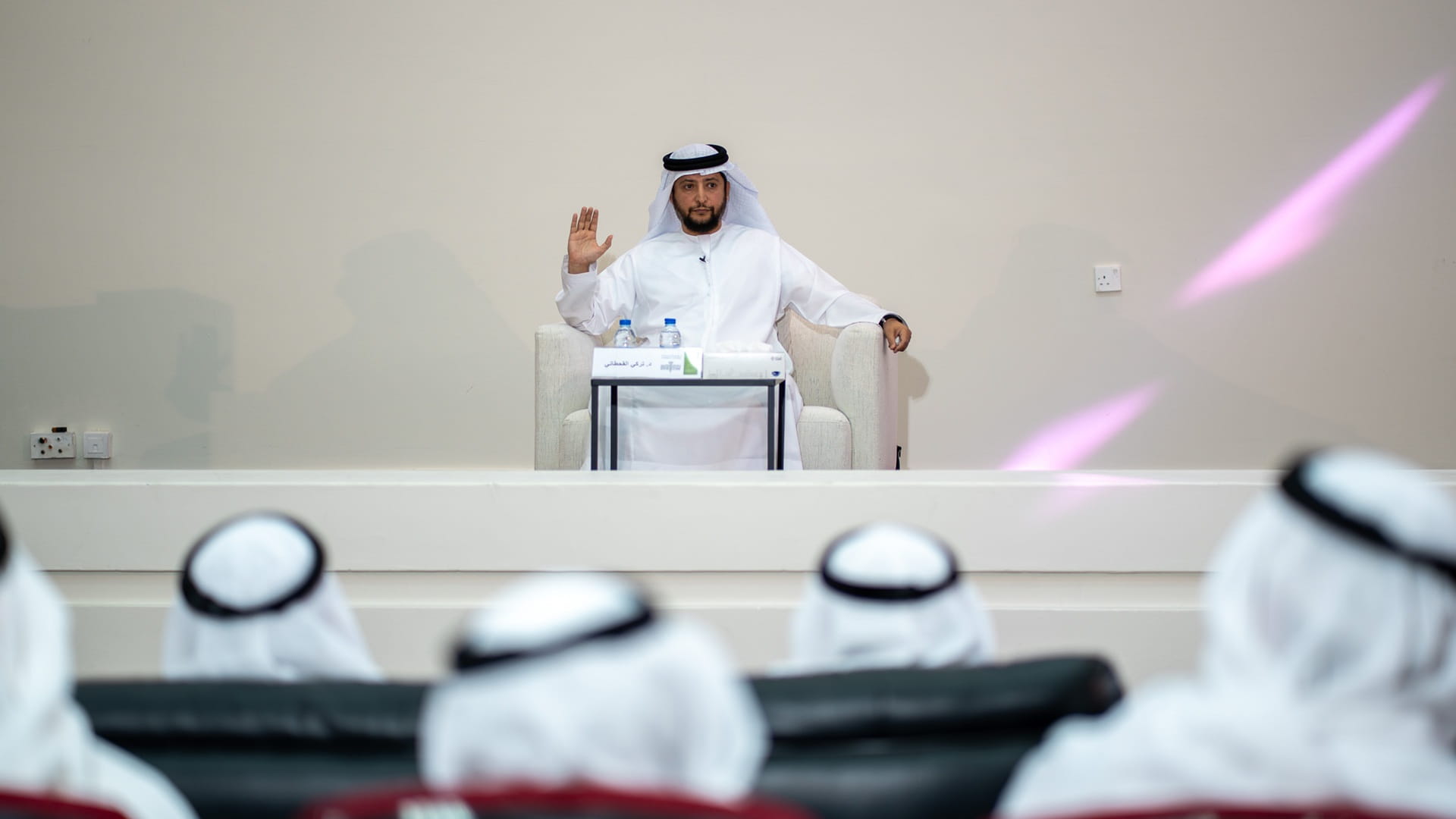
The first session was presented by Dr. Turki Hassan Al-Qahtani, Assistant Professor at Mohammed Bin Zayed University for Humanities in Abu Dhabi, titled: “The Impact of Heritage, Customs, and Traditions on Jurisprudential Rulings.” He explained the influence of social and cultural contexts in shaping jurisprudential reasoning, and how local customs helped facilitate fatwas and achieve Sharia objectives in ways that aligned with people’s lives.
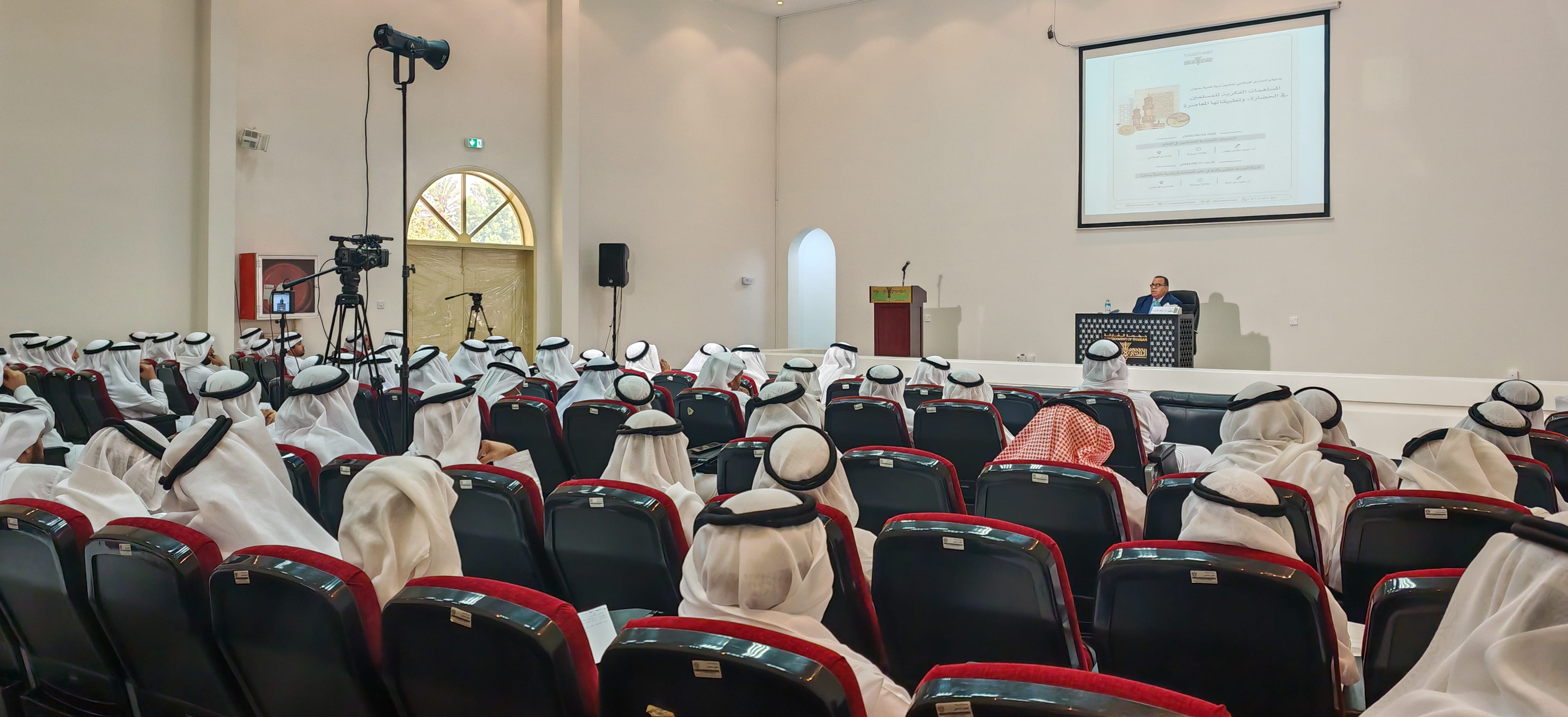
The second session was delivered by Thani Abdullah Al-Muhairi, researcher at Tabah Foundation for Studies and Research, titled: “Islamic Scholarly Schools and Works in Gulf Countries: History and Impact.”
Al-Muhairi presented a broad historical and analytical overview of the emergence and development of these schools and their significant scholarly impact, beginning with the historical roots of Islamic schools in the Gulf, where major Gulf cities such as Al-Ahsa, Bahrain, Oman, and Sharjah were active scholarly centres since the early Hijri centuries. These cities hosted learning circles in major mosques, forming the nucleus of later Islamic schools.
He highlighted the role of traditional schools and “kuttab”, showing how this traditional educational model helped establish a cohesive knowledge system that later formed the basis for more organised scholarly institutions. He also reviewed the development of Islamic scholarly works in the Gulf, which included: Books on jurisprudence and its principles addressing contemporary issues and rulings related to local customs and maritime and environmental practices. Commentaries on jurisprudential and linguistic texts demonstrating the analytical capabilities of Gulf scholars. Scholarly treatises addressing local matters such as judiciary, endowments, hisbah, and genealogy.
He affirmed that this scholarly heritage remains an important reference for contemporary Islamic institutions and reflects the authenticity of Gulf society and its commitment to preserving its cultural and religious identity.
Through this gathering, Al Muntada reflects Sharjah’s vision to enhance cultural and religious awareness and highlight the civilisational dimensions of Emirati heritage, which represents a fundamental pillar in the nation’s unity and progress. It also strengthens the presence of Islamic sciences in building future generations upon the values of moderation, knowledge, and loyalty to the national heritage.

 For an optimal experience, please
rotate your device to portrait mode.