
Loading...
Loading...

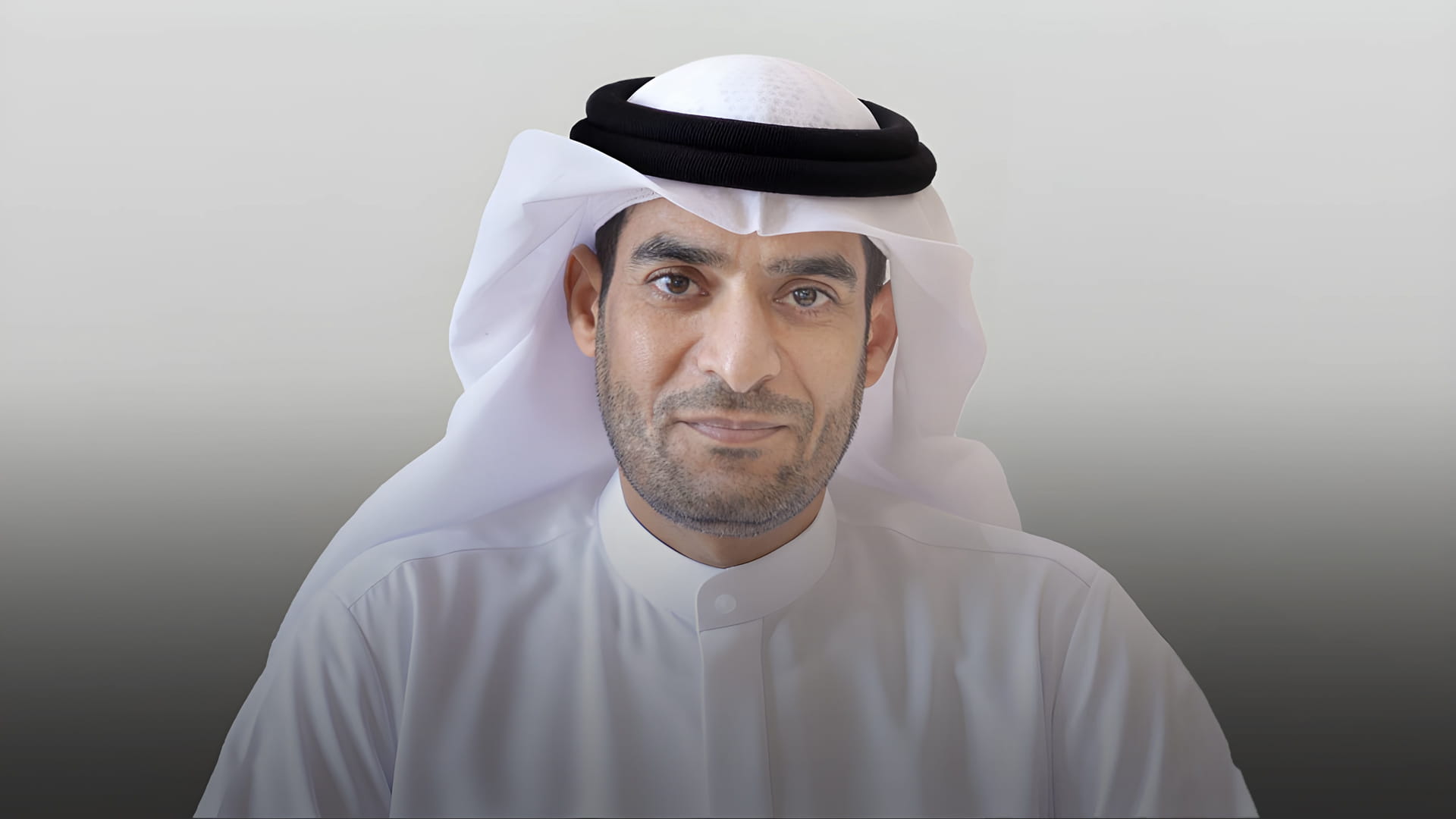
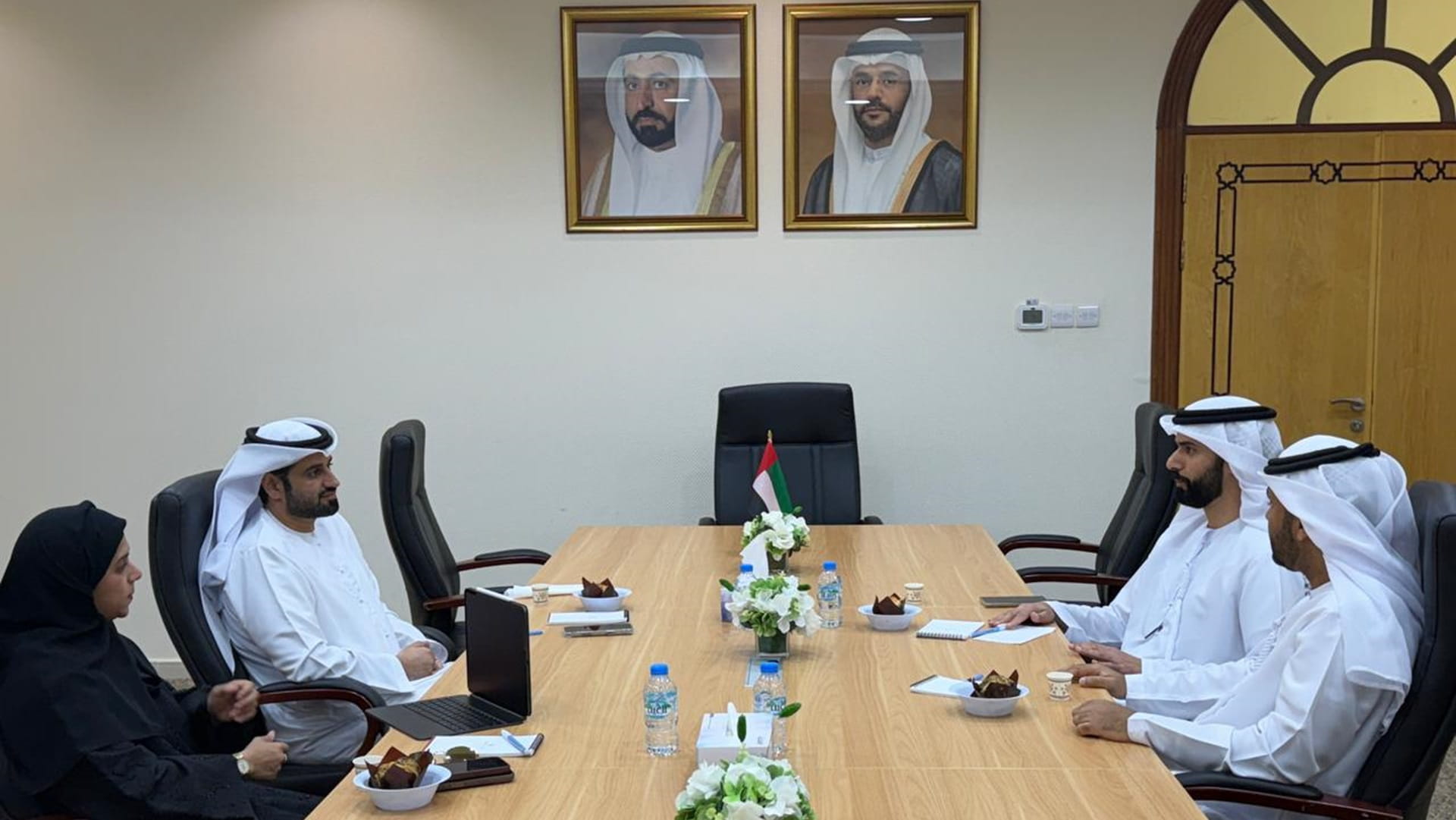
Dr Issa Saleh Al Hammadi, Director of ALECGS in Sharjah, presented a comprehensive paper at the symposium. He is one of the coordinating experts for the second component (committees) of the Common Reference Framework for Arabic, which is one of the main programmes that ALECSO is currently working to implement.
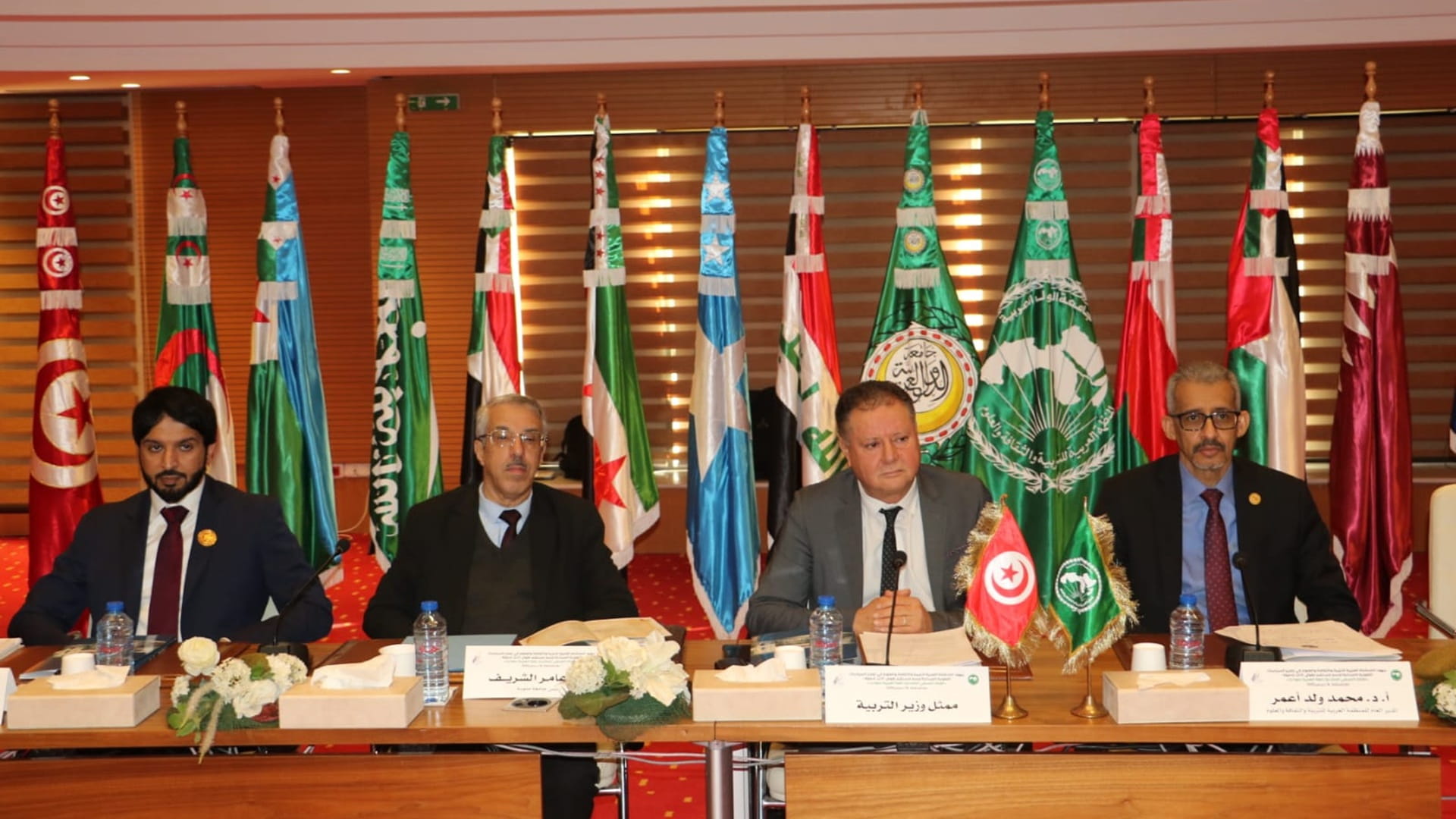
The symposium was organised in collaboration between ALECSO, the University of Manouba, and the Arab Researcher and Computational Linguistics Laboratory in Tunisia. It brought together a select group of academics, experts, and those interested in the Arabic language and its curriculum development. The symposium highlighted ALECSO's pioneering initiatives to develop language policies in the Arab world, focusing on the Common Reference Framework for Arabic as an innovative tool for unifying educational approaches and enhancing learner proficiency at all levels.
Disseminating the Arabic language and promoting cultural exchange
The participation also reflects ALECGS commitment to its leading role in disseminating the Arabic language and promoting cultural and intellectual exchange among Arab countries. This contributes to preserving the linguistic and cultural heritage of the Arab nation through its collaboration with international organisations on initiatives, programmes, and research frameworks in the field of Arabic language education, aiming to elevate the language and its global standing.
Progress
Al Hammadi presented a paper on the progress achieved during the past period in the second component, which focuses on completing the two main pillars of the Common Reference Framework for Arabic: developing standards for Arabic language curricula and developing standards for Arabic language tests.
Al Hammadi reviewed the implementation procedures for the two axes, beginning with the formation of the executive team for the second component, comprised of: Professor Dr Umama Al Shanqiti from Saudi Arabia, Professor Dr Abdul Raouf Zuhdi from Jordan, Professor Dr Taher Loussif from Algeria, Dr Najwa Al-Farjani from Tunisia, Dr Faisal Al-Zahrani from Saudi Arabia, Dr Mohamed Amin from Mauritania, and Dr Tariq Bouattour from Tunisia.
Al Hammadi then reviewed the six deliverables identified within the tasks of the second component's team for developing curriculum standards and selection criteria for the Arabic language. These deliverables are: the first, a survey of Arabic language curriculum documents, Arabic language curricula in Arab countries, and experiences in developing language tests; the second, the development of a document outlining standards and indicators for Arabic language curricula; the third, the development of a document outlining language test standards with an applied model; the fourth, the preparation of methodological guides for curriculum and test development standards (explanatory guides for curriculum standards and test standards); the fifth, the preparation of three detailed periodic scientific reports related to each document completed; and the sixth, the preparation of a final scientific report.
Participants also discussed the importance of adopting this framework in educational institutions and its contribution to supporting efforts to Arabise sciences and improve the quality of Arabic language education in light of technological and digital transformations. This symposium served as an open dialogue platform for exchanging visions and experiences regarding the future of the Arabic language and enhancing its presence in the contemporary knowledge and media landscape.
Honouring
At the conclusion of the event, ALECSO honoured the participating institutions and individuals, recognising their efforts in serving and teaching the Arabic language. The organization specifically honoured Dr Issa Al Hammadi for his participation in the scientific symposium on the Arabic language reference framework.
Dr Issa Al Hammadi presented a collection of new publications to His Excellency Professor Dr Ahmed bin Omar, Director-General of ALECSO, focusing on the development of Arabic language education. These include new studies for 2025, most notably the framework for international and regional Arabic language tests, a study entitled "Developing Reading Comprehension Skills in General Education Stages," and other studies from the centre.

 For an optimal experience, please
rotate your device to portrait mode.