For three days, the city of Sidi Bou Said, in the Tunisian capital, saw a remarkable creative movement hosted by the Ennejma Ezzahra Palace (Star of Venus), where the House of Poetry in Kairouan concluded its tenth edition of the festival. The event was marked by significant public engagement during the readings and critical discussions, demonstrating the audience's deep appreciation for literature.
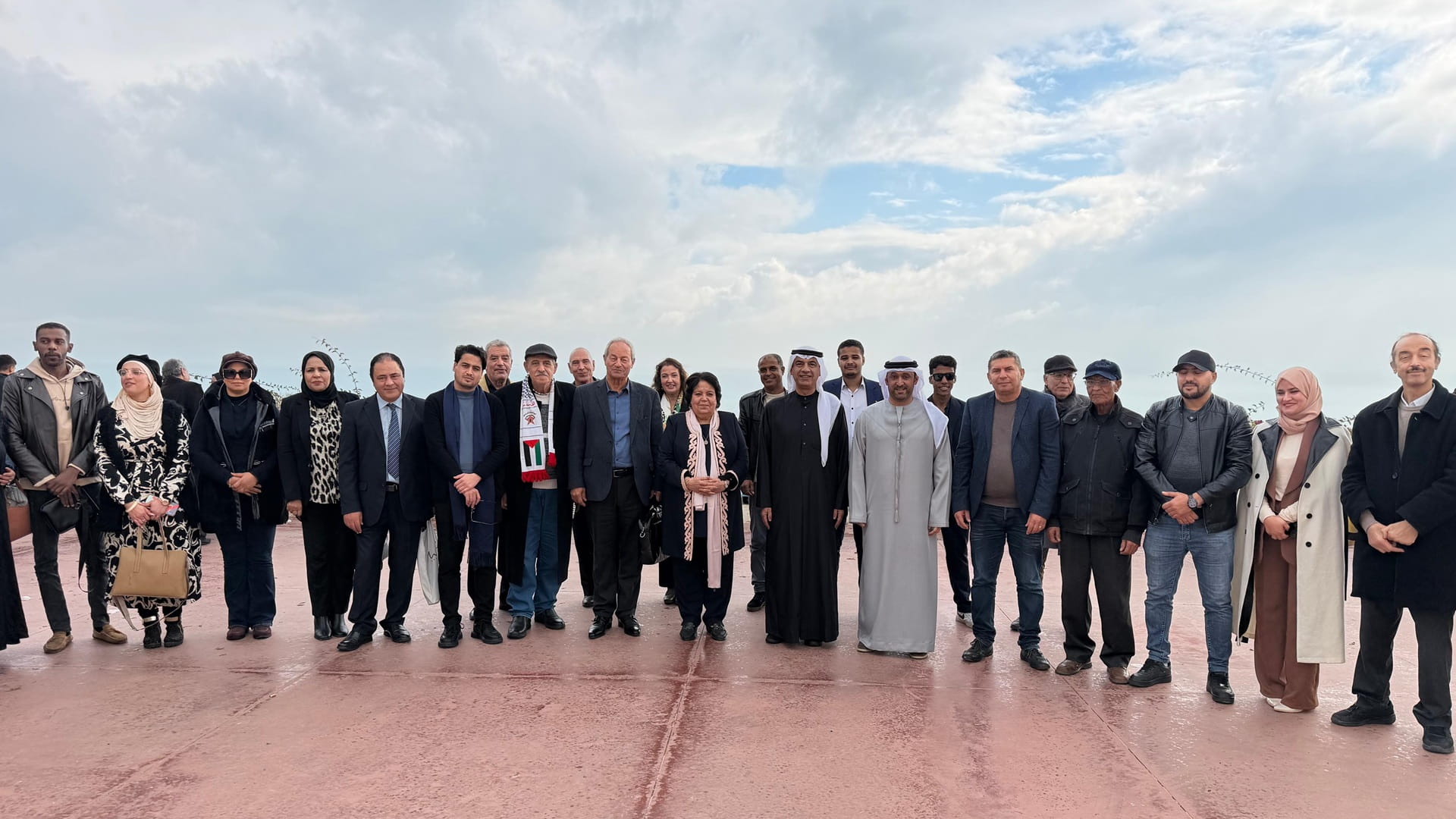
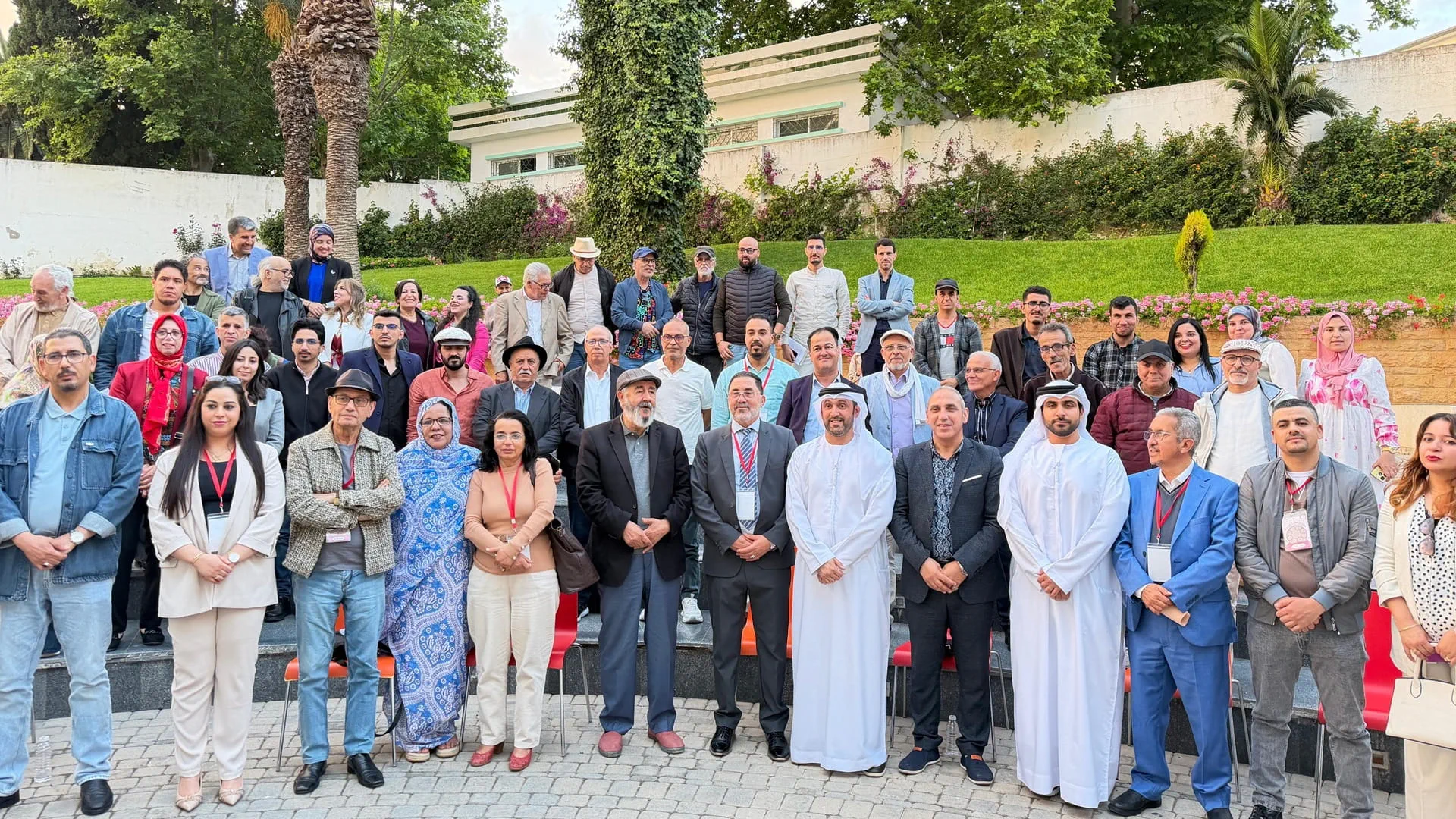
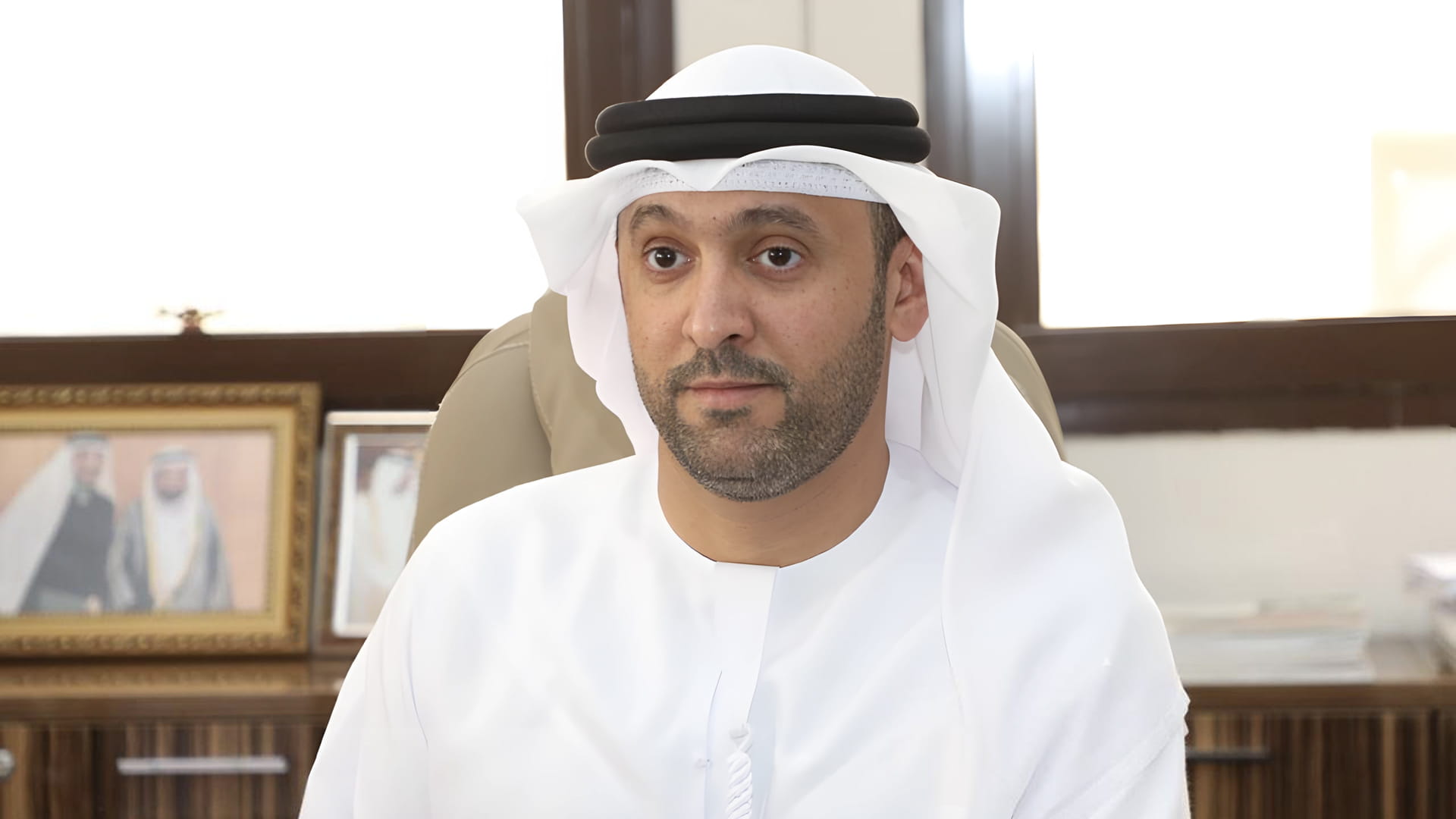
The festival was held under the patronage of His Highness Sheikh Dr Sultan bin Mohammed Al Qasimi, Supreme Council Member and Ruler of Sharjah, and was organised by the Sharjah Department of Culture. It featured distinguished participation from Tunisian and Arab poets, critics, and writers from Algeria and Libya. The closing ceremony, held at Ennejma Ezzahra Palace, was attended by His Excellency Abdullah bin Mohammed Al Owais, Chairman of the Sharjah Department of Culture; Mr Mohammed Ibrahim Al Qasir, Director of the Department's Cultural Affairs Division; poet Jamila Al Majri, Director of the House of Poetry in Kairouan; and a gathering of poetry and literature enthusiasts.
In her closing remarks, Jamila Al Majri stated: "Sharjah's ongoing support for Arab culture, and the celebration of ten years since the establishment of the Houses of Poetry, embody the great importance that His Highness Sheikh Dr Sultan bin Mohammed Al Qasimi, Supreme Council Member and Ruler of Sharjah, places on supporting the cultural movement and enhancing the presence of poetry and literature in the Arab world. Throughout these years, the House of Poetry in Kairouan has remained open to Arab countries, hosting young poetic talents and providing opportunities for the exchange of literary and cultural experiences. This has contributed to strengthening ties between Arab poets and creating a fertile space for creativity and artistic dialogue between different generations."
She added: "The House of Poetry in Kairouan continues its unwavering support for young talents through training programmes, workshops, and regular poetry readings. This has contributed to honing the skills of emerging poets and enabling them to participate effectively in the Arab cultural scene. The House has also strengthened its partnerships with local cultural institutions and hosted joint events, facilitating a broad cultural and artistic exchange and contributing to the dissemination of Arabic poetry and introducing Arab and international audiences to Arabic poetic creativity."
Poetic forms
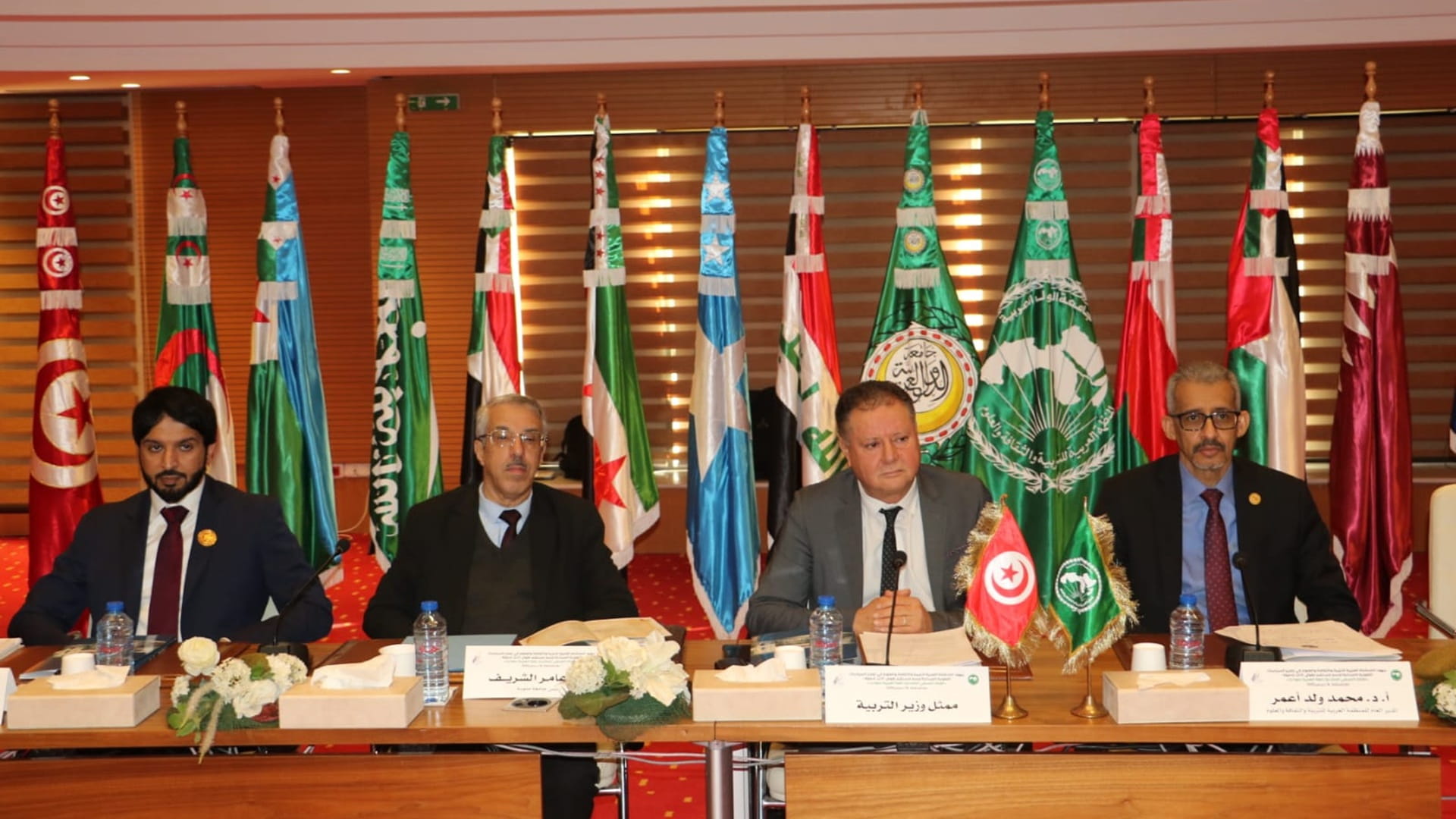
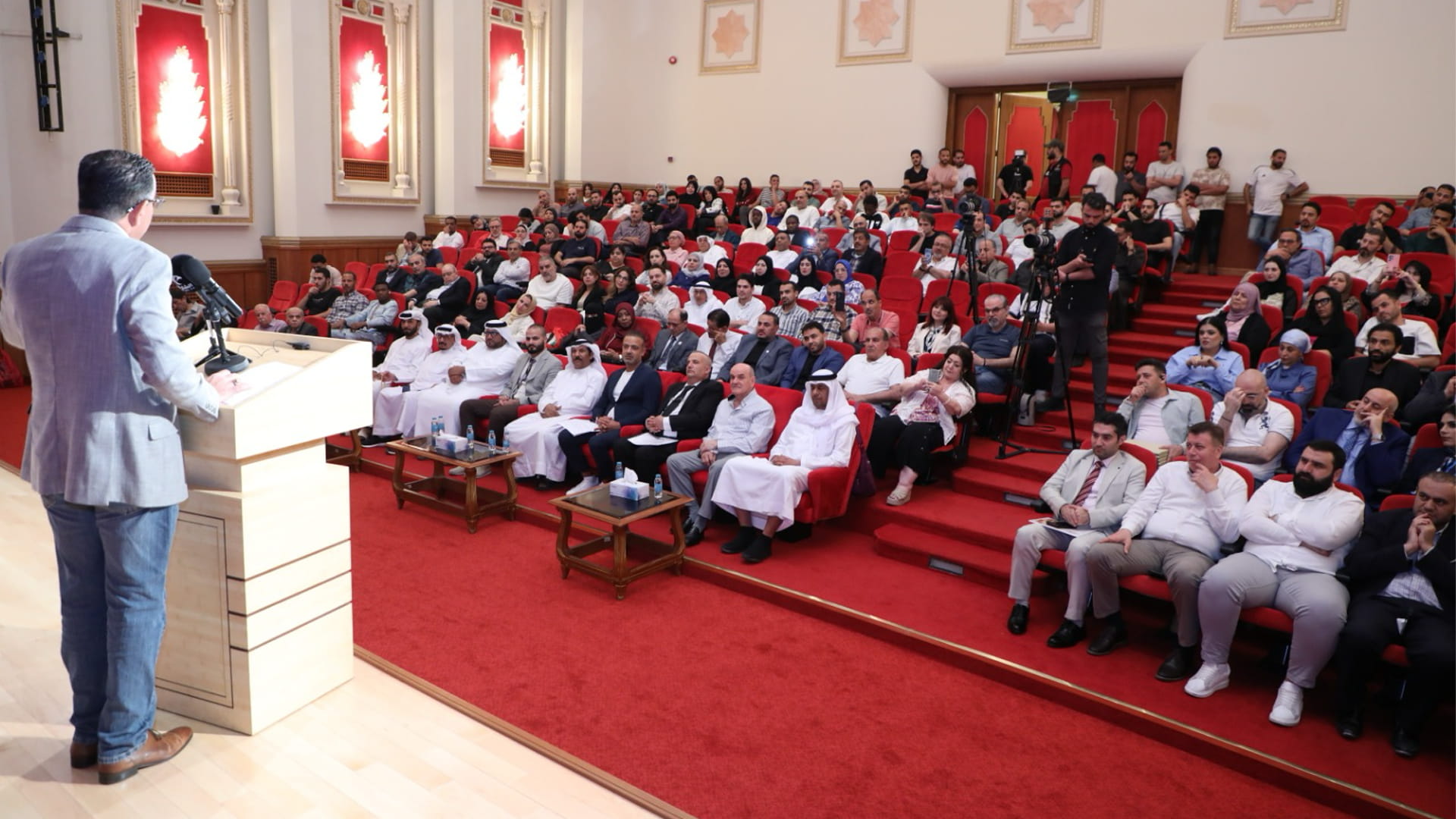
The critical symposium accompanying the festival revisited a significant poetic theme in the history of "Diwan al-Arab" (The Arabs' Anthology) through a seminar entitled "Poetic Forms in the Corpus of Arabic Poetry." Dr Mabrouk al-Mana'i and Dr Fathi al-Nasri spoke at the symposium, which was moderated by Dr Nour al-Huda Badis.
The symposium contributed to a deeper understanding of the importance and richness of poetic forms through a critical reading that explored their transformations and traced their early origins.
The symposium addressed the analysis of Arabic poetic forms, beginning with rajaz, which researcher Al-Mana'i describes as "the first threshold for the transformation of rhymed prose into poetry," then moving through the transition from rajaz to the qasida, the qasida, the muwashshah, and other forms, culminating in modern poetic expression.
The symposium also examined the artistic and aesthetic characteristics of each poetic form, clarifying the historical and cultural contexts that contributed to their formation and transformations, and discussing the relationship between form and content, and its capacity to accommodate intellectual and social shifts throughout the ages.
The symposium emphasised the vitality and breadth of the Arabic poetic corpus, considering it an open space for experimentation and innovation, without straying from the rhythmic and rhetorical roots that have formed the foundation of the Arabic poetic experience.
Readings
After the symposium, the audience was treated to a new series of readings. Before that, however, the young poets returned to the festival stage, inaugurating the sessions with these emerging voices: Mayari Al-Lubnan (10 years old), Muhammad Ali Khader (10 years old), Maram Muthnani (10 years old), and Amin Muthnani (12 years old).
The first session featured poets: Munsif Al-Wahibi, Sharifa Badri, Shuaib Koussa (Algeria), Muhammad Adel Al-Hammami, Nihad Al-Maalawi, and Suhad Al-Hamrani.
The readings offered a distinctive artistic experience, revisiting moments from the past and drawing inspiration from the aesthetic imagery of those scenes etched in memory, translating human emotions and experiences into vibrant texts.
The poetry readings continued, with the second session featuring poets Mukhtar Mohamed Ahmed (Mauritania), Nabeha Al-Suwaissi, Fadel Al-Mahri, Tawfiq Al-Hamzawi, and Hussein Mamadi (Algeria), Munir Musaddiq, and Hasiba Al-Qanuni.
Cultural unity poets and critics participating in the Kairouan Festival of Arabic Poetry praised the establishment of poetry houses across the Arab world, noting that these houses represent a significant development since His Highness Sheikh Dr Sultan bin Mohammed Al Qasimi, Supreme Council Member and Ruler of Sharjah, called for their creation. They emphasised that these houses reinforce the unity of Arab culture.
Participants expressed their gratitude to Sharjah for its role as a cultural hub for Arab creators, pointing out that while some intellectuals face difficulties in showcasing their work, Sharjah steps in to support and empower them, providing them with everything they need.
Tunisian critic and writer Hatem Al-Fatnasi said: "We congratulate ourselves, as intellectuals, creators, academics, and critics, on the tenth anniversary of the establishment of poetry houses in the Arab world. This was a landmark event in Arab culture since His Highness Sheikh Dr Sultan bin Mohammed Al Qasimi, Supreme Council Member and Ruler of Sharjah, called for their establishment. From that pivotal historical moment, His Highness strived to establish these houses, which serve as creative incubators for Arabic poetry, poetry criticism, and training in poetry writing for young people and children. This is a momentous event in Arab culture."
Al-Fatnasi emphasised that poetry teaches moderation and avoids extremism, noting that this is what the Houses of Poetry have instilled.
Poetry houses are spread throughout the Arab world, and the House of Poetry in Kairouan, which served as a creative gateway for the Maghreb region and the wider Arab world, is a prime example. One of the House of Poetry's most notable contributions was its academic role, particularly its invitation to critics to discuss issues of poetry and Arab thought.
The Tunisian poet and critic, Moncef Ouhaibi, stated: "The House of Poetry in Kairouan, on its tenth anniversary, and having attended almost all of its cultural and poetic events and activities, is playing an unparalleled cultural role, solidifying the traditions of poetry and the love of the Arabic language, and bringing the public back to poetry."
Ouhaibi pointed out that the House of Poetry, with the support of the Emirate of Sharjah, has been able to fulfill all these roles, which are also undertaken by poetry houses throughout the Arab world. Speaking on the occasion of the tenth anniversary of the House of Poetry, Algerian poet Khadija Tayeb said: "Since its founding, the House of Poetry in Kairouan has been a valuable addition to the Tunisian, Maghrebi, and Arab cultural scene in general, serving as a vibrant space for celebrating Arabic poetry in its aesthetic and linguistic diversity, and a platform for interaction between different poetic experiences from various generations, styles, and literary backgrounds."
Al-Tayeb added: “As for Sharjah, I see it as a unique Arab model in its patronage of Arab culture, and poetry in particular. It is a distinguished incubator for literary and artistic projects, based on a long-term strategic vision that goes beyond mere symbolic support. It establishes sustainable cultural structures that embrace creativity, preserve the dignity of intellectuals, and provide them with the means for continuity and brilliance. This is clearly evident in the Houses of Poetry project, which has succeeded in creating an Arab cultural network that transcends geography. This network believes in the unity of Arab culture in its diverse voices and strives to elevate Arab identity by celebrating its rich language and poetry as its unique record throughout civilisations and eras.”
The Tunisian poet Sharifa Badri said: “The House of Poetry in Kairouan, nestled in the alleys of the old city of Kairouan and established by the Sharjah Department of Culture, has opened its doors wide to poetry for ten years, thus providing opportunities for poets from across the Arab world to present their poetic experiences.”
She praised Sharjah's efforts "to advance the Arab cultural scene, given its role as the home of this House of Poetry and other Houses of Poetry, and its tangible commitment to supporting creativity and creators in the Arab world, thus making it the Andalusia of Arab culture."
Poetry competition
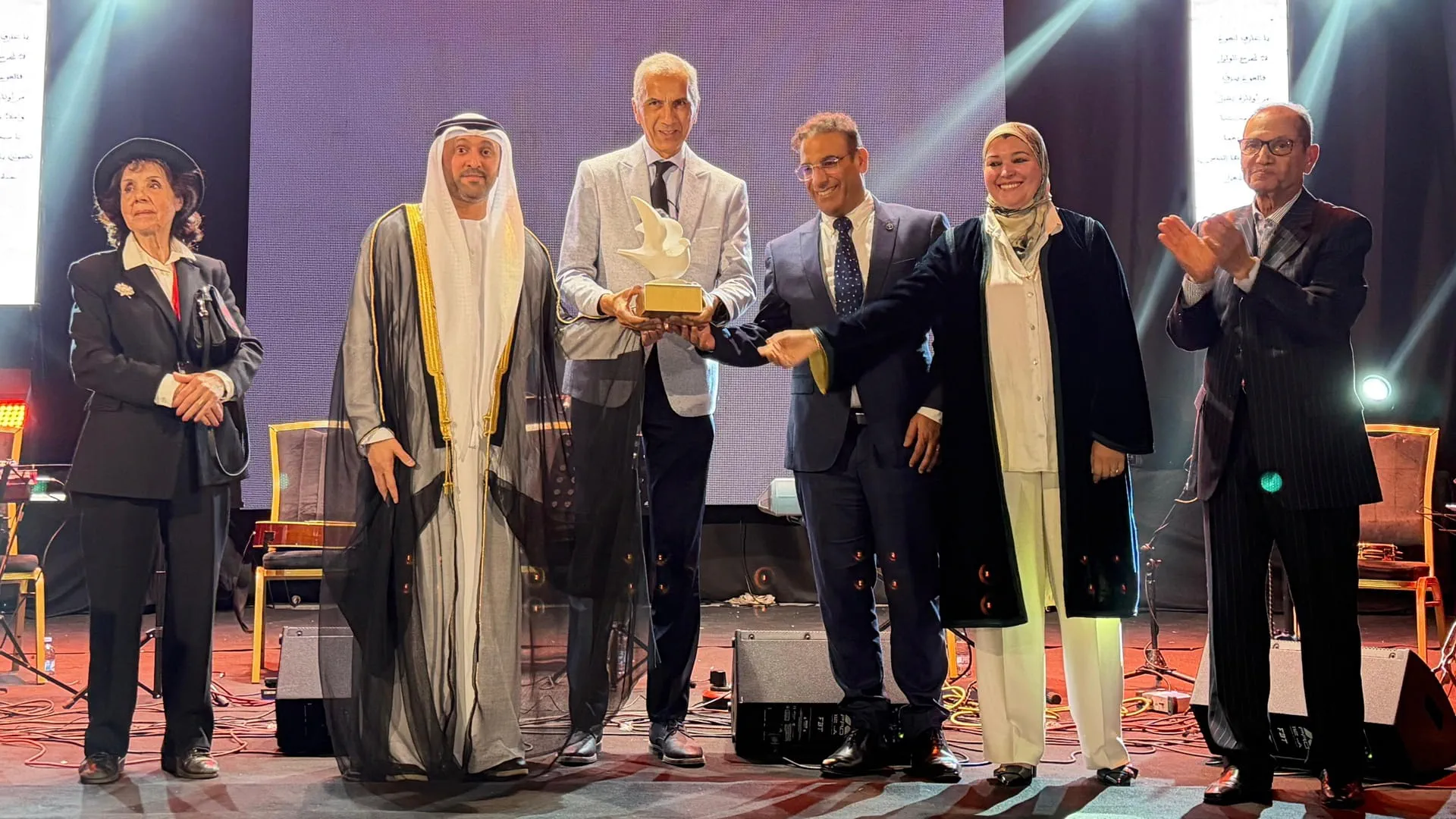
The House of Poetry in Kairouan announced the winners of the "Maghreb Poetry Competition 2025." The award reflects the House's openness to new poetic experiences and voices, its support for young poets, and its nurturing of their talents.
The competition is a key milestone in supporting young poetic talents and a genuine opportunity to discover new voices that embody the pulse of creativity. The winners in this year's competition are: First place: Afrah Al-Jabali from Tunisia; Second place: Shuaib Koussa from Algeria; and Third place: Jamal Amaymi from Tunisia.




 For an optimal experience, please