
Loading...
Loading...

Dangerous conditions and prolonged impacts
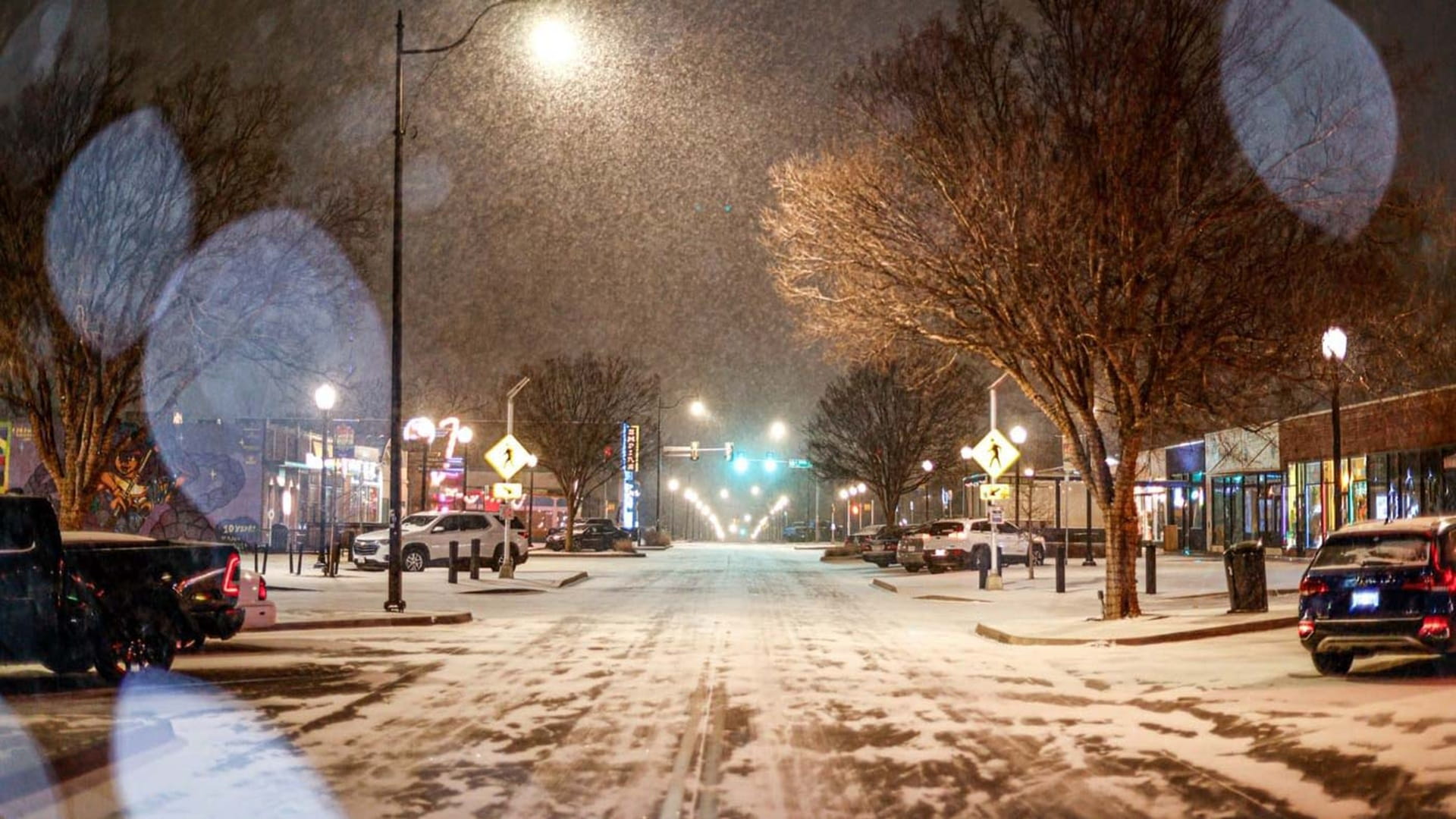
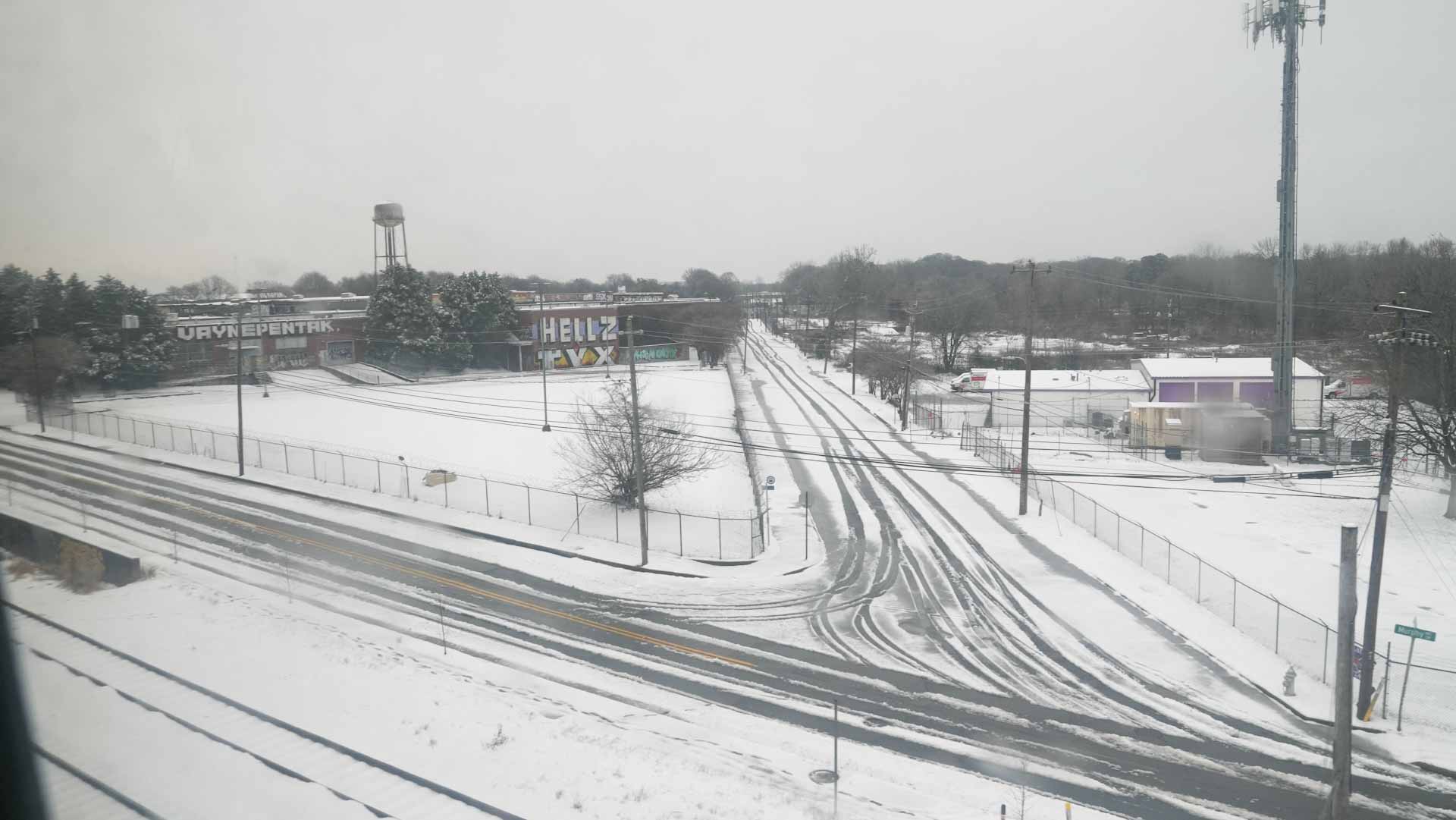
The storm delivered a mix of snow, sleet, and freezing rain, while an arctic air mass trailing behind it is expected to push temperatures to dangerously low levels for several days. The National Weather Service warned that repeated freezing will keep roads and walkways icy and unsafe well into next week.
Widespread power outages
According to PowerOutage.com, more than 700,000 customers were without electricity by Sunday morning, mainly in southern states where severe winter weather is uncommon. Tennessee alone reported nearly 250,000 outages, while Texas, Mississippi, and Louisiana each recorded more than 100,000 customers without power.
Travel disruptions and states of emergency
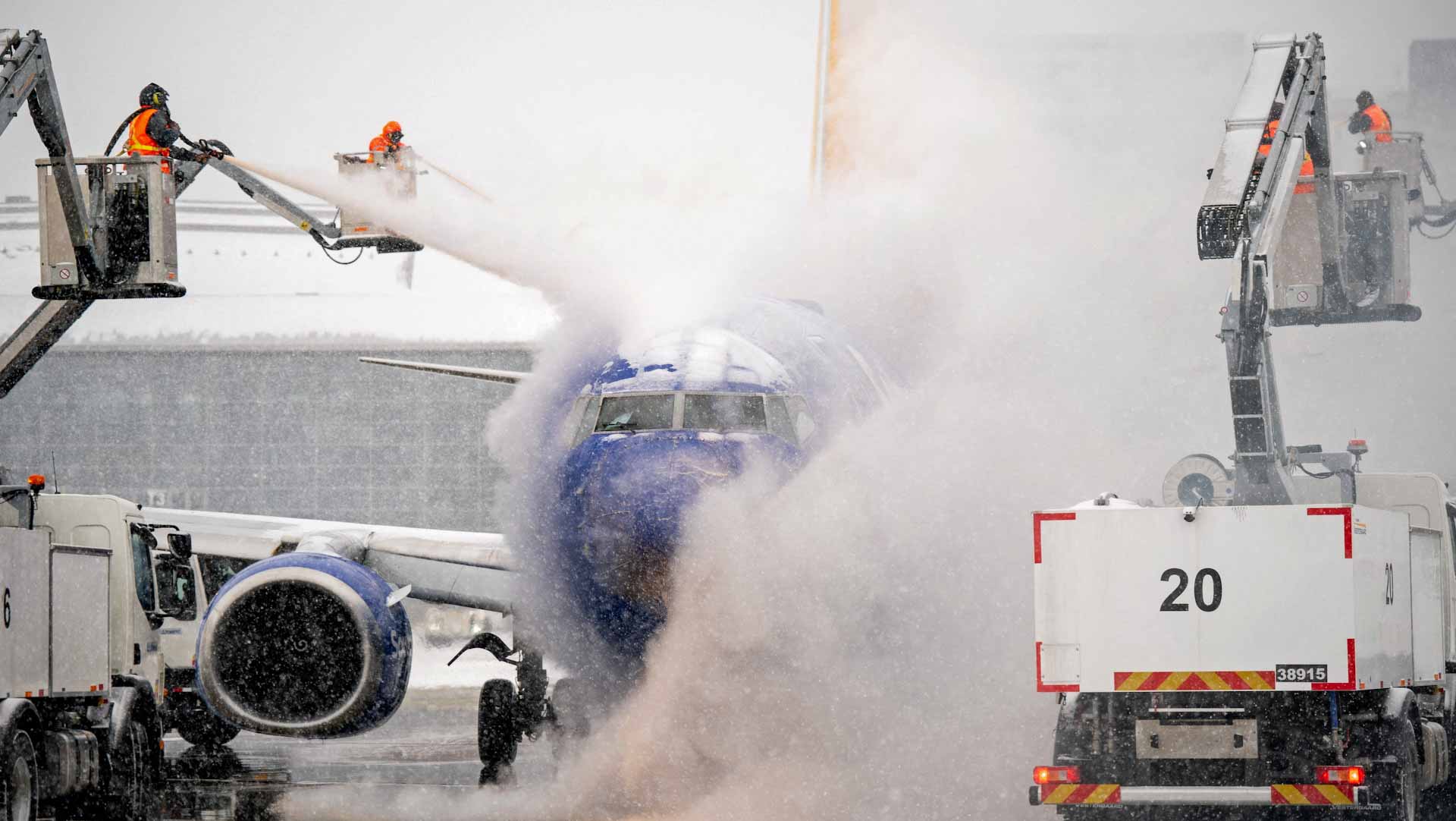
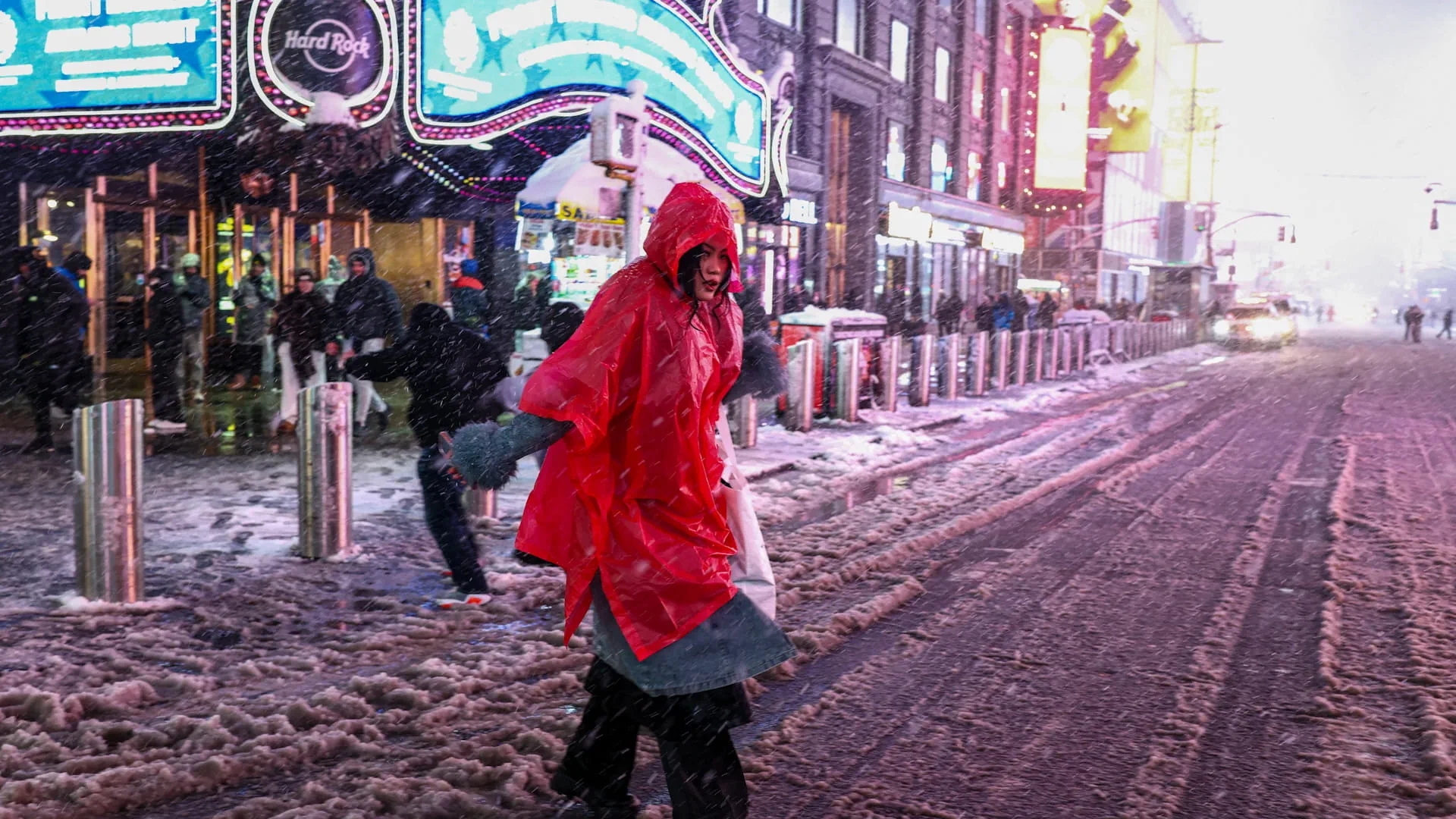
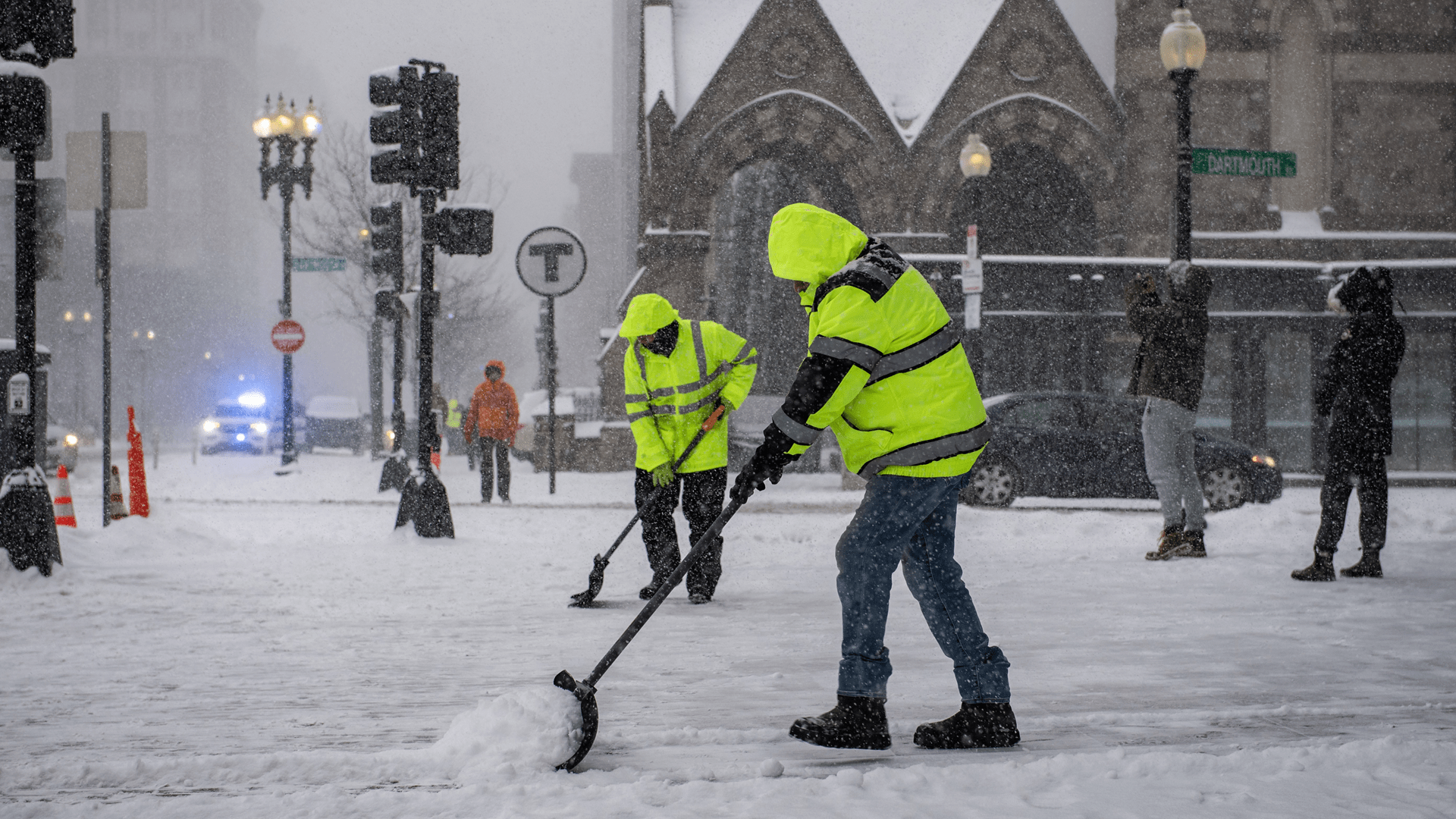
At least 20 states and Washington, DC, declared states of emergency as the storm moved northeast, dumping snow on major population centres along the East Coast. Federal offices in Washington were closed preemptively for Monday, while airports in Washington, Philadelphia, and New York saw widespread flight cancellations. More than 10,000 flights were canceled nationwide on Sunday, following over 4,000 cancellations the previous day.
Federal and presidential response
President Donald Trump said federal authorities were monitoring the storm closely and coordinating with affected states, urging residents to stay safe and warm as conditions worsened.
Polar vortex behind the storm
Meteorologists attributed the storm to a disrupted polar vortex, a system of cold Arctic air that occasionally stretches southward, allowing extreme cold to spill across North America. While scientists continue to study possible links between such disruptions and climate change, the National Weather Service warned that heavy ice could cause prolonged power outages, extensive tree damage, and dangerous travel conditions.
Life-threatening cold ahead
Authorities cautioned that life-threatening cold could persist for up to a week after the storm, particularly in the Northern Plains and Upper Midwest, where wind chills could plunge below minus 50°F (minus 45°C). At such temperatures, frostbite can occur within minutes.

 For an optimal experience, please
rotate your device to portrait mode.