
Loading...
Loading...

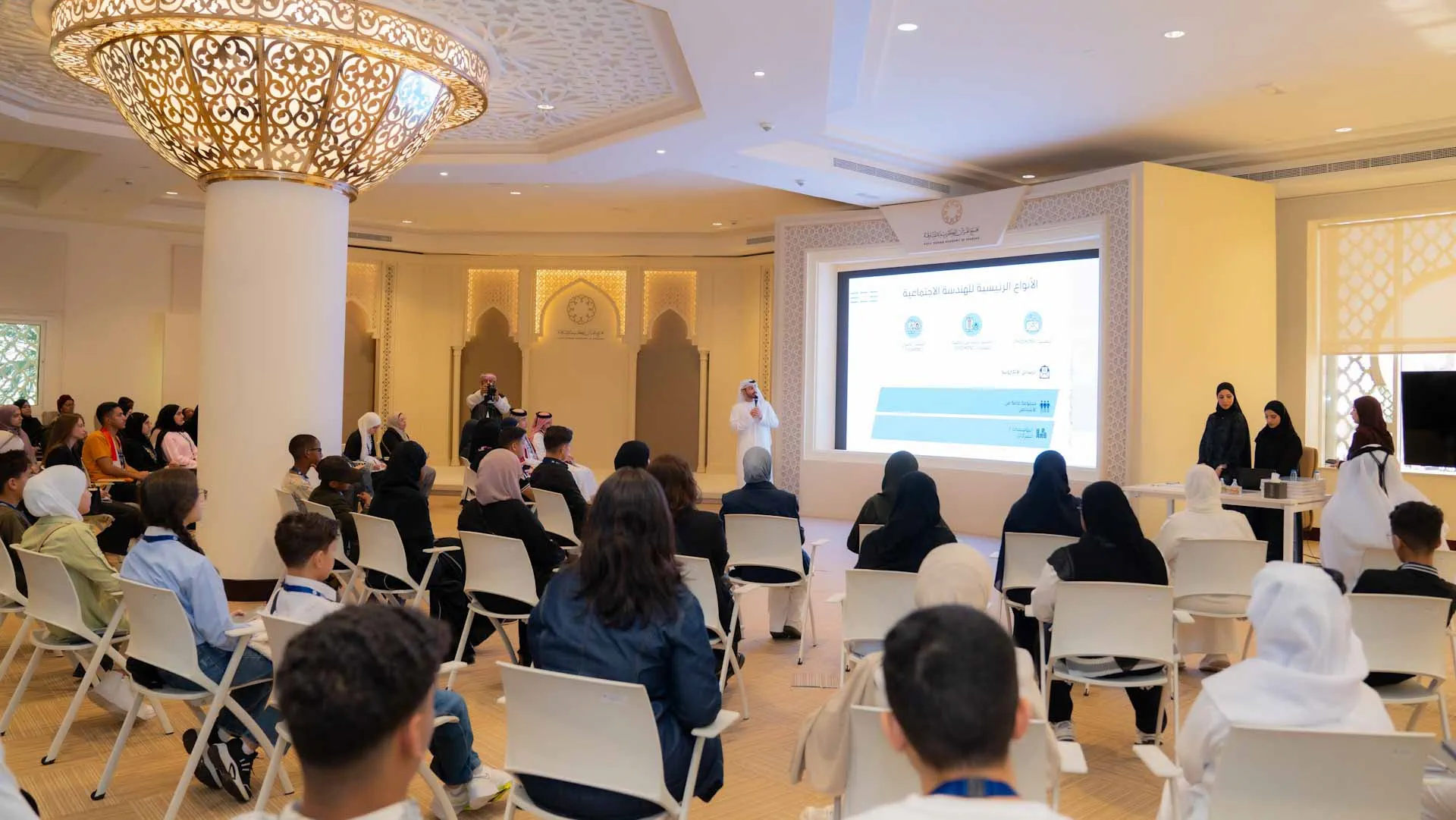
The workshop was organised as part of APC dedication to empowering its members with knowledge and skills in contemporary issues, particularly digital security, which is considered one of the most important requirements of the modern era, especially given the rapid pace of technological advancement and the increasing reliance of younger generations on digital media for education, communication, and daily life.
The workshop addressed four main themes, forming an integrated framework for understanding digital challenges and how to prevent them. The first theme focused on social engineering, explaining deceptive tactics targeting individuals and information, and how fraudsters can exploit trust or a lack of awareness to obtain sensitive data. It also provided real-world examples and practical guidance to help children identify these tactics and deal with them responsibly. The second session focused on malware and digital threats affecting devices, explaining the types of viruses and malicious programs and their methods of propagation. It also reviewed best practices for protection, such as updating systems, using security software, and avoiding suspicious links. The third session addressed mobile device security, educating members on the fundamentals of safe smartphone and tablet use in daily life, the importance of securing wireless networks, and the dangers of sharing personal information through untrusted applications. It also emphasised promoting a culture of digital responsibility.
The workshop concluded with a session on digital privacy protection, focusing on maintaining the security and confidentiality of personal data digitally. It explained the concept of digital footprinting and its future implications, while also guiding children on the importance of password management and adjusting privacy settings on social media platforms.
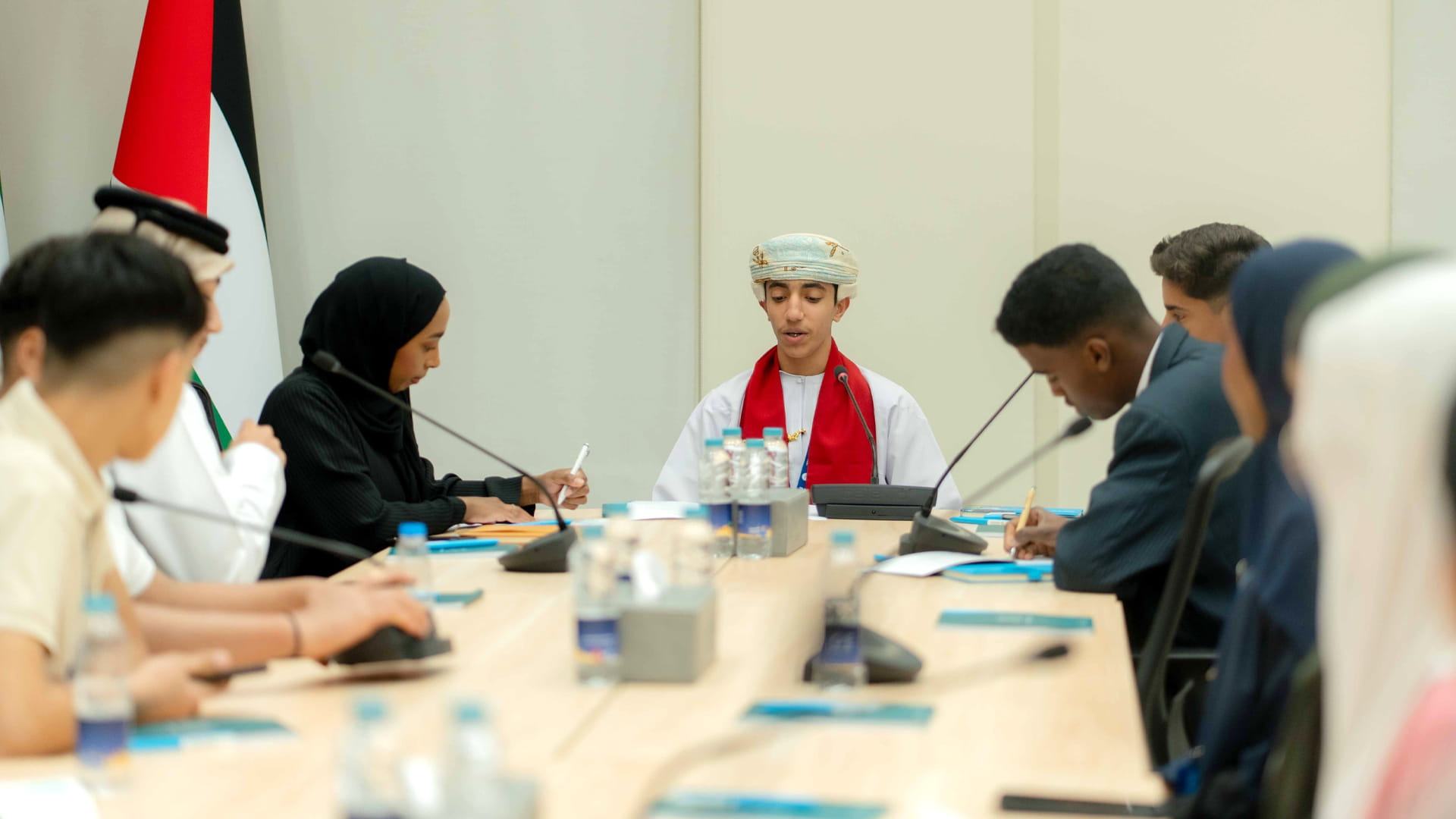
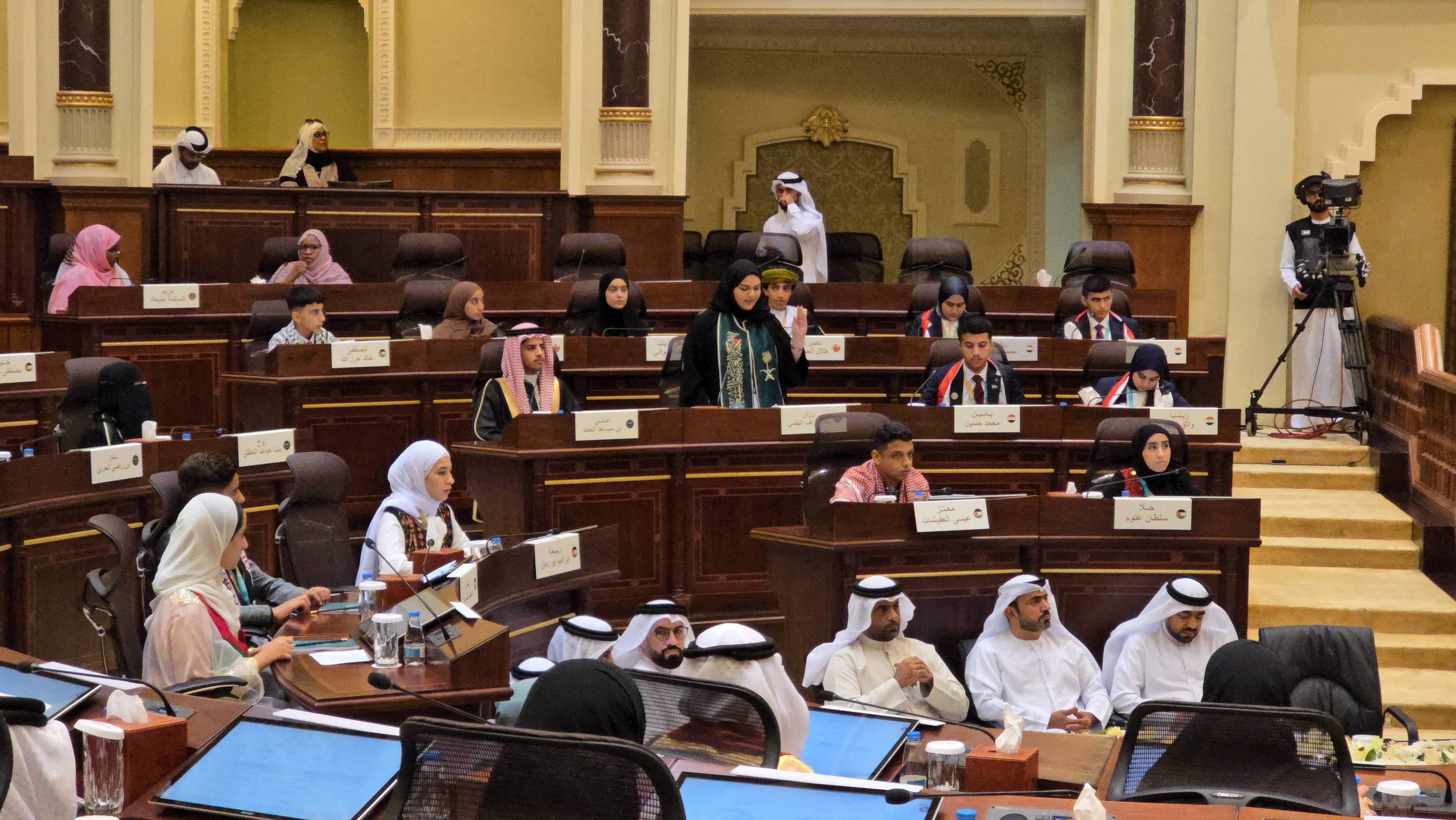
The workshop was presented by Ahmed Ali Al Nuaimi, Aisha Humaid Al Darmaki, and Hessa Sultan Shattaf from the Sharjah Digital Department. They ensured the content was delivered in a simplified, interactive style that combined theoretical explanations with practical applications, creating a stimulating learning environment. This resulted in significant interaction from the members of parliament, who posed diverse questions and demonstrated their understanding of the subject matter. High level of interest and awareness
Participating children from across the Arab world expressed their significant benefit from the workshop's themes, emphasising that it provided them with important information that enhances their ability to protect themselves digitally and cultivates a sense of responsibility in dealing with modern technologies.
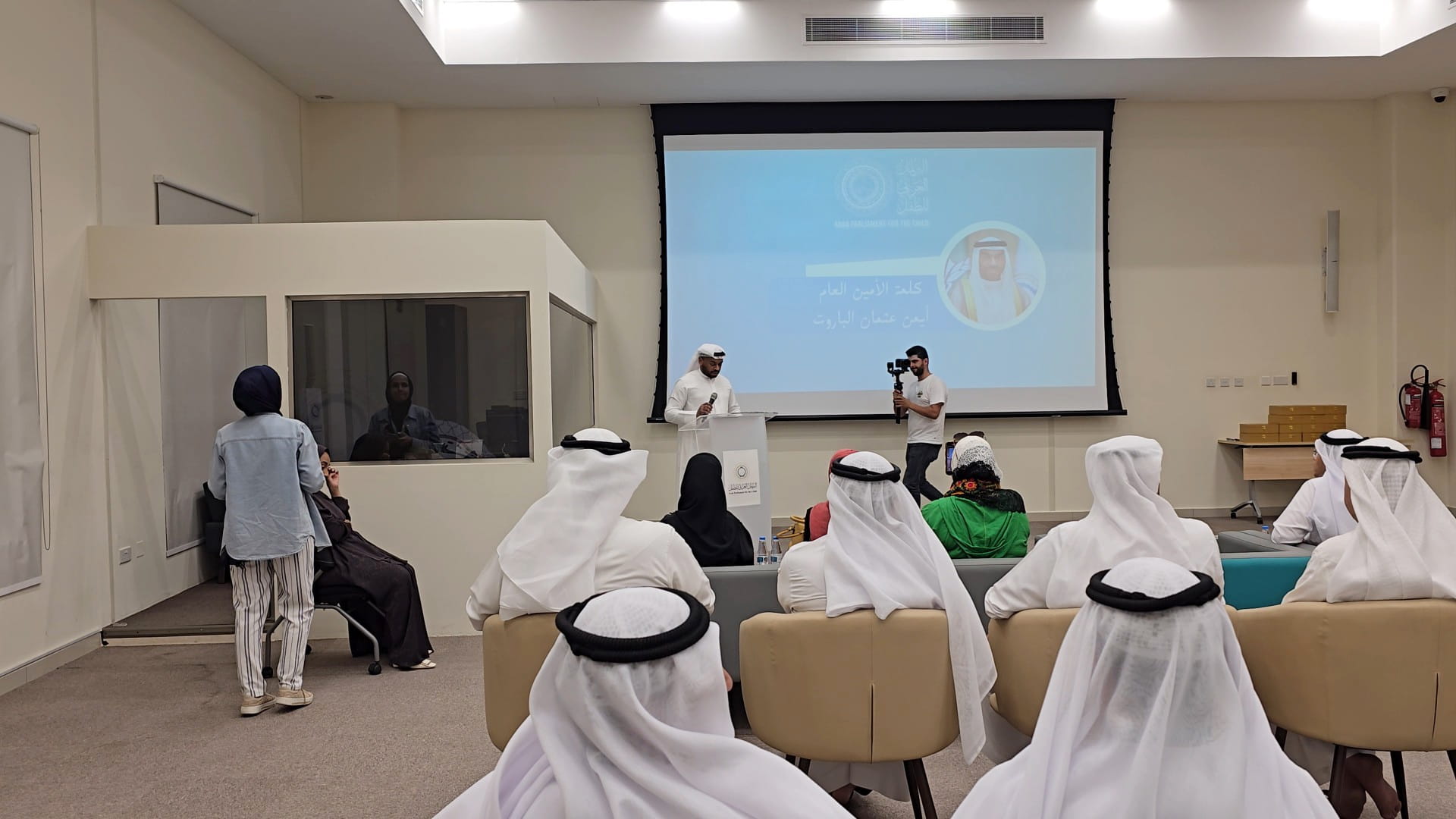
In a statement on this occasion, His Excellency Ayman Othman Al-Barout, Secretary-General of the Arab Parliament for the Child, affirmed that organising this workshop stems from the Parliament's vision of preparing a conscious Arab generation equipped with modern knowledge tools and capable of dealing safely and responsibly with the digital space. He pointed out that the cooperation with the Sharjah Digital Department of the Sharjah Government represents a model of institutional partnership aimed at empowering children with future knowledge. He added that investing in children's awareness of cybersecurity is an investment in the security of our societies and their digital future, and strengthens the Parliament's role in building a well-rounded Arab child—cognitively, culturally, and technologically.

 For an optimal experience, please
rotate your device to portrait mode.