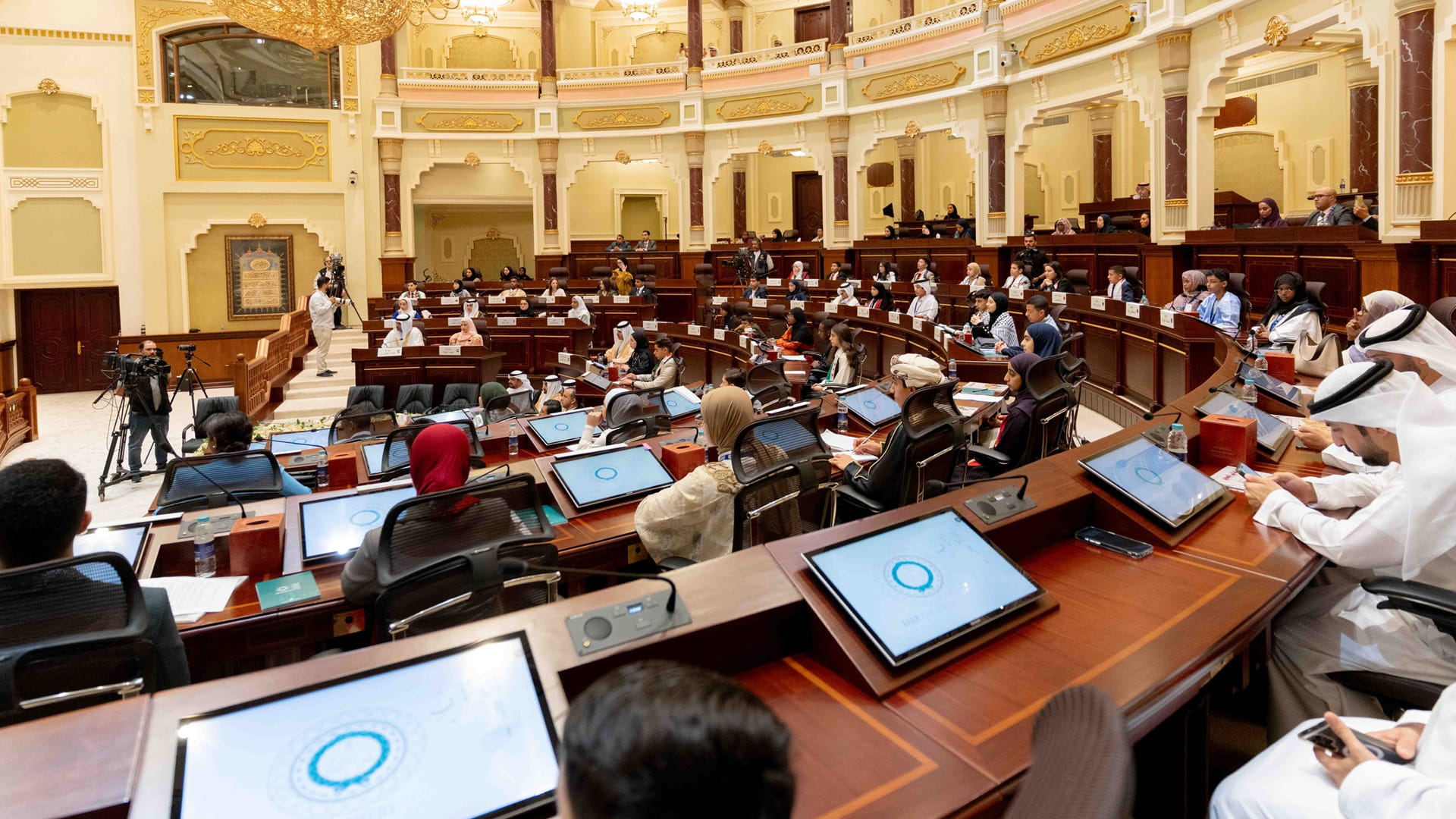
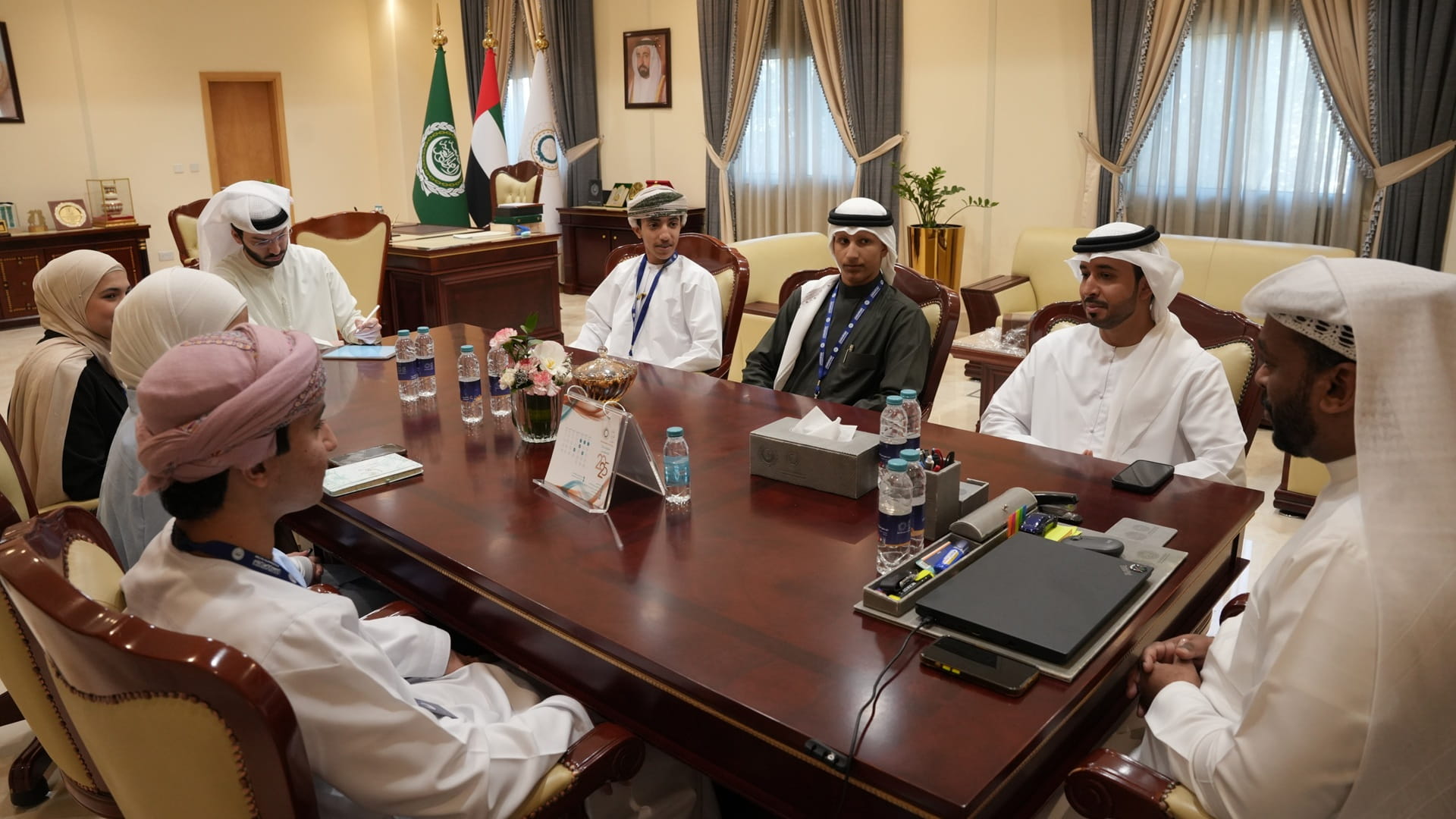
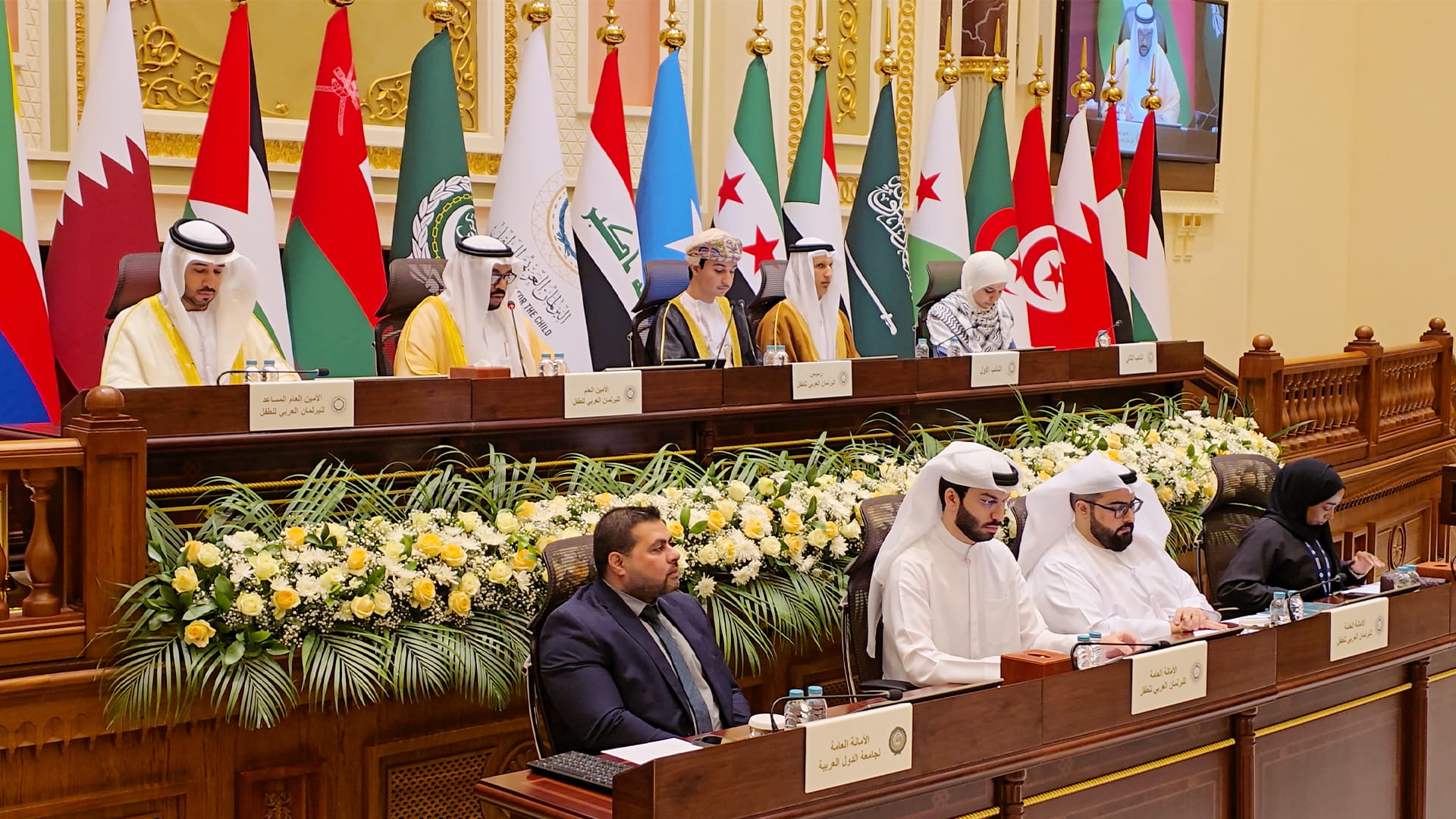
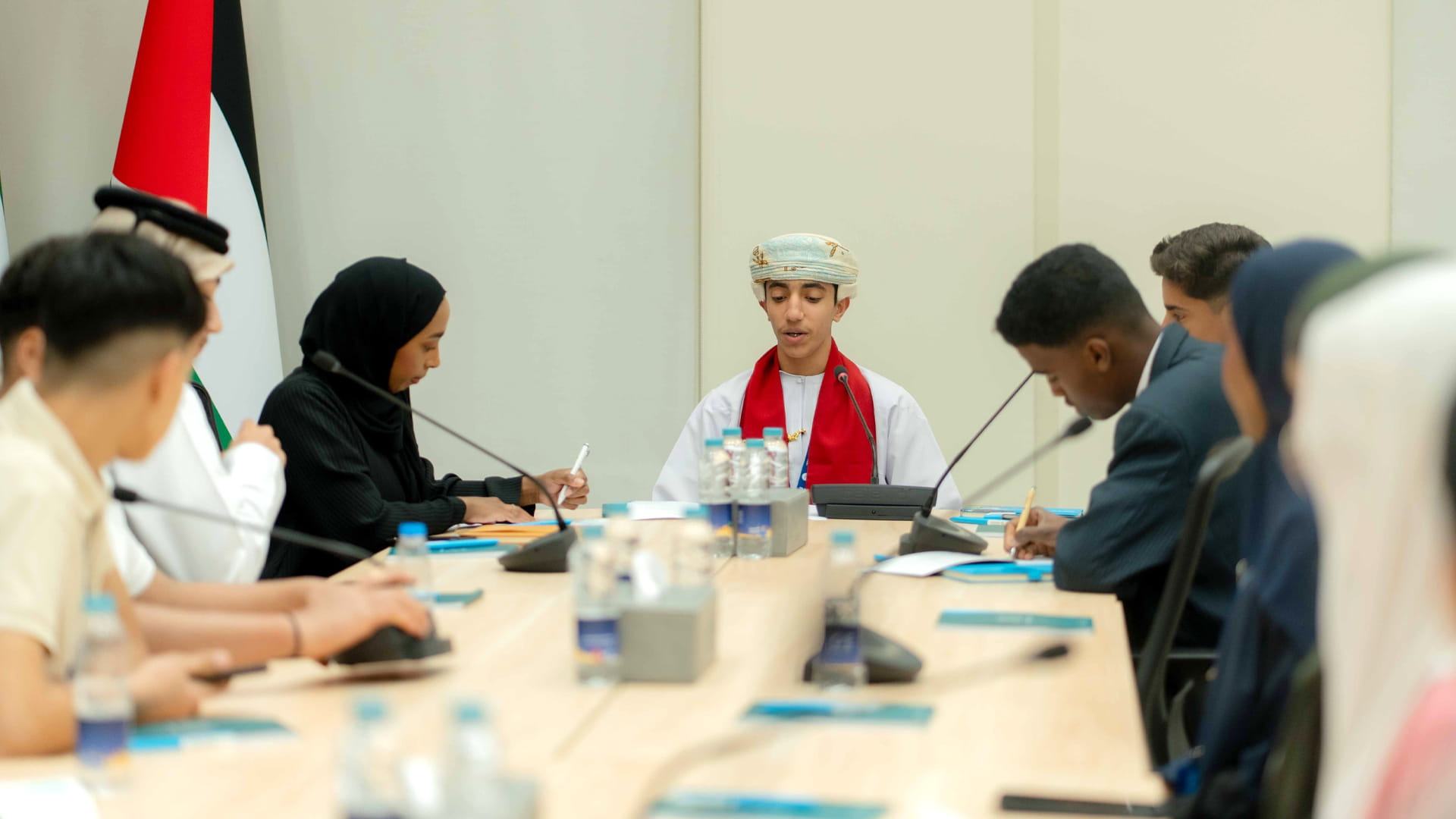
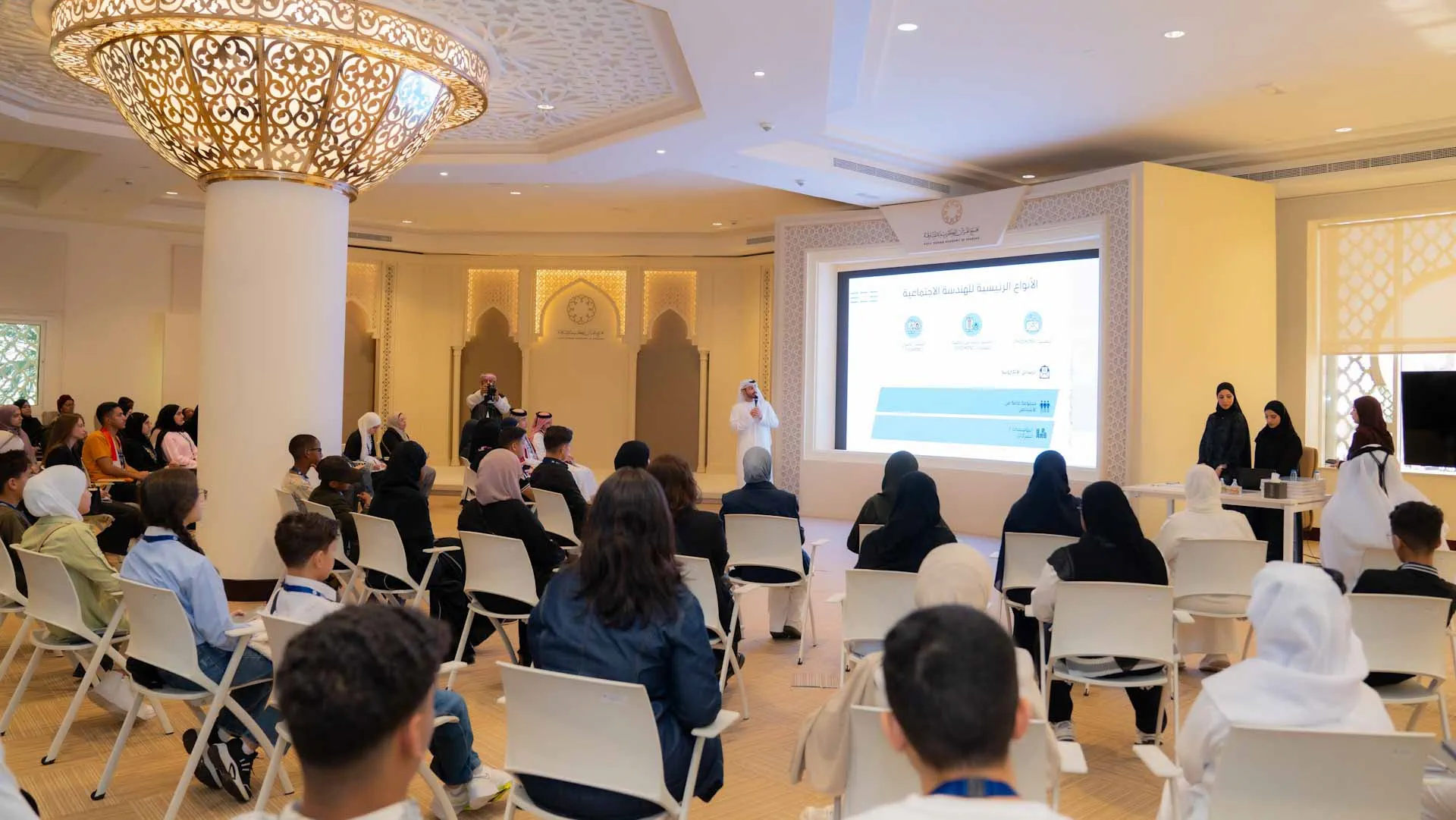
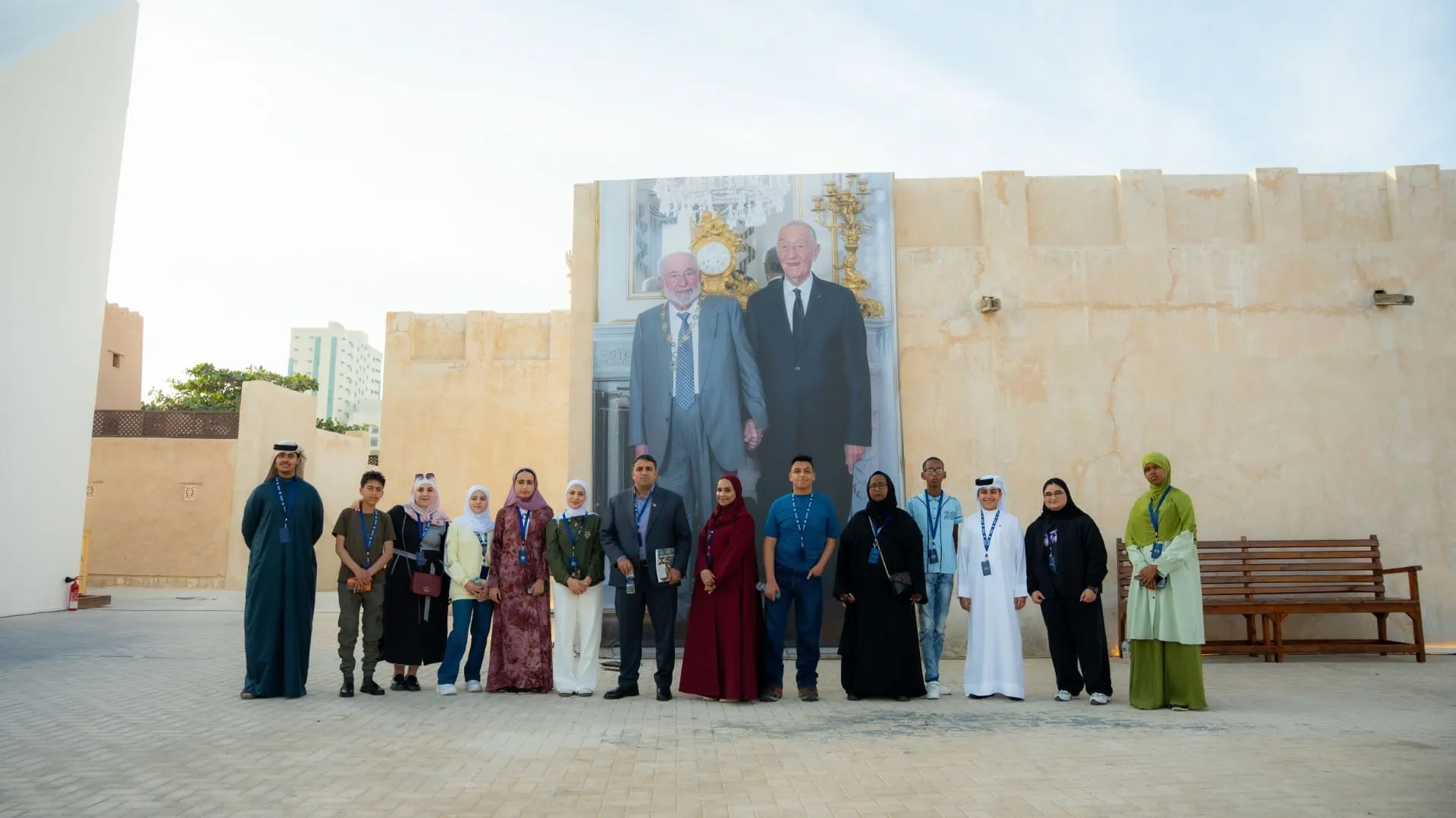
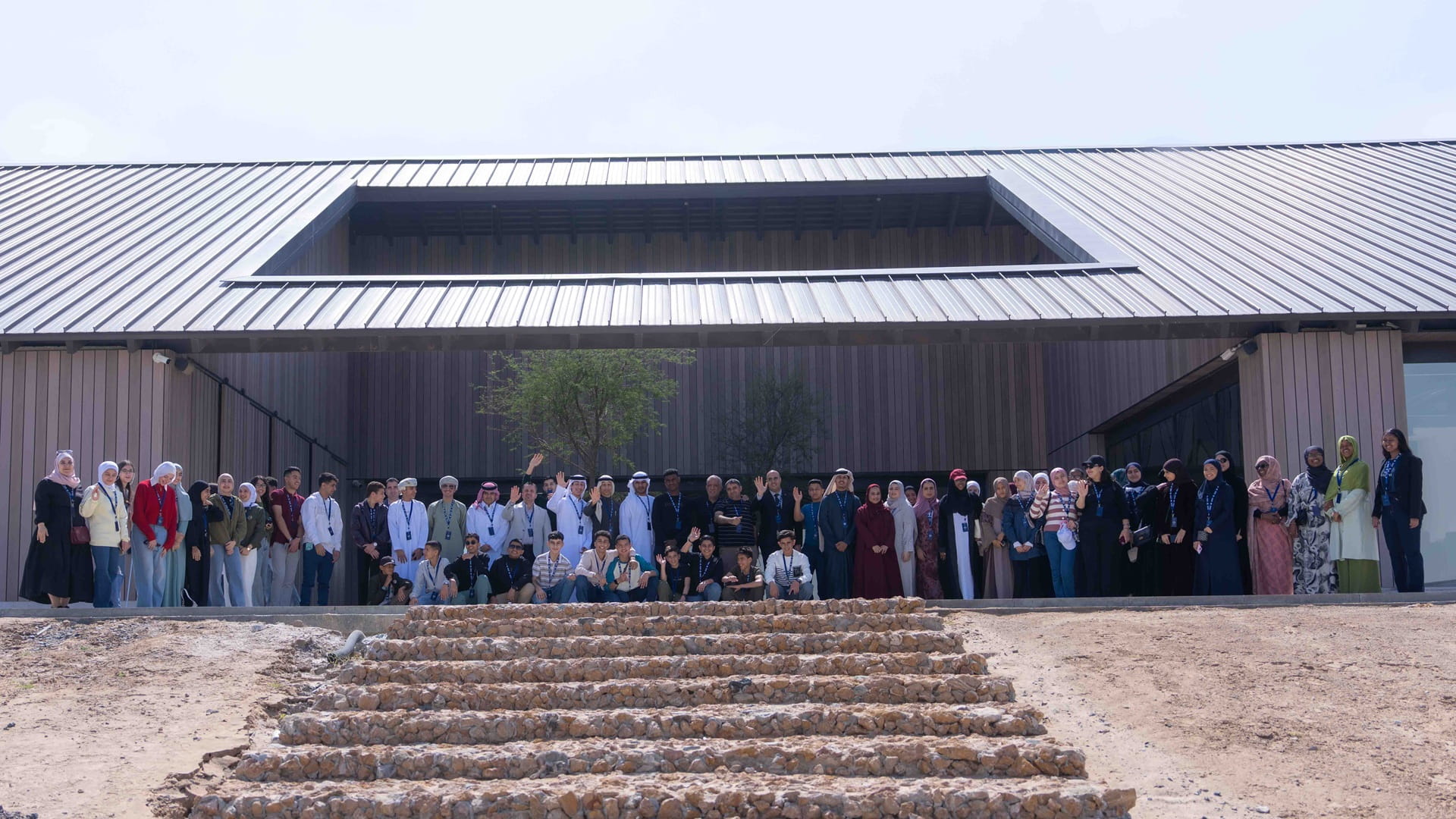
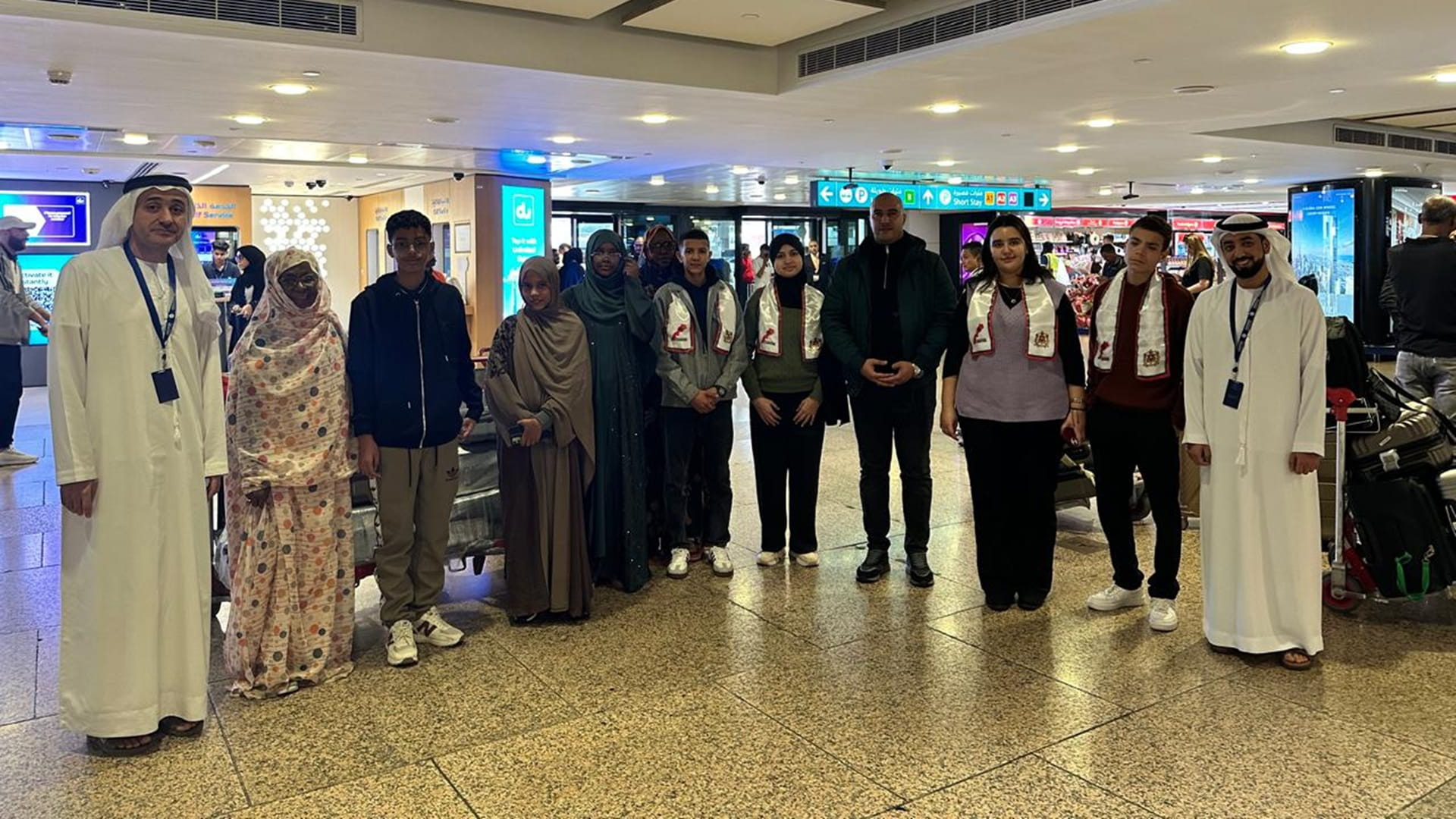
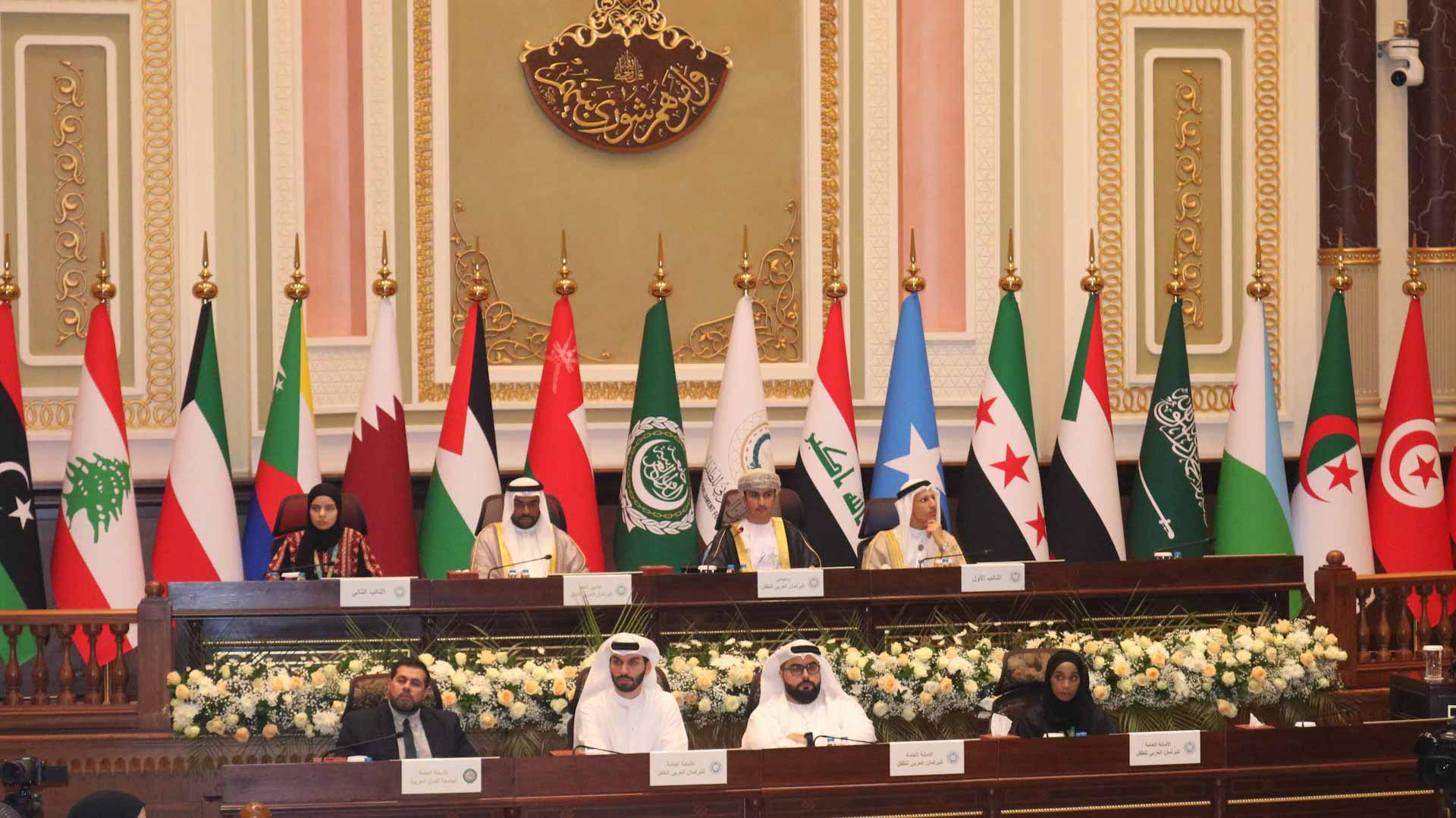
Sharjah24: In a notable parliamentary scene reflecting the maturity of Arab children and their awareness of digital-age challenges, 52 members of the Arab Parliament for the Child, representing 16 Arab countries, delivered comprehensive interventions during the third session of its fourth term. They agreed on moving beyond merely warning about online risks towards building an integrated Arab protection system based on legislation, awareness, content creation and the launch of an Arab index to assess the safety of content directed at children.
Session in Sharjah
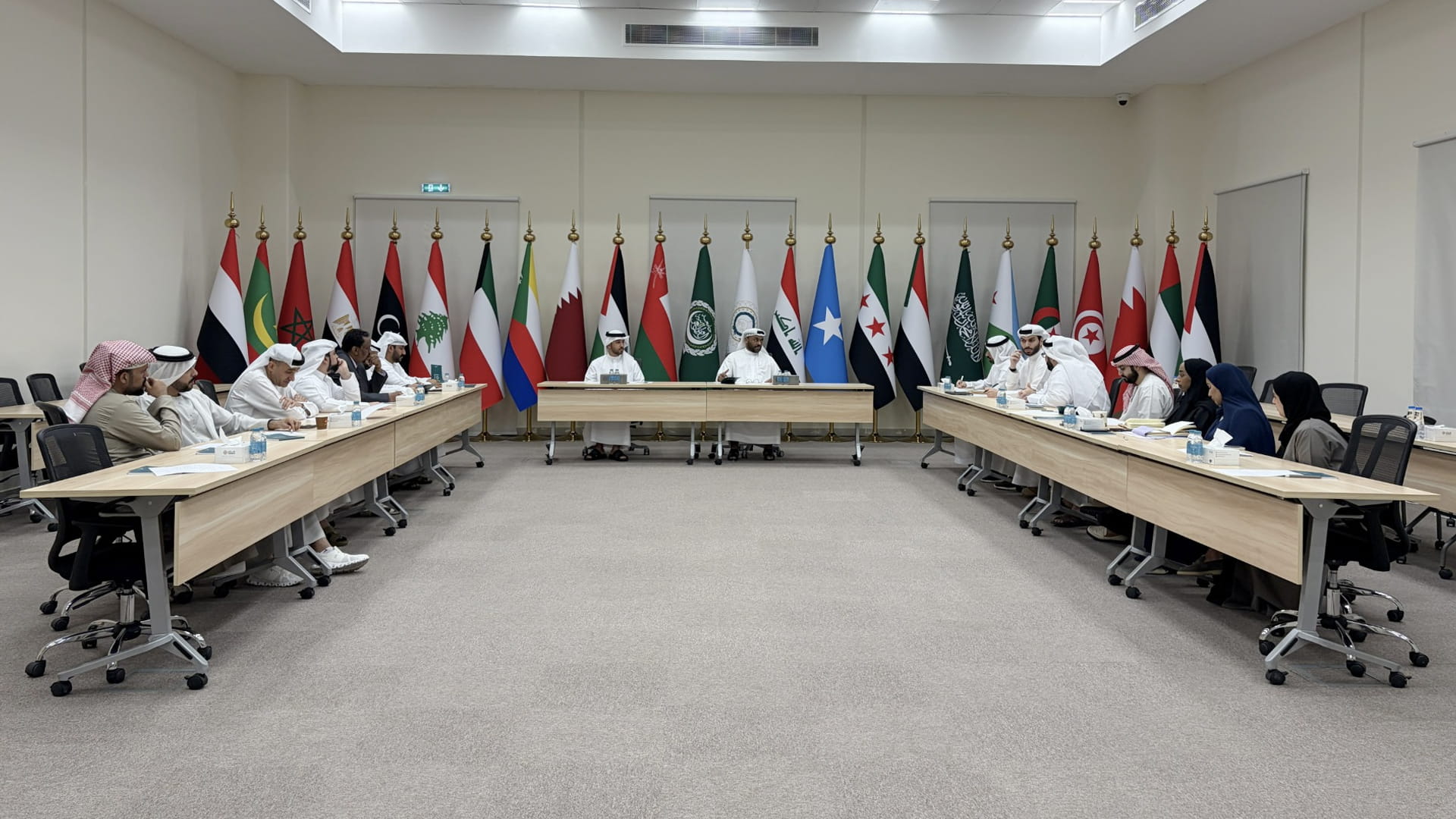
The session, held at the headquarters of the Sharjah Consultative Council, focused on “Cybersecurity: Towards child-friendly content for Arab children”. Discussions covered four main themes: Arab children in the digital space and safe media, mental health and wellbeing in the digital world, the media’s influence on personality development, and strengthening child protection within safe family and community environments.
Practical proposals for digital protection
Shaikh Hamid bin Khalid Al Qasimi of the UAE opened the interventions with a proposal to require social media platforms operating in Arab countries to activate a “digital child protection system”, including mandatory awareness material when opening accounts, a permanent reporting button and direct links to child protection authorities. He suggested piloting the system in the UAE before expanding regionally, drawing on the vision of Sultan bin Mohammed Al Qasimi and the child-focused initiatives of Jawaher bint Mohammed Al Qasimi.
From Bahrain, Abdullah Yousif Bu Jeri said cybersecurity ensures children’s psychological and social stability, citing his country’s national cybersecurity centre and strategy, and calling for “algorithmic protection” and a binding Arab charter for child-friendly content. Fajr Ahmed Al Dhari proposed a “cybersecurity-friendly certificate” for children and an Arab reporting platform for harmful content.
Education, wellbeing and awareness
Zainab Wathiq Karim of Iraq called for a “Digital Safety Ambassadors” programme and an Arab award for safe children’s content, with attention to psychological impacts. From Lebanon, Joya Adel Al Shabab warned of data theft and blackmail, urging strict algorithm controls and joint Arab cooperation.
Al Afra bint Saif Al Oufiya of Oman stressed cybersecurity as a necessity, proposing a regional child protection centre and a “digital passport” to promote safe online behaviour. Others highlighted the need to embed cybersecurity culture in schools and communities and to create safe Arab platforms that respect identity.
Curriculum and legal measures
Participants from Egypt called digital safety a fundamental child’s right, proposing curriculum integration, awareness platforms and psychological support rooms for victims of cybercrime. UAE member Aisha Ahmed Al Khayal recommended simplifying cybersecurity concepts for children and expanding the “Digital Life Ambassadors” app launched by the Sharjah Social Services Department.
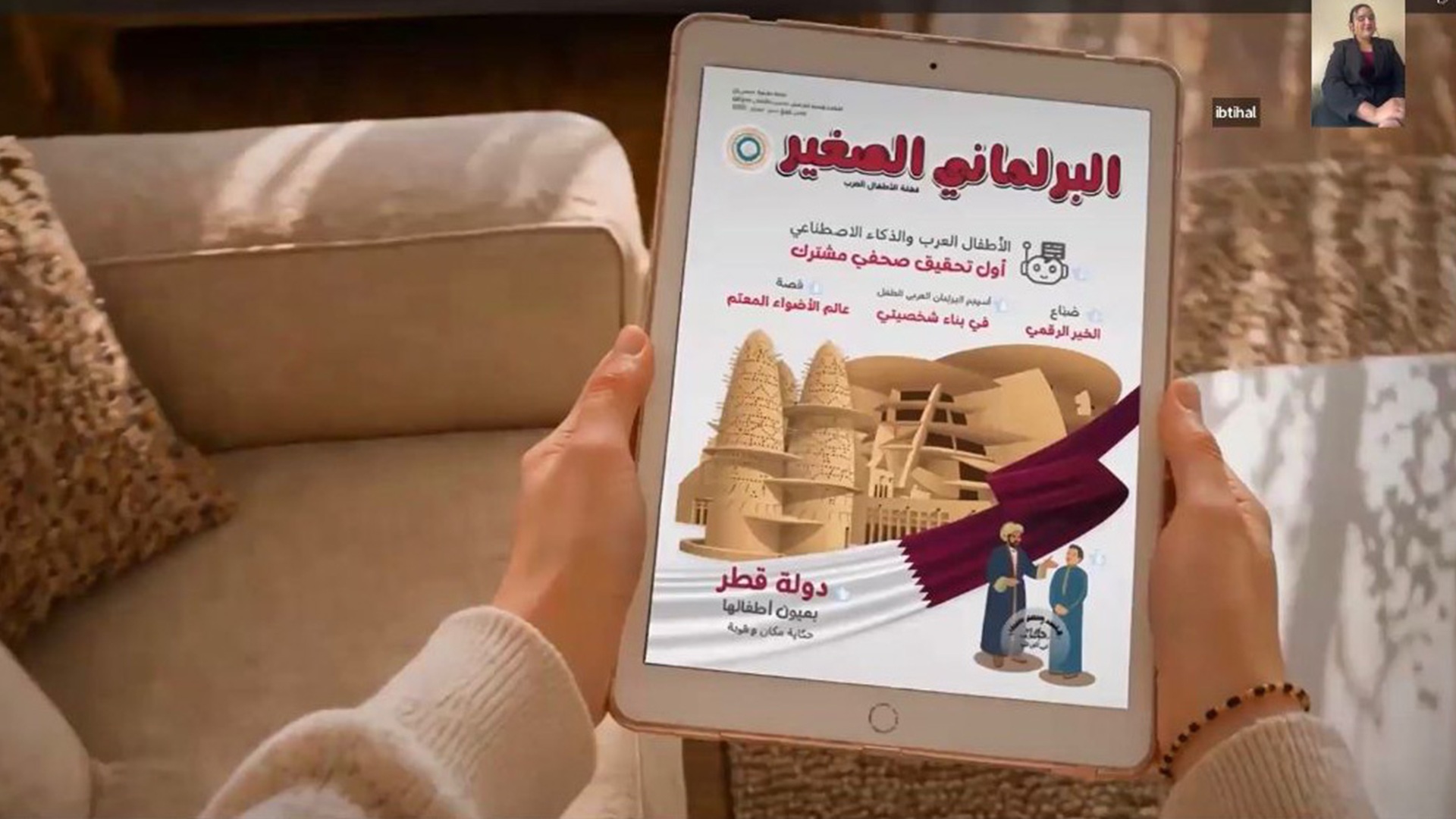
Delegates from Morocco, Palestine, Jordan, Syria, Qatar and Libya proposed measures including regulating digital media, creating listening centres in schools, establishing a national cyber vigilance centre, strengthening family–school cooperation, reviewing laws, enforcing penalties for offenders, promoting programming skills and dedicating school days to digital awareness.
Towards an Arab index for safe content
In a strategic proposal, Adam Ait Daoud suggested forming an Arab body under the League of Arab States or the Arab Parliament for the Child to set unified standards and launch an Arab index to assess the safety of children’s content. This aligned with calls for children themselves to participate in evaluating content as active partners in protection.
Together, the interventions formed a comprehensive Arab roadmap, moving from awareness and legislation to the production of safe, engaging content and the establishment of a unified evaluation index — strengthening identity protection and empowering Arab children to shape a secure digital environment.




 For an optimal experience, please