
Loading...
Loading...

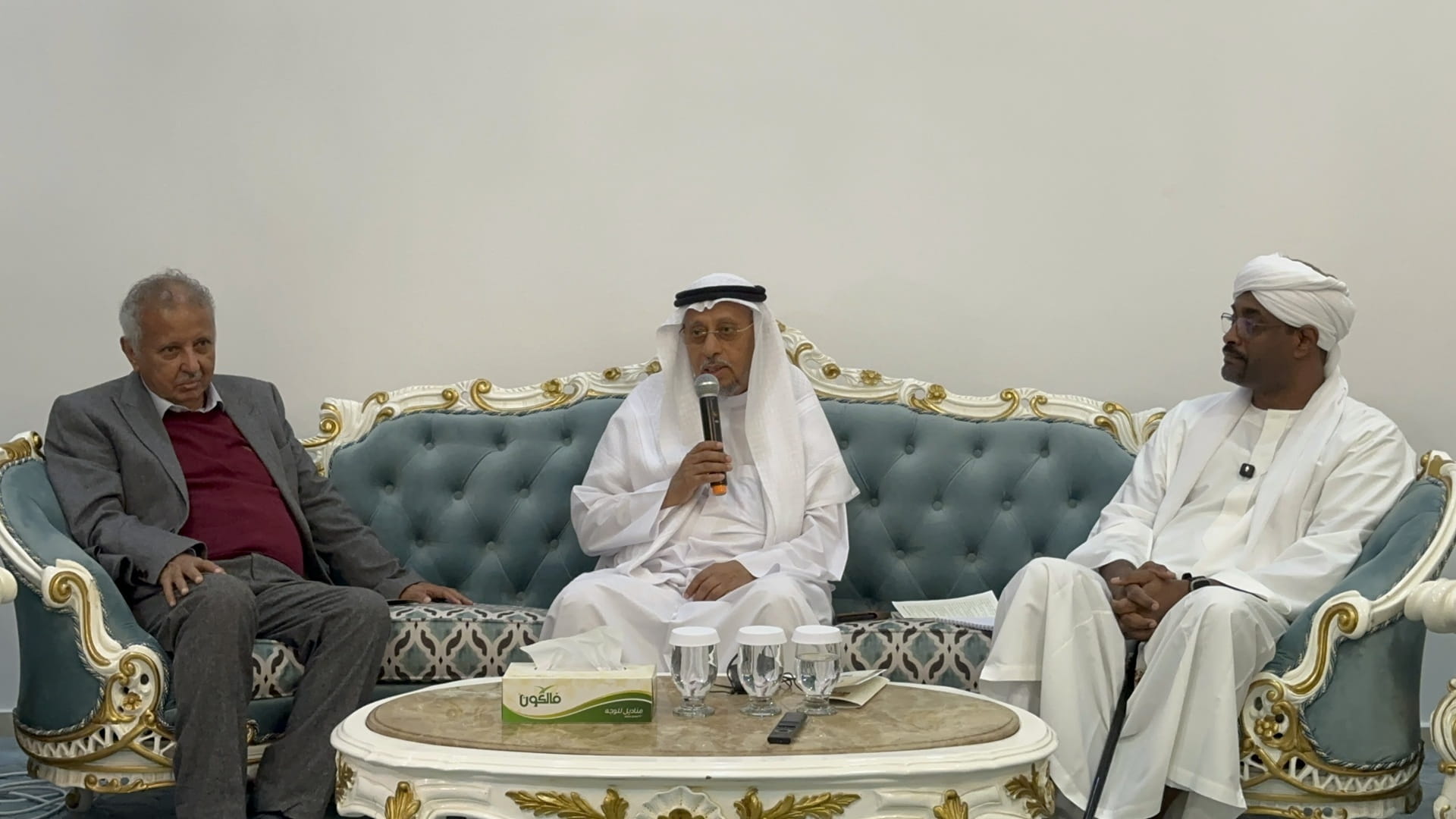
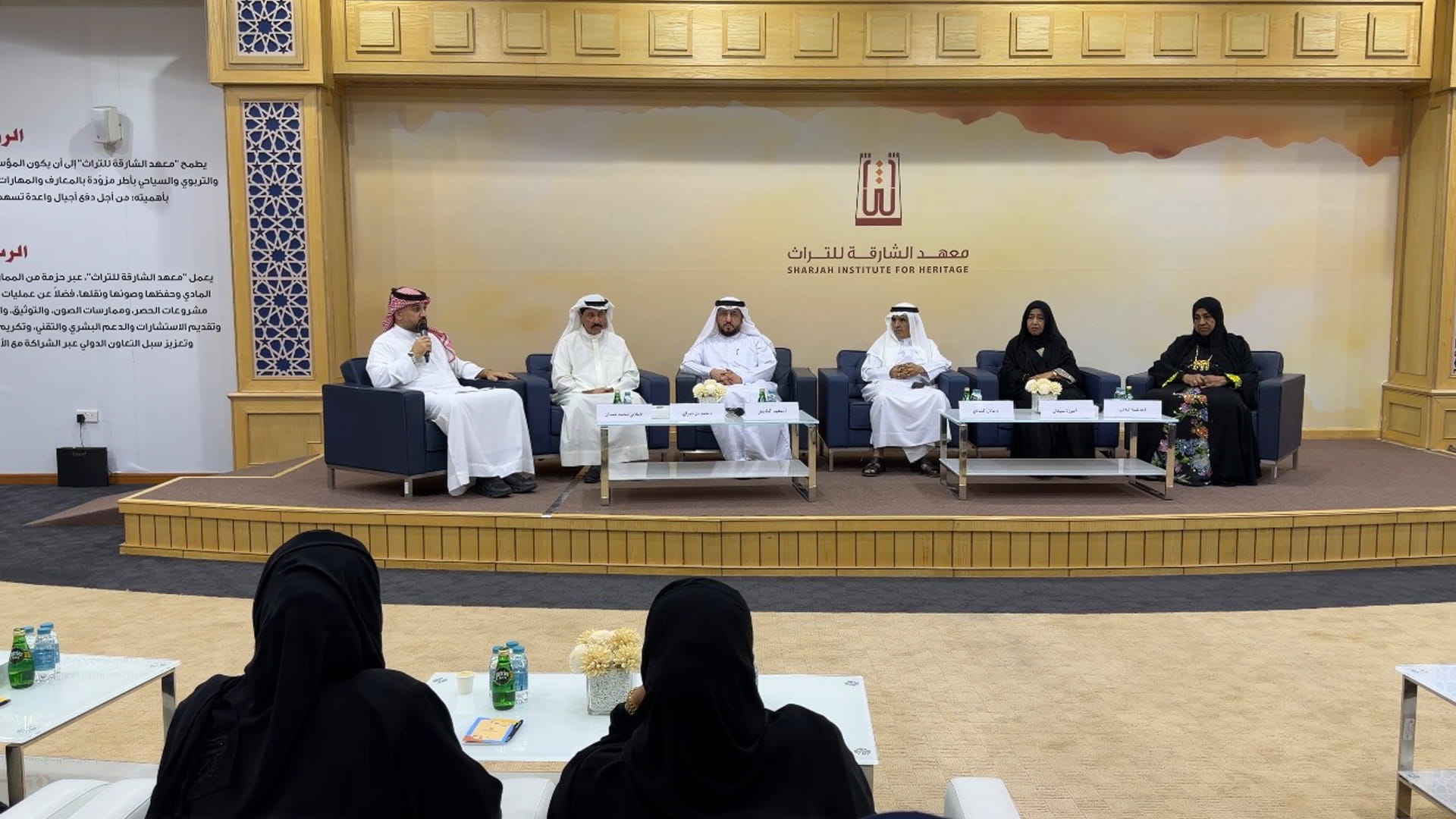
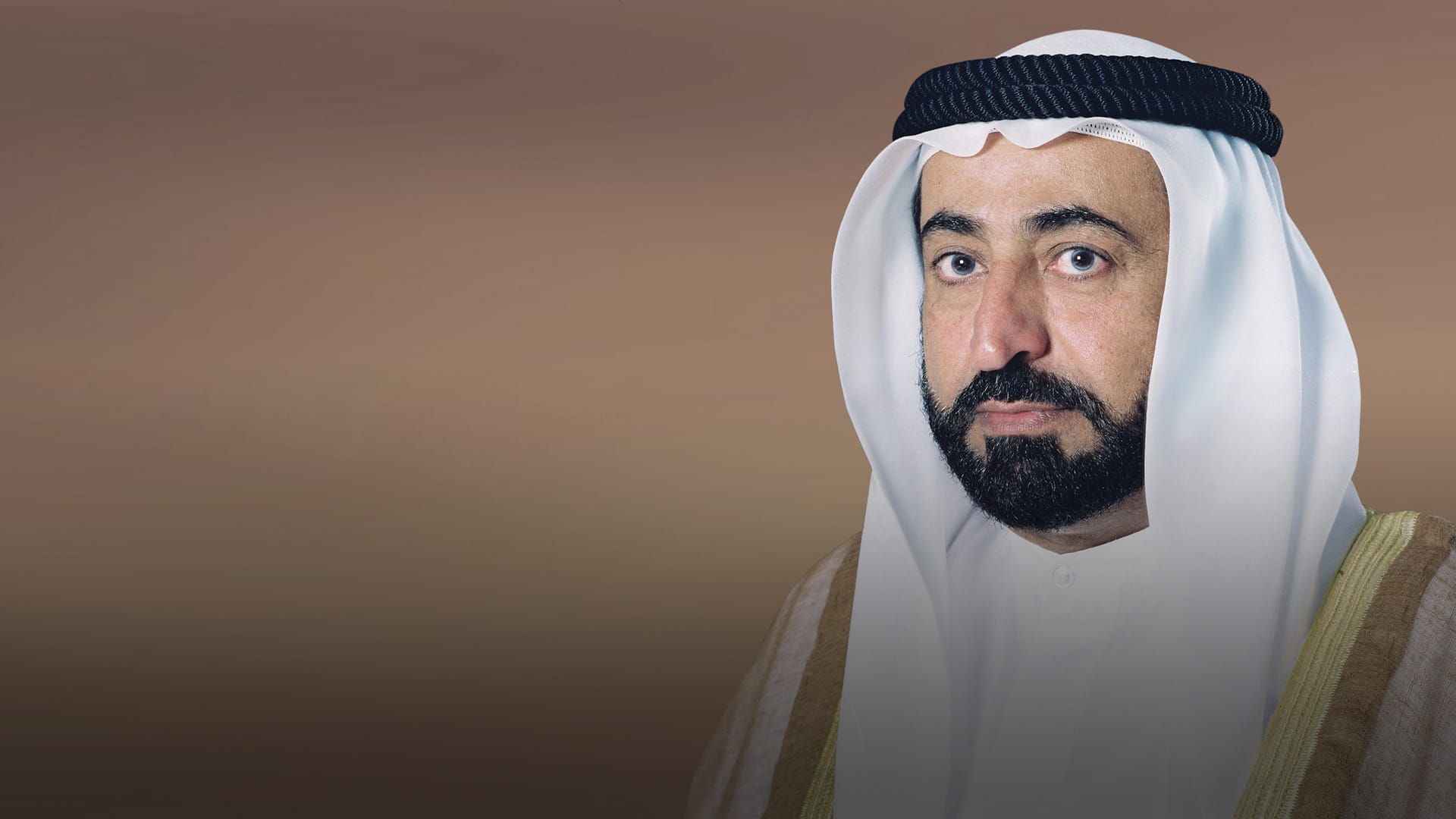
Mahjoub introduced the evening with literary flair and poetic references, highlighting the significance of the topic and the stature of Dr Al Haddad, a scholar, mufti, academic, lecturer, author, and member of numerous Islamic scientific bodies.
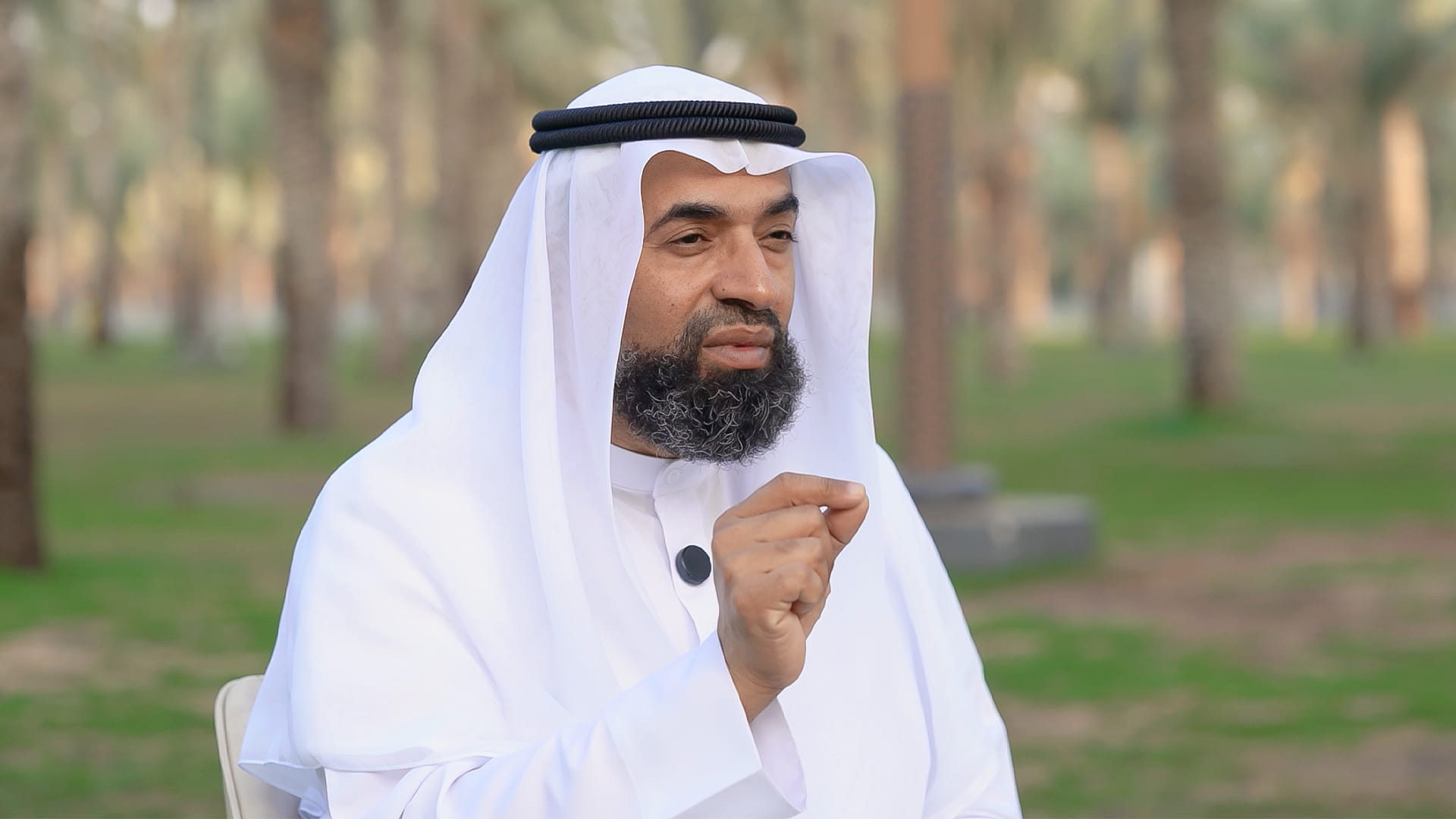
Dr Al Haddad began by emphasising the Quranic foundations of fasting, explaining its obligations, spiritual impact, and rulings. He cited: “Fasting is prescribed for you,” and highlighted the easing for Muslims compared with previous nations, along with the ultimate goal: attaining God-consciousness (taqwa).
He noted that Ramadan is specially honoured as the month of the Quran’s revelation and includes Laylat al-Qadr, the Night of Decree, which is unique to the Muslim nation. Observing prayers, especially during the last ten nights, enables believers to access these spiritual benefits.
Dr Al Haddad stressed that Ramadan’s blessings honour Prophet Muhammad (peace be upon him). Loving and following the Prophet is a path to paradise, as believers are spiritually connected to him.
He emphasised the elevated spirit of Ramadan through giving charity selflessly for God’s sake, citing obligatory Zakat and voluntary charity, which protect from misfortune and bring reward in the afterlife.
Dr Al Haddad recalled Ramadan’s historical significance, notably the Battle of Badr (Yawm al-Furqan), highlighting how the victory demonstrated Muslim strength and facilitated the spread of Islam.
Dr Omar Abul Aziz praised Dr Al Haddad’s lecture for blending legal foundations with spiritual insight, noting that fasting etiquette is linked to ethics, self-discipline, family bonds, worship, and reflection on the universe. He highlighted the approaching last ten nights of Ramadan and Laylat al-Qadr as a period for spiritual elevation and inner light.

 For an optimal experience, please
rotate your device to portrait mode.