
Loading...
Loading...

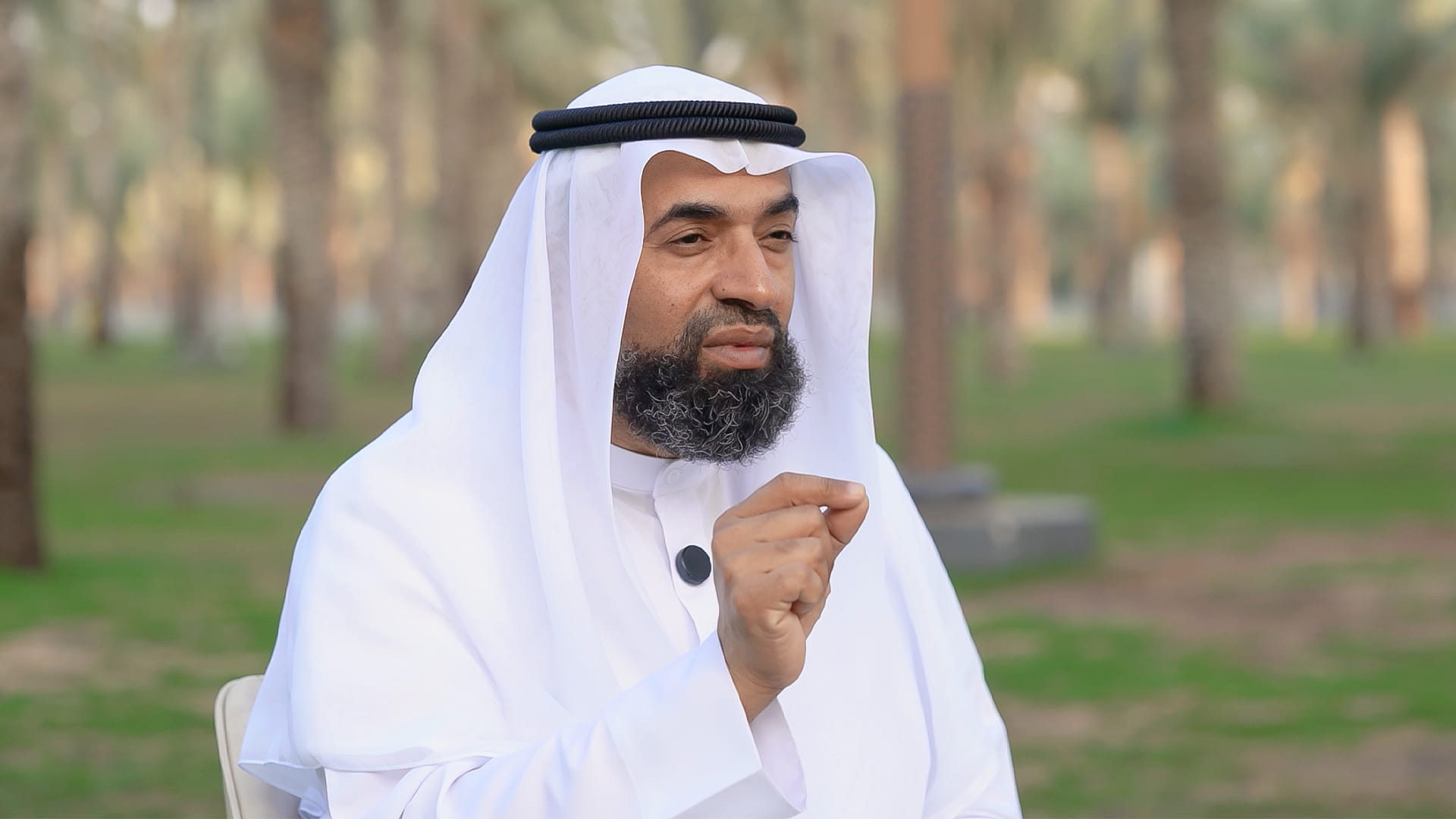
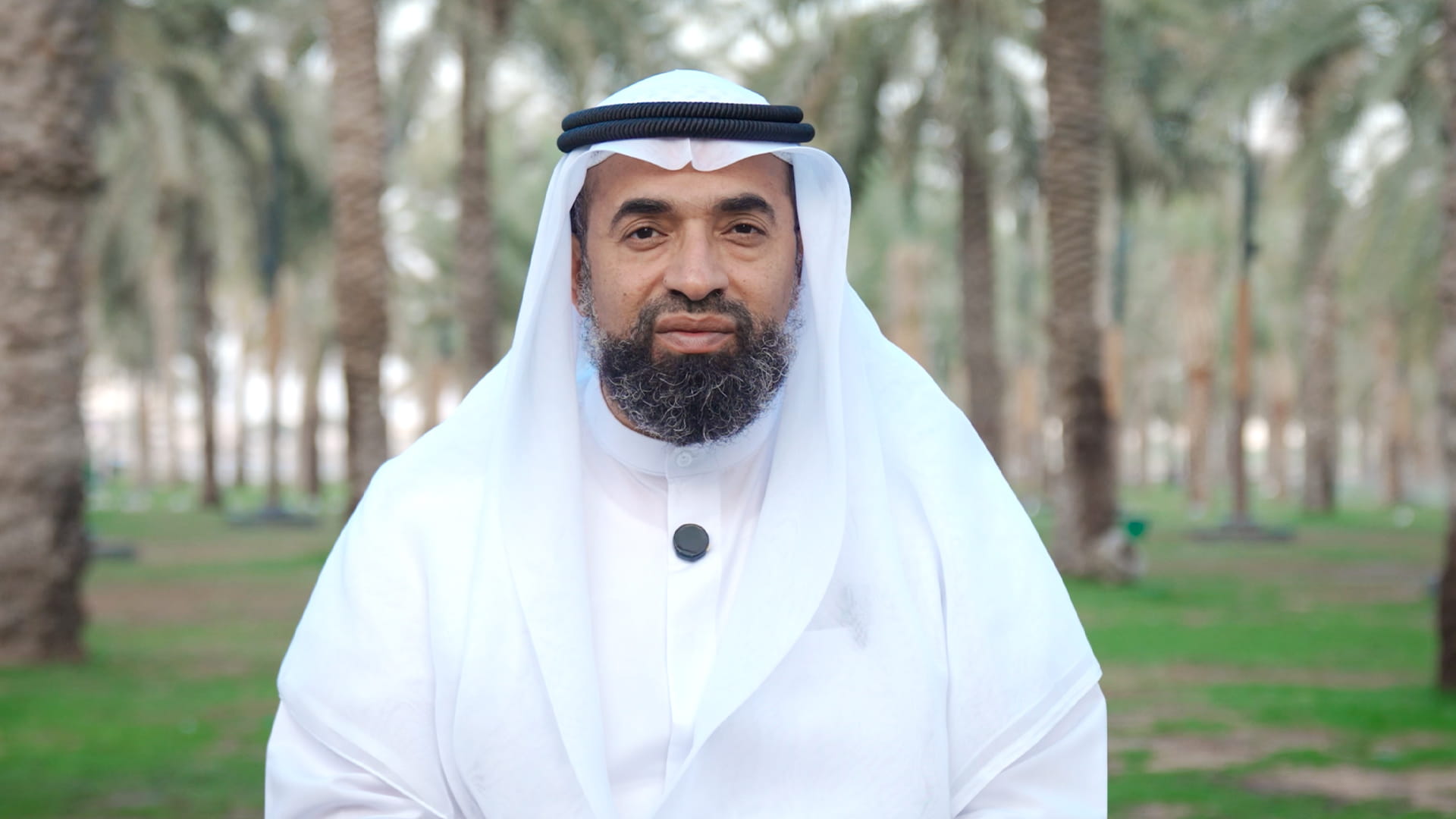
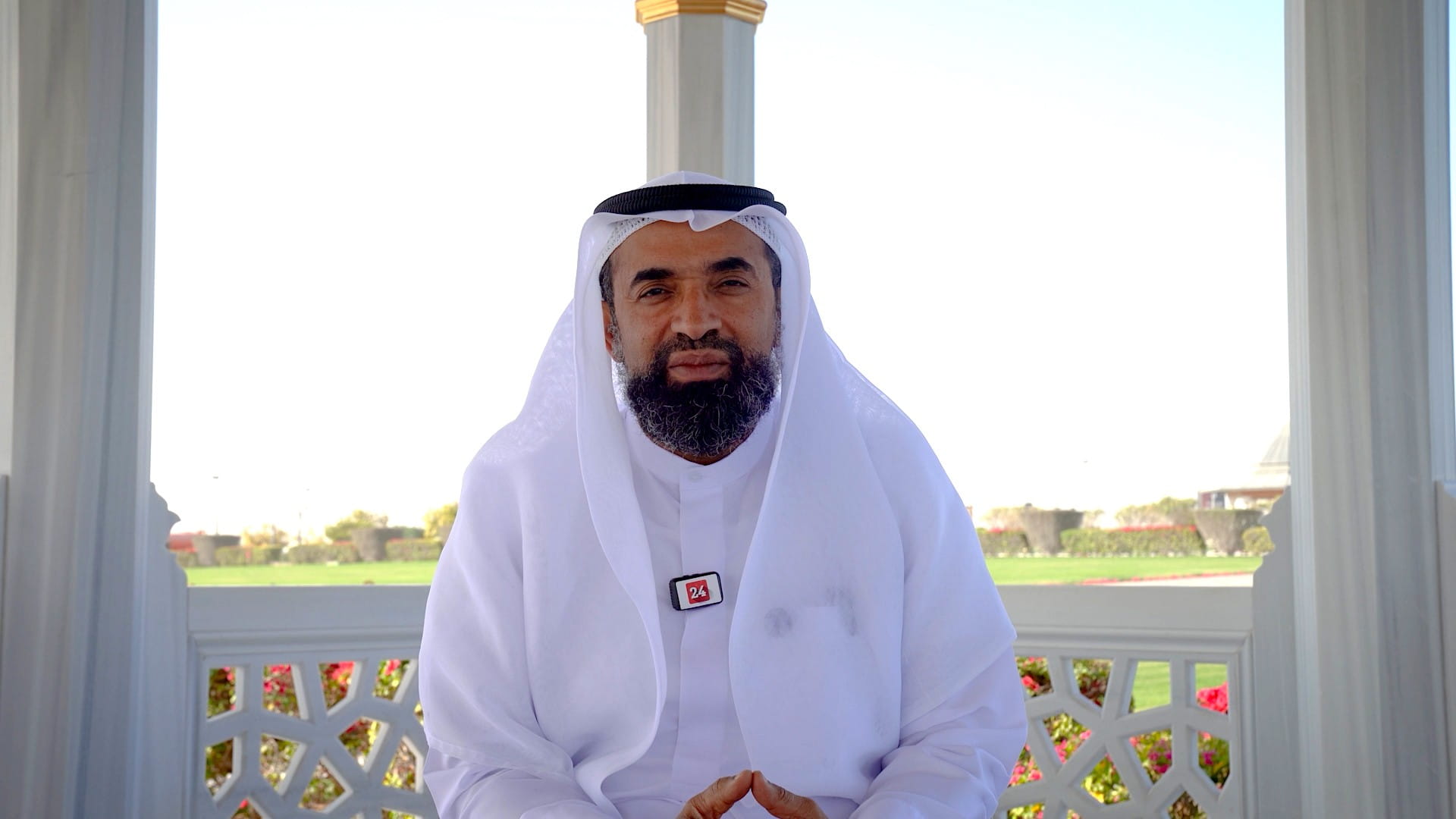
Al Doubi explained that fasting is not just about abstaining from food and drink; rather, it involves cleansing oneself and exercising control over actions. Fasting works as an educational practice in faith, teaching about patience, piety, and mindfulness of Allah.
He explained that one of the main etiquettes of fasting is upholding good morals, managing anger, and patience and forgiveness, indicating that those who fast should be fasting in body and soul, dedicating themselves to make Ramadan a turning point in personal reformation.
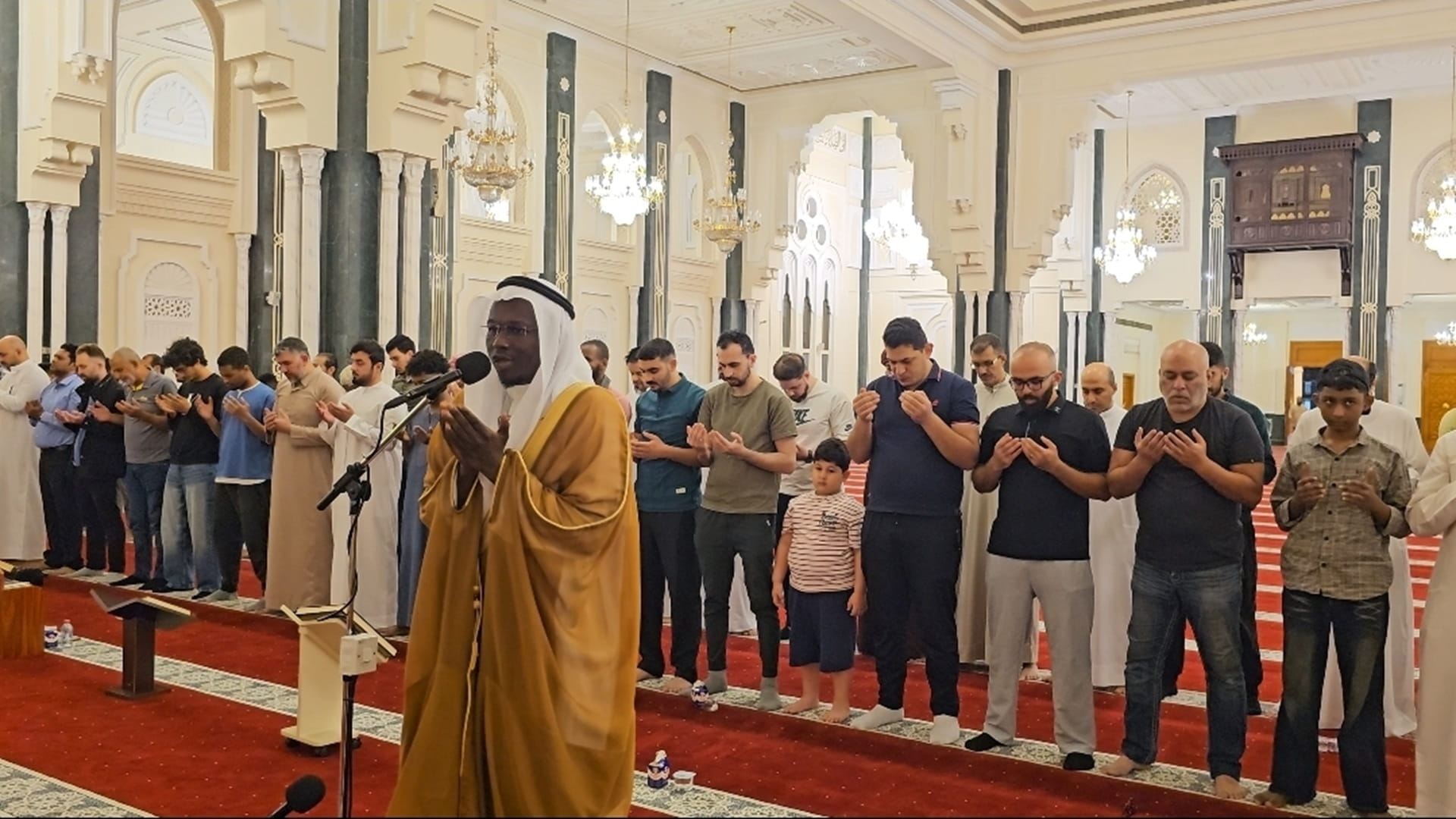
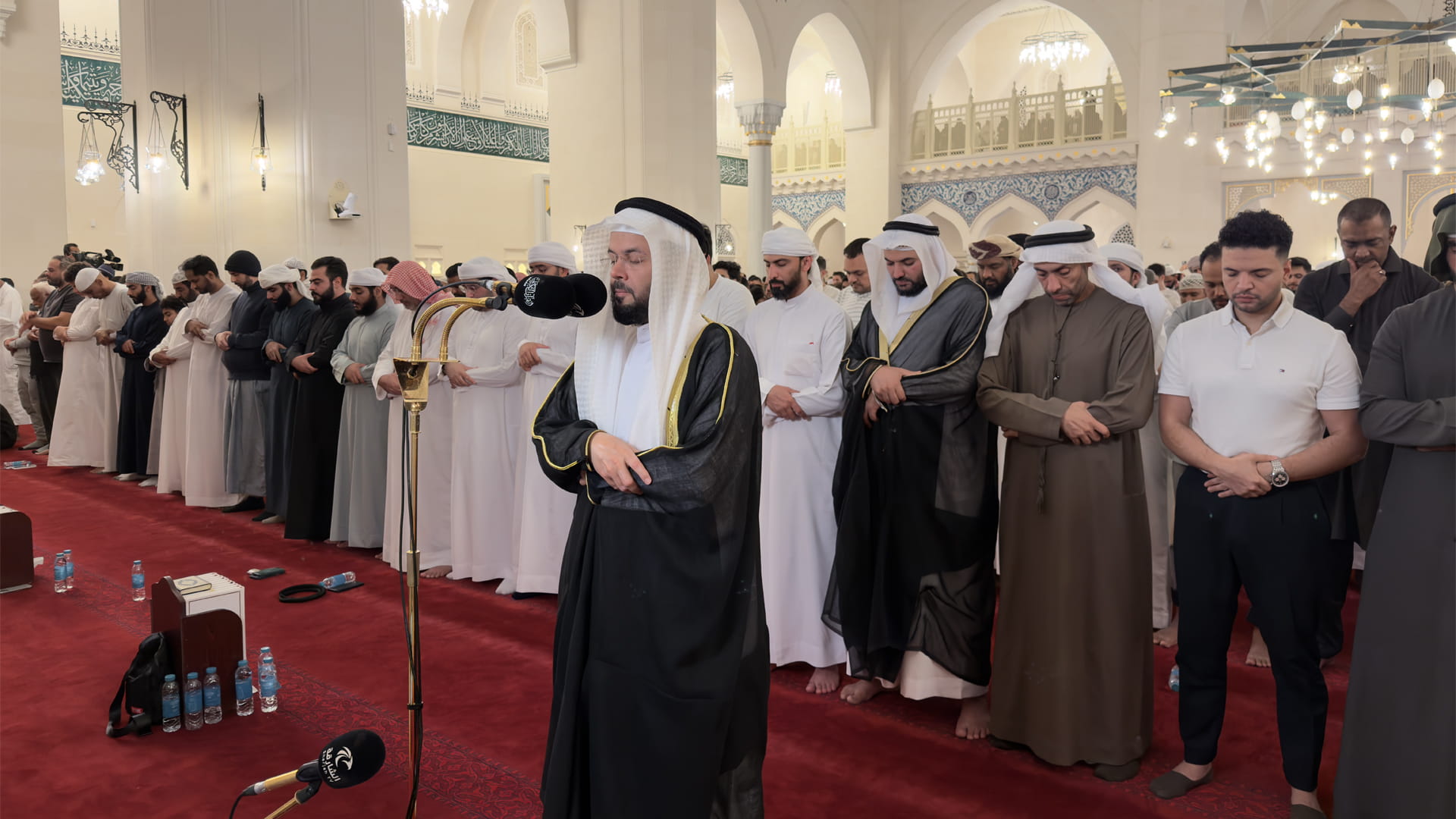
The episode talked about suhoor meal, the meal before dawn, as a blessed prophetic tradition, stressing that it helps Muslims fast during the day by preserving energy. Al Doubi mentioned the importance of the Taraweeh prayer, an act of worship specific to Ramadan, urging that its should be carried out for it has an impact on purifying the soul and strengthening one's connection with Allah.
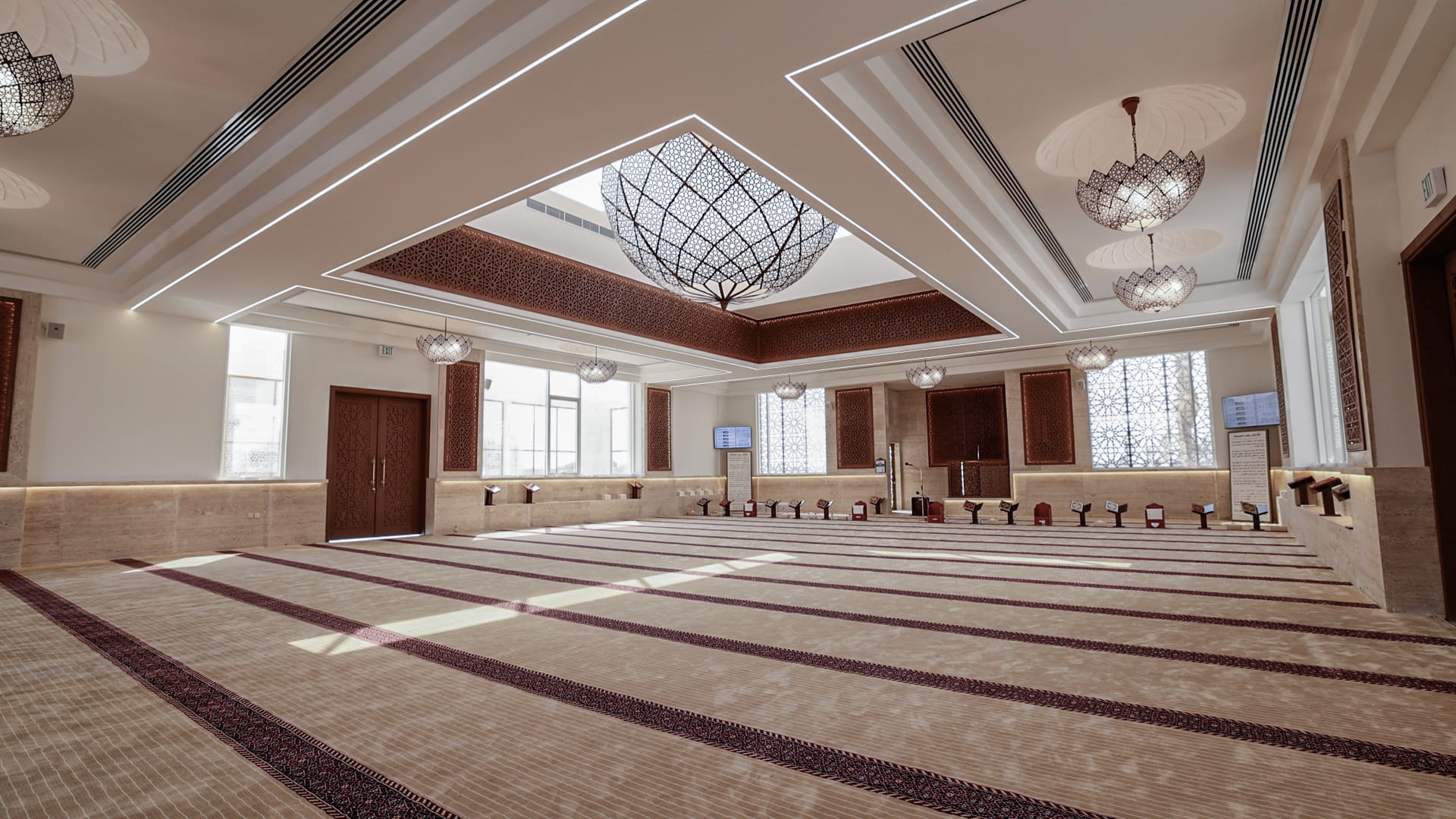
Al Doubi emphasized the importance of walking to mosques for prayers, especially the Isha and Taraweeh prayers, which he quoted the Prophet Muhammad (peace be upon him): “Give glad tidings to those who walk to the mosques in the darkness, for they will have light on the Day of Resurrection.” explaining that every step a Muslim takes towards the mosque is recorded as a good deed.
The episode also highlighted the importance of supplication in Ramadan and noted that one of the greatest opportunities in this blessed month is to increase supplication at times when it is more likely to be answered, especially at Iftar and before dawn.
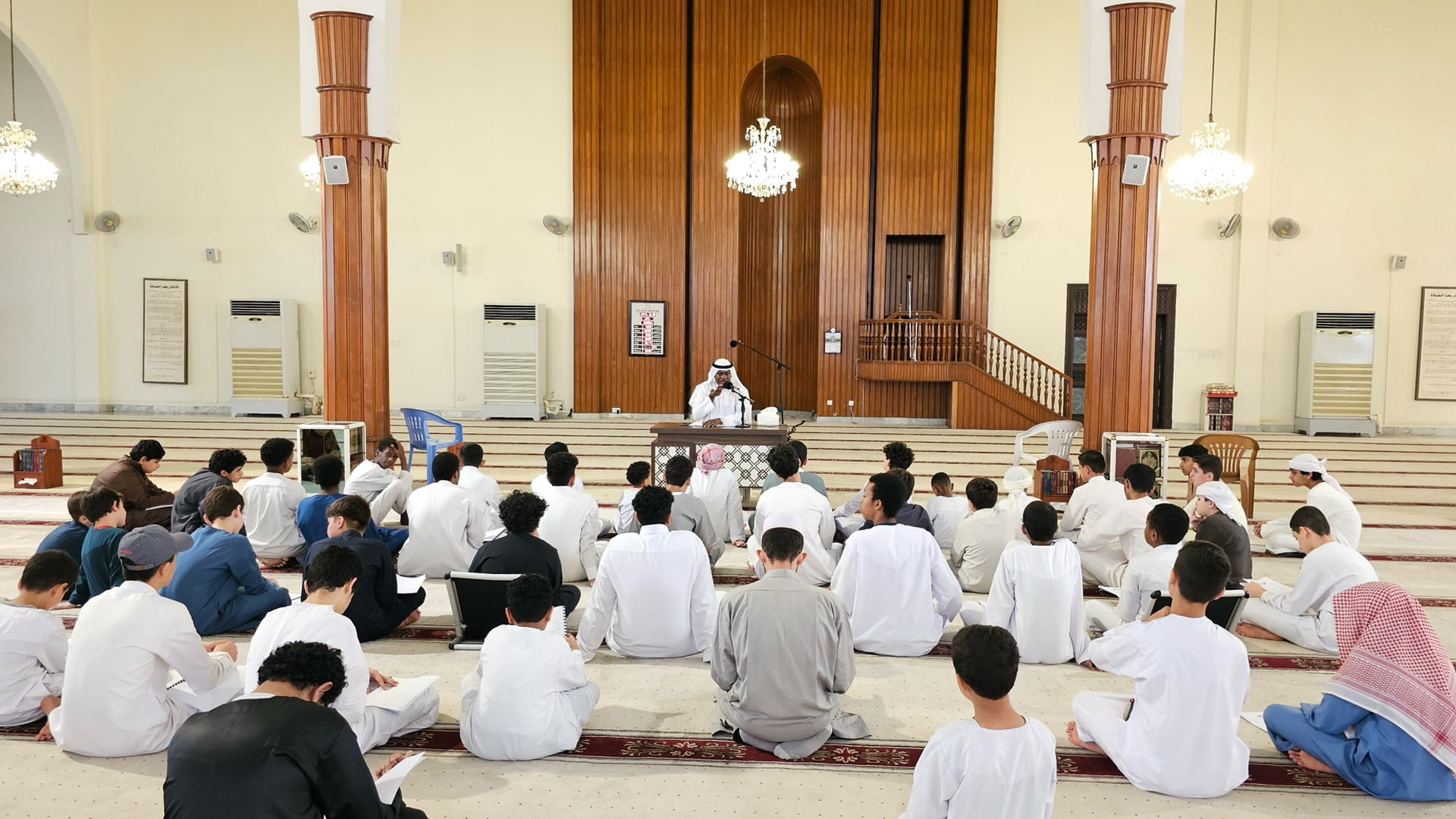
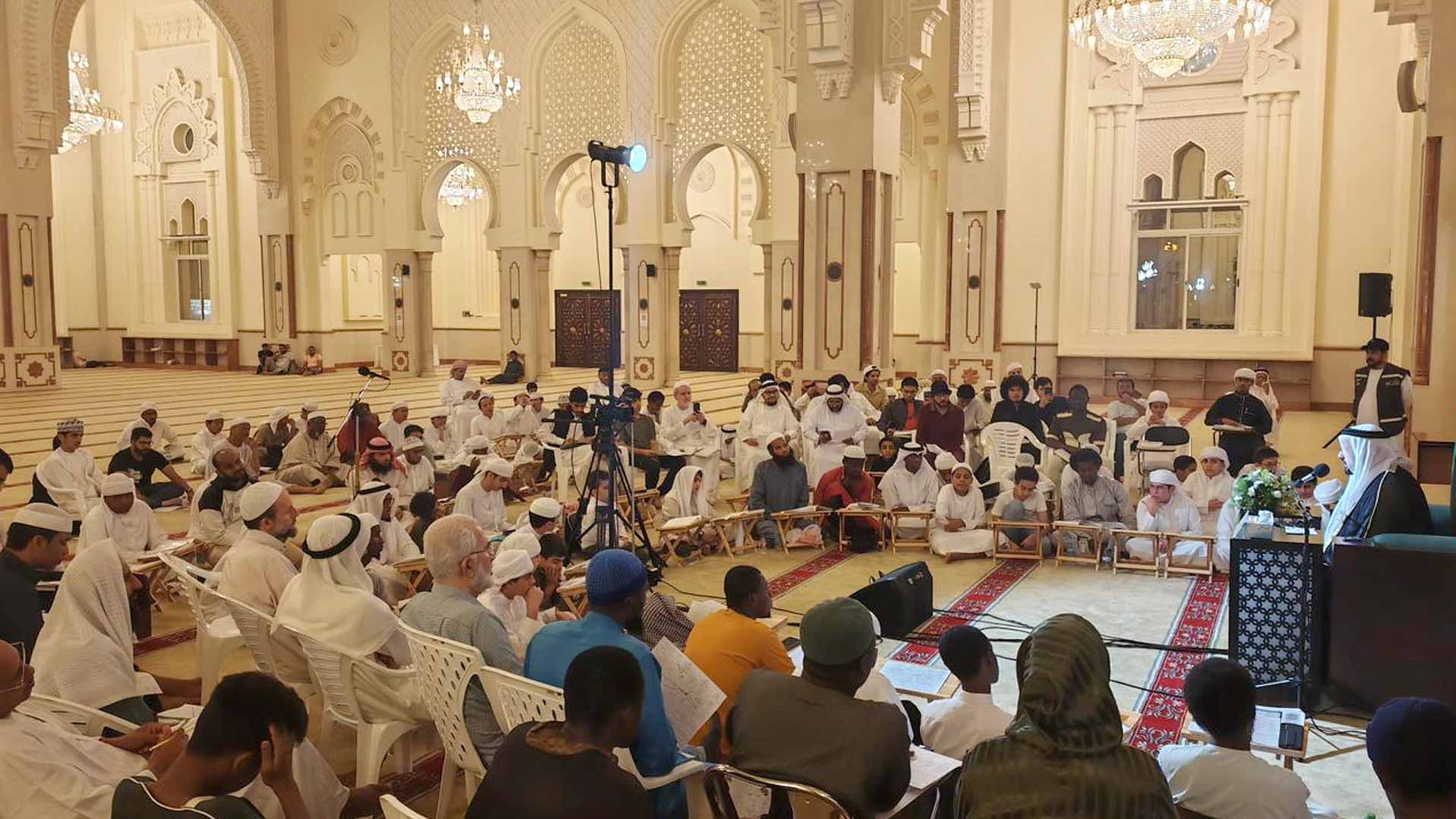
The “Reflections on Faith” program is part of the efforts to raise awareness and spread Islamic knowledge during the holy month of Ramadan. The program focuses on topics related to the daily lives of Muslims, to help them perform their religious duties to the fullest extent. The program also presents a purposeful media message aimed at instilling the values of Islamic tolerance in society.

 For an optimal experience, please
rotate your device to portrait mode.