
Loading...
Loading...

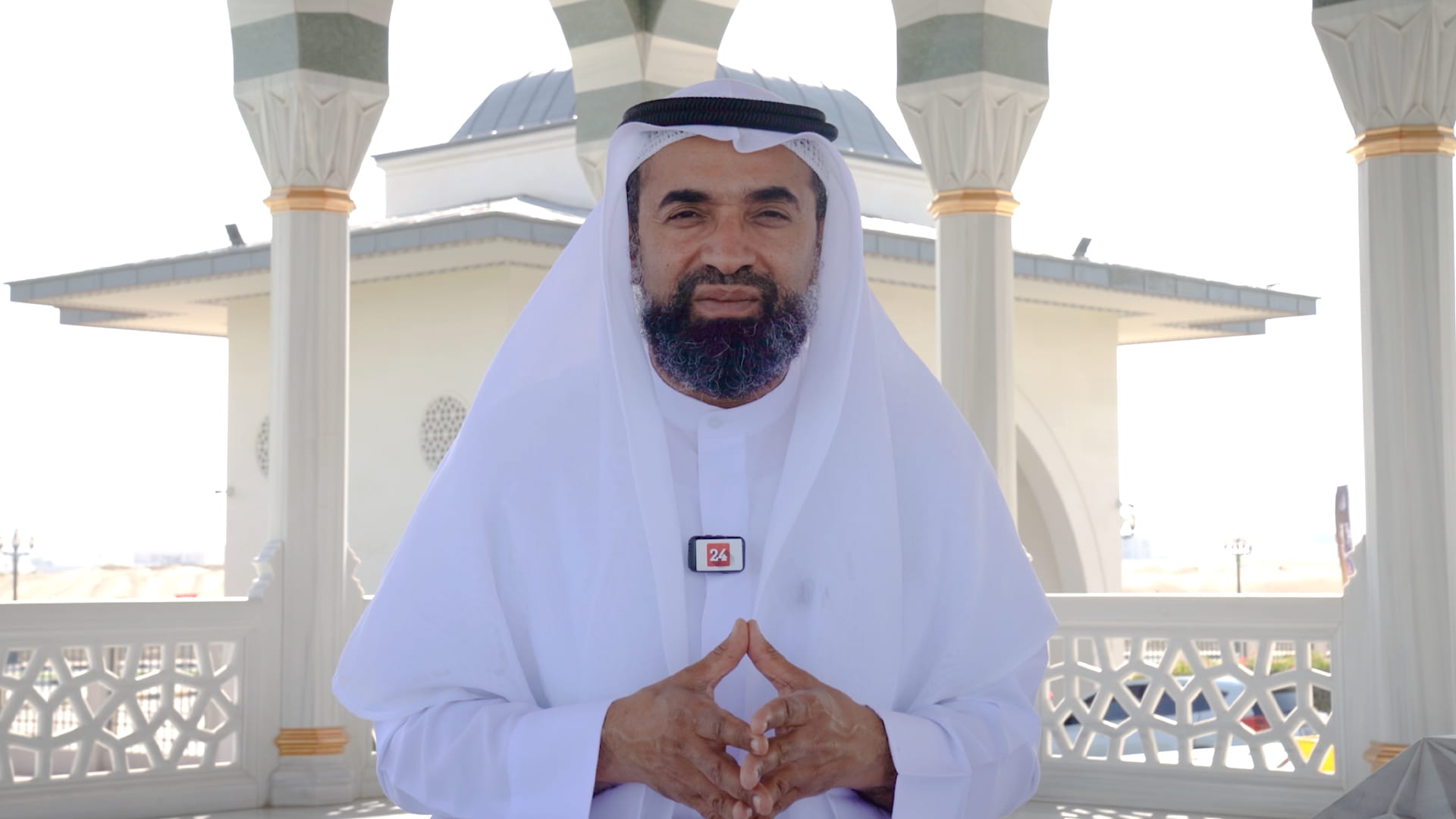
Dr Al Doubi further clarified that no matter how diligently a person worships, they may still make mistakes. Zakat al-Fitr, therefore, serves as a mercy from Allah to rectify these lapses, giving a spiritual purification for their fast.
Islamic law balances worship and societal service, with Zakat al-Fitr as a prime example. This simple act of worship not only teaches generosity and empathy but also brings joy to the poor and needy on Eid.
He added that Zakat al-Fitr is not just a passing charity, but rather an act of worship linked to a specific time and a great legitimate purpose, which is to achieve social solidarity and spread the spirit of love among members of society, so that the poor feel that society stands by him and shares the joy of Eid with him, so that he does not remain needy or worried on a day that is a day of joy and happiness for all Muslims.
Dr Al Doubi also stressed the importance of accustoming children and family members to this act of worship, and teaching them the meanings of giving and generosity from a young age, so that generations grow up loving goodness and helping others, stressing that these values are among the great objectives that Islamic law brought to establish a cohesive society that is dominated by mercy and compassion.
At the end of the session, Dr Al Doubi urged Muslims to ensure they pay their Zakat al-Fitr on time, before the Eid al-Fitr prayer.
He emphasized that Zakat al-Fitr remains one of the greatest acts of worship that concludes Ramadan. It is an act that not only helps purify oneself but also supports the community, embodying the spirit of Islam, which includes kindness, generosity, and solidarity.

 For an optimal experience, please
rotate your device to portrait mode.