
Loading...
Loading...

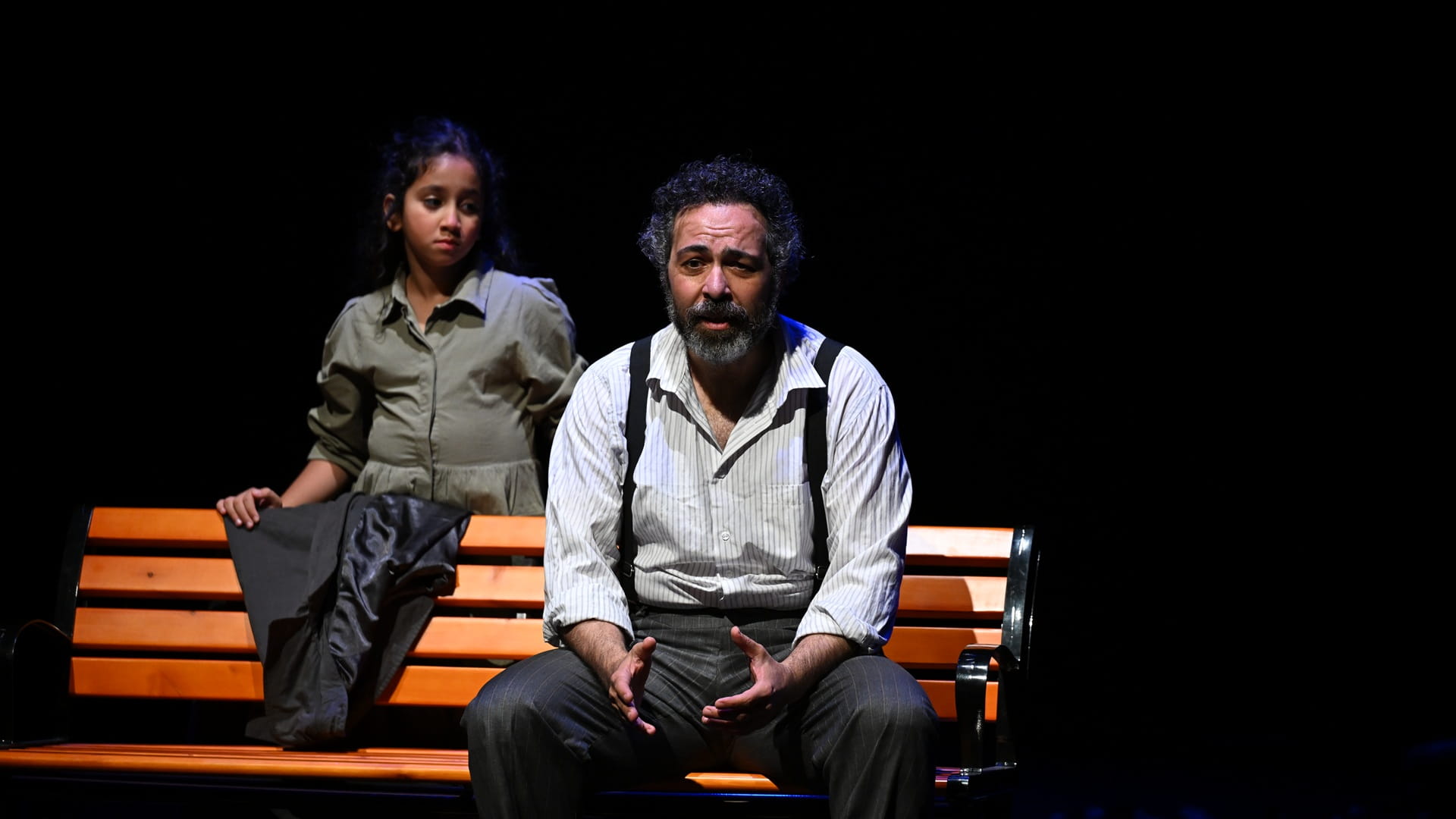
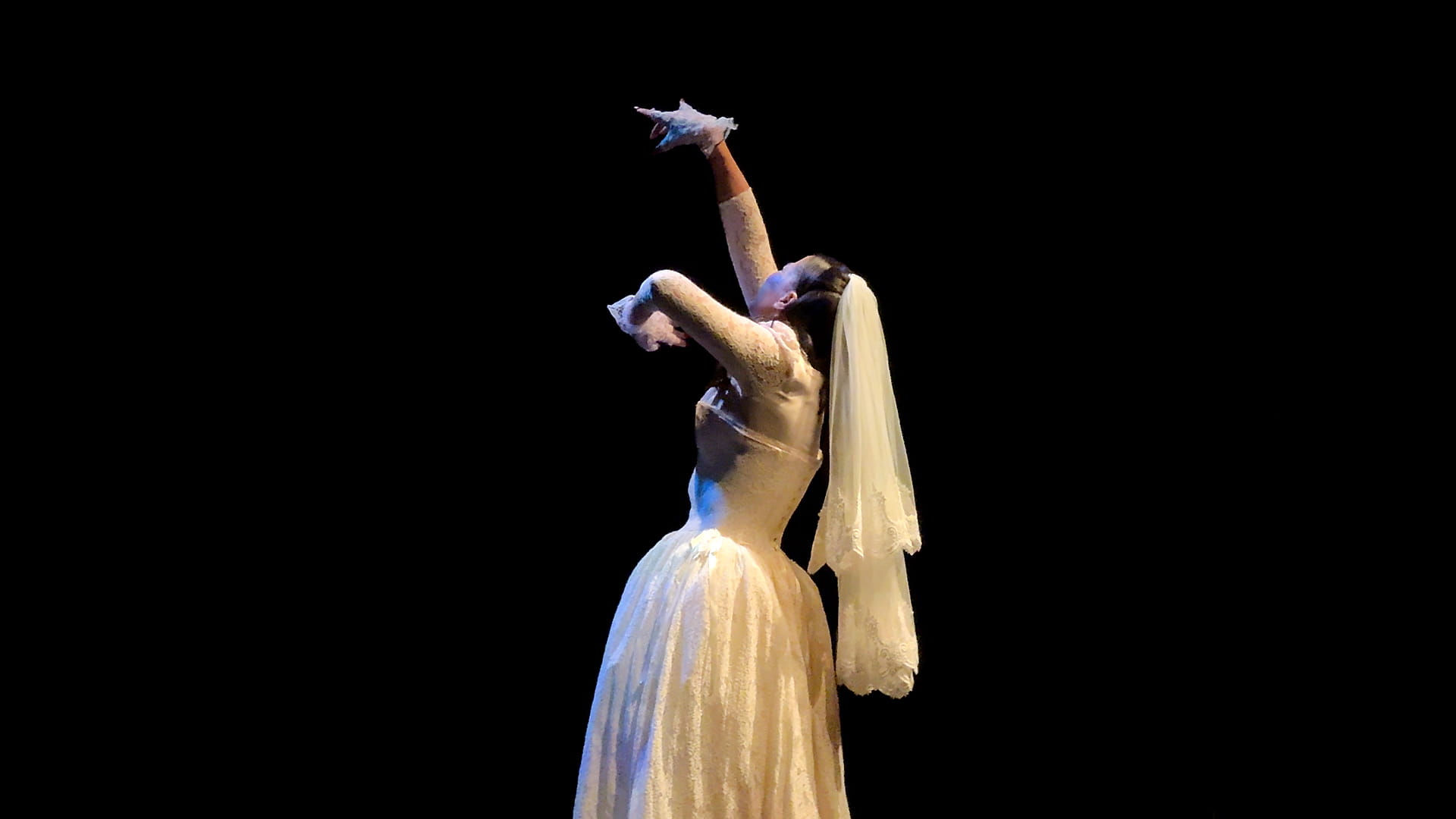
Audiences on the festival’s second day watched the Egyptian play Dahab, presented by the “Egyptian Artists for Culture” troupe. The play was written and directed by Amr Qabil, who also performed in it alongside the child actress Dana.
In the production, chance brings together a man fleeing a painful past that has driven him into isolation, and a lost and sorrowful little girl whose closest loved ones have forgotten her. Their dialogue begins tensely, particularly because the man feels his solitude has been invaded, but they soon grow closer. The harmonica music played by the man becomes the key to their bond, dissolving the sense of alienation between them and allowing them to connect. By the end of the performance, they discover that they are capable of confronting their fears and pain through returning home.
The critical seminar, moderated by Egyptian actress Iman Imam, praised the dramatic approach that addressed two social groups — children and the elderly. Most contributions commended the outstanding stage presence of the young actress and her emotional composure throughout the approximately sixty-minute performance. Questions were also posed to the creator of the production regarding the challenges arising from combining writing, directing and acting responsibilities.
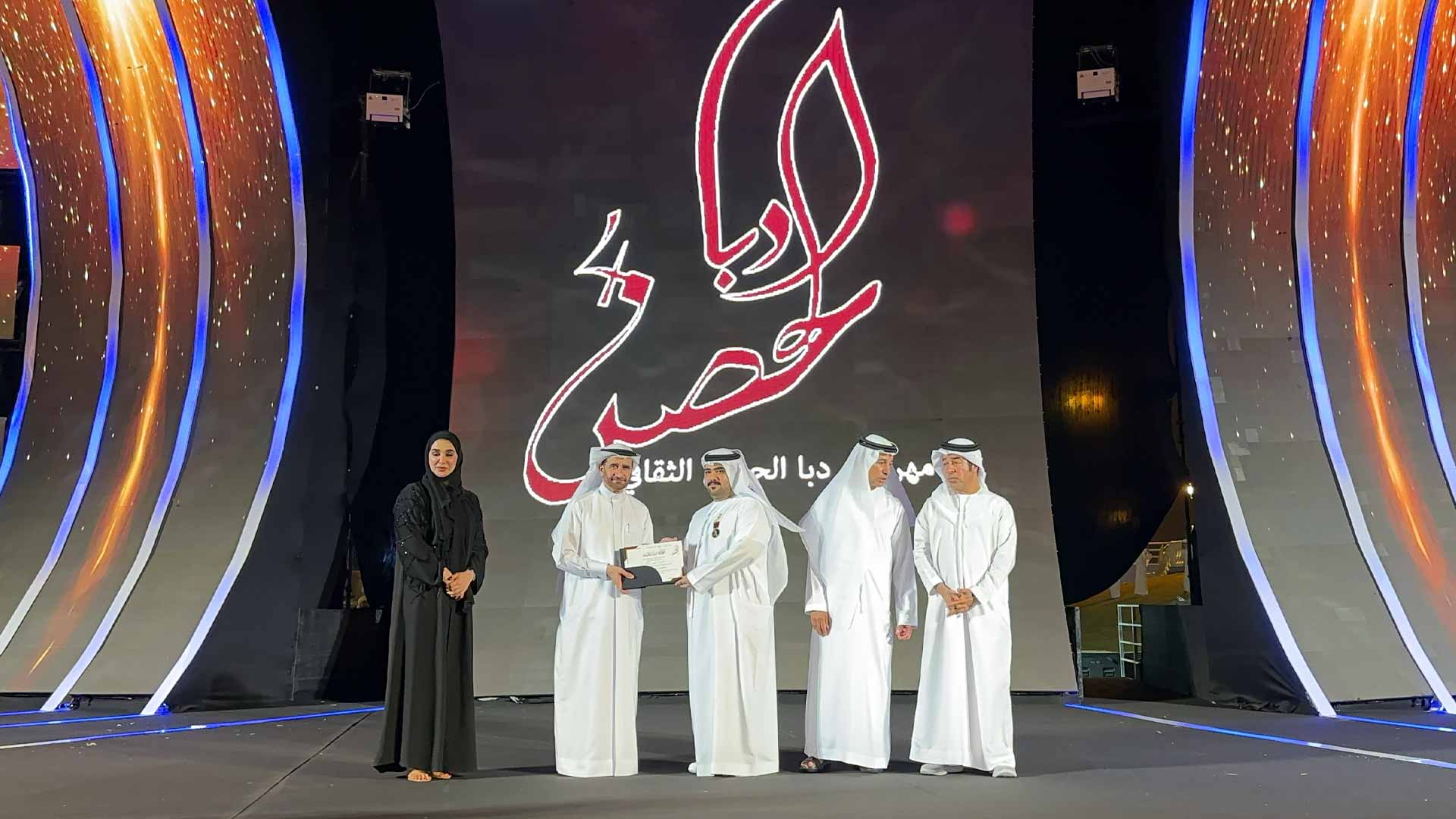
Director Amr Qabil thanked the festival management and praised its unique concept, noting that duo theatre represents an enjoyable artistic adventure. He also expressed appreciation for all the observations raised during the seminar, which concluded with Nada Abdullah Al Hassani, representing the Social Services Department branch in Dibba Al Hisn — sponsor of the festival’s second day — presenting a certificate of appreciation to the Egyptian troupe.
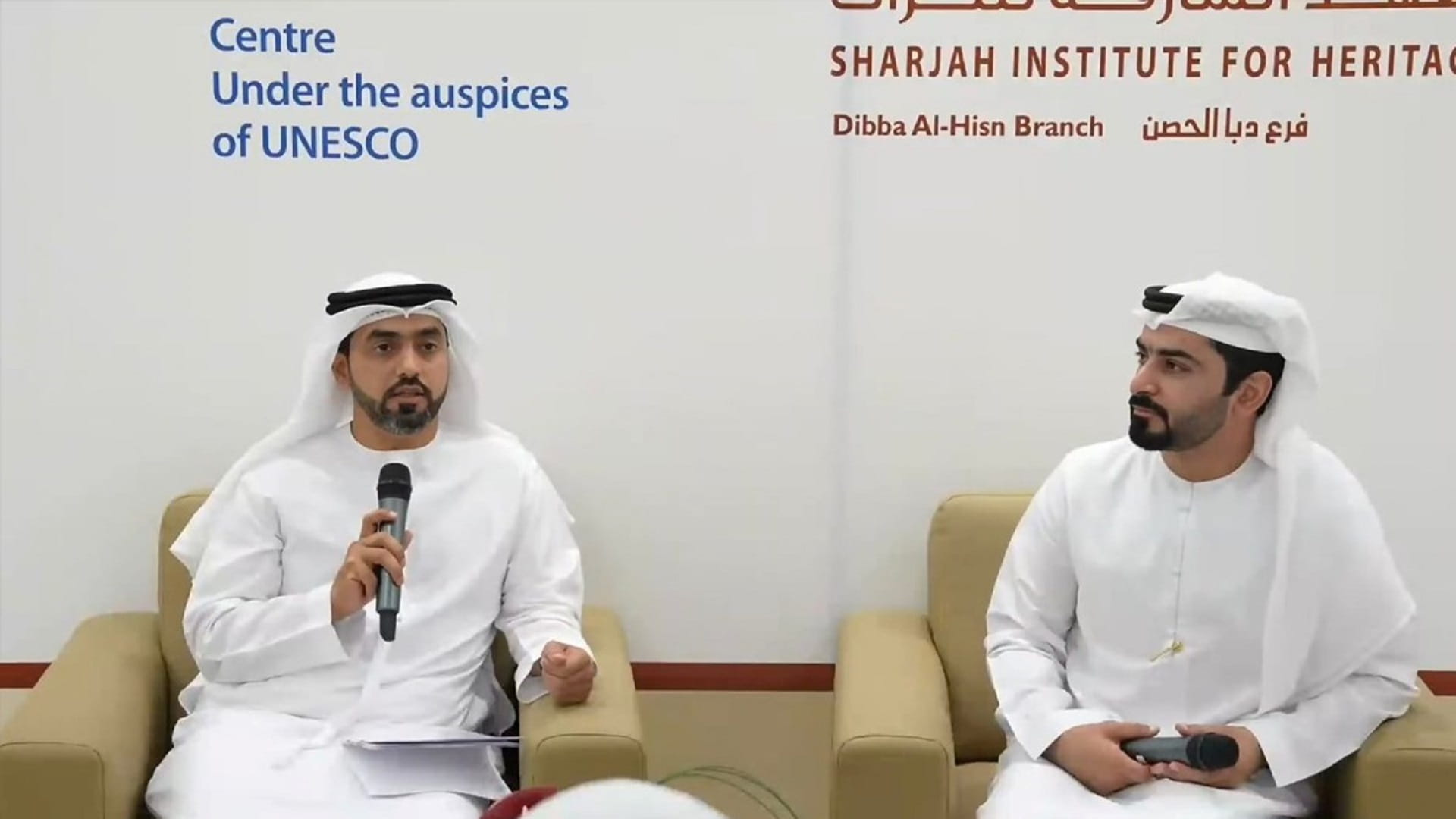
Earlier in the evening, the festival’s second day commenced at 5pm with the opening session of the 21st Sharjah Forum for Arab Theatre, held under the theme “Theatre and Education”. The sessions were moderated by Emirati artist Faisal Al Darmaki, who highlighted the initiatives of His Highness Sheikh Dr Sultan bin Mohammed Al Qasimi, Supreme Council Member and Ruler of Sharjah, in establishing and supporting the school theatre experience locally and across the Arab world. He also outlined the activities organised by the Sharjah Department of Culture and the Arab Theatre Institute, while pointing to the inclusion of drama within the national school curriculum.
The forum’s first paper, titled “Theatre and Education: From Philosophical Interconnection to Aesthetic Identification”, was presented by Dr Said Karimi of Morocco. In his presentation, he shed light on the historical and philosophical origins of the organic relationship between theatrical art and educational systems, from the Greek era to modern times.
Karimi also reviewed the role of educational theatre and its applications in awakening critical awareness among audiences, before examining the reality of school theatre within the Moroccan context through indigenous performance forms and the theory of celebratory theatre. In conclusion, he called for the formulation of clear institutional policies to integrate theatrical arts into official curricula, considering them an urgent educational necessity for building responsible and active citizens.
The second paper, titled “Theatre as an Educational Medium: The Duality of Pedagogy and Art”, was delivered by Dr Mohammed Amin Banioub of Morocco. He called for educational theatre to move away from rigid traditional teaching methods towards a space of living experience and active student participation.
Banioub explained that dramatic play and theatrical practice within schools and universities constitute an exceptional educational medium due to their ability to unlock the hidden potential of young people, refine their personalities, and help them overcome issues such as fear, introversion and hesitation. The paper also highlighted the role of this composite art form in strengthening linguistic and communication skills, enhancing physical and expressive abilities, and instilling values of teamwork, cooperation and emotional intelligence.
In closing, Dr Banioub stressed the need to move school theatre beyond occasional seasonal activities by institutionalising and expanding it through the activation of theatre clubs and the provision of specialised training for educational staff, ensuring theatre becomes a permanent educational pillar contributing to the development of future citizens.
The third paper, titled “The Educational Function of Arab Theatre in the Age of Digital Transformation”, was presented by Dr Fawzia Dhaifallah of Tunisia. She discussed how digital media has influenced the awareness and aesthetic reception of the new generation, stressing the importance of renewing theatre’s educational mechanisms so they align with the language of the digital age without compromising its essential human and live nature.
She also reviewed the importance of integrating modern technologies, such as visual effects and digital scenography, into educational theatre productions to increase their appeal and stimulate curiosity and critical awareness among Arab children.
As part of the festival’s training workshops programme, the second day also featured the workshop “Theatrical Writing: From Idea to Text”, supervised by Dr Kamal Khladi.
The workshop’s theoretical section explored questions concerning the nature, methodologies and themes of writing for school theatre, while the practical section centred on answering the question: How do we write a text for school theatre?
The workshop supervisor collaborated with participants in developing a story drawn from the Arab narrative tradition, specifically from the book Kalila wa Dimna. This was followed by a collective discussion of three writing concepts and an examination of the possibilities for theatrical composition offered by each, as well as testing the extent to which the elements of dramatic text were present within them.

 For an optimal experience, please
rotate your device to portrait mode.