
Loading...
Loading...

Study design and sample population
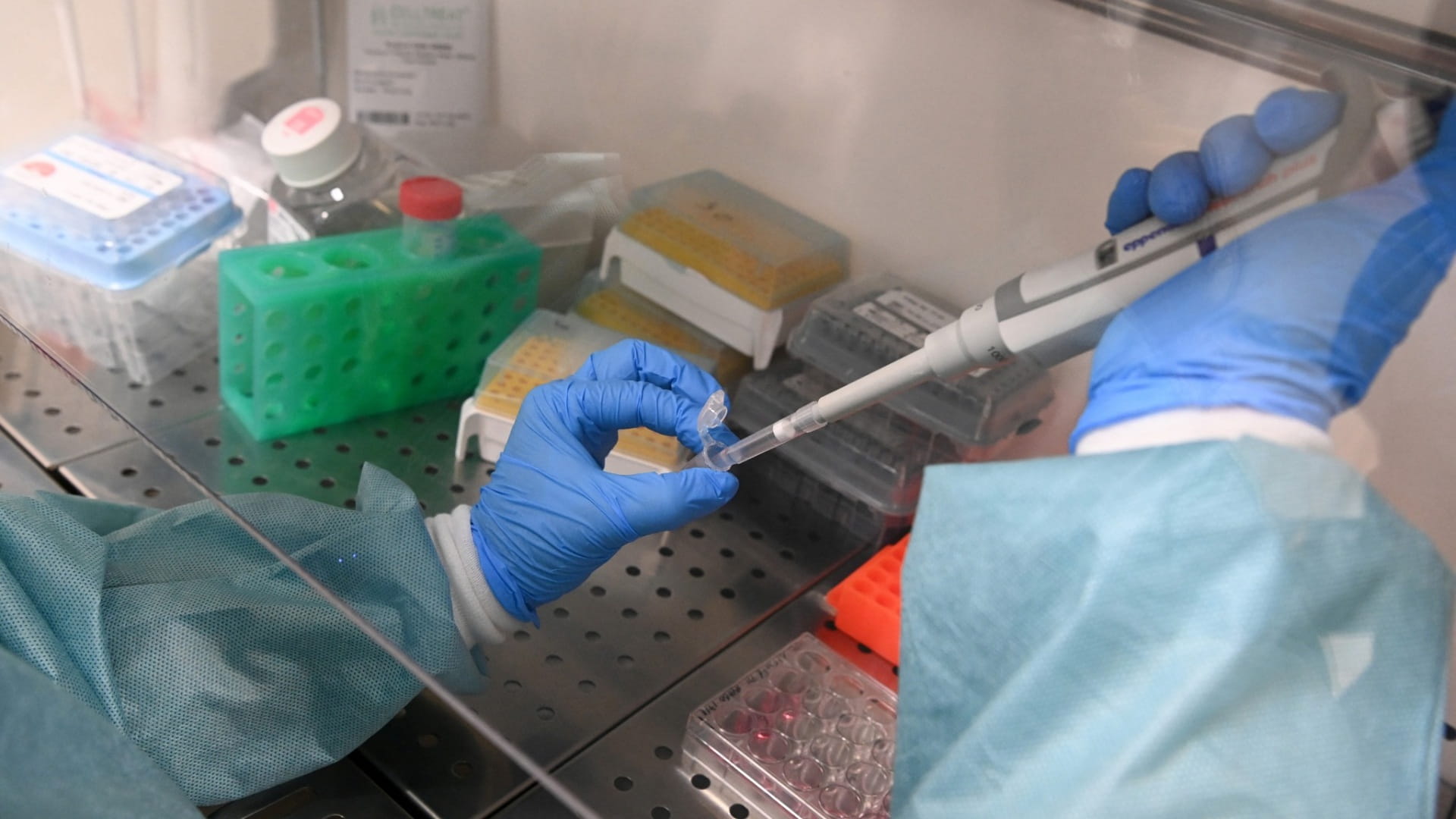
The research analysed biological samples from 293 children undergoing tonsillectomy and/or adenoidectomy for conditions such as obstructive sleep apnoea, snoring, or recurrent infections. Although all participants were asymptomatic at the time of surgery, viral detection methods identified rhinovirus in approximately 46% of cases across tonsillar tissue, adenoids, or nasal secretions.
Evidence of deeper tissue infection
Historically, rhinovirus infection has been understood as a superficial epithelial process of the upper respiratory tract, characterised by acute replication and clearance within 5–7 days. However, the findings suggest that the virus may also penetrate deeper lymphoid structures, including the tonsils and adenoids.
Potential immune cell involvement and persistence
The study proposes that rhinovirus may infect immune cells such as B lymphocytes and helper T lymphocytes within lymphoid tissue. Rather than inducing immediate cell death, the virus may persist in a dormant state within these cells, indicating a possible latent or reservoir-like behaviour previously unrecognised in rhinovirus biology.

 For an optimal experience, please
rotate your device to portrait mode.