
Loading...
Loading...

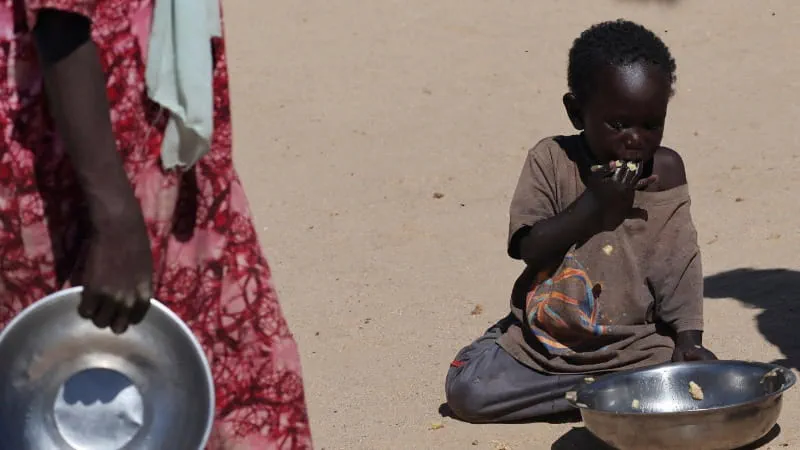
In 2025, 266 million people across 47 countries and territories faced high levels of acute food insecurity. Of these, 1.4 million people were living in outright catastrophic conditions in parts of Haiti, Mali, Gaza, South Sudan, Sudan and Yemen. Children bore a particularly devastating share of the burden — 35.5 million were acutely malnourished worldwide in 2025 alone, with nearly ten million suffering from the most severe form of acute malnutrition.
The report offers little comfort when looking ahead to 2026, except for one exception. Haiti is expected to be the only country to move out of the worst "catastrophic" classification, thanks to a modest improvement in security conditions and a slight increase in humanitarian aid reaching those in need.
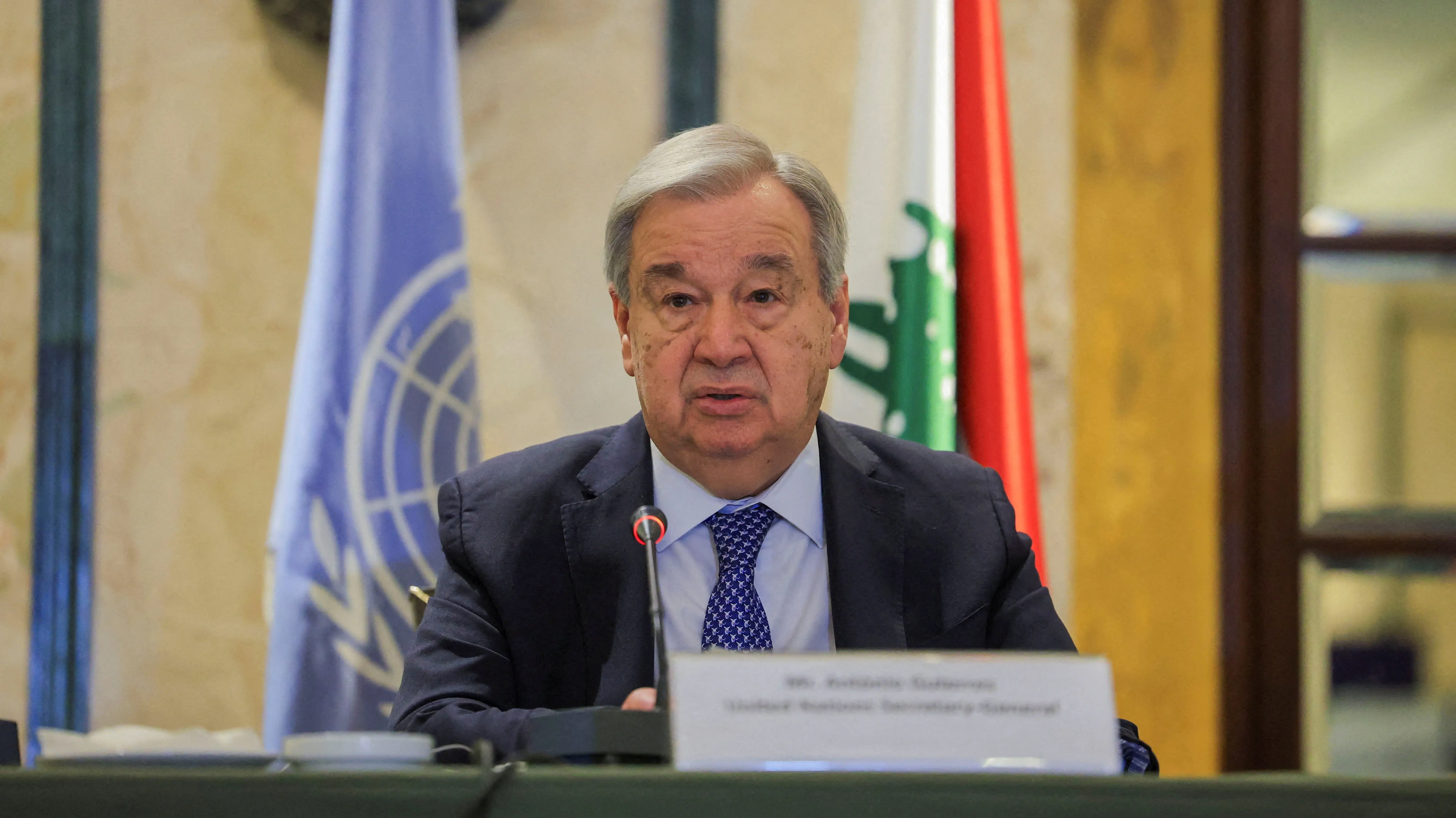
Alvaro Lario, President of the International Fund for Agricultural Development (IFAD), the United Nations agency that produces the annual report, was candid about what the findings signify. "We are no longer just seeing temporary shocks," he said. "These are persistent shocks over time." He added that the central message of this year's report is that food insecurity has shifted from a contained humanitarian problem to a direct threat to global stability.
Lario also highlighted the US-Israeli war against Iran as a significant and growing source of concern, warning that prolonged disruptions to the energy and fertiliser trade could ripple out into global food markets, hitting import-dependent countries that are already struggling the hardest. "Even if the conflict in the Middle East were to end right now," he said, "we know that many of the food price shocks and inflation will occur in the next six months."
Even before the latest conflict added fresh pressure, West Africa and the Sahel were already set for a difficult year. Nigeria, Mali, Niger and Burkina Faso all face ongoing conflict and persistent inflation that shows little sign of easing. Nigeria alone is projected to record one of the largest increases in acute food insecurity in 2026, with an additional 4.1 million people expected to face severe hunger.
In East Africa, reduced rainfall across much of the Horn of Africa is likely to worsen conditions in Somalia and Kenya, where drought, insecurity, rising food prices, and declining aid are converging, leaving already fragile communities with fewer and fewer options.
Perhaps most alarming, the report issued a stark warning about the collapse in funding. Humanitarian financing for food in crisis settings fell by around 39 per cent in 2025 compared with 2024, while development aid dropped by at least 15 per cent. The gap between required and available resources has never been wider, with further cuts expected in the coming year.

 For an optimal experience, please
rotate your device to portrait mode.