
Loading...
Loading...

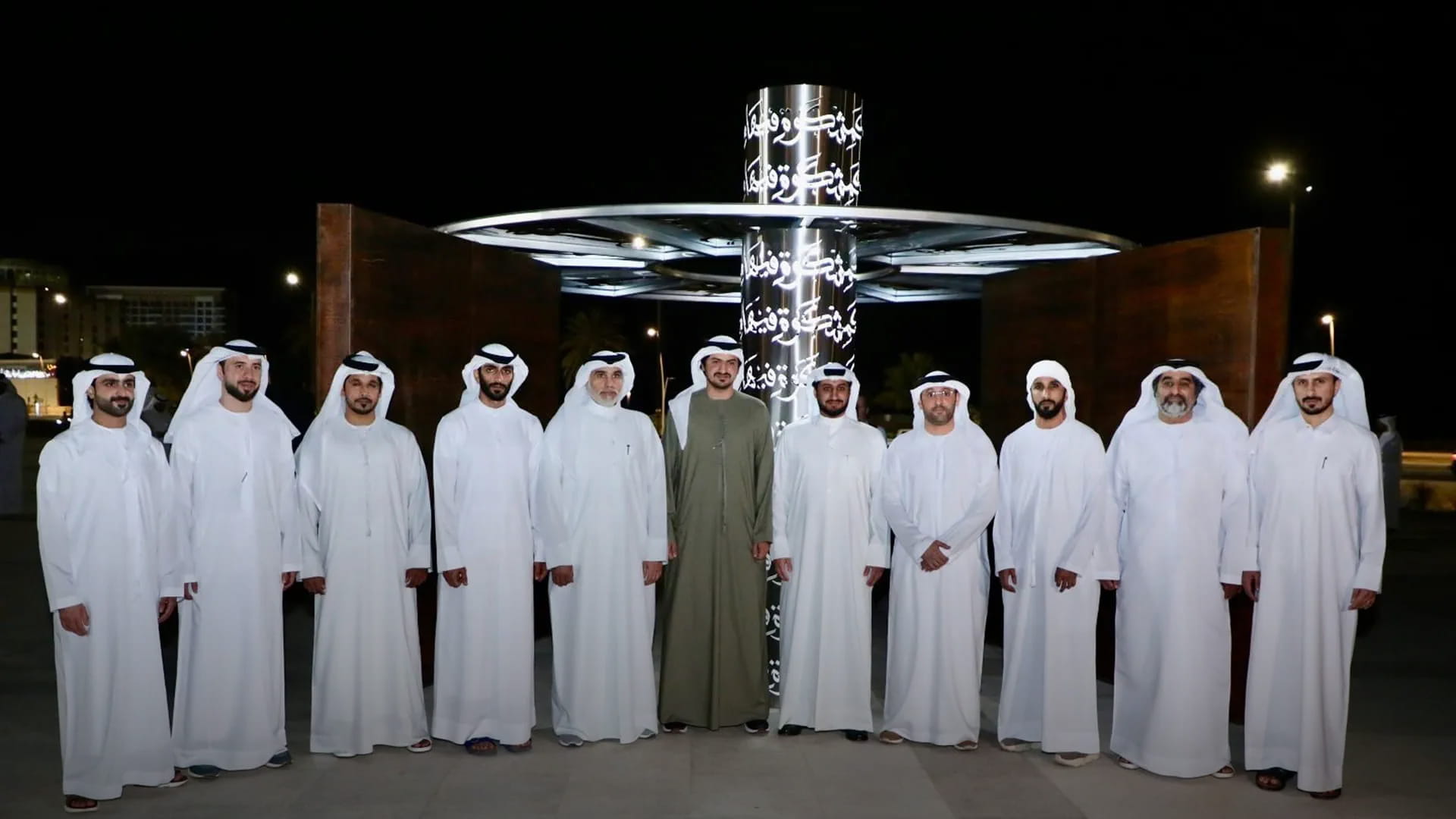
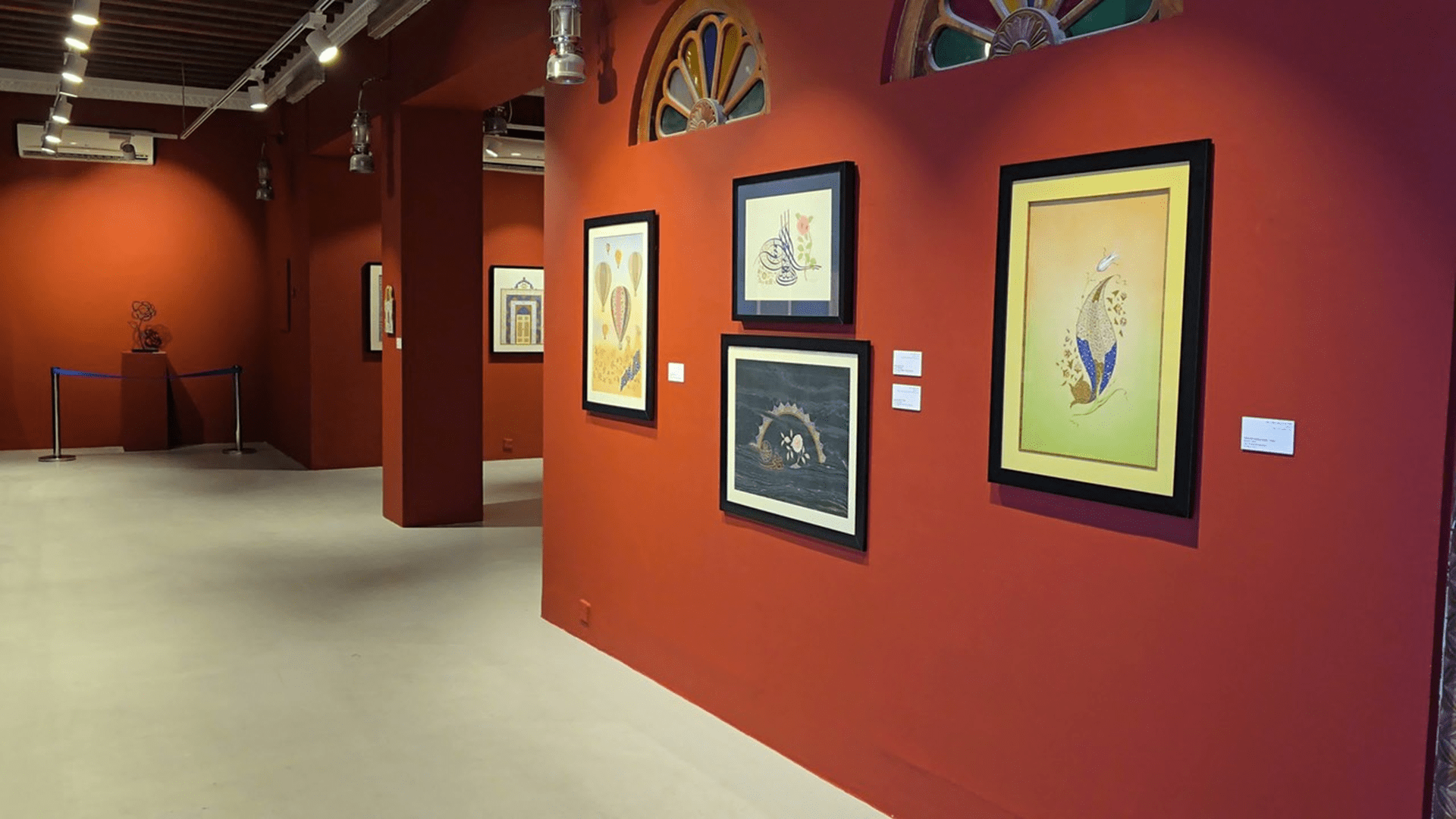
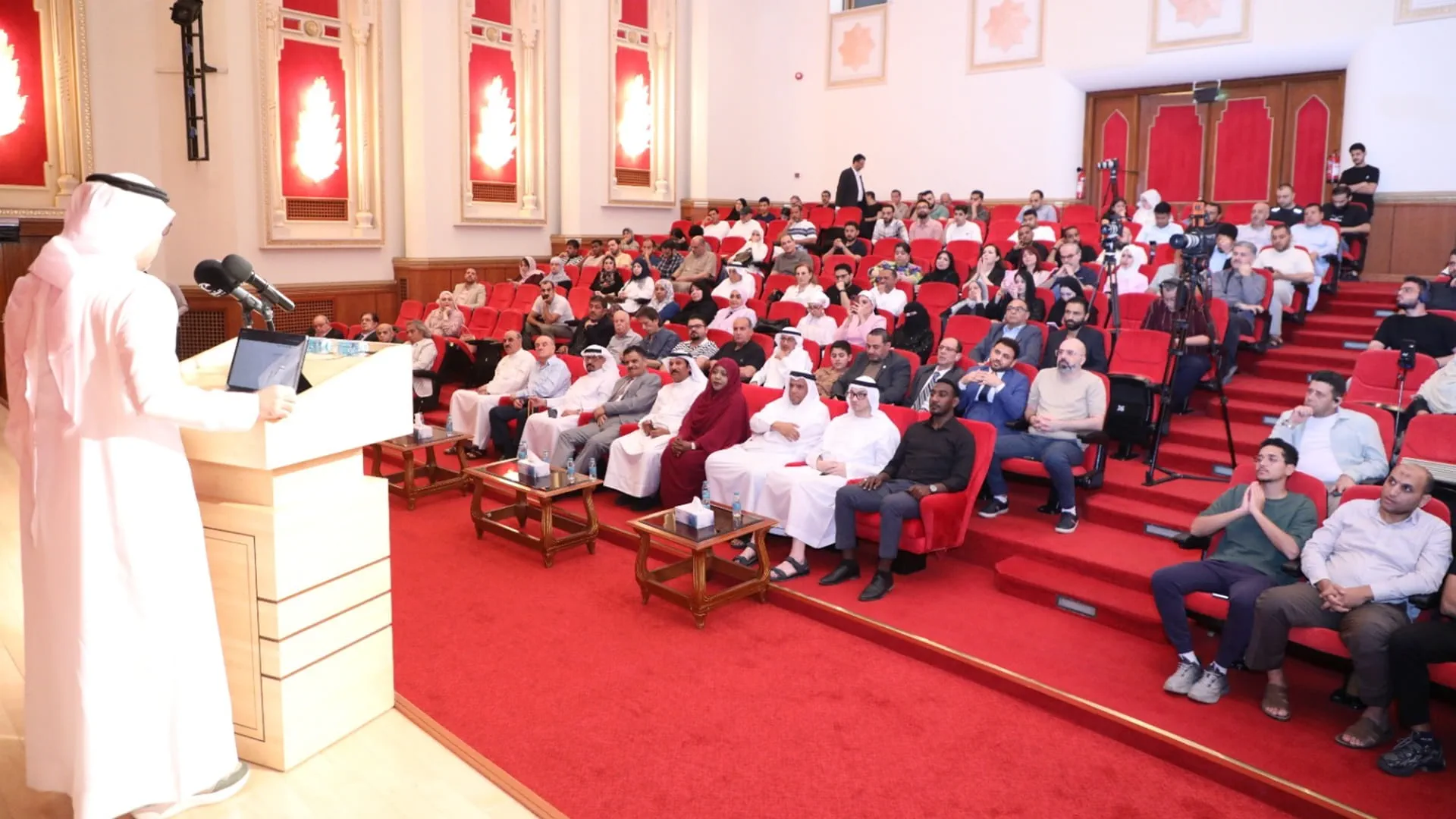
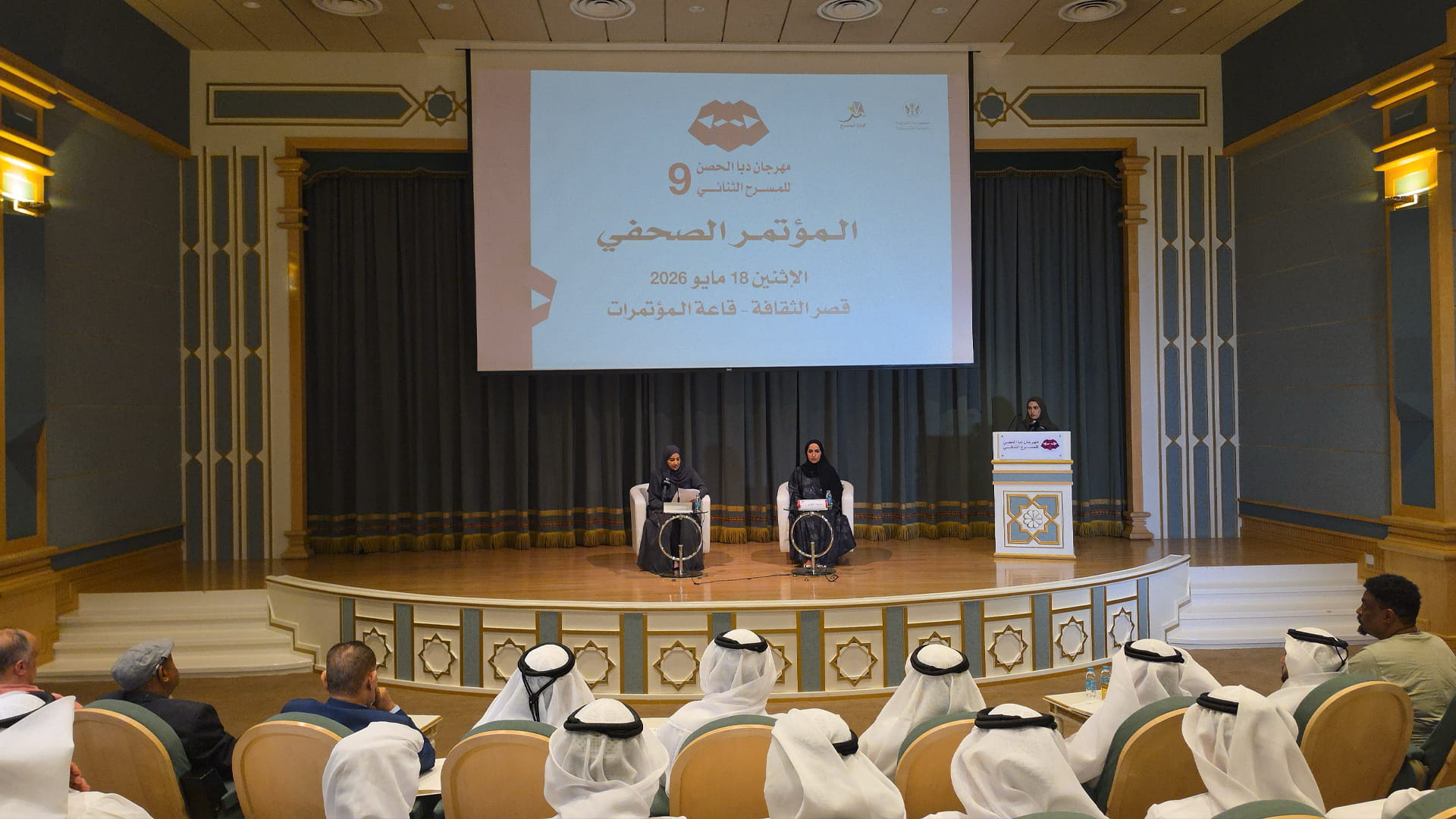
Al Qusair and attendees toured the amphitheatre to explore the artworks, which reflect the festival’s theme, “Siraj”, aiming to capture the spirit of Islamic arts through the interplay of light in creative works.
At the heart of this work lies a precise physical phenomenon: when a green laser beam strikes olive oil, the chlorophyll within emits a red glow. Light enters as one thing and emerges as another, not through force but through delicate interaction. The artwork transforms the space, where light is not only seen but reshaped and reformed.
“Nur ‘ala Nur” embodies the imaginative and experimental, redefining light—whether sacred, scientific, or sensory—not merely as illumination but as a state of being. What is seen is not just a reflection of what is lit, but a response to the viewer’s own perception.
This interactive installation radiates as a mishkat (niche), embracing the light derived from faith and certainty. Its spatial arrangement conveys a sense of renewing energy, with light accompanying viewers around, beneath, and through the work. The columns inscribed with verse 35 of Surah An-Nur in exquisite Arabic calligraphy become both visual and spiritual centres, revealing deeper meanings.
The columns represent the impact of light as a guiding beacon, while the rusted metal panels evoke the worldly and human condition, yet simultaneously point towards illumination. The installation offers a sensory and spiritual experience where light intertwines with the concept of the siraj, creating an interactive space blending symbolism, meaning, form, and suggestion.
From above, the installation appears as a symbolic visual composition combining precise geometry, shadows, and light, creating a contemplative experience imbued with meaning. The flat circular dome, with its central cavity and calligraphic inscriptions, represents the eye of light radiating energy.
The transparent central column connects sky and earth, directing light upwards and downwards, redefining the relationship between spirit and space. The rusted iron walls supporting the dome reflect the contrast between roughness and elegance, permanence and transformation. The choice to rest the dome on only two walls is a deliberate architectural decision, enhancing visual and symbolic openness and allowing light to become the third element. The design embodies the philosophy of “less is more”, where simplicity emphasises
the purity of form and essence of idea, completing the open wing with a silent yet majestic structure.
Arabic calligraphy is a prominent and integral element within this installation.

 For an optimal experience, please
rotate your device to portrait mode.