
Loading...
Loading...

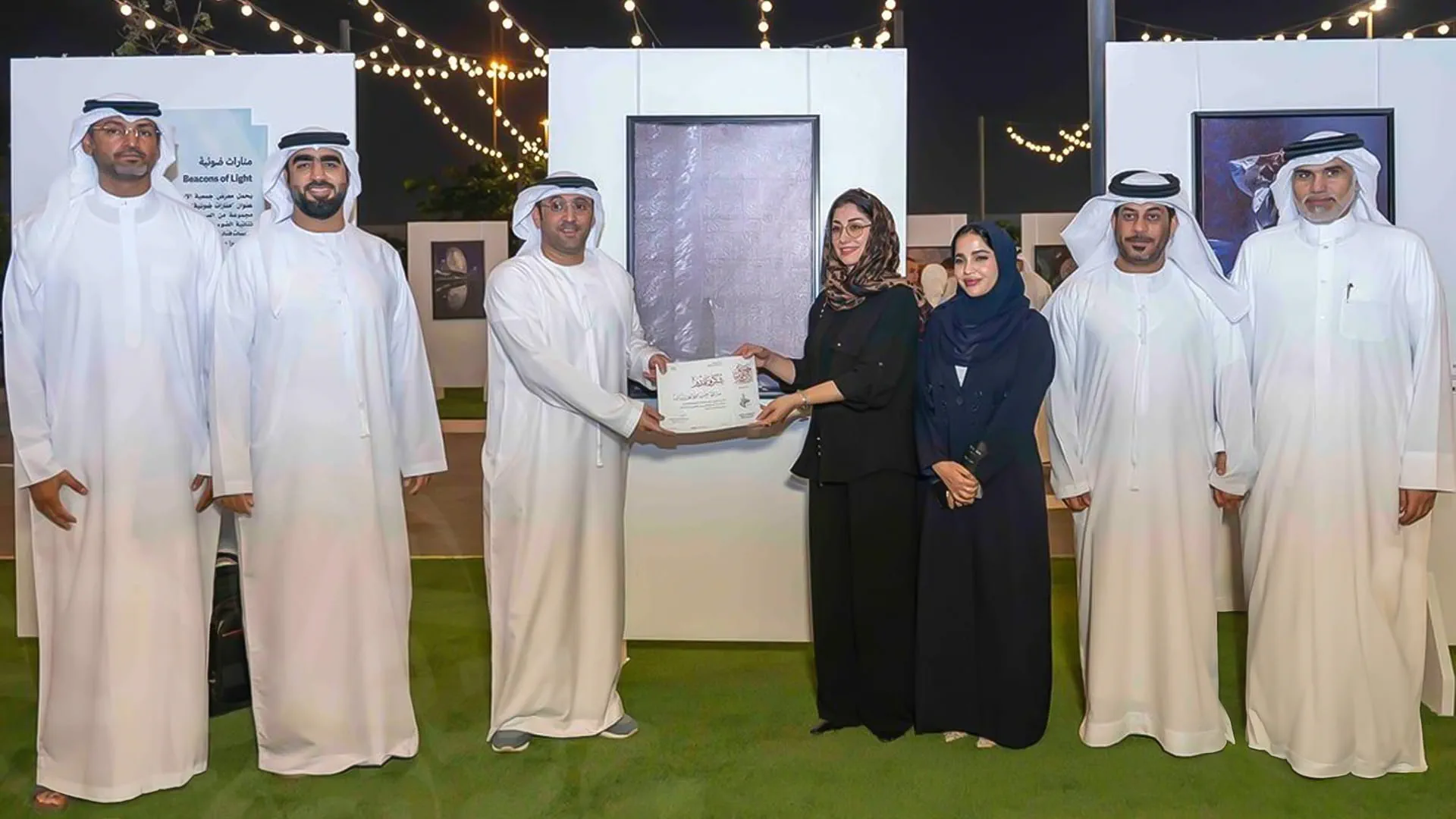
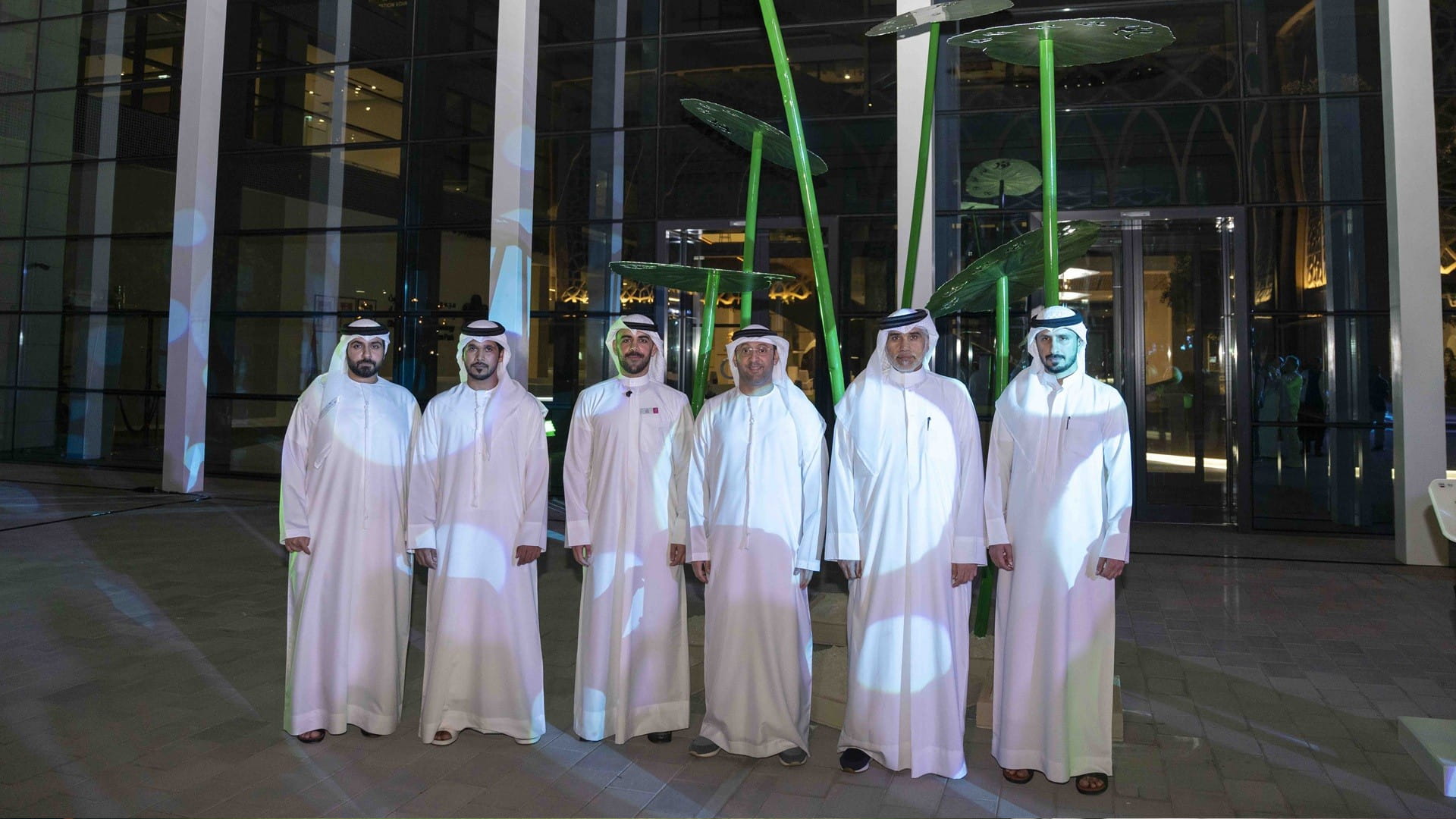
The event was attended by Ahmed Obaid Al Qaseer, Executive Director of the Sharjah Investment and Development Authority (Shurooq), along with artists and media representatives. The works showcased included In Stillness, Light by Studio One Third, Star in the Warehouse by Jordanian artist Omar Darwish, and The Dividing Space by Emirati artist Ruqayya Al Hashimi.
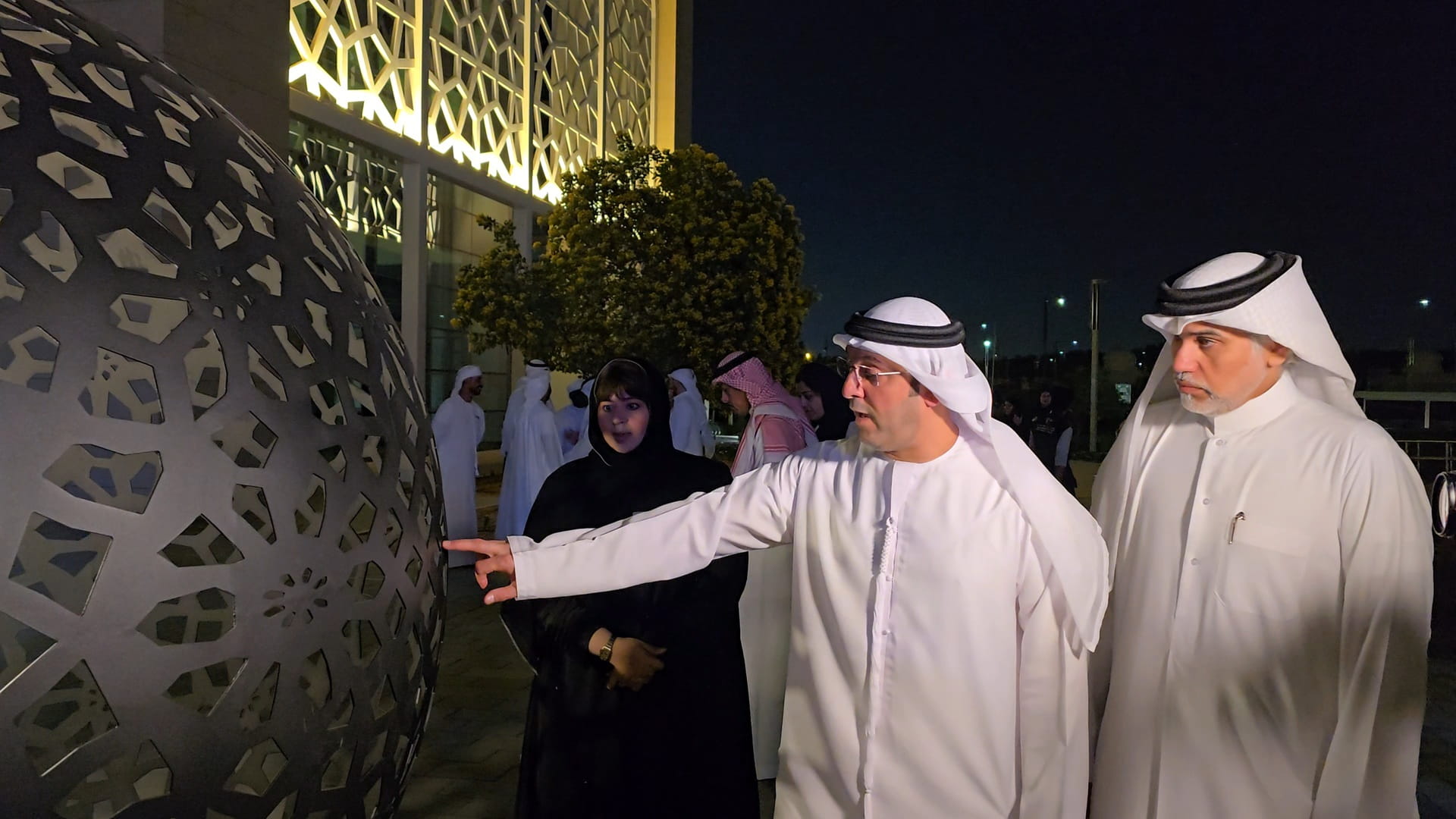
Al Qaseer and attendees toured the exhibitions, exploring the artworks that seek to convey the creative spirit of Islamic arts and embody the aesthetic meaning of the festival’s Siraj theme.
This interactive installation guides visitors through an immersive spiritual journey via tents that differ in size, light, and materials. The steel frameworks are wrapped in layers of woven palm fronds, starting with dark, empty tents and gradually unveiling decorative motifs through a marquetry technique, culminating in a fully covered circular tent.
Visitors initially encounter a small, dark tent symbolising the self burdened by distraction, ego, and neglect. Low lighting and surrounding silence encourage contemplation. As the journey unfolds, the tents expand and open, light increases, and materials become lighter and more transparent. The gradual illumination from within signifies the inner light inherent in every human being, emerging from the inside as the heart becomes pure.
This work encourages visual and intellectual reflection on the timeless symbol of the eight-pointed star, formed by overlapping two squares. Historically, the star represented cosmic order and the key directions of the universe, appearing in architectural decoration, open squares, domes, and urban planning. Today, it remains subtly in concrete forms, elevator tiles, or facility doors.
The artwork reimagines this cosmic symbol as a “capsule of light,” part warehouse and part exhibition space, where remnants of the traditional eight-pointed star are collected, catalogued, and displayed, reconnecting viewers with its historical and aesthetic significance.
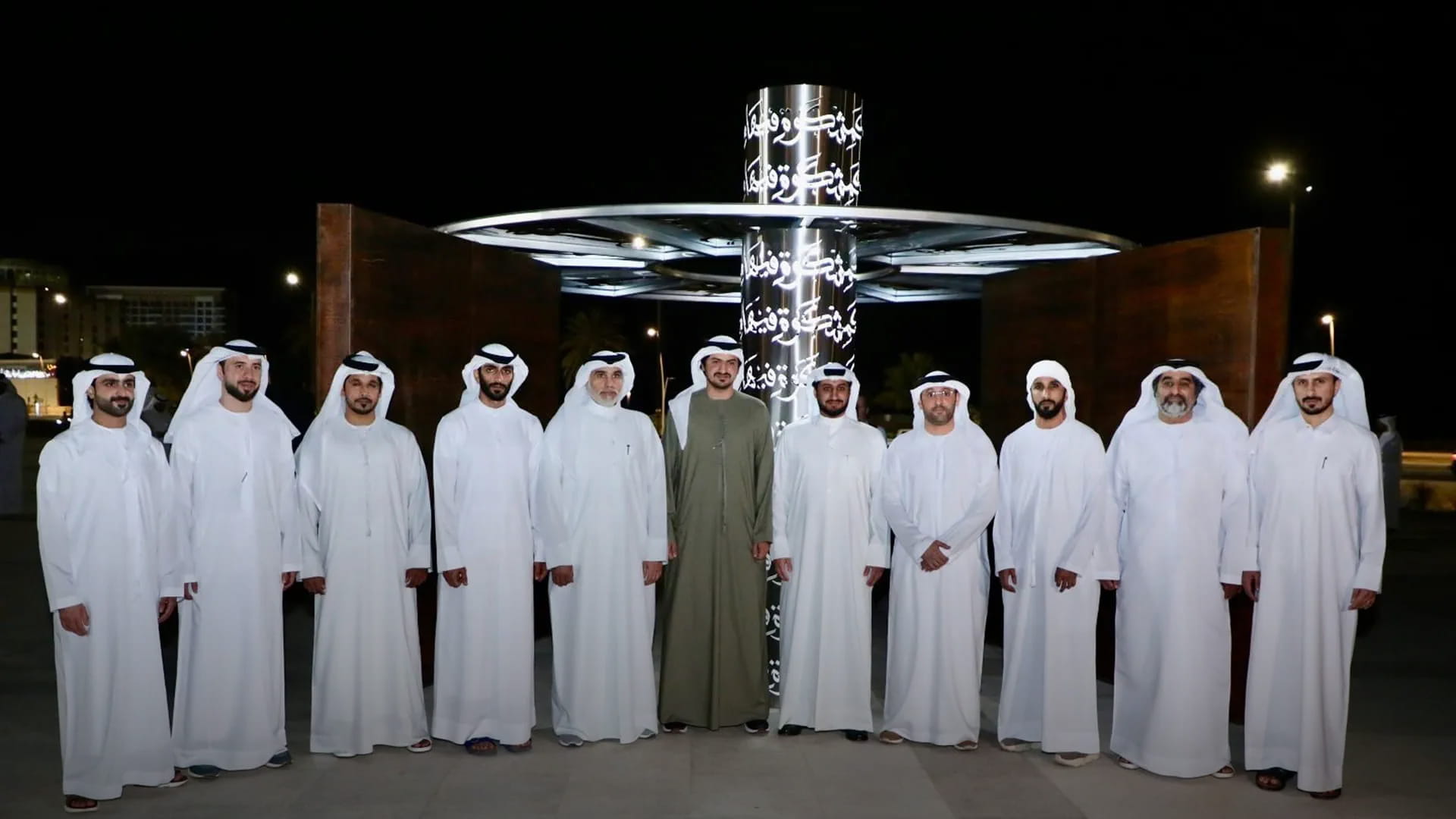
Ruqayya Al Hashimi’s installation explores existence, stillness, and quiet moments. It implies that what we seek—truth, peace, connection—may already be present, waiting for us to pause and observe.
At its centre is a hollow palm trunk, not erect like a tree but functioning as a passage or temporal opening. The interior is not void but an invitation to reflection, exploring the idea that absence can carry meaning. Inside the trunk, transparent glass blends with daylight and glows softly at night. The light remains constant, symbolising a sacred presence that does not seek attention but quietly emanates.
The work promotes stillness, contemplation, and witnessing. Sometimes, by halting the search, we begin to see, realising that what we have long sought may never have been missing but present from the start.

 For an optimal experience, please
rotate your device to portrait mode.