
Loading...
Loading...

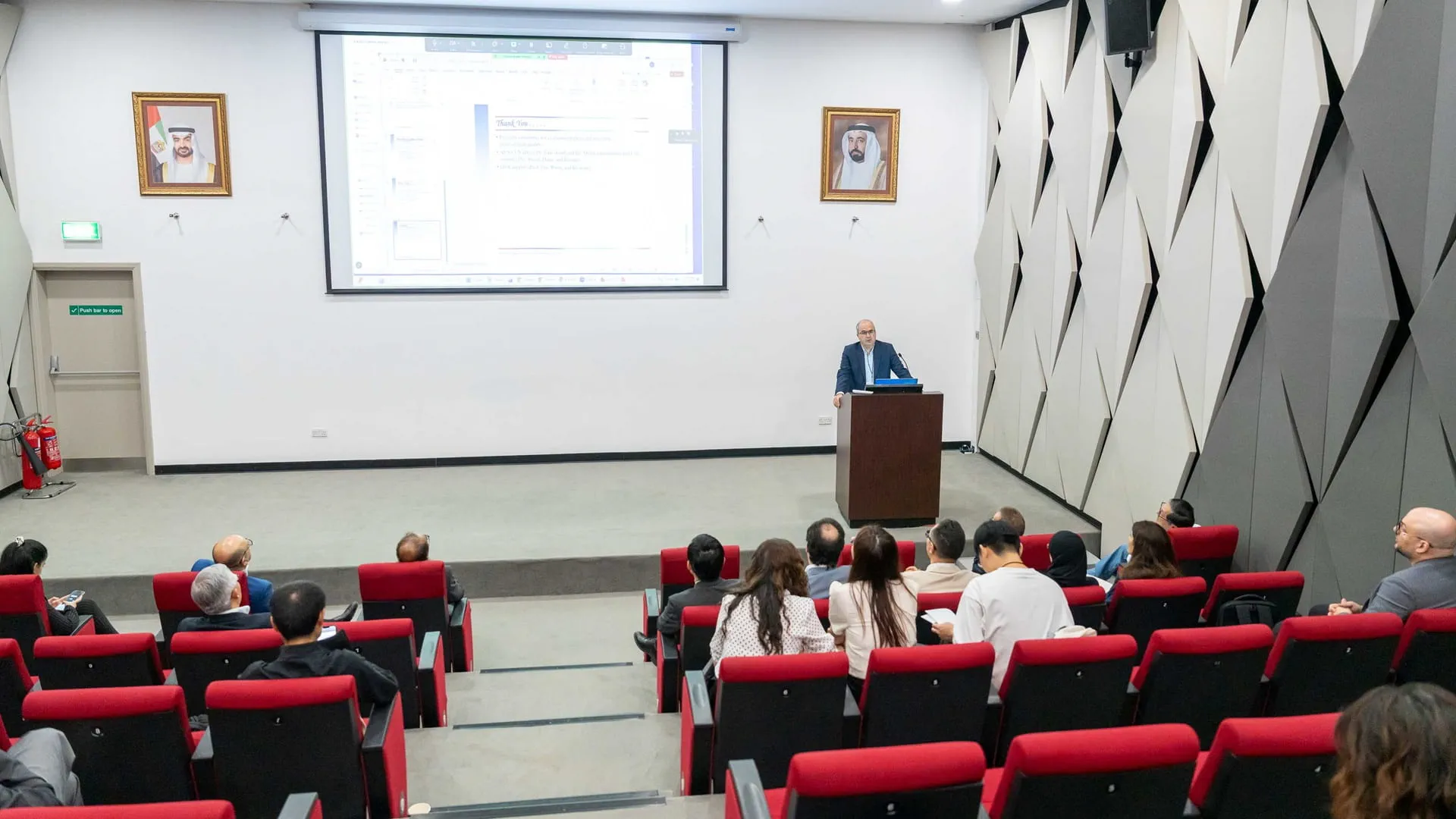
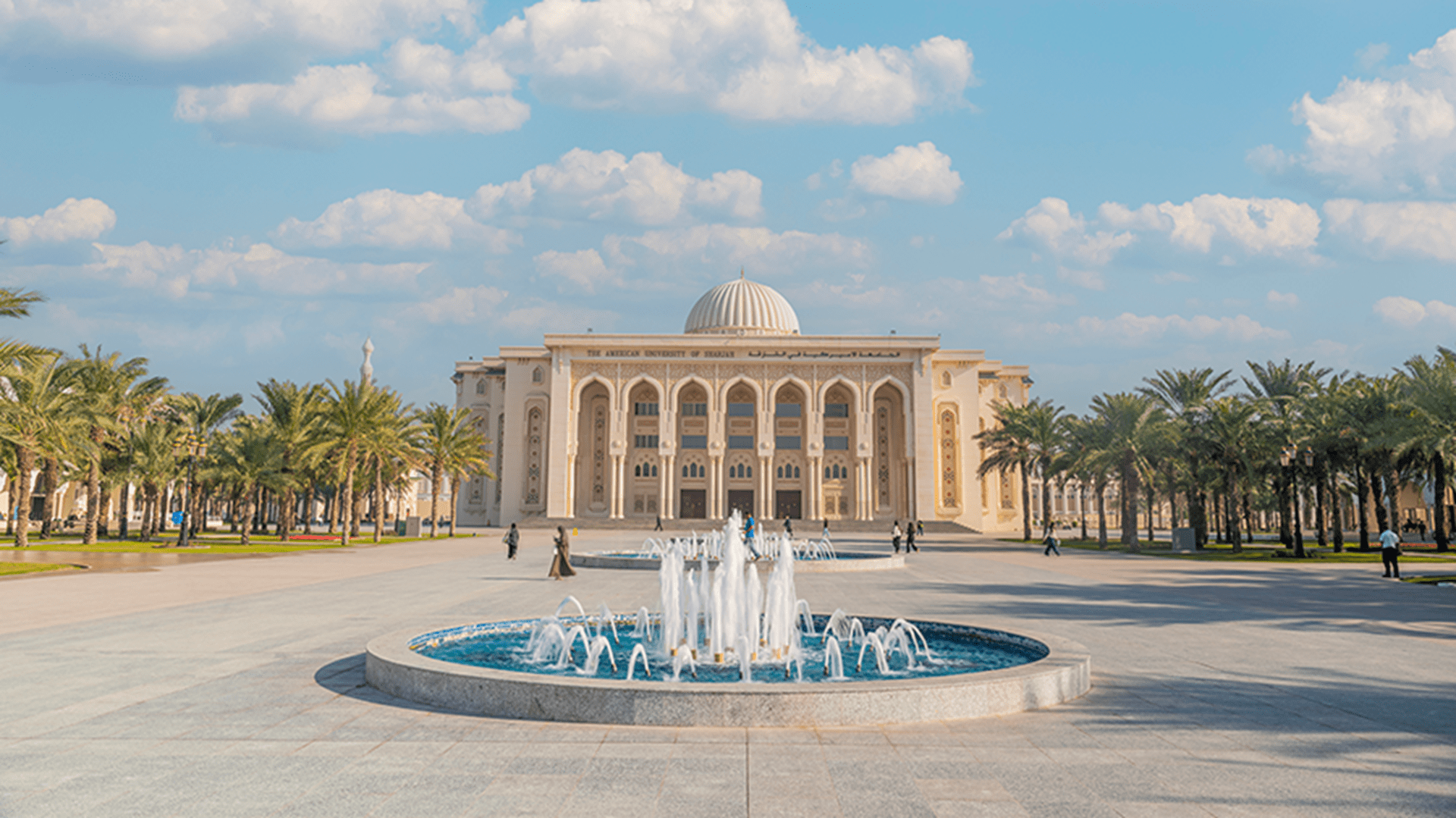
Taking place from 24 to 26 November 2025, the conference examined the dependability of complex intelligent systems and testing-based formal verification for software reliability, as well as how to ensure dependability from system design through deployment.
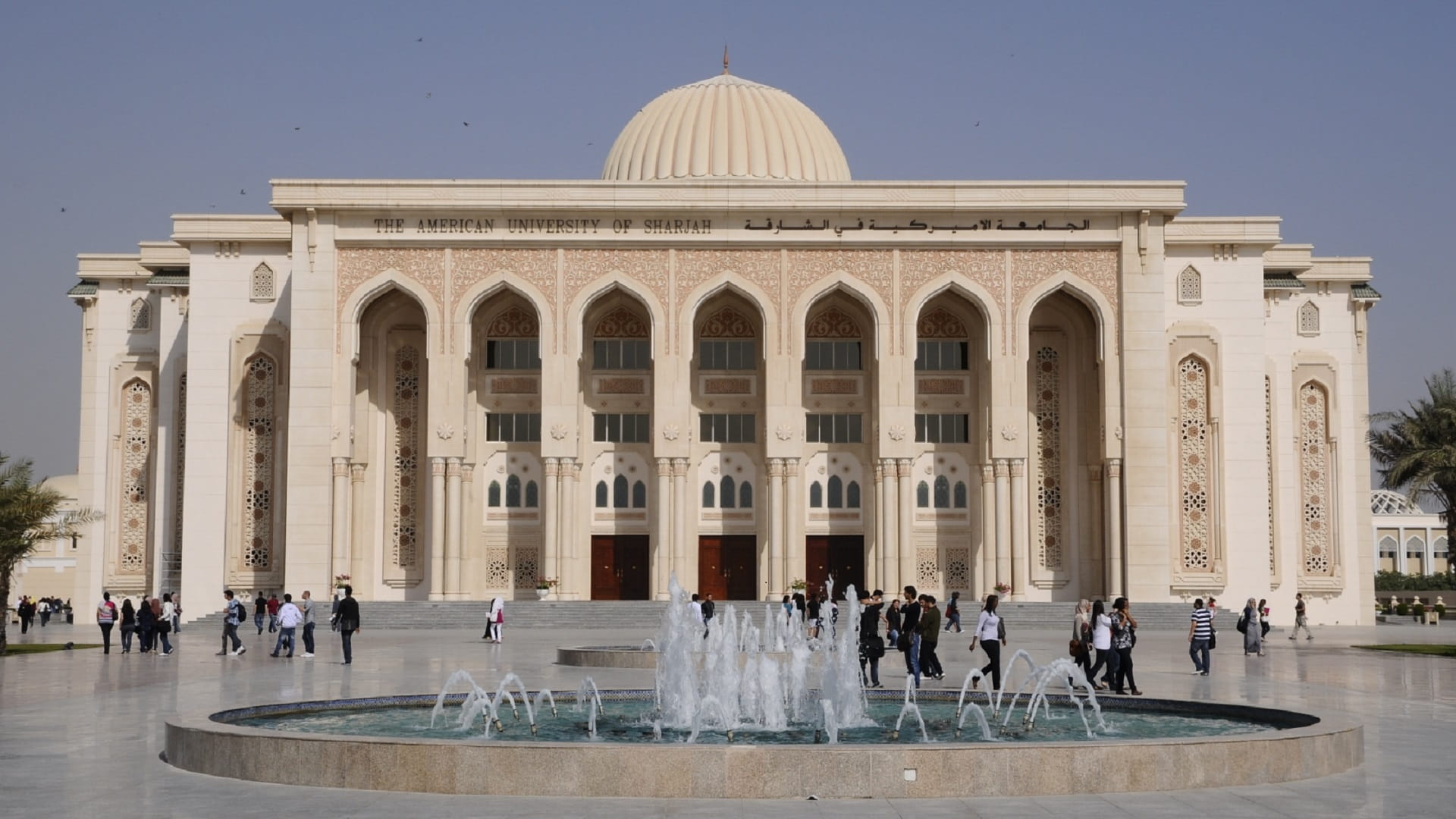
The technical sessions at AUS campus on 25 November explored cutting-edge research themes such as adaptive intelligence and reliability in autonomous and predictive systems, along with AI-driven intelligent detection and optimisation. Topics included work on multimodal large language model-driven robotics, autonomous driving evaluation frameworks, and advanced optimisation techniques for heterogeneous cloud environments. Additional sessions focused on knowledge graphs, multi-agent and trustworthy systems, as well as software testing, fault localisation, and system robustness. Presentations ranged from automated cyber risk assessment using large language model (LLM)-based multi-agent models to new methods for fuzz testing, testability tools, and robustness analysis.
During the conference’s online sessions on 26 November, topics included software testing and defect analysis, reliability assurance in cloud–edge and intelligent systems, LLM-driven intelligent systems, autonomous vehicle software, AI applications in intelligent systems, human–AI interaction, and reliable decision-making and scheduling. The sessions highlighted how large language models, cloud-edge collaboration, and AIoT architectures are reshaping the reliability landscape while also addressing open challenges in monitoring robust systems, fault tolerance, and safety in embedded and distributed environments.
Dr Fadi Aloul, Dean of the AUS College of Engineering and Honorary Chair of DSA 2025, emphasised that the conference highlighted the region’s increasing role in shaping the global AI and dependability agenda.
By hosting DSA 2025 at AUS, we aimed to do more than just organise a strong technical programme; we wanted to position the UAE as an active contributor to shaping global perspectives on trustworthy AI and dependable software. During these days, our campus became a meeting point for local and international experts, our faculty, and our students to exchange ideas on how to build systems that are not only intelligent but also resilient, transparent, and accountable. This is precisely the kind of dialogue our region needs as we integrate AI into critical infrastructure, public services, and daily life,” he said.
DSA 2025 is the latest edition of a conference series that originated from the merger of the International Conference on Trustworthy Systems and Their Applications and the International Symposium on Dependable Computing and Internet of Things in 2017. Since then, the series has become a reference point for research on dependable and trustworthy systems and their applications, maintaining a strong focus on both fundamental research and practical implementations.
Dr Imran Zualkernan, Professor and Head of the Department of Computer Science and Engineering at AUS and Organising Committee General Chair of DSA 2025, said: “By hosting DSA 2025, AUS brought together a global community focused on one challenge: how to engineer intelligent systems people can depend on. The discussions and collaborations that started here will shape new projects, new tools, and new opportunities for our researchers and students.”
Dr Khaled El-Fakih, Professor of Computer Science at AUS and Programme Chair of DSA 2025, said: “The strength of DSA 2025 was its focus on the engineering discipline behind dependable AI. We curated a programme that moved beyond slogans to concrete advances in verification, testing and system design that our community can build on in real deployments.”
The conference was organised by faculty members from the AUS Department of Computer Science and Engineering, including Dr Dana Dghaym, Assistant Professor of Computer Science and Engineering, and Dr Reham Aburas, Assistant Professor of Computer Science, along with faculty from other engineering departments, whose efforts helped coordinate the programme and ensure a rich experience for participants both on campus and online.
In keeping with this tradition, the DSA 2025 proceedings will be published by IEEE Conference Publishing Services and submitted for inclusion in the IEEE Xplore Digital Library, as well as leading abstracting and indexing databases such as Ei Compendex and Scopus. Authors of selected high-quality papers will be invited to submit extended versions of their work to special issues of top international journals indexed in the Science Citation Index, thereby further increasing the impact of the research presented at AUS.
The conference was sponsored by Southwest Jiaotong University, with technical sponsorship from the IEEE Reliability Society and support from conference patrons including AUS, Nanjing University of Aeronautics and Astronautics, Beihang University, Beijing High Quality of System Technology Ltd., and Mooctest. Their support helped bring the global dependability community together for this year’s edition of the conference.

 For an optimal experience, please
rotate your device to portrait mode.