
Loading...
Loading...

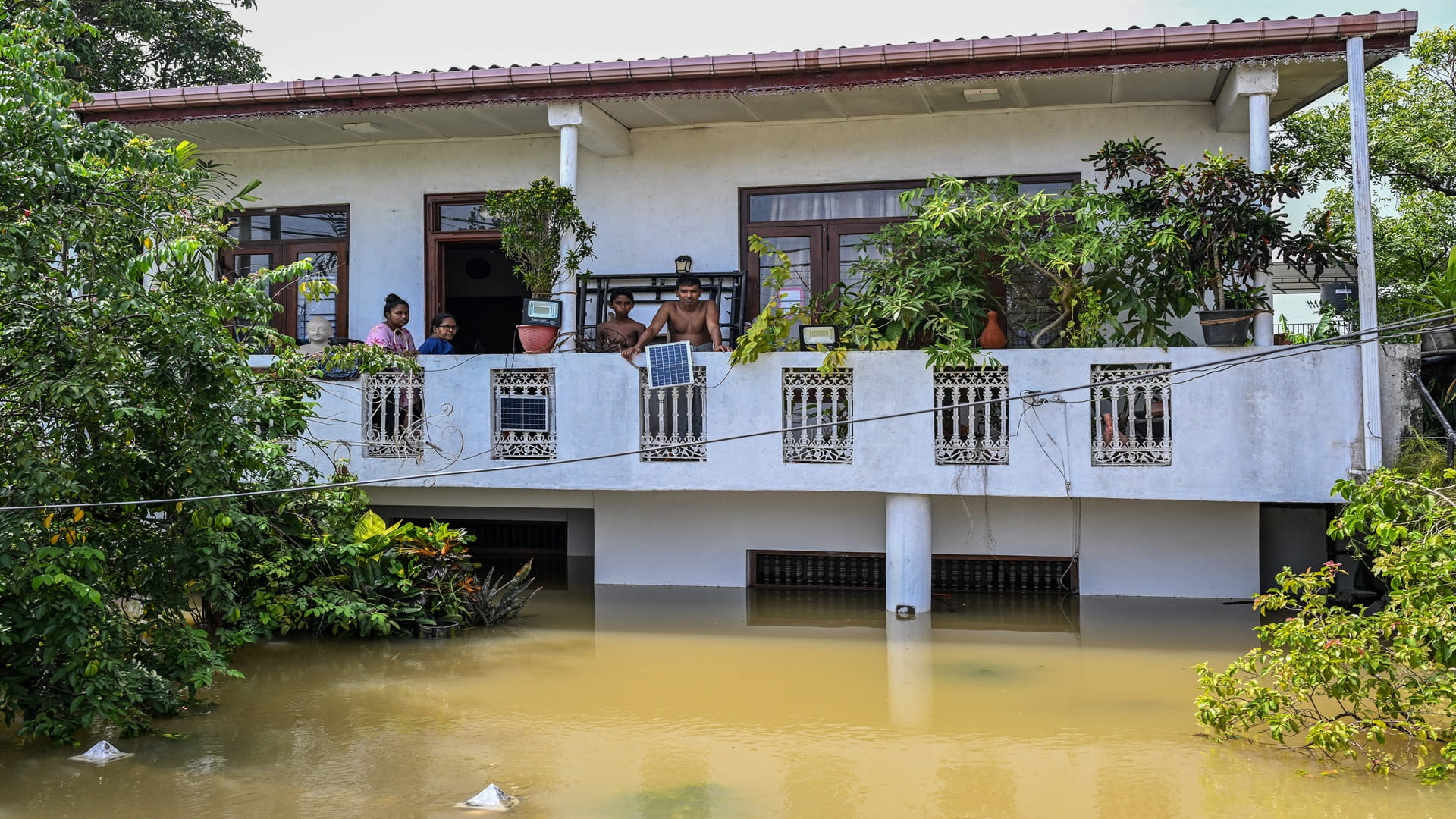
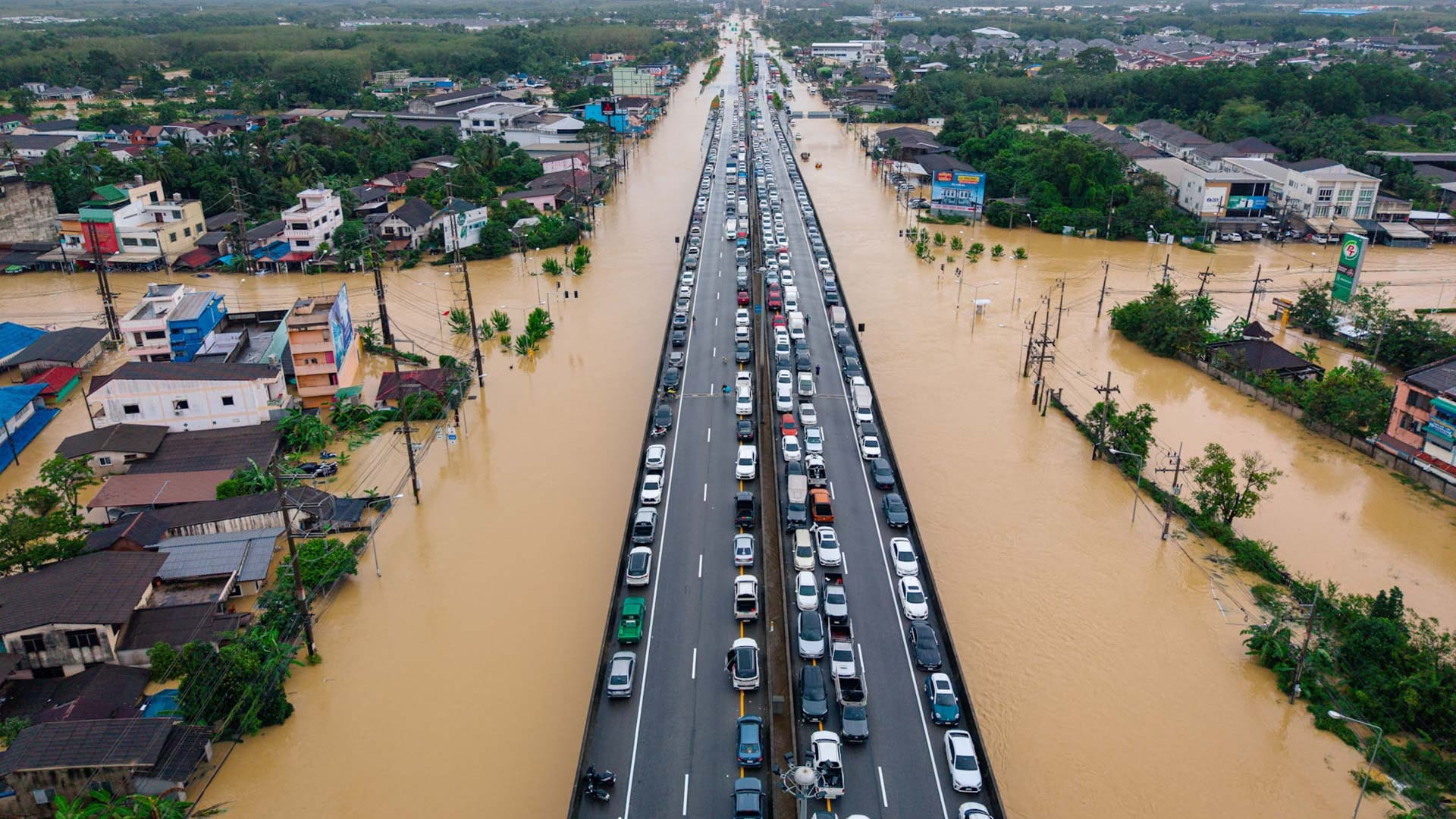
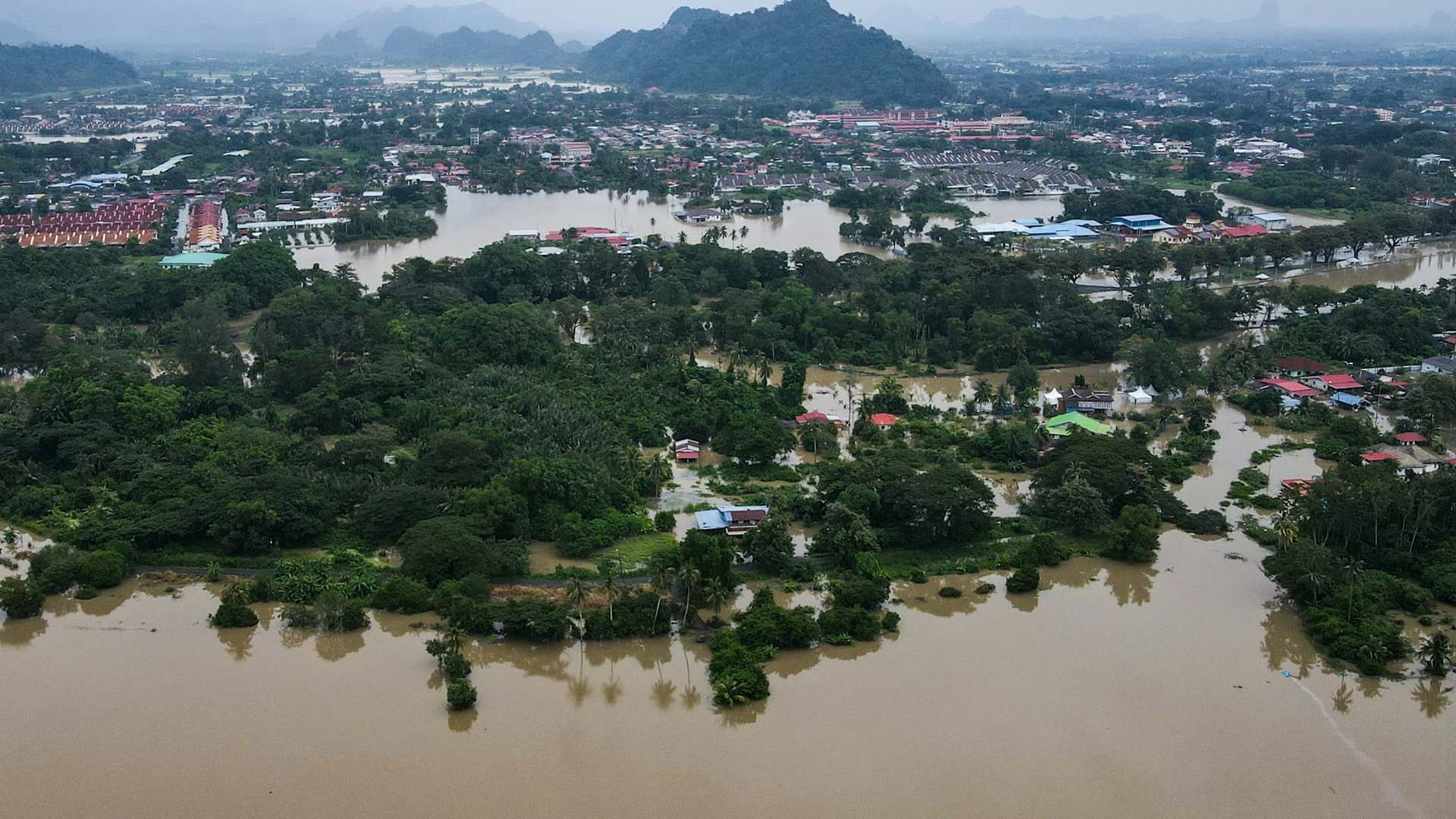
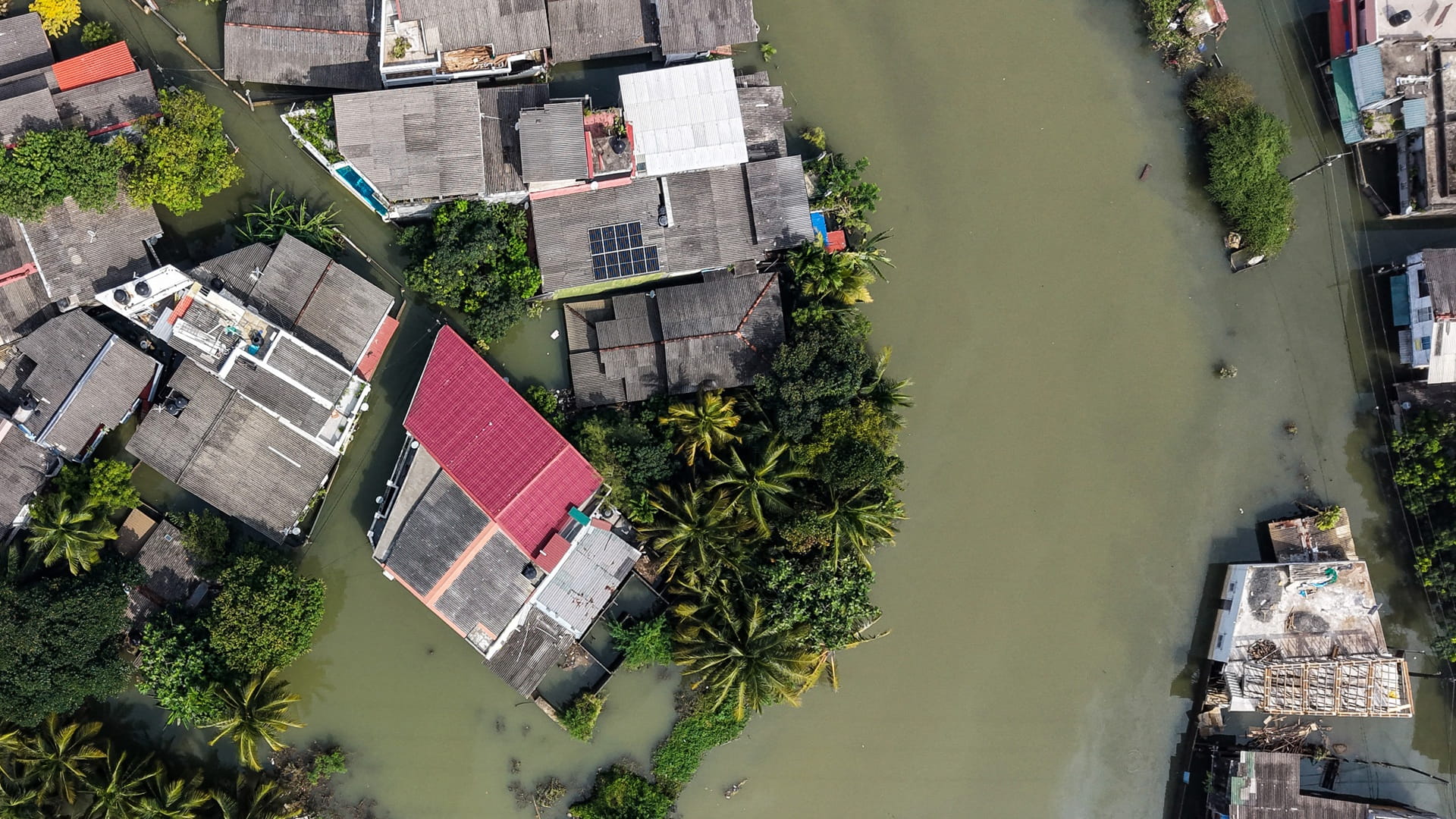
The destruction followed torrential monsoon rains intensified by two tropical cyclones, inundating Sri Lanka and large parts of Indonesia’s Sumatra, southern Thailand, and northern Malaysia.
Experts warn that warmer air and oceans are fuelling heavier rainfall and more powerful storms, increasing the region’s vulnerability.
Although waters have begun to recede, the aftermath has left entire communities displaced, struggling to secure clean water, food, power, and communication.
Aceh, one of the hardest-hit provinces, has seen roads cut off, soaring prices, and widespread panic-buying.
Residents queued for hours for fuel, with essential items—such as chillies—rising to 300,000 rupiah ($18) per kilo.
The Indonesian government has deployed 34,000 tonnes of rice and 6.8 million litres of cooking oil to three severely affected provinces.
Relief organisations report that markets in Aceh are close to running out of essentials, with prices tripling.
Islamic Relief warned of severe food shortages within a week unless supply lines reopen.
A shipment carrying 12 tonnes of food aboard an Indonesian navy vessel was set to reach Aceh on Tuesday.
At least 631 people have died in Sumatra, 472 remain missing, and one million residents have been displaced.
Survivors described walls of water “like a tsunami,” forcing villagers to shelter atop buildings as they awaited rescue.
The same weather system caused deadly flooding in southern Thailand, where 176 people were killed, and in Malaysia, which reported two fatalities.
A separate storm drenched Sri Lanka, triggering flash floods and landslides that killed at least 390 people.
Another 352 are missing, and many central districts remain inaccessible.
President Anura Kumara Dissanayake declared a state of emergency, calling the situation “the most challenging natural disaster in our history.”
Sri Lanka’s air force, along with teams from India and Pakistan, is evacuating stranded residents and delivering aid.
In Welimada, authorities recovered 11 bodies buried by mudslides.
In Colombo, floodwaters have started to recede, but locals say this year’s floods were faster and more severe than typical seasonal events.
Although rainfall has eased, officials warn that landslide risks remain extremely high, especially in Sri Lanka’s heavily affected central region.

 For an optimal experience, please
rotate your device to portrait mode.