
Loading...
Loading...

The Indonesian meteorological agency warned that the three worst-affected provinces in Sumatra are expected to face moderate to heavy rainfall from Thursday to Friday.
Although rain began overnight, it has not yet reached the destructive levels that triggered the deadly flash floods and landslides last week.
The death toll in Indonesia on Thursday stood at 776, slightly revised downward as updates arrive from remote areas.
More than 560 people remain missing, with disrupted communication and power supplies hampering verification efforts.
At a shelter in Pandan, North Sumatra, 54-year-old Sabandi described the fear gripping survivors as forecasts warn of more rain.
“We feel scared,” she said. “We are afraid that if it rains suddenly, the flood will come again.”
She spent two days stranded on her roof without food or water before being rescued.
“My house was filled with mud—so high we couldn’t even enter,” she said.
Across Asia, seasonal monsoons are crucial for agriculture, yet climate change is making rainfall patterns increasingly erratic, unpredictable, and more deadly.
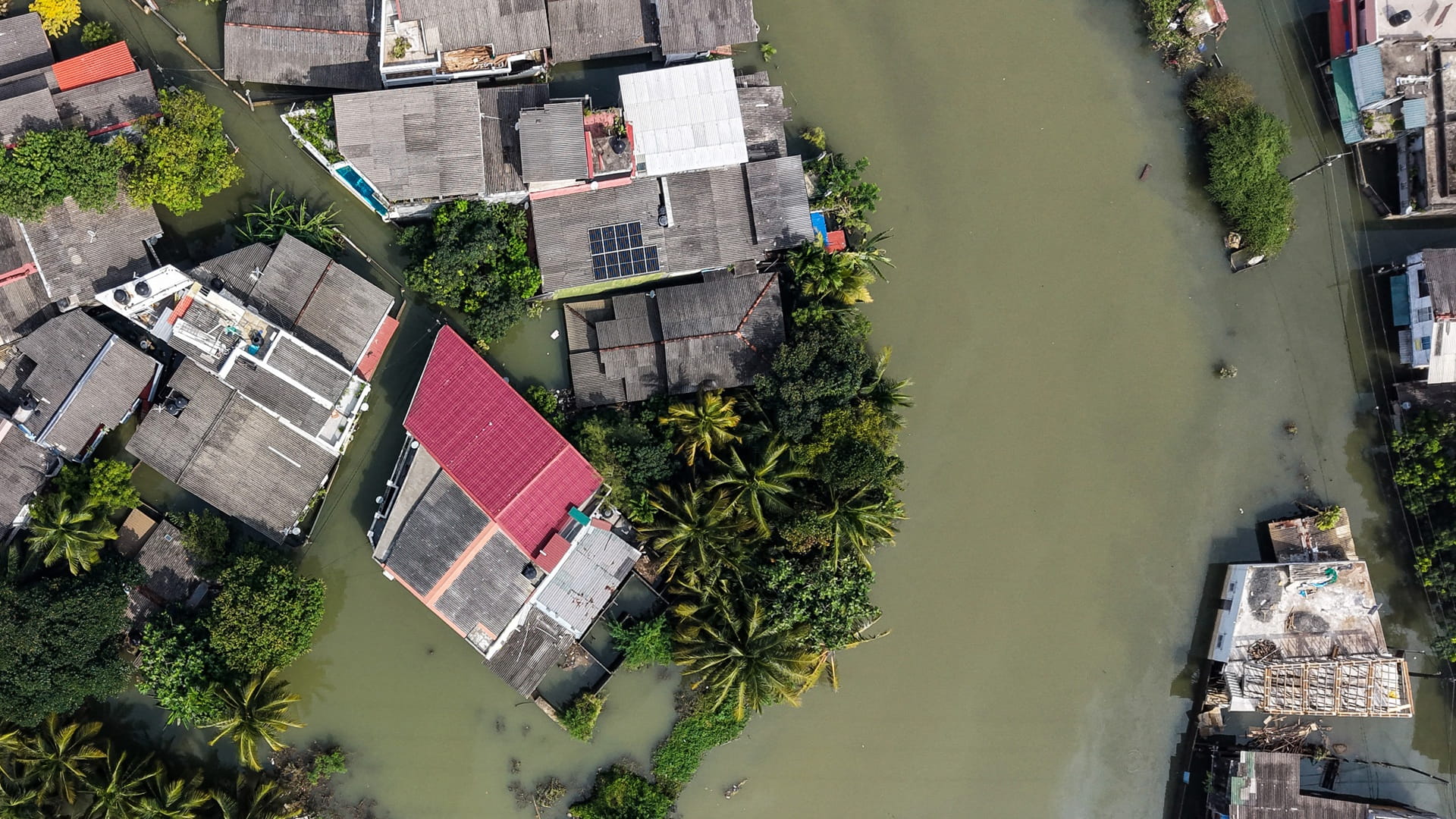
Last week, two different weather systems dumped massive rainfall on Sri Lanka, Sumatra, southern Thailand, and northern Malaysia.
In Banda Aceh, fuel lines stretched four kilometres, while survivors in other areas reported food shortages, price hikes, and looting.
In Sri Lanka, the northeast monsoon was expected to start Thursday afternoon.
Landslide warnings were reissued, especially for the central highlands, with authorities urging residents not to return home as saturated slopes risk collapsing.
The main Colombo–Kandy highway reopened for only 15 hours per day as crews worked to clear heavy debris.
On alternative routes, traffic slowed to a crawl as vehicles navigated damaged roads.
Landslides left deep scars on the mountainsides, exposing raw soil against the surrounding greenery.
Sri Lanka has recorded at least 479 deaths, with hundreds still missing.
The president has appealed for international aid, as rebuilding homes, industries, and infrastructure is expected to cost up to $7 billion—a staggering amount for a country still recovering from its most severe economic crisis.
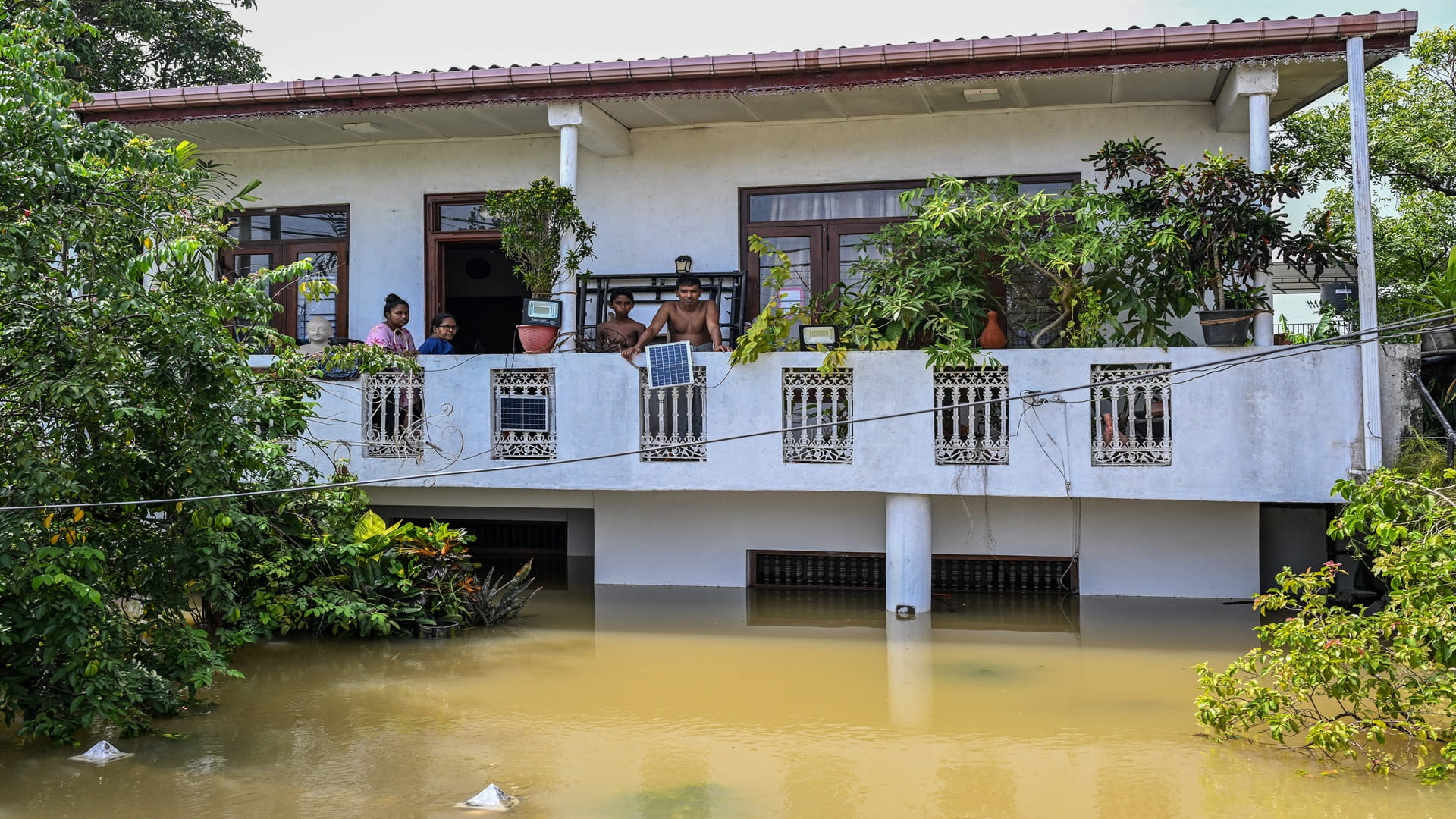
Outside Colombo, residents waded into homes still filled with a foot of water.
Soma Wanniarachchi, 69, said she stayed as long as possible.
“When the water level reached eight feet, I decided to leave,” she said.
Back home in Kotuwila, she was devastated to see her catering equipment destroyed.
“My stainless steel utensils are now probably in the Indian Ocean,” she said.

 For an optimal experience, please
rotate your device to portrait mode.