
Loading...
Loading...

More than a decade later, that conviction has evolved into a movement. From its first cycle with just 47 submissions from 8 Arab countries, the award now attracts over 300 entries annually from more than 20 countries, spanning the Arab world and beyond. What began as a literary recognition has become one of the region’s most respected cultural platforms shaping authors, illustrators, and readers across generations.
At its inception, the award set out to address a pressing cultural gap: while Arabic literature had a rich classical legacy, there was limited contemporary content written for and about Arab children.
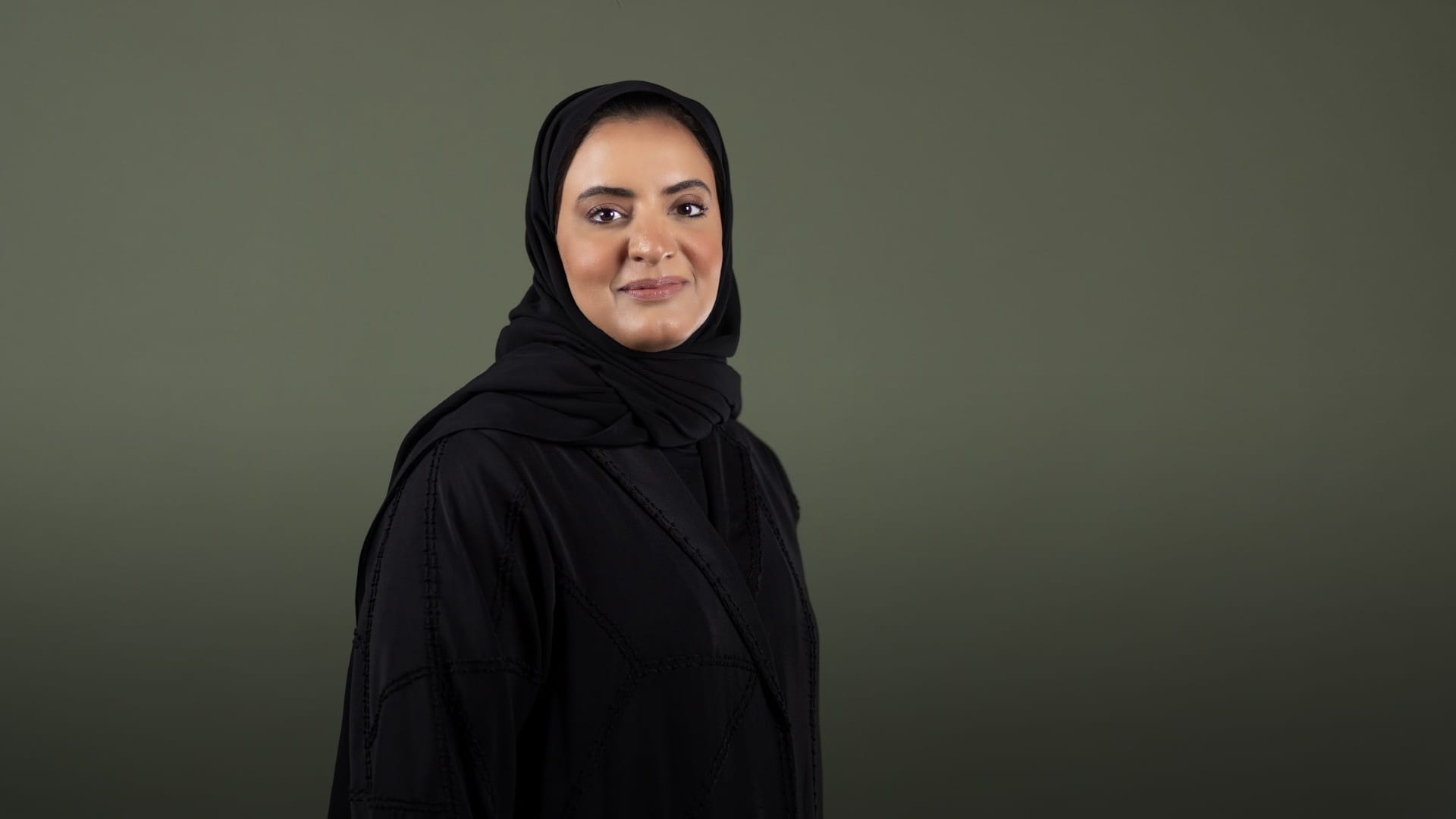
“We wanted to create a space where the Arab child could see themselves, their language, their emotions, their realities reflected with honesty and imagination,” says Marwa Al Aqroubi, President of the UAE Board on Books for Young People (UAEBBY) and spokesperson for the award.
The first winning titles published in 2009 quickly found widespread readership across regional bookstores and school libraries, signaling a strong public appetite for high-quality Arabic storytelling. Many of those early winners are now household names in the Arabic publishing scene, with their books translated into English, French, Spanish, and several other languages.
Over the past decade, the award has recognised more than 100 authors, illustrators, and publishers, and inspired the creation of nearly 400 original Arabic titles for children and young adults.
Initially focused on printed books, IAACL expanded its categories in 2017 to include illustrators, strengthening every link in the creative chain.
“Children today live in complex worlds,” Al Aqroubi explains. “They deserve stories that help them process those complex stories that let them see both their world and the possibilities beyond it.”
IAACL’s growing prestige has also amplified the visibility of Arabic authors on the world stage. Books first honoured in Sharjah have since been showcased at the Bologna Children’s Book Fair, Frankfurt Book Fair, and London Book Fair, opening global pathways for Arabic creativity.
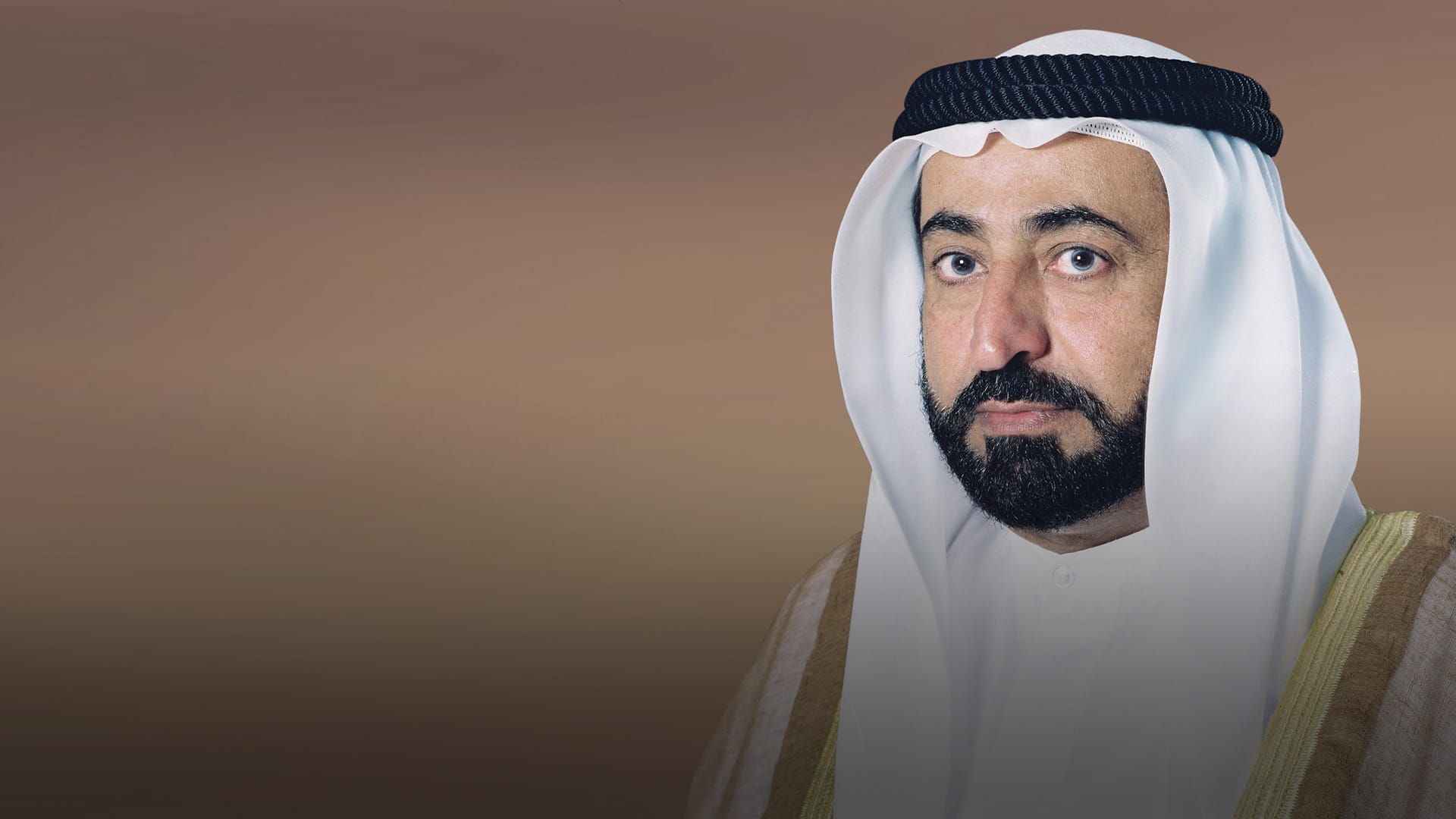
The award’s evolution mirrors Sharjah’s broader cultural journey, one defined by the vision of His Highness Sheikh Dr Sultan bin Mohammed Al Qasimi, and the leadership of Sheikha Bodour bint Sultan Al Qasimi, who have transformed literacy and publishing into pillars of sustainable cultural development.
Today, Sharjah hosts over 70 annual cultural events, including the Sharjah International Book Fair, one of the world’s top three largest book fairs by visitor numbers. Within that ecosystem, the IAACL stands as the region’s benchmark for literary excellence in Arabic children’s content.
“Sharjah has long believed that culture begins with children,” Al Aqroubi says. “Every investment in a child’s imagination is an investment in our collective future.”
In recent years, the award has adapted to a fast-changing digital landscape. A 2023 UAEBBY study found that 68% of Arab children aged 8–14 prefer mixed-format reading, alternating between print and digital platforms.
IAACL’s reach has also gone global. To date, over 40 award-winning titles have been translated into languages including English, French, Turkish, and Korean, introducing Arabic imagination to new audiences.
This cross-cultural exchange not only elevates Arabic literature internationally but also reshapes how global audiences perceive Arab identity through creativity, empathy, and storytelling.
“Our stories are universal, they speak of hope, belonging, and humanity,” says Al Aqroubi. “When translated, they don’t lose their meaning; they multiply it.”
From 47 submissions in its first year to hundreds today, the International Award for Arabic Children’s Literature has done more than honour books, it has built a literary bridge across generations.
“Every year, we discover new voices, new ways of seeing, new reasons to believe in the power of the Arabic language,” Al Aqroubi reflects. “The award’s story is still being written and it will always begin with the timeless promise that every Arab child grows up with; once upon a time.”

 For an optimal experience, please
rotate your device to portrait mode.