
Loading...
Loading...

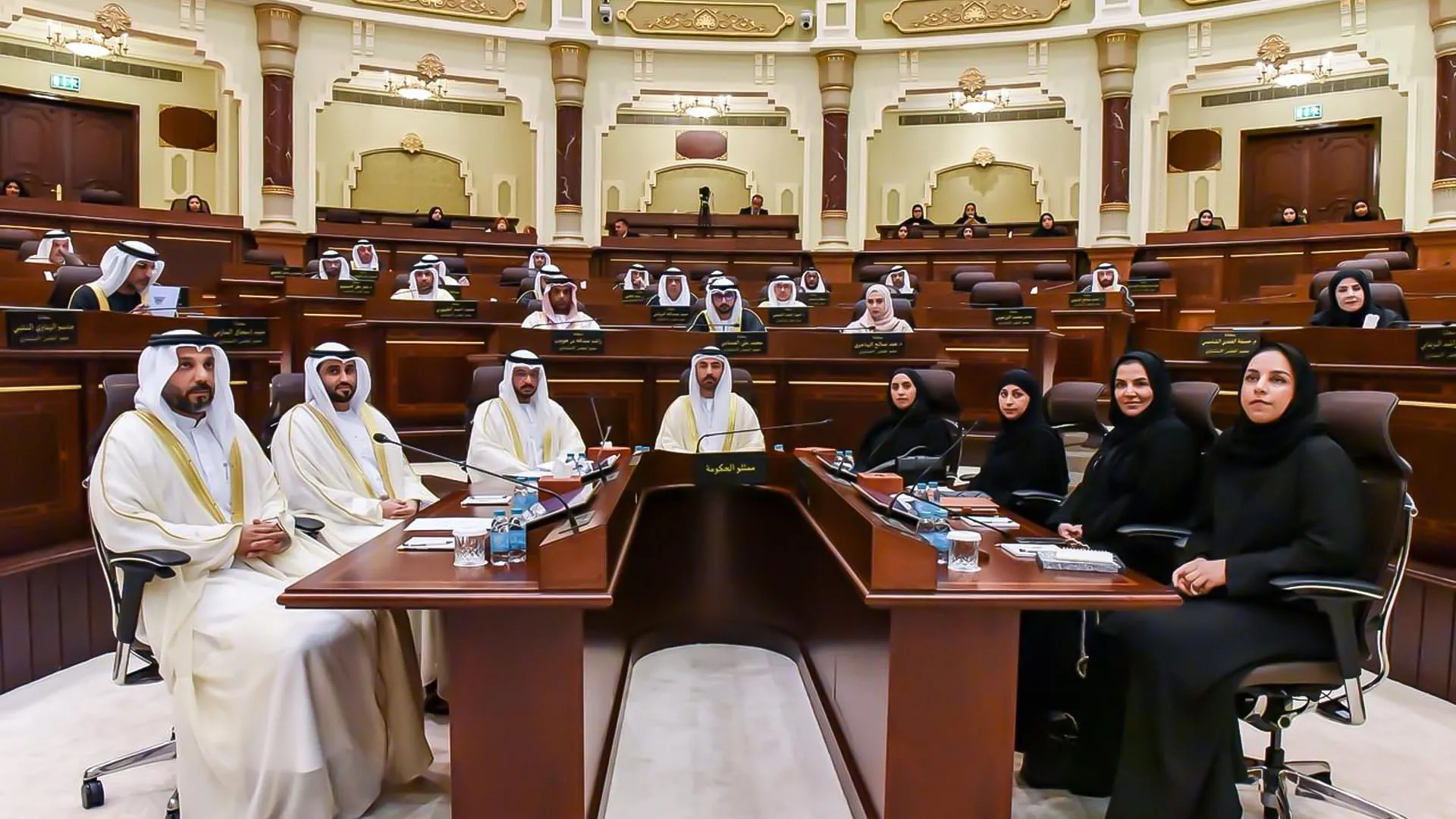
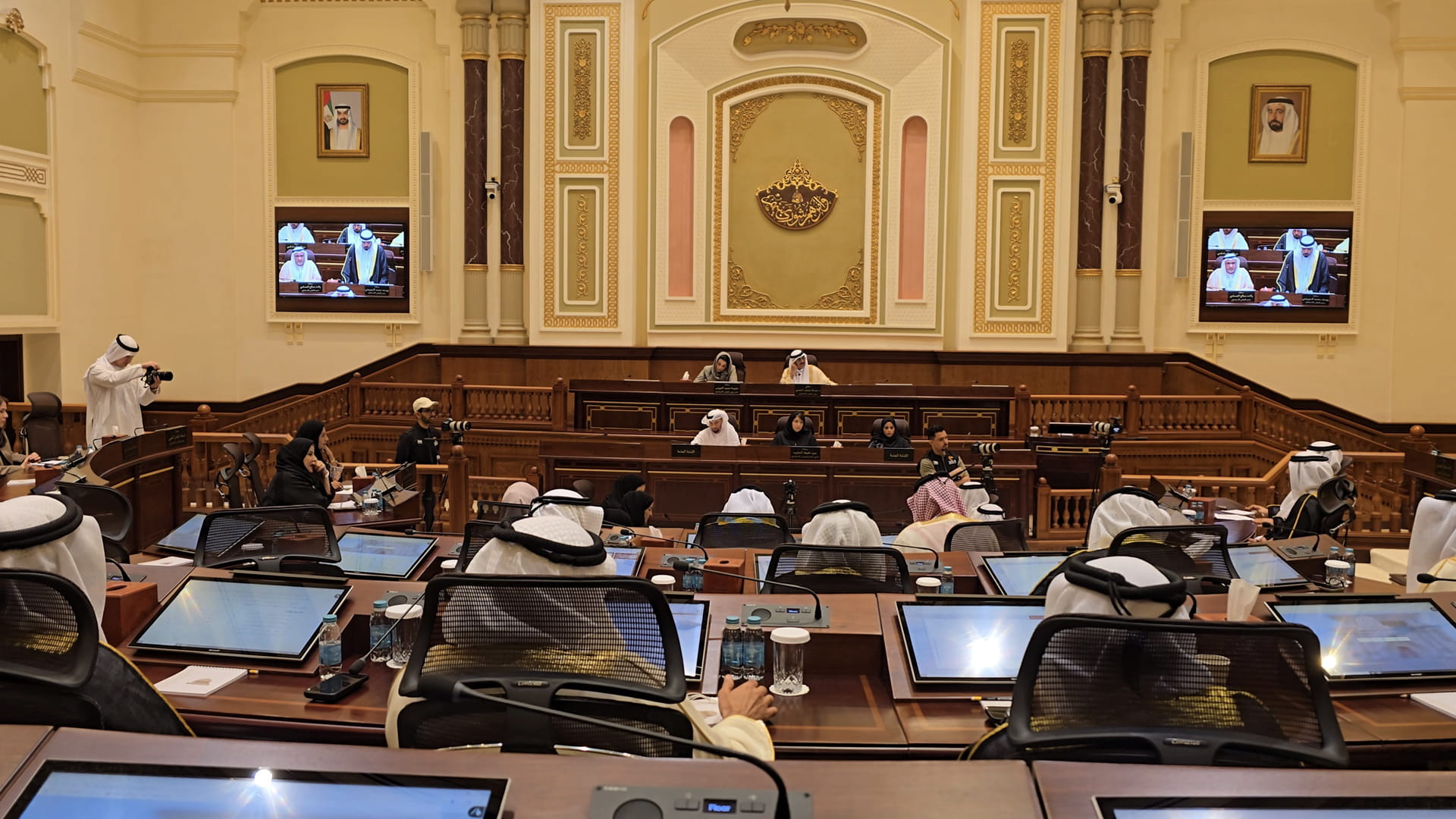
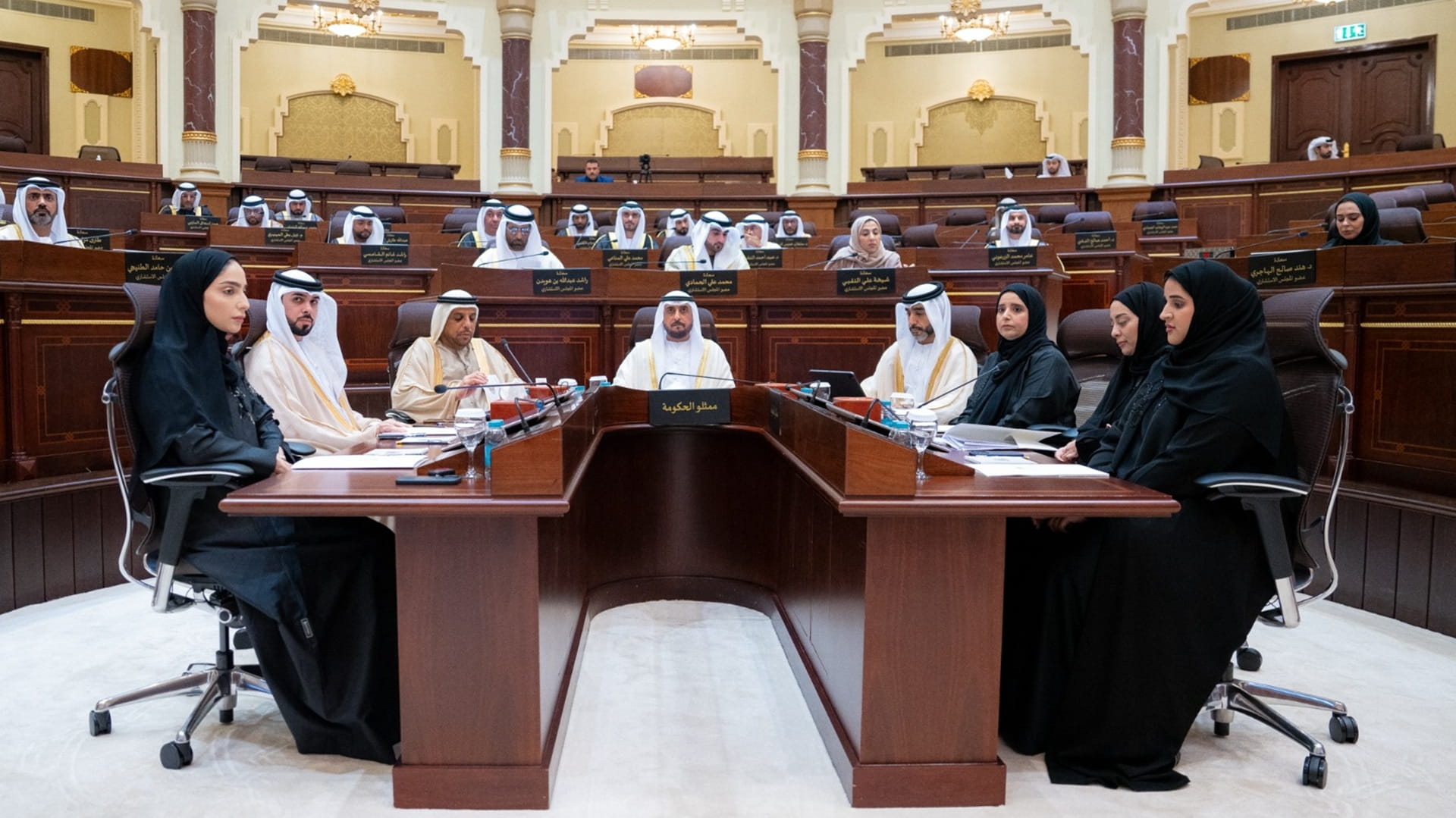
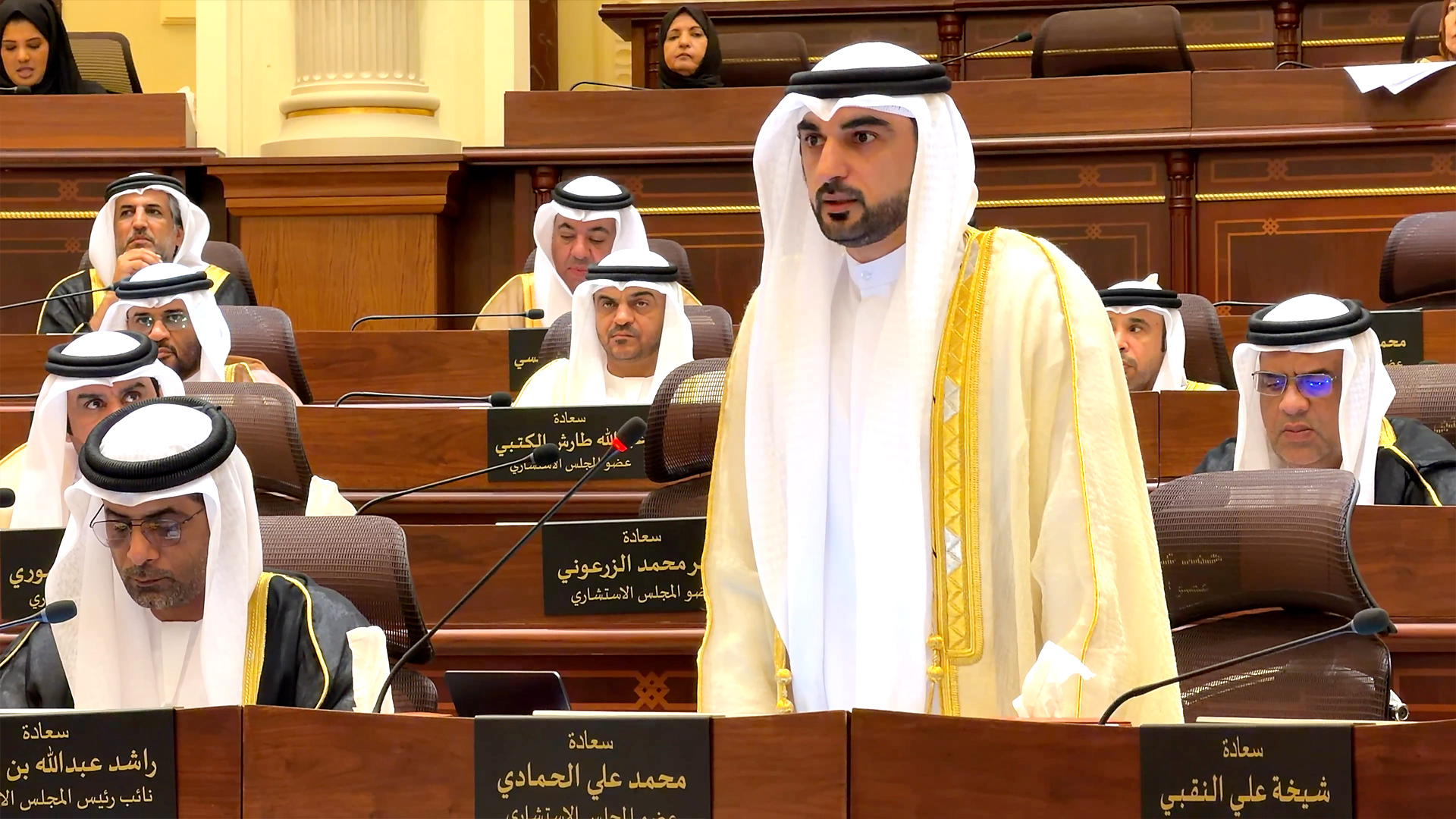
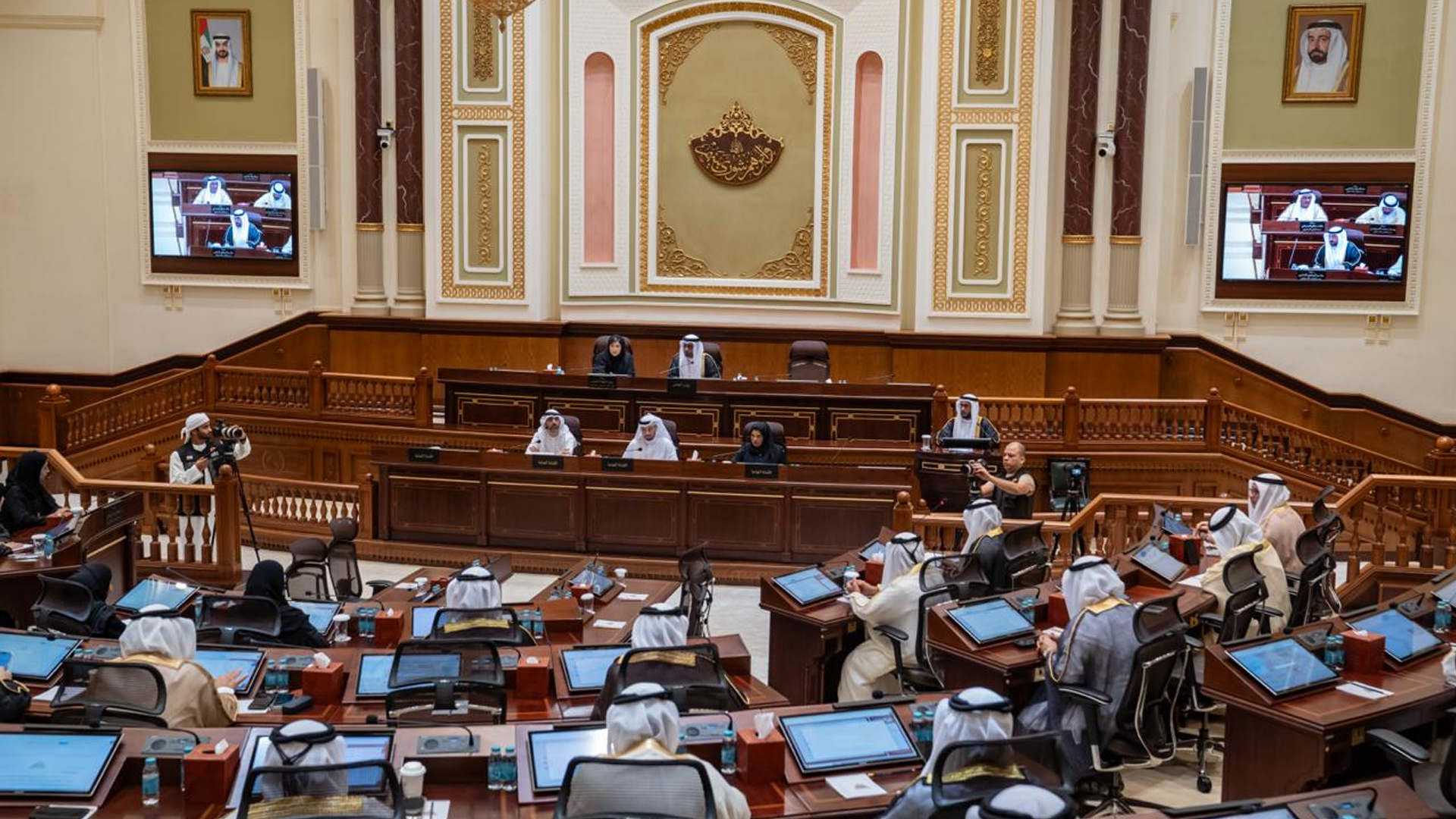
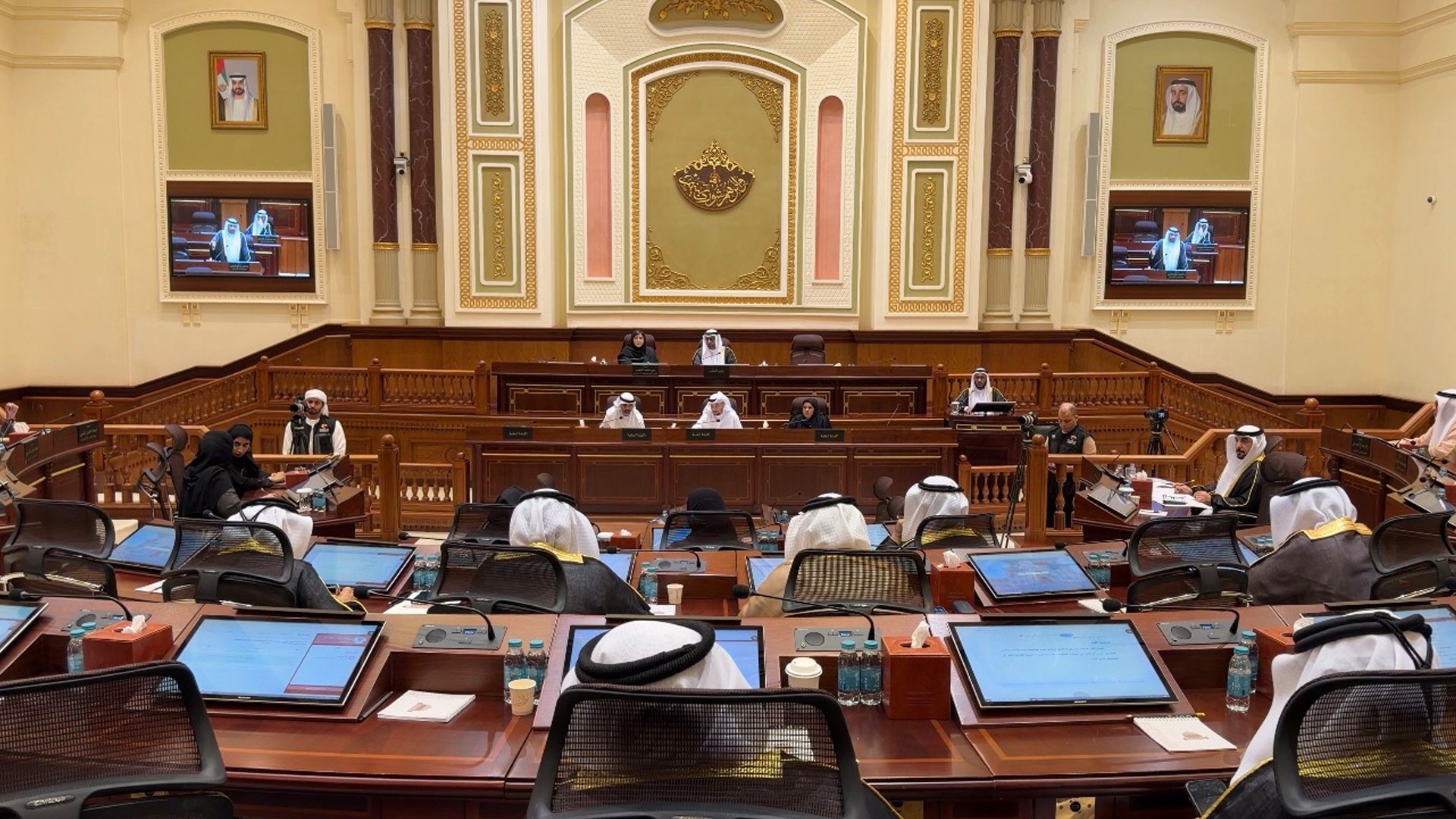
The session reviewed the general framework of the department's policies, its achievements, and its current and future projects. It also provided an opportunity for members to raise their questions and observations in a parliamentary dialogue that reflected the depth of institutional partnership and the shared commitment to serving the public interest and achieving comprehensive development. The session, held on Monday, was attended by His Excellency Engineer Ali Saeed bin Shaheen Al Suwaidi, Member of Sharjah Executive Council (SEC) and Chairman of SDPW, along with his accompanying delegation from various departments.
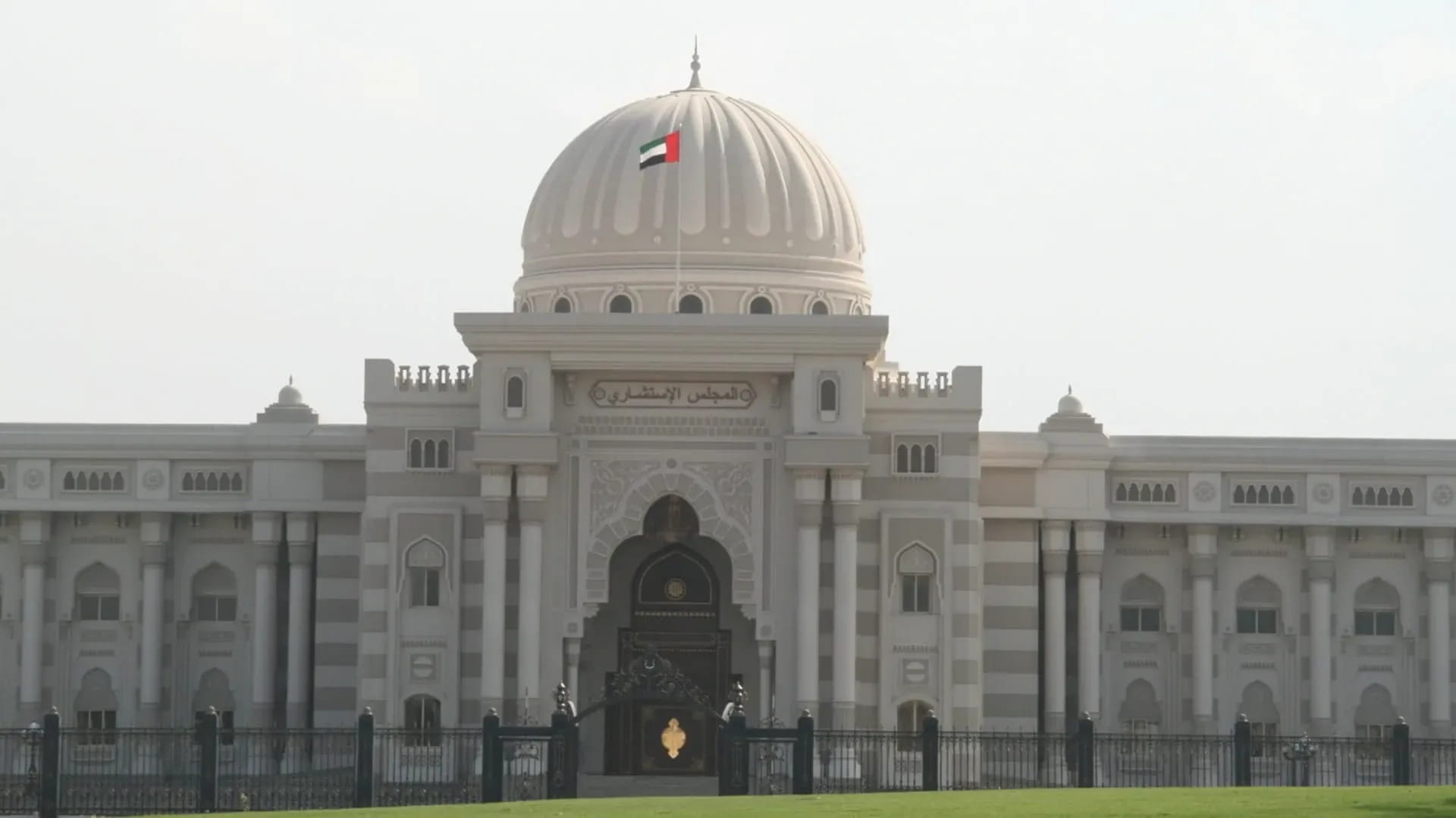
The Secretary-General of SCC, Mira Khalifa Al Muqarrab, addressed the general topic of discussion regarding SDPW policy, stating: "SDPW, established by Emiri Decree No. (9) of 2000, is responsible for studying, designing, implementing, and maintaining urban development projects for government buildings. This is in addition to supporting the needs of the Emirate's cities and regions with projects that enhance the quality of life and achieve sustainable development, in line with the vision of His Highness Sheikh Dr Sultan bin Mohammed Al Qasimi, Supreme Council Member and Ruler of Sharjah, to build a modern infrastructure according to the highest quality standards to keep pace with the social and economic development of the development plans approved by the Ruler or the Executive Council."
Al Muqarrab continued: "Given the importance of these tasks and responsibilities undertaken by the Department, the applicants wish to discuss this topic in the interest of the public good and to serve the community."
His Excellency Engineer Ali Saeed bin Shaheen Al Suwaidi, Member of SEC and Chairman of SDPW, delivered a speech in which he said: “It is a pleasure to be with you today in this esteemed council, which, in every session, stands as a testament to the value of genuine community participation and a platform for the integration of visions between the leadership and the people of the Emirate. I take this opportunity to reaffirm, on behalf of the Department, our unwavering commitment to continuing the pioneering journey in implementing the vision of our wise leadership, under the patronage of His Highness Sheikh Dr Sultan bin Mohammed Al Qasimi, Supreme Council Member and Ruler of Sharjah, and the guidance of his Crown Prince, towards a comprehensive and sustainable urban renaissance.”
Al Suwaidi continued in his speech: “Since its establishment twenty-five years ago, SDPW started as a small nucleus with a limited number of employees and projects that did not exceed the fingers of one hand. Its primary mission was to supervise engineering works. Over the years, this nucleus has transformed into a pivotal nerve in the government work system in the emirate, annually taking responsibility for implementing more than one hundred projects, with budgets exceeding one billion dirhams, and expanding the engineering work system to include studies, design, implementation, operation and maintenance. This development came from a firm conviction that we are not just building facilities, but establishing an advanced urban environment in which the latest technological tools are employed, and the mechanisms of participatory design and academic research are activated, so that our urban projects become open knowledge platforms that attract experts.”
His Excellency Engineer Ali Saeed bin Shaheen Al Suwaidi, Chairman of SDPW, stated: “Our institutional policy is based on a clear vision of sustainable leadership in the emirate’s urban development. We believe that balanced urban development can only be achieved through advanced infrastructure that integrates sustainability values, invests in human capital, is built on innovative engineering solutions, and is managed according to the principles of transparency, efficiency, and good governance. From this perspective, the fourth strategic plan was announced at the beginning of last year. This plan aims to provide proactive services as the culmination of a comprehensive vision that began years ago. The first plan focused on establishing work teams, organising administrative work, and developing staff as a solid foundation for progress. The second plan followed, raising efficiency levels by focusing on the technical aspects, establishing quality work concepts, and improving procedures. This positively impacted customer satisfaction and improved operational indicators. The third plan then guided the department towards smart institutional transformation, transitioning to a fully integrated digital transformation phase, enhancing innovation, and establishing sustainability principles.”
Al Suwaidi continued: “These efforts have yielded significant and tangible achievements over the past decade, embodied in 2,853 integrated urban and service projects valued at over AED 15 billion, distributed across various sectors. In education, a key achievement was the establishment of a comprehensive university system, extending from the University of Arts to the University of Al Dhaid, University of Khorfakkan, and University of Kalba, thus strengthening the emirate’s academic infrastructure. On the community front, 111 parks were created and developed across different areas, including neighbourhood parks, public parks, and diverse specialised gardens, providing recreational spaces for families and the community. In addition, 61 government buildings and 160 social support buildings were constructed. SDPW also prioritised vital infrastructure, completing modern sewage networks serving over 10,000 homes, supported by advanced water treatment plants, to meet the demands of population growth. Thanks to this diverse range of projects and their direct impact on the lives of community members, the department has garnered 17 local and international awards.”
The Head of SDPW added: “Based on the firm conviction that true development is only complete when it touches the very core of every citizen's and resident's life, we have drawn up a development plan consistent with this principle and responsive to the aspirations of the nine municipal councils, which represent the diverse segments of society. Project priorities were designed according to a precise scientific methodology based on an in-depth study of the specific characteristics of each region and its diverse geographical distribution. Recognising that each urban environment has its own needs, resources, and challenges, the projects were arranged in continuous consultation with the municipal councils to ensure a balanced distribution of development. A series of development projects have been implemented in the Central Region over the past five years, most notably the development of community market systems, such as the wholesale markets in Mleiha, Al Bataeh, and Al Madam, as well as livestock markets, a fodder market, three grazing areas, and other vital projects. In the Eastern Region, 183 projects were implemented, foremost among them the development of modern government buildings, Victoria International Schools, clubs for people with disabilities, and livestock markets, thus strengthening the infrastructure and serving the aspirations of the local community.”
Sixteen members then intervened to raise their questions and inquiries. At the beginning of the discussion, Her Excellency Engineer Jamila Mohammed Al Fandi Al Shamsi directed an inquiry about the approved framework for regulating the relationship between SDPW and the municipalities with regard to land settlement procedures, and how to ensure the clarity of powers and the determination of responsibilities in order to achieve work efficiency and prevent any overlap in jurisdictions.
His Excellency Salem Mohammed Al Rashidi inquired about the joint cooperation with the municipality, the Department of Economic Development, and the Department of Housing regarding contractors in violation of regulations. He also asked about the consequences of classifying such contractors within the Department of Public Works, which is responsible for implementing government projects, and how the department verifies the technical competence and financial solvency of contractors before approving them.
His Excellency Ahmed Rashid Salem Al Shamsi asked about the technical and regulatory standards adopted by the Department of Public Works to ensure the quality of execution and the sustainable maintenance of government buildings and facilities in the various cities and regions of the emirate.
His Excellency Ibrahim Juma Abdullah Al Mansouri raised the issue of coordination between SDPW and other government entities to avoid conflicts between government and investment projects. He also inquired about the department's current strategies to ensure the integration of infrastructure projects within the emirate's comprehensive urban plan.
His Excellency Yousef Mohammed Al Mazrouei inquired about the department's timeline for coordinating and expediting the implementation of sanitation projects, enhancing institutional integration with relevant entities to ensure no conflicts or delays in infrastructure projects, and achieving integrated implementation that serves the stability of residential neighbourhoods and the quality of life for residents. He also inquired about the internal control mechanisms to guarantee adherence to and quality of implementation. His Excellency Jassim Al Hanawi Al Naqbi inquired about the role of SDPW in strengthening cooperation with the private sector in developing and operating the sanitation sector in the emirate, ensuring increased operational efficiency and improved services for residents.
His Excellency Abdullah Ali Ahmed Al Hosani inquired about the policies and standards adopted by SDPW for implementing government projects in the Emirate of Sharjah to rationalise energy and water consumption in government buildings, and the monitoring and follow-up mechanisms to ensure compliance.
Her Excellency Dr Hind Saleh Al Hajeri inquired about the occupational safety and health standards and procedures adopted at SDPW sites to ensure the protection of workers and the safety of the community surrounding the projects. She also inquired whether SDPW has a clear plan to align its systems with the best international standards in safety and sustainability, reflecting the Emirate of Sharjah's position as a leading city in sustainable development.
His Excellency Rashid Saleh Al Hammadi inquired about the department's reliance on environmentally friendly materials and sustainable building technologies in its projects, in accordance with international best practices and in line with sustainability and quality of life initiatives. He also asked whether the department coordinates with universities to provide educational opportunities for qualified Emirati citizens to work within the department in its various specialisations.
Her Excellency Dr Ruqaya Rashid Matar Al Zaabi inquired about the diversity of entities operating healthcare facilities within the Emirate of Sharjah and the increasing requirements for preparedness during emergencies and disasters. She asked about SDPW role in ensuring the readiness and sustainability of healthcare infrastructure, particularly regarding rapid emergency response, maintenance of vital facilities, and guaranteeing the uninterrupted provision of healthcare services.
Her Excellency Moza Madad bin Howaiden Al Ketbi inquired about keeping pace with digital transformation and enhancing the quality of services provided. She asked about the availability of approved digital systems for tendering, project monitoring, and mechanisms for measuring customer satisfaction with services, in addition to future plans for developing or introducing electronic services that support work efficiency and improve service levels. Following this, members who had requested to speak interjected with their inquiries.
His Excellency Obaid Ishaq Al Mazmi asked about the department's operational mechanism for rainwater drainage in the areas adjacent to Sharjah Airport and surrounding regions.
His Excellency Rashid Abdullah bin Howaiden inquired about partnerships with the private sector, not limited to the engineering sector, and about investment in Sharjah government assets. He also inquired about the feasibility of revising operations to reduce costs and the coordination with integrated projects related to Sharjah government departments and authorities, such as road expansion and compensation for affected business owners.
His Excellency Mohammed Ahmed Al Alawi Al Dhaheri asked about the sewage projects for Dibba Al Hisn, given the existing sewage treatment plant, and the timeline for their implementation in conjunction with rainwater drainage plans.
His Excellency Dr Ahmed Saleh Al Naqbi inquired about some projects exceeding their allocated budgets, the mechanisms for adhering to financial provisions, and the procedures for awarding tenders to project implementation companies.
His Excellency Hamad Abdullah Al Riyami asked about the department's plan to provide various services and facilities in real estate development areas, particularly those designated for Arab and citizen ownership, including the provision of parks and the plan to extend the sewage network to support the urban growth witnessed in the Emirate of Sharjah.
His Excellency Engineer Ali Saeed bin Shaheen Al Suwaidi, Head of SDPW, and his assistants from the department answered the various questions from members, emphasising that the department will continue its achievements during 2025, reflecting its pivotal role in supporting urban development and enhancing sustainable infrastructure. The total value of projects completed last year exceeded one billion dirhams, during which 129 initial projects were handed over to beneficiaries. Simultaneously, the department is continuing to implement 331 additional projects with a value exceeding three billion dirhams, encompassing construction, maintenance, supply, and furnishing works, with more than 1,173 payments disbursed to contractors. Suppliers are managed through meticulous financial management based on the highest accounting standards, ensuring efficient spending and high-quality execution. These efforts are reflected in well-considered performance indicators, with the department registering 83 new companies, representing a 6% growth rate, in addition to renewing the registration of 342 companies.
Al Suwaidi also noted: These figures are embodied in high-quality projects that have impacted vital sectors, most notably infrastructure. Last year saw the implementation of modern sewage networks in the Al Suwaihat and Al Ramakiya areas, spanning over 40 kilometres, and two advanced wastewater treatment plants in Al Madam and Al Dhaid. Although these projects are not visible on the surface, they form a protective shield and a vital safety net that ensures environmental safety. They are among the most important elements of preventative health measures that guarantee the continuity of urban life with high efficiency, especially as they represent a vital artery for irrigation projects and align with the emirate's focus on sustainability.
In the area of public facilities and community services, the Department completed two integrated parks in the Al Suyoh suburb for families and women, covering an area exceeding 270,000 square meters. These parks include diverse facilities while preserving the privacy of their desert environment, reflecting the Emirate's commitment to providing a family-friendly urban environment for children and the elderly.
In the higher education sector, the Department continued to enhance the academic infrastructure by developing advanced university facilities. This included the construction of integrated educational buildings at Al Dhaid University, accommodating approximately 2,000 students. These buildings are equipped with classrooms and lecture halls built to flexible standards that support research and innovation. Additionally, modern buildings, a residential complex, and sports facilities were developed at the University of Khorfakkan. The Department is also proceeding with the implementation of high-quality sports and community projects, most notably the Sharjah Olympic Centre for Women's Sports, which includes specialised halls and comprehensive facilities. Furthermore, the Department is developing projects that serve heritage activities, such as the camel racing track at Al Dhaid Club and the falconers' club buildings.
The Department also completed two integrated parks in the Al Suyoh suburb for families and women, covering an area of over 270,000 square metres. These achievements, in partnership with government and private entities, form a bridge where ideas and expertise converge, shaping policies that meet societal expectations and align with the goals of this phase. They reflect a qualitative shift in service levels, particularly in environmental sustainability projects. For example, the zero-energy customs building received a global award in the sustainability category, becoming the first building of its kind in the emirate. Similarly, the Al Nahwa Mosque in Khorfakkan was constructed using an environmentally friendly, carbon-neutral design.
SDPW added: The department has repurposed traditional building techniques in innovative ways. This approach culminated in the department receiving the Sheikh Humaid bin Rashid International Sustainability Award for Best Government Facility and Best Environmental Research. This strategy is part of a systematic scientific approach overseen by a newly established specialised unit called the "Research and Studies Office," which focuses on analysing and developing sustainability projects and proposing innovative, applicable solutions. In the same vein, and keen to align its operations with the Sustainable Development Goals, the department implemented best practices in water recycling, conservation, and the use of local environmental materials. One of its most prominent initiatives was the Desert Botanical Garden project, which embodies the balance between nature and humanity. The department also adopted value engineering principles in design, construction, and maintenance, achieving annual savings estimated at AED 50 million. This was reflected in its receipt of two awards for outstanding financial performance from Sharjah Finance Department.
In line with the trends of digital transformation and innovation, the department launched the “Baad” platform during its participation in GITEX Globe 2025. This advanced technological system connects government buildings in the emirate within a unified framework, enabling real-time monitoring of environmental and operational performance. This has solidified the department’s position in efficient facilities management, especially given the expansion of the government buildings it manages to 430 buildings comprising 65,000 assets, managed by specialised teams of 65 technicians and inspectors. This effort culminated in the platform receiving one of the awards for best local projects participating in the exhibition. In this context, the “Circle Lens” system for remote project monitoring represents a pioneering institutional innovation that enhances transparency and efficiency in tracking the implementation of government and community projects. It does so through an interactive interface that displays spatial and temporal data, completion rates, and photographic documentation, thus saving time and effort.
The Head of SDPW noted: “The reputation of the Department has extended beyond the emirate’s borders in recent years, thanks to the accumulation of mature institutional experience in various fields, most notably green building, excellence in job performance, and the ‘365’ initiative, which aims to develop business and achieve integration between departments through an advanced approach based on continuous performance analysis and measurement of progress Achieving the objectives, which enhances productivity and operational efficiency, has prompted 23 entities to learn from the department's practices and benefit from its expertise. This reflects the impact of active participation in innovation exhibitions and government development platforms, where the department showcased its sustainability models, green building guidelines, and safety and security guides for wastewater projects. It also presented its modern maintenance systems and asset management solutions, which represent a shift from corrective and preventive maintenance to predictive maintenance. These efforts stem from a clear vision adopted by the department, which it continues to pursue through its commitment to establishing a culture of sustainability and innovation, employing modern technologies, enhancing integration between departments, and developing national human capital. This ensures continuous improvement in institutional performance and effective response to legislative recommendations.
These experiences have led to 23 entities learning from the department's practices and benefiting from its expertise. In his response, the Head of SDPW stated: Based on a deep belief that human beings are the focus and goal of development, the department has made empowering national talent and achieving 100% Emiratisation of leadership a strategic priority. To realise this vision, the department launched a comprehensive package of implementation plans aligned with government priorities. Foremost among these was the adoption of a modern organizational structure by Emiri Decree in 2018, ensuring a precise distribution of tasks and specialisations and keeping pace with the requirements of qualitative expansion. The department's divisions include a select group of highly qualified national personnel, both academically and practically, who form the driving force behind continuous development and improvement. The department has also been keen to keep abreast of global advancements in engineering through professional partnerships, with an average of 6,000 training hours annually. This ensures the transfer of knowledge and expertise between generations and guarantees institutional continuity.
In this context, the department launched the "Elite" programme in collaboration with the University of Sharjah. Furthermore, its teams actively participated in the Federal Diploma in Future Services, and the training outcomes were utilised to enhance institutional performance and improve team readiness to keep pace with technological advancements. To ensure the sustainability of professional excellence, the department employs rigorous mechanisms for evaluating annual performance and motivating talent. Last year saw 83 promotions, alongside fostering team spirit and encouraging positive competition through the launch of eight cycles of the "Artaqi" Institutional Excellence Award. A culture of institutional commitment has also been cultivated, becoming an integral part of the work environment.
As part of building an effective organisational environment that responds to the community's aspirations and vital needs, the department has worked to establish a culture of direct communication with the public through its Corporate Contact Centre. This centre serves as an integrated platform for monitoring satisfaction levels, receiving feedback and suggestions, and responding swiftly to needs. This interactive approach was reflected in addressing 177 observations identified through social media platforms and the Direct Line programme. The recommendations and suggestions were implemented, demonstrating the department's commitment to improving service quality and reducing transaction processing times.
Communication wasn't limited to operational aspects; it extended to include an educational and awareness-raising dimension through the publication of the quarterly magazine "Omran," which highlights key projects and initiatives and conducts opinion polls. This was complemented by the "Handasiyat" programme, in collaboration with the Sharjah Broadcasting Authority (SBA), and "A Tour with Omran," which introduce the public to the department's projects firsthand and enhance community awareness of its developmental role. Thanks to this integration of institutional communication and transparency in showcasing achievements, coordination with various government entities has increased, contributing to the establishment of a comprehensive management model based on constructive interaction and a shared vision. Furthermore, the department adopts a flexible institutional approach to reviewing policies and developing procedures, having issued approximately 24 methodologies and 27 policies. This reinforces the concepts of transparency and openness and ensures that executive performance aligns with the highest government standards. As a result of the efforts of its teams, the department has earned seven ISO certifications in the areas of quality, customer service, and digital security systems.
At the end of the session, Her Excellency Mira Khalifa Al Muqarrab announced that the next session will be held on Monday, January 19, 2026, and its topic will be a discussion of the Sharjah Department of Human Resources’ policy.

 For an optimal experience, please
rotate your device to portrait mode.