
Loading...
Loading...

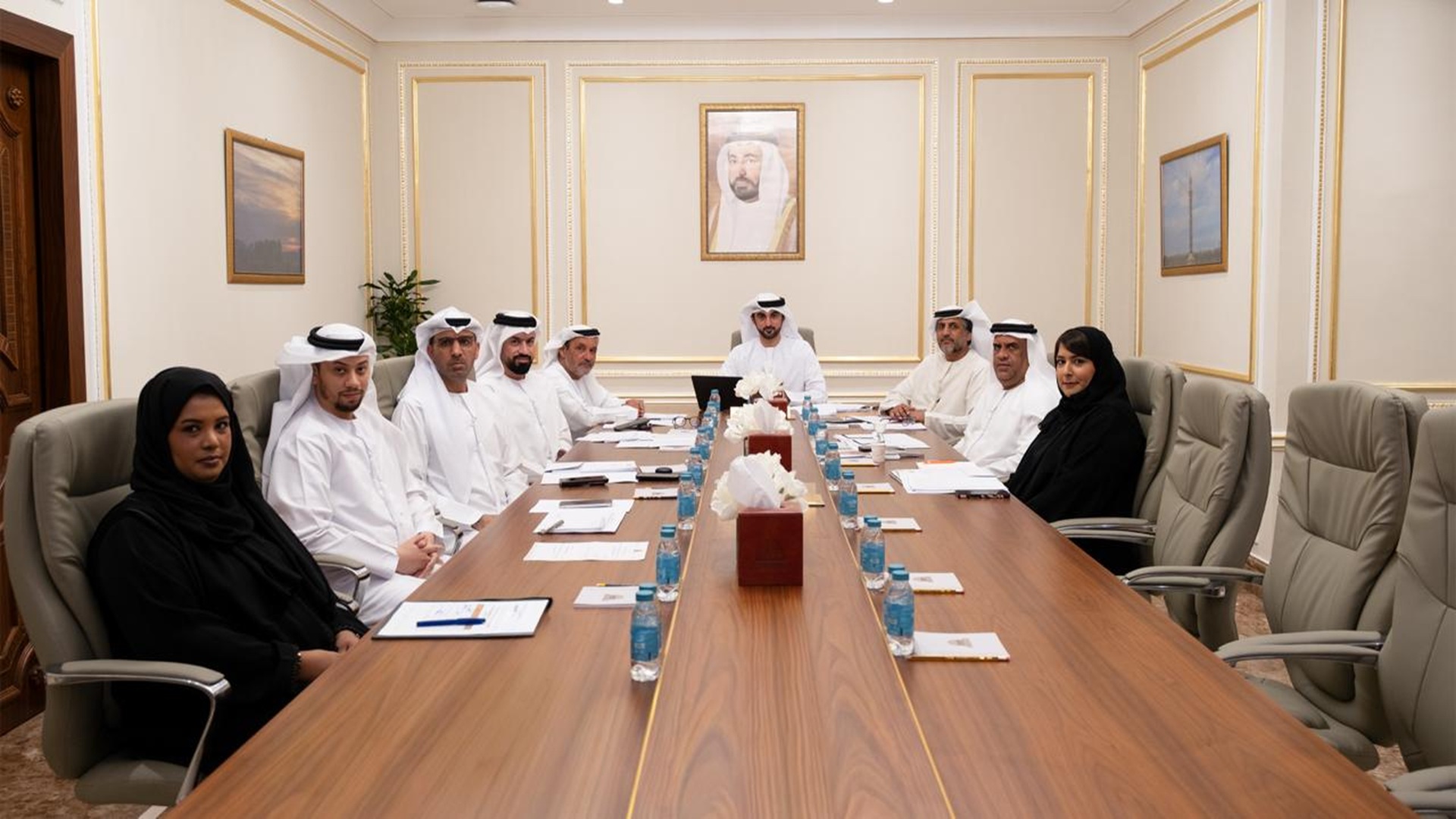
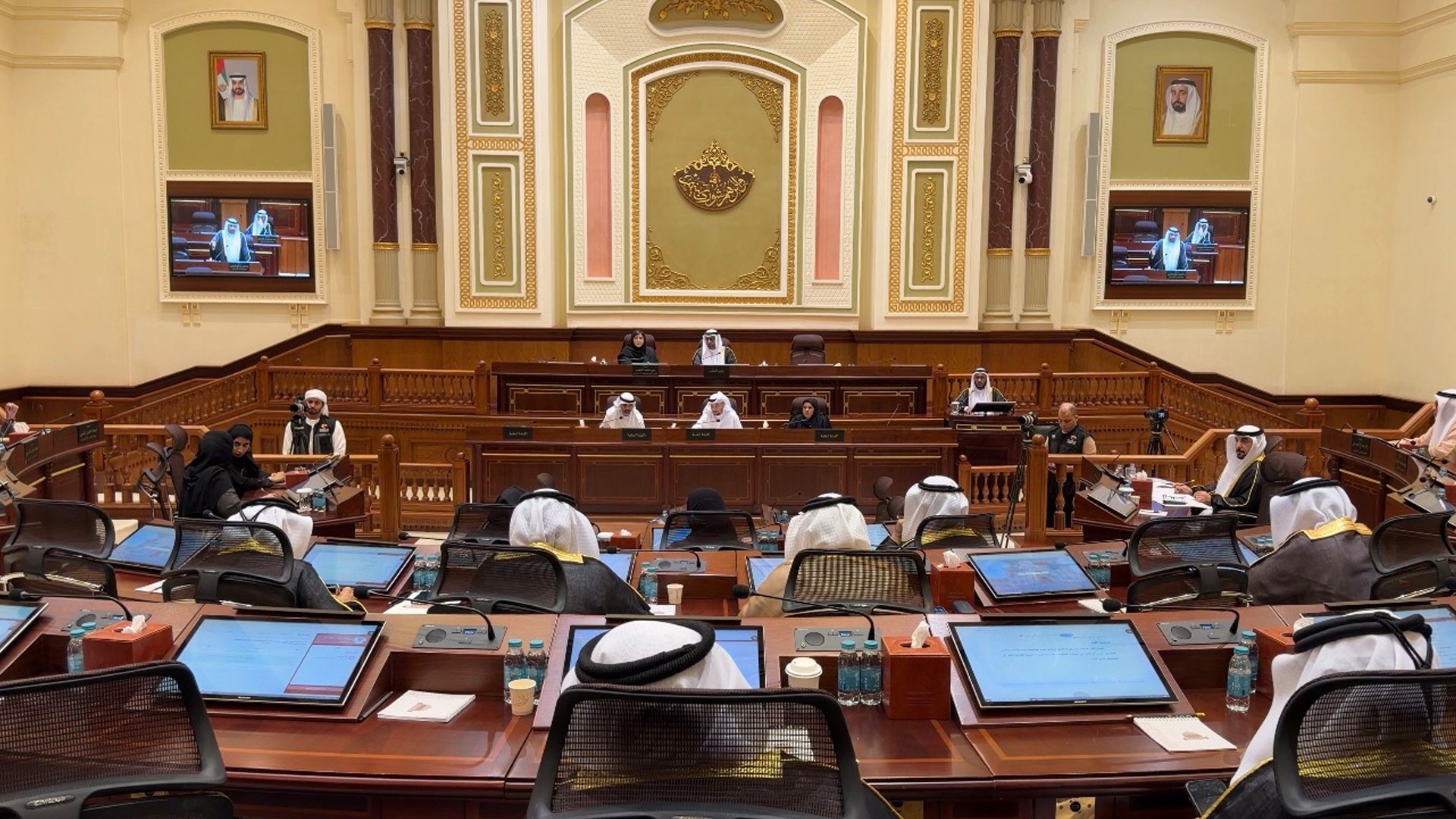
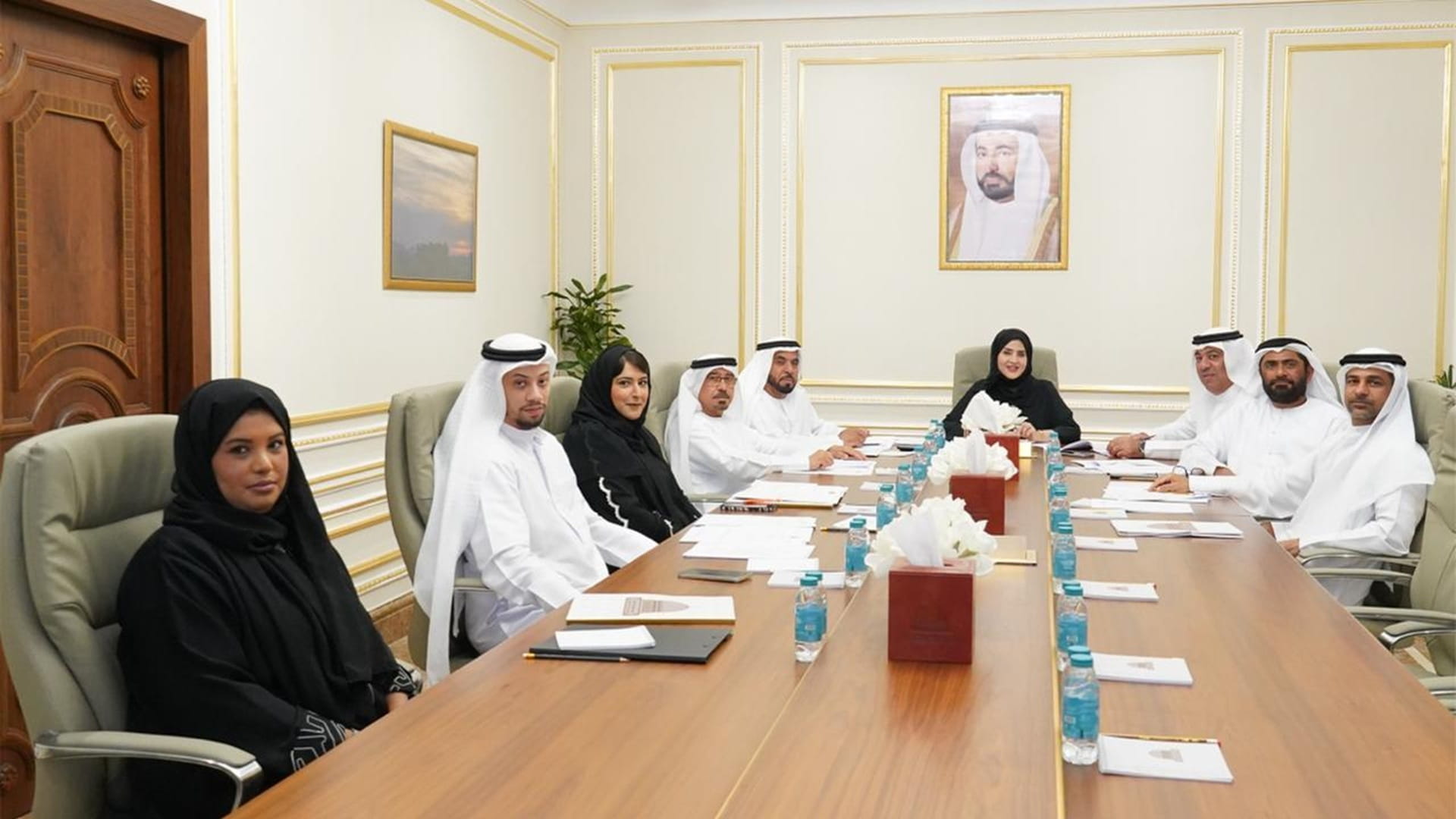
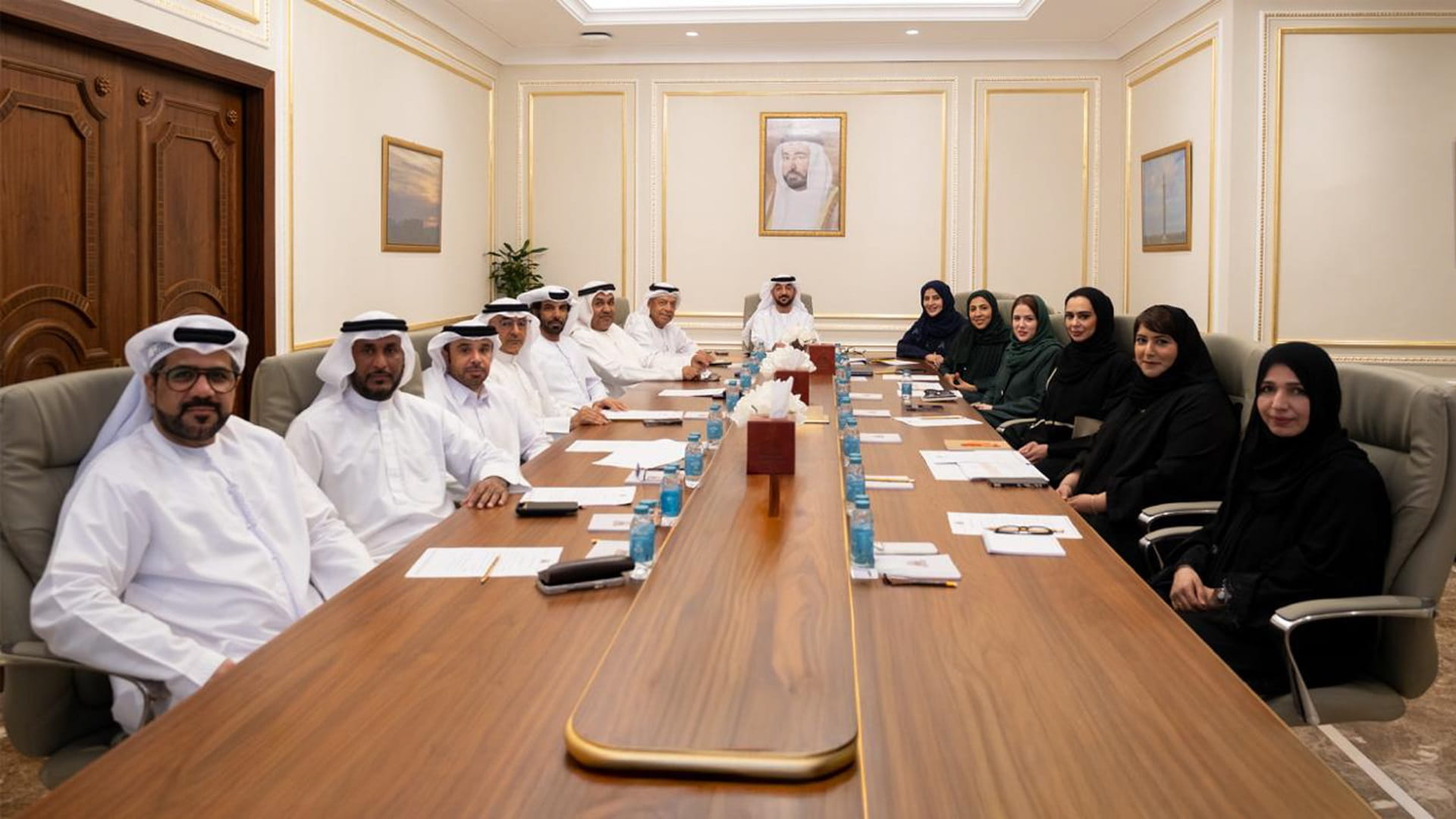
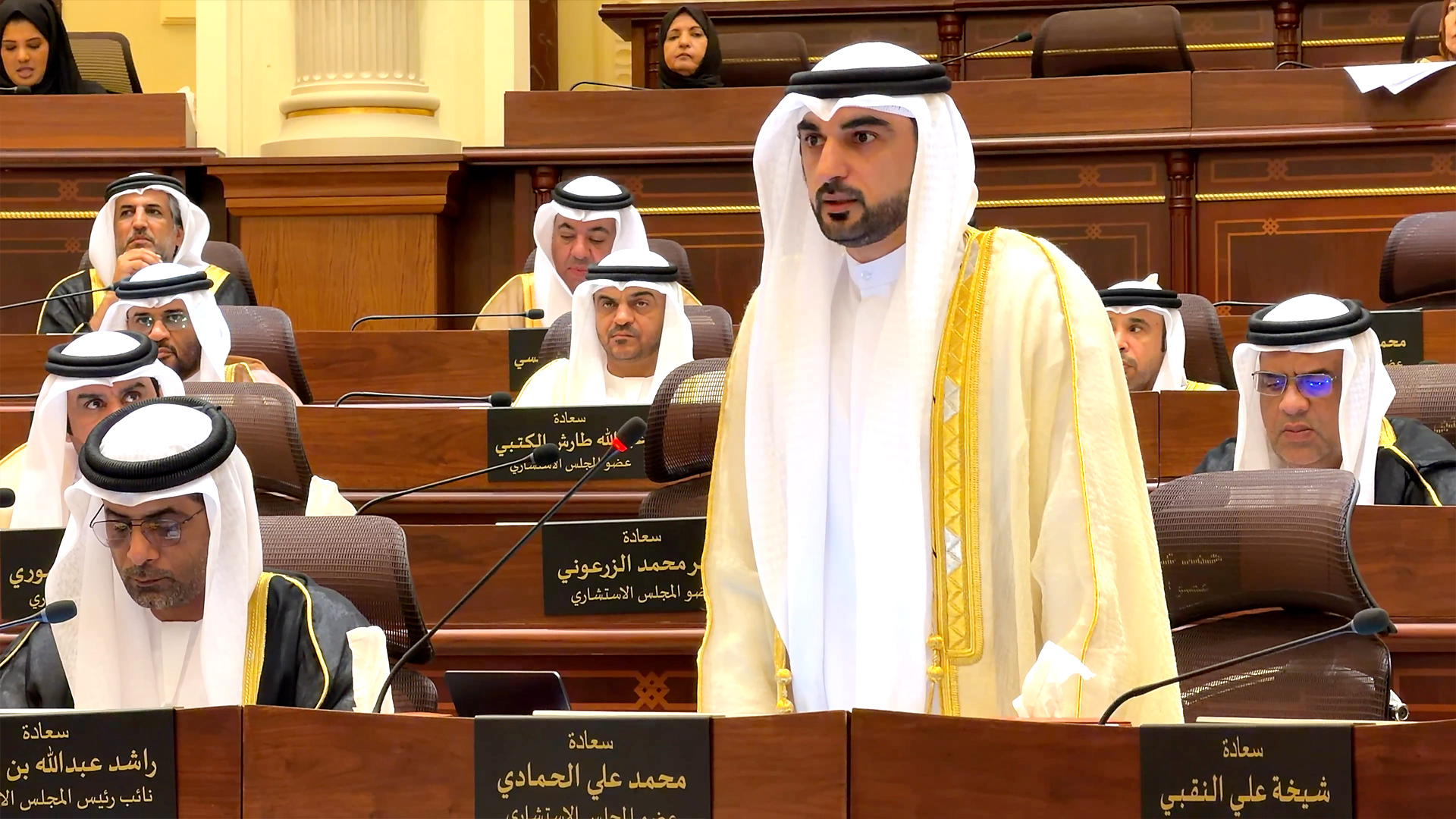
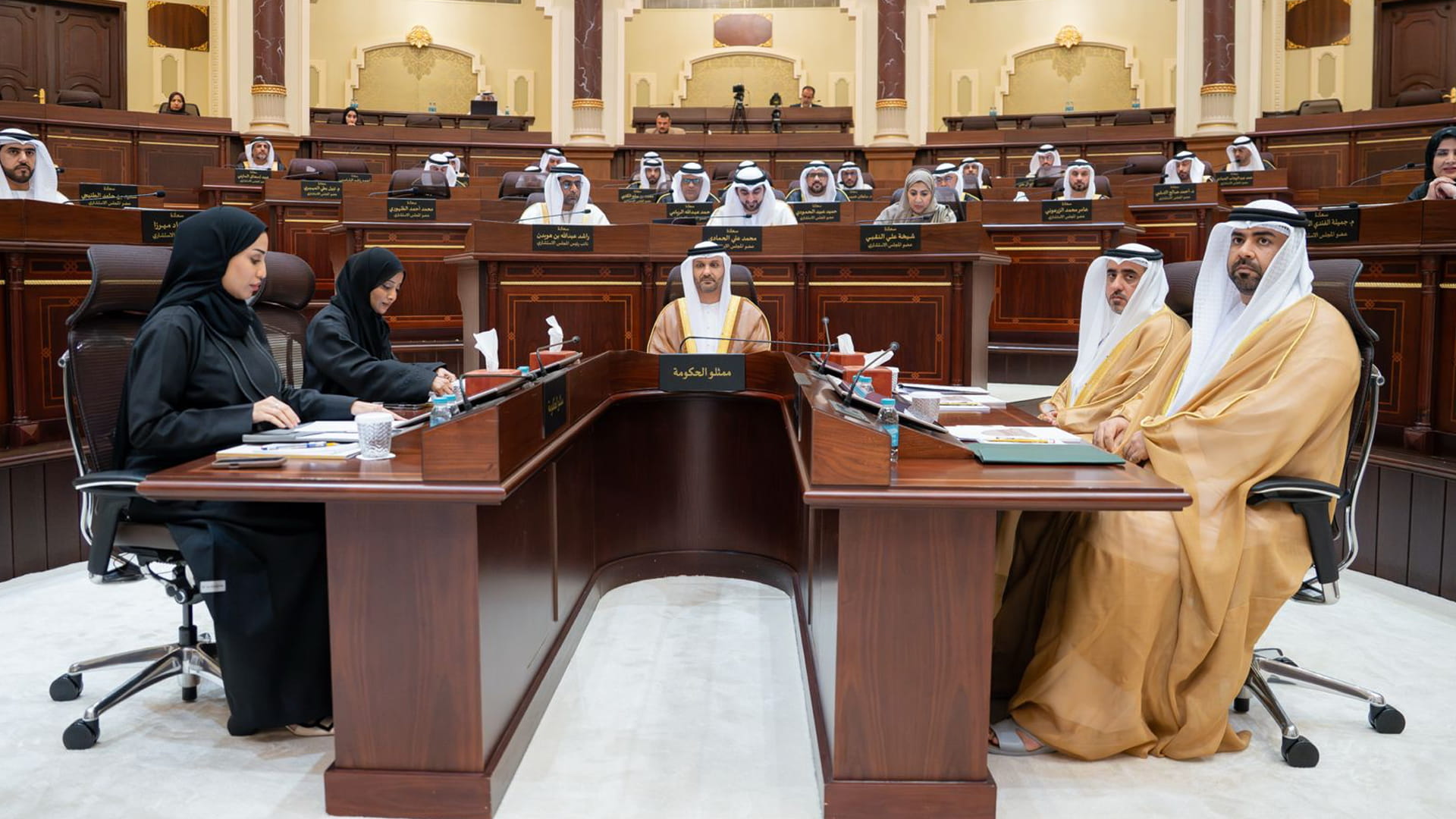
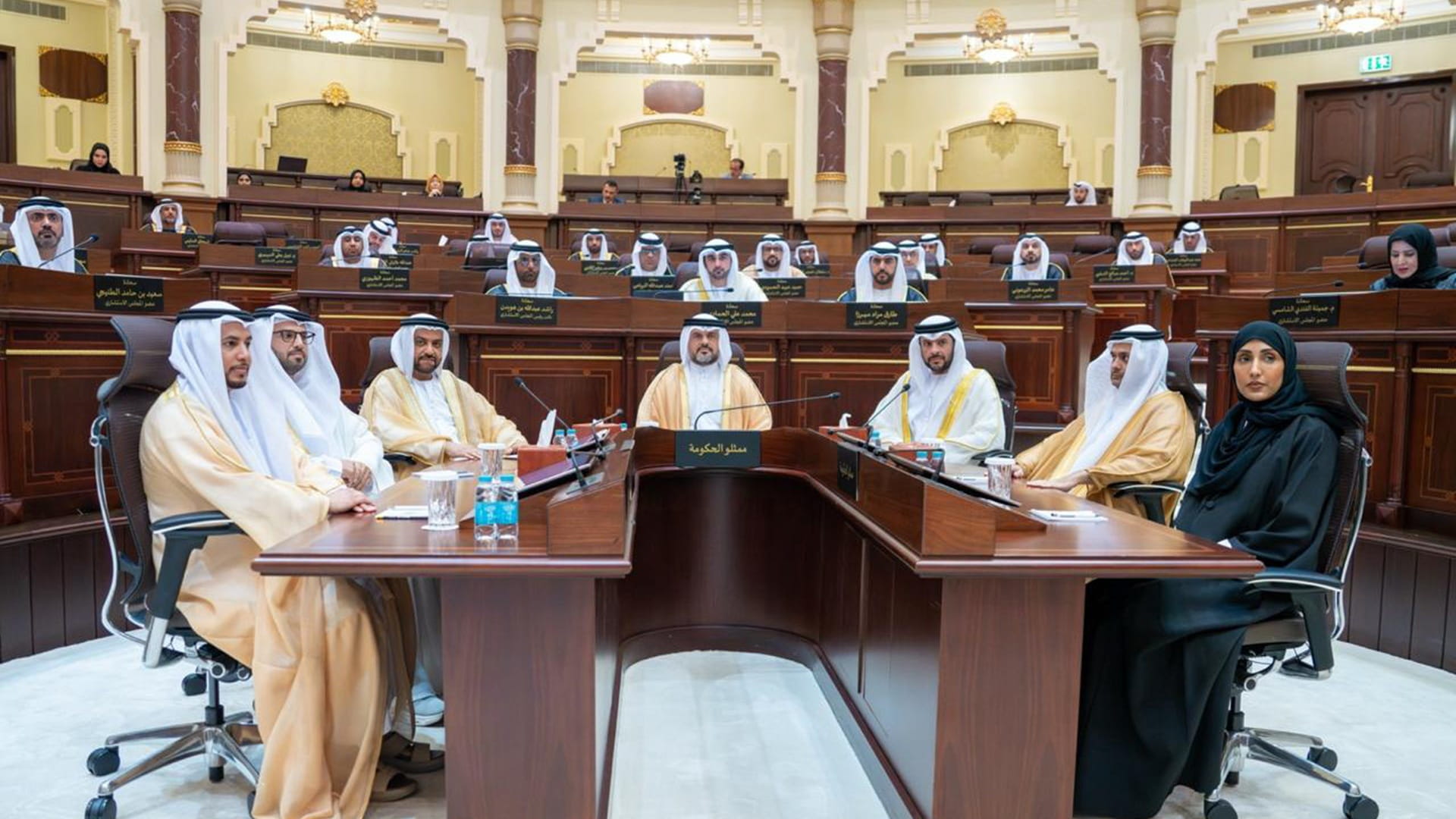
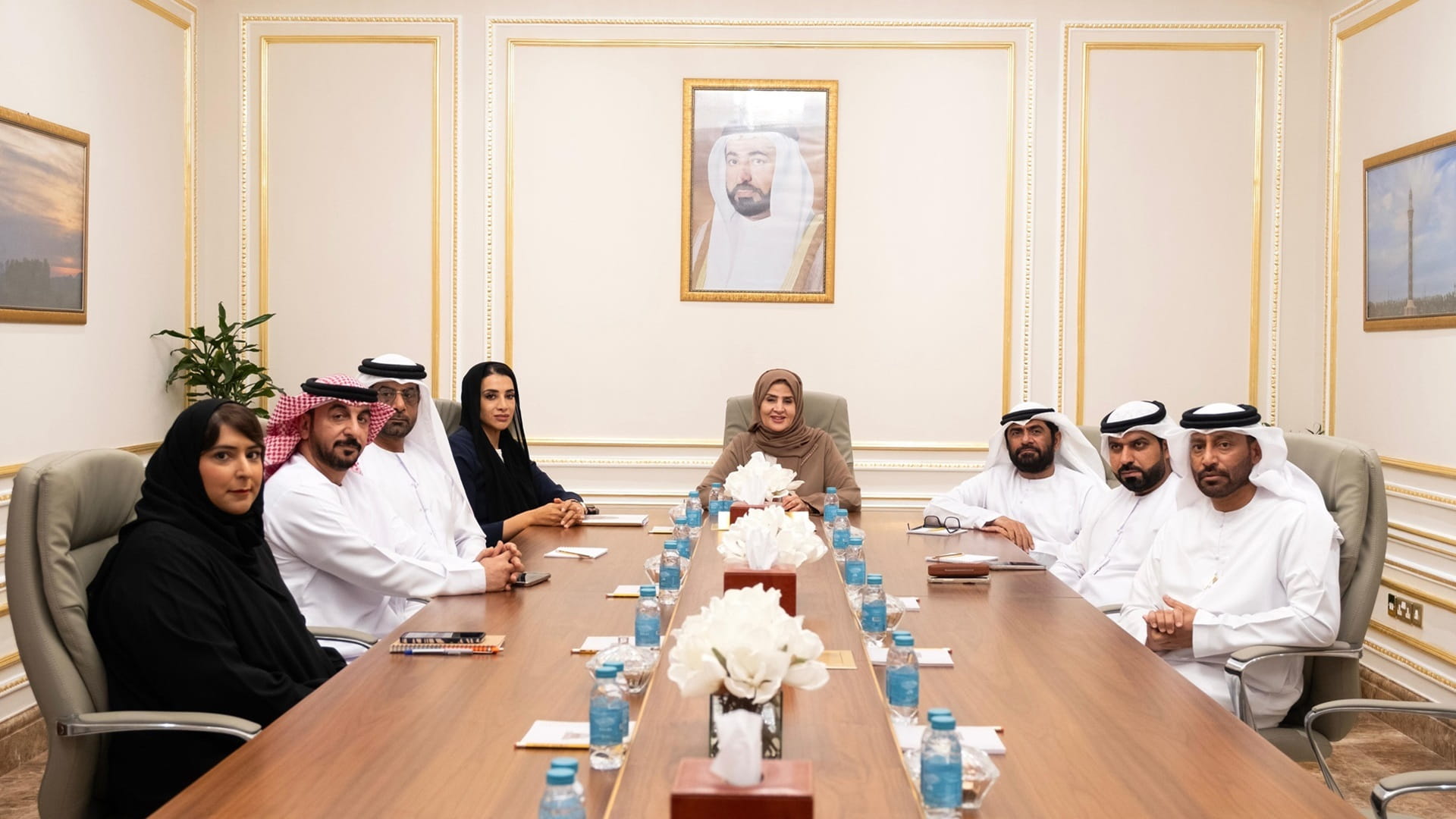
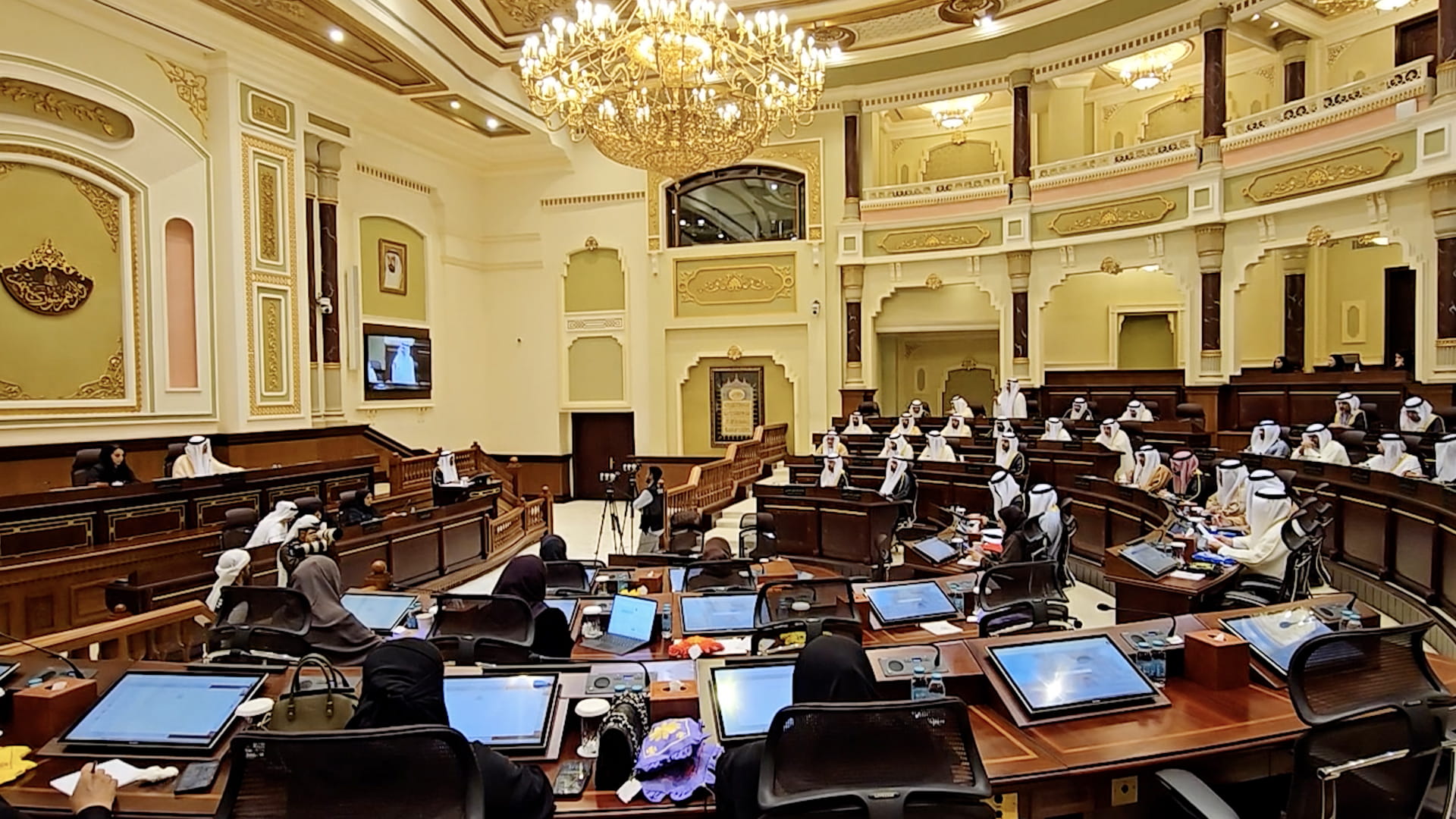
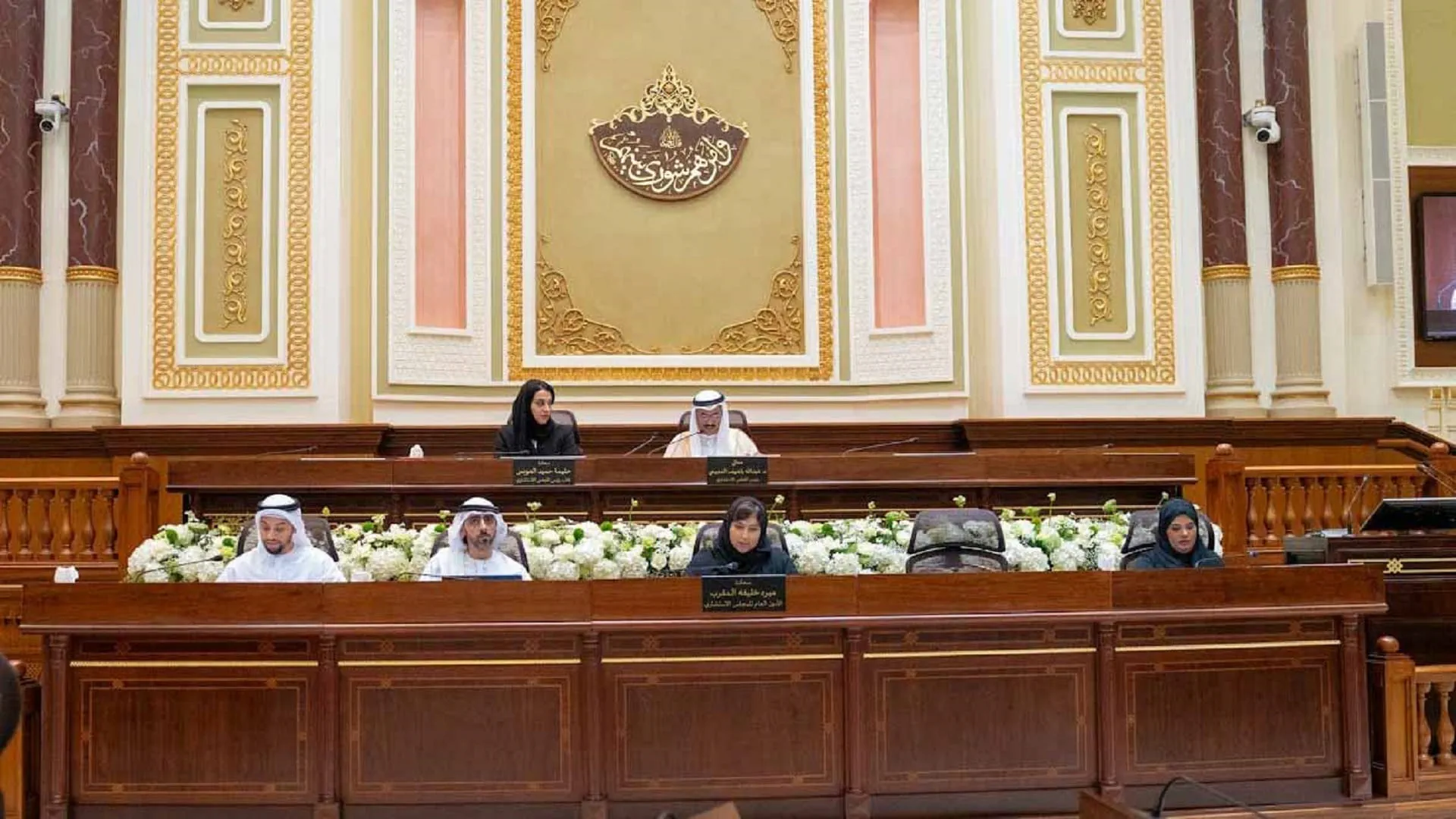
This came during a meeting held at the Council’s headquarters in Sharjah City, chaired by Mohammed Ali Al Hammadi, Chairman of the Committee. The meeting was attended by Obaid Ishaq Al Mazmi, Rapporteur of the Committee, Hamad Abdulwahab Al Qawadi, Mohammed Saleh Al Ali, Hamad Abdullah Al Riyami, Rashid Saleh Al Hammadi, Khalifa Mohammed Bu Ghanem, and Meera Khalifa Almuqarrab, Secretary-General of the Council, as well as from the General Secretariat Saif bin Suwaif Al Ketbi and Sumaya Al Hamoudi.
During the meeting, the committee reviewed the articles of the draft law, focusing on the general framework governing this vital and rapidly developing sector, and the precise controls required to keep pace with accelerating technological advancements, in a way that achieves a balance between benefiting from them and ensuring the highest levels of safety and security.
The committee also addressed the scope of application of the draft law and the objectives it seeks to achieve, foremost among them protecting the safety and security of air navigation, regulating the operation of drones, and strengthening oversight of their activities in line with national legislation and relevant international standards.
The committee also discussed the distribution of responsibilities between the relevant authorities, reviewing the pivotal role of the Sharjah Civil Aviation Department in regulating operations and providing technical oversight of drone usage, alongside the role of the Sharjah Police in enforcing the law and dealing with violations and offences related to the use of drones. This enhances institutional integration and ensures effective implementation of the law’s provisions.
The committee also paid particular attention to provisions regulating drone usage, including registration procedures, classification into categories and types according to usage, and controls related to control and operating systems. It further addressed the regulation of designated helicopter landing sites, including the identification of permitted flying zones, altitudes, airspace, operational requirements, and the legal obligations placed on users.
In conclusion, the committee reaffirmed its commitment to formulating a comprehensive legal opinion that enhances the efficiency of the proposed legislation, aligns with the emirate’s direction towards adopting smart solutions and modern technologies, and ensures the safety of society and the protection of airspace, thereby supporting the sustainable development journey in the Emirate of Sharjah.

 For an optimal experience, please
rotate your device to portrait mode.