
Loading...
Loading...

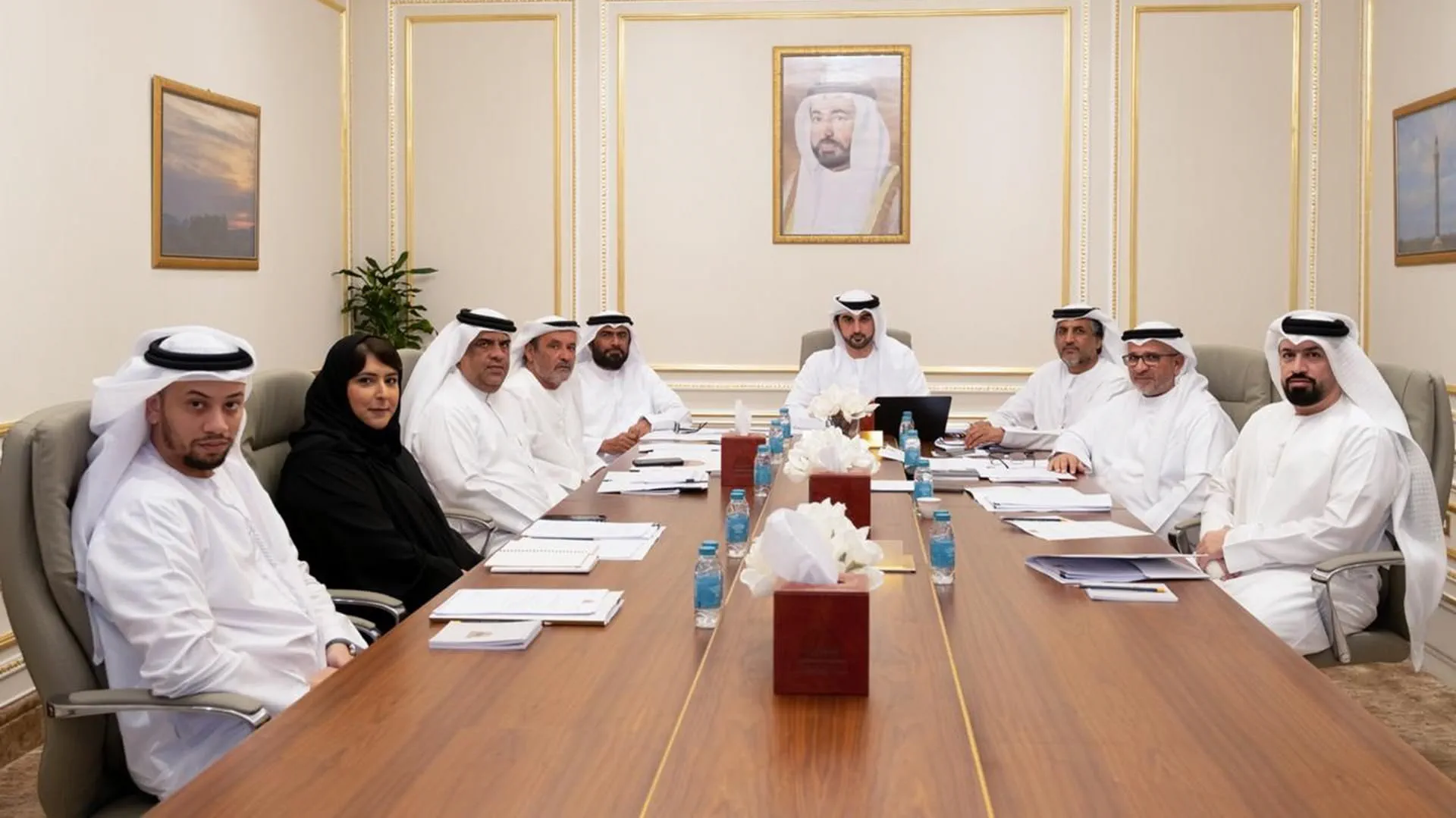
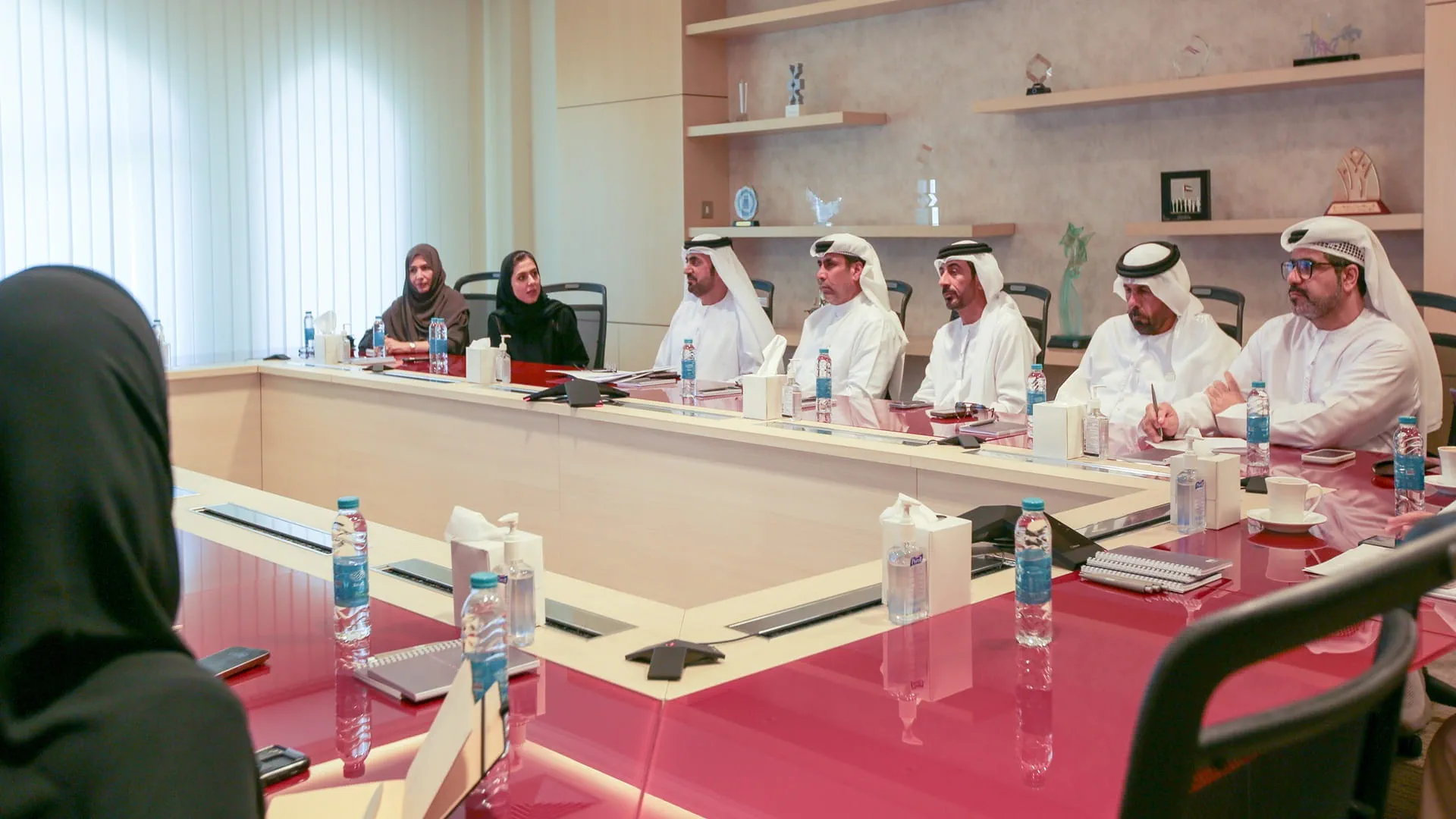
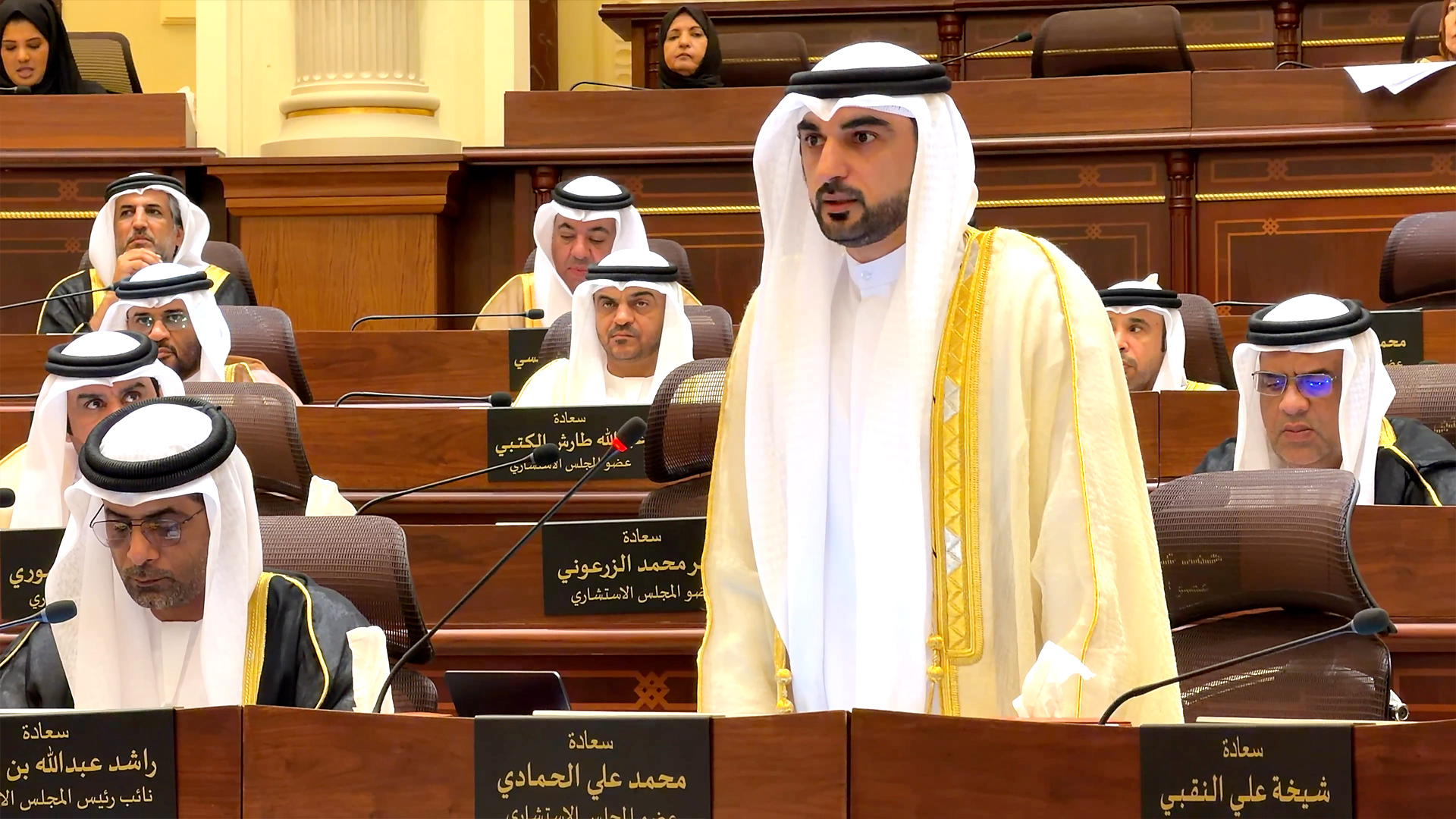
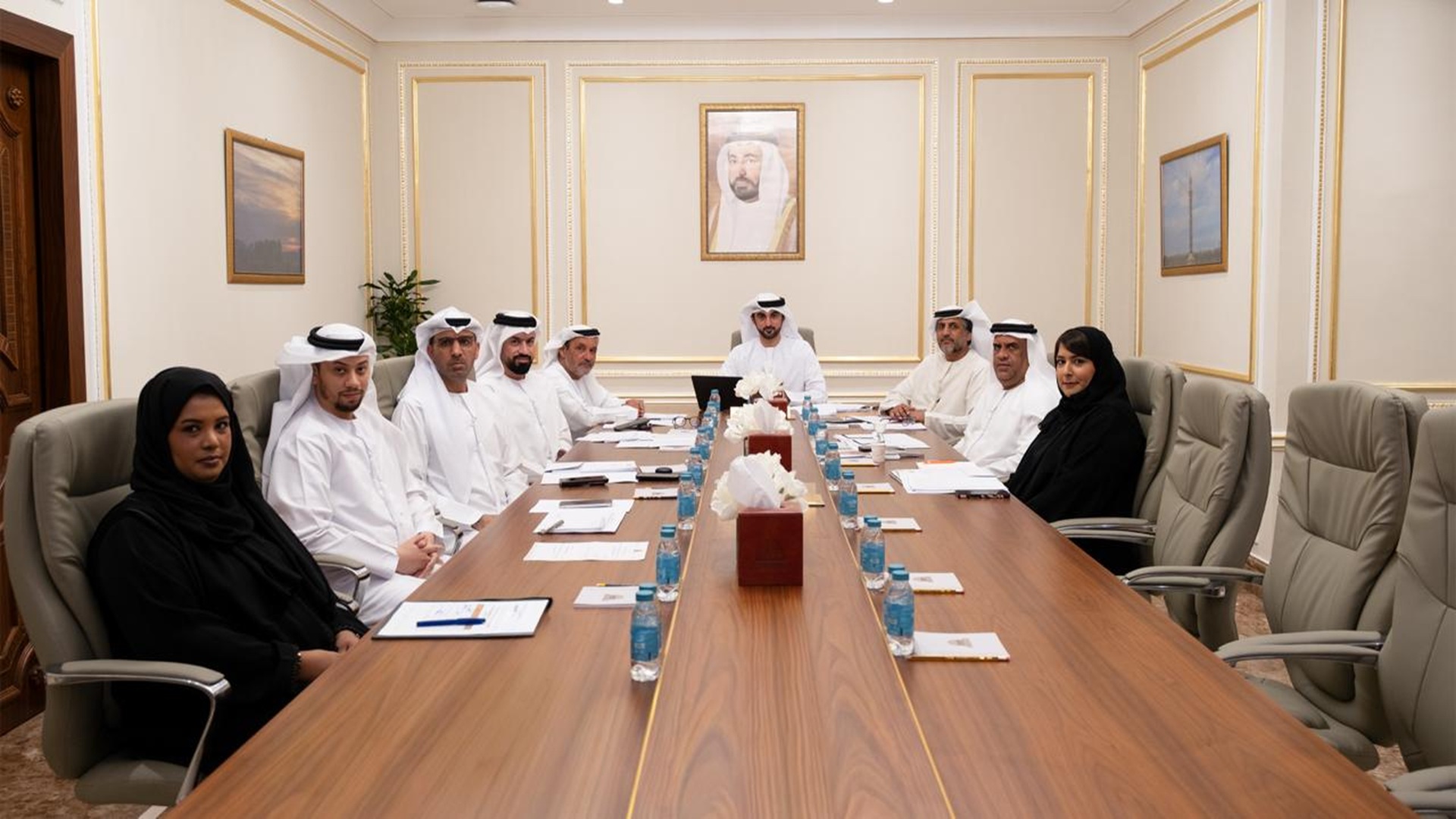
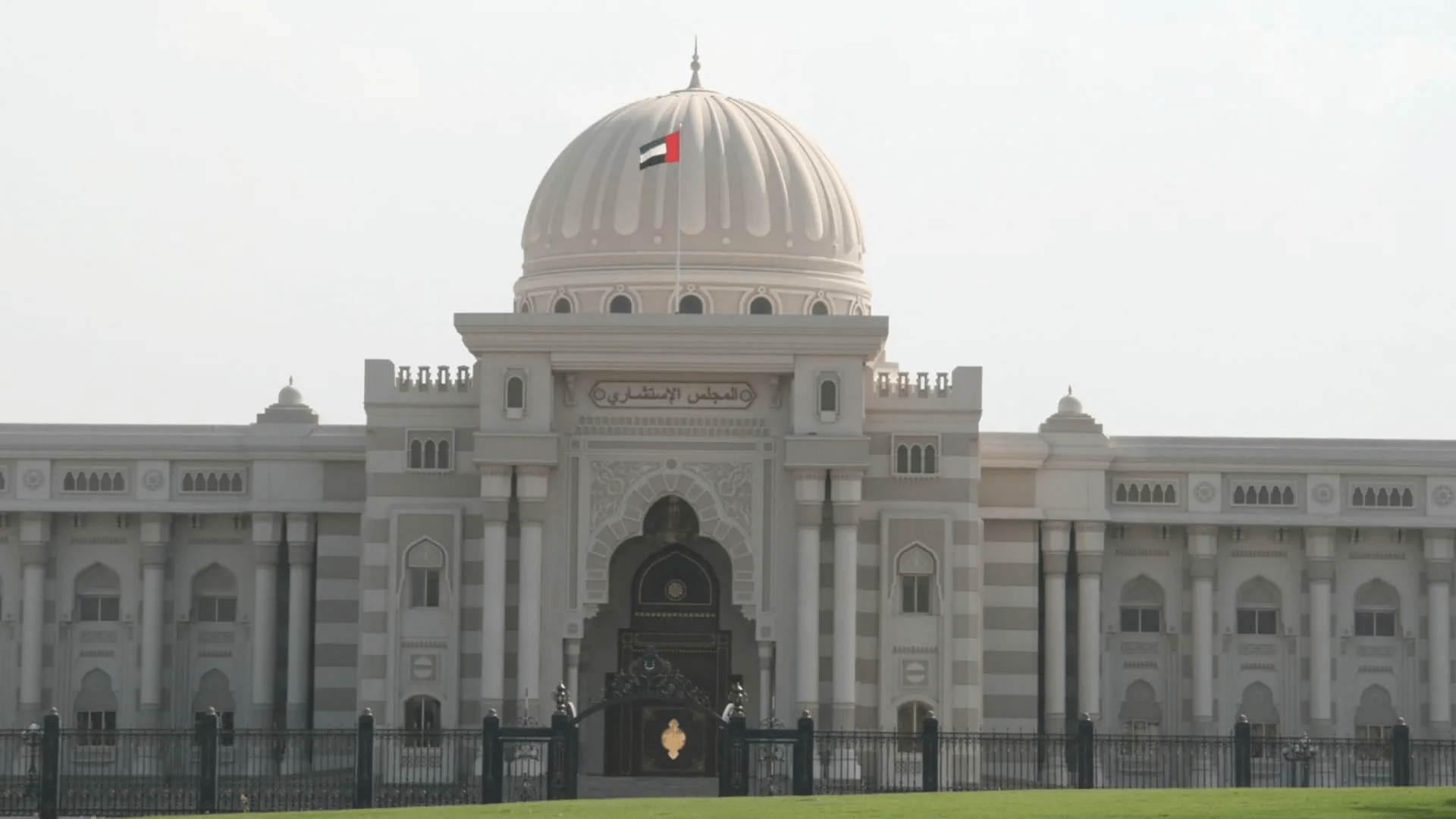
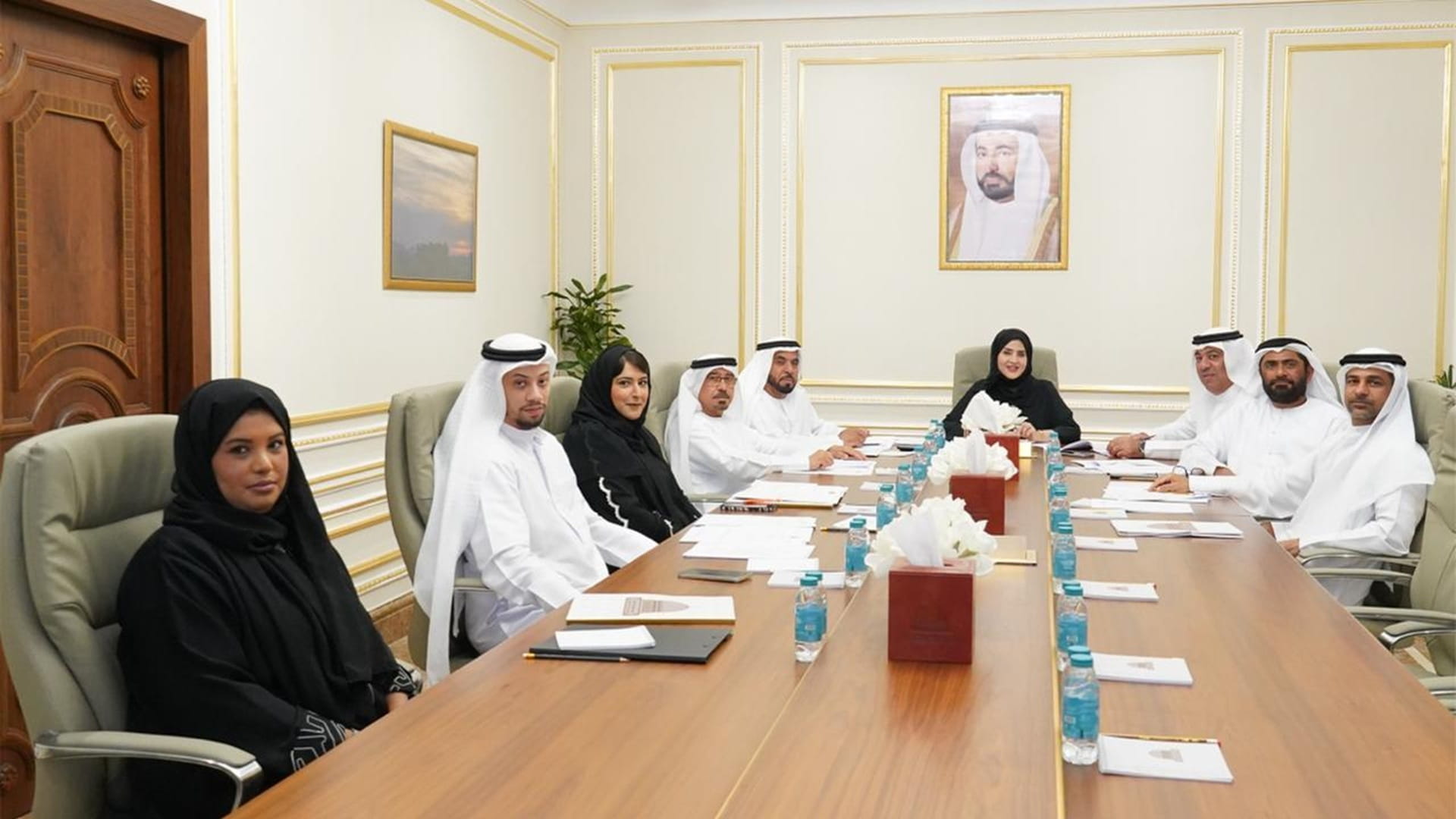
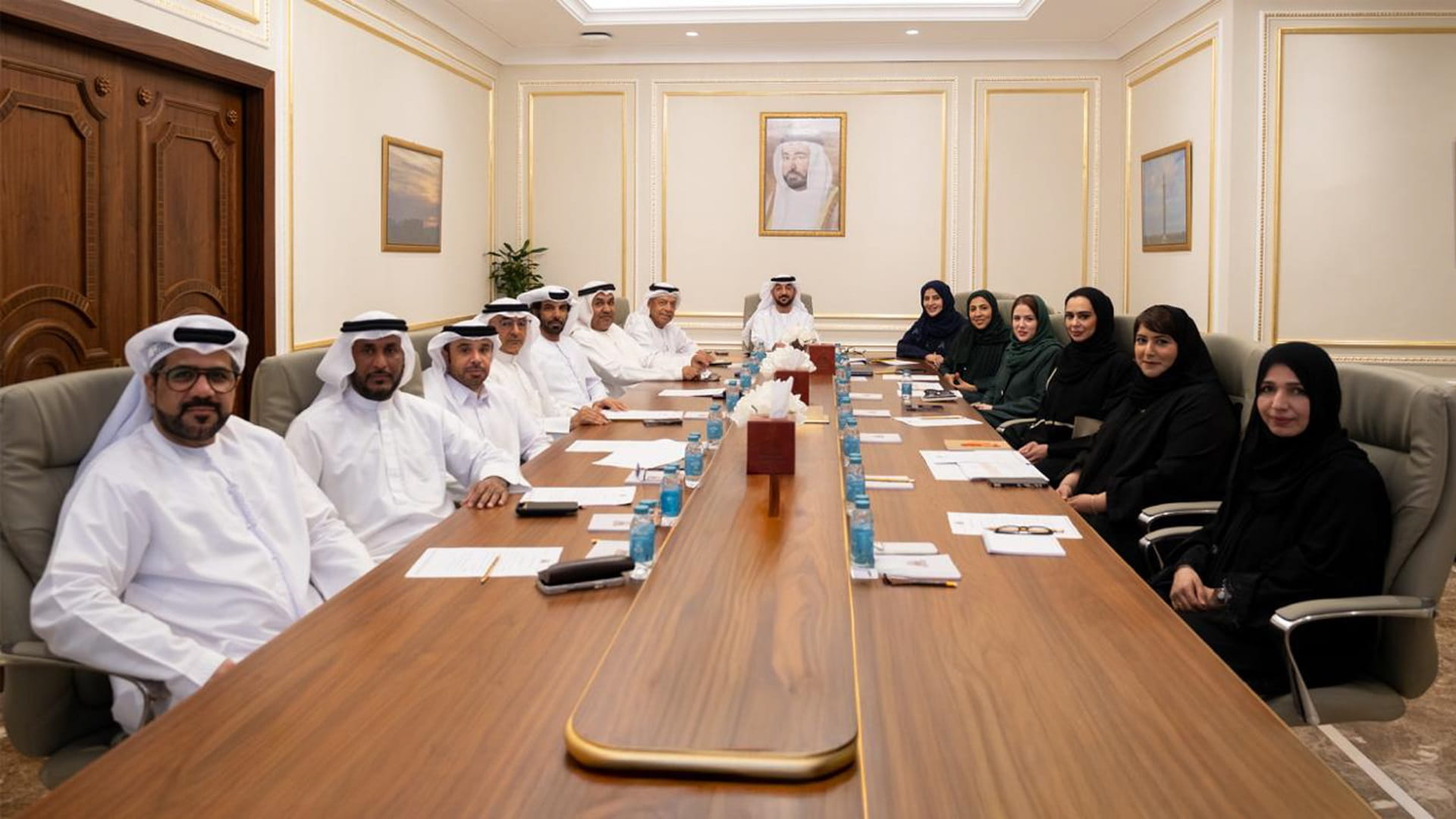
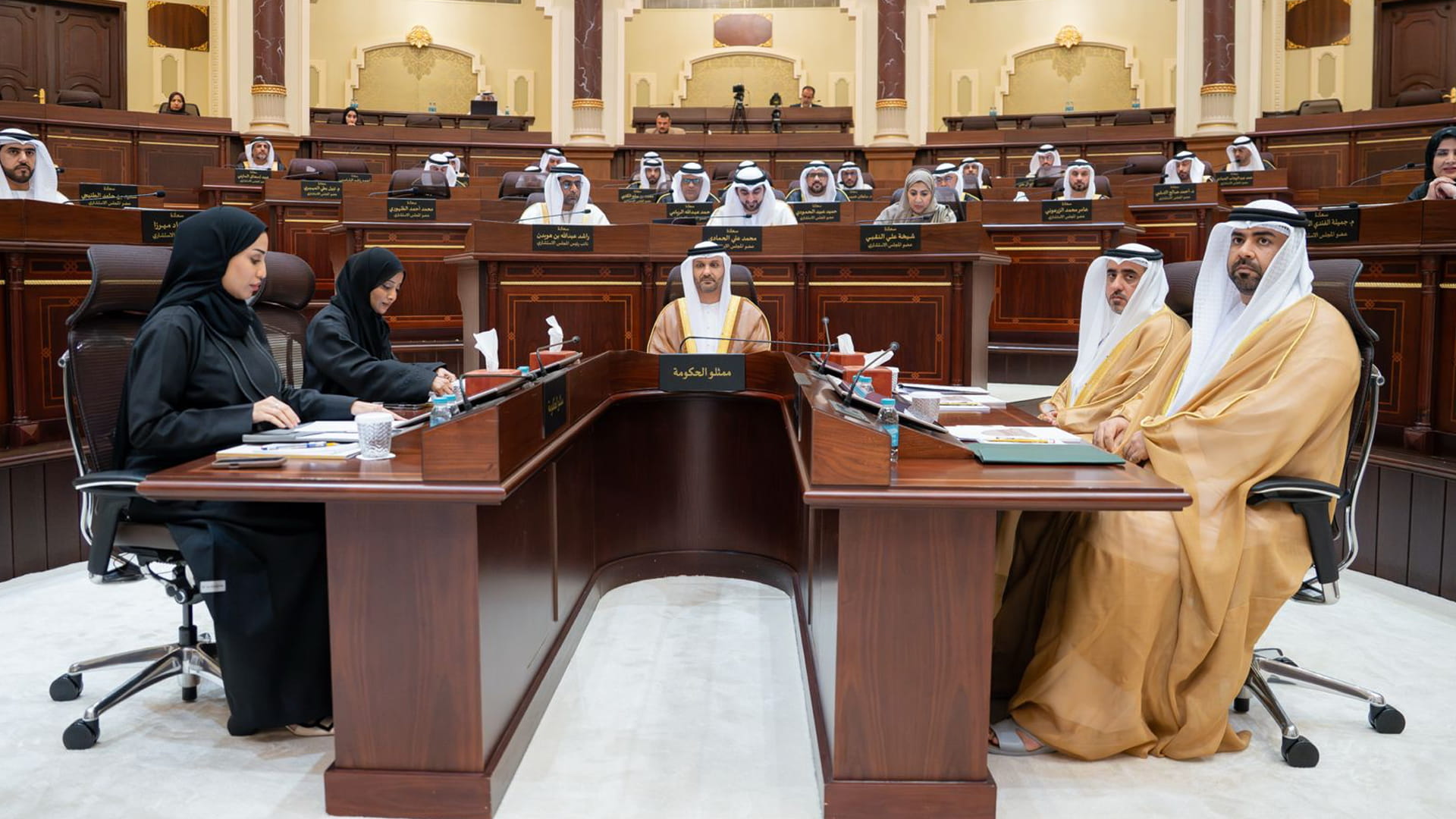
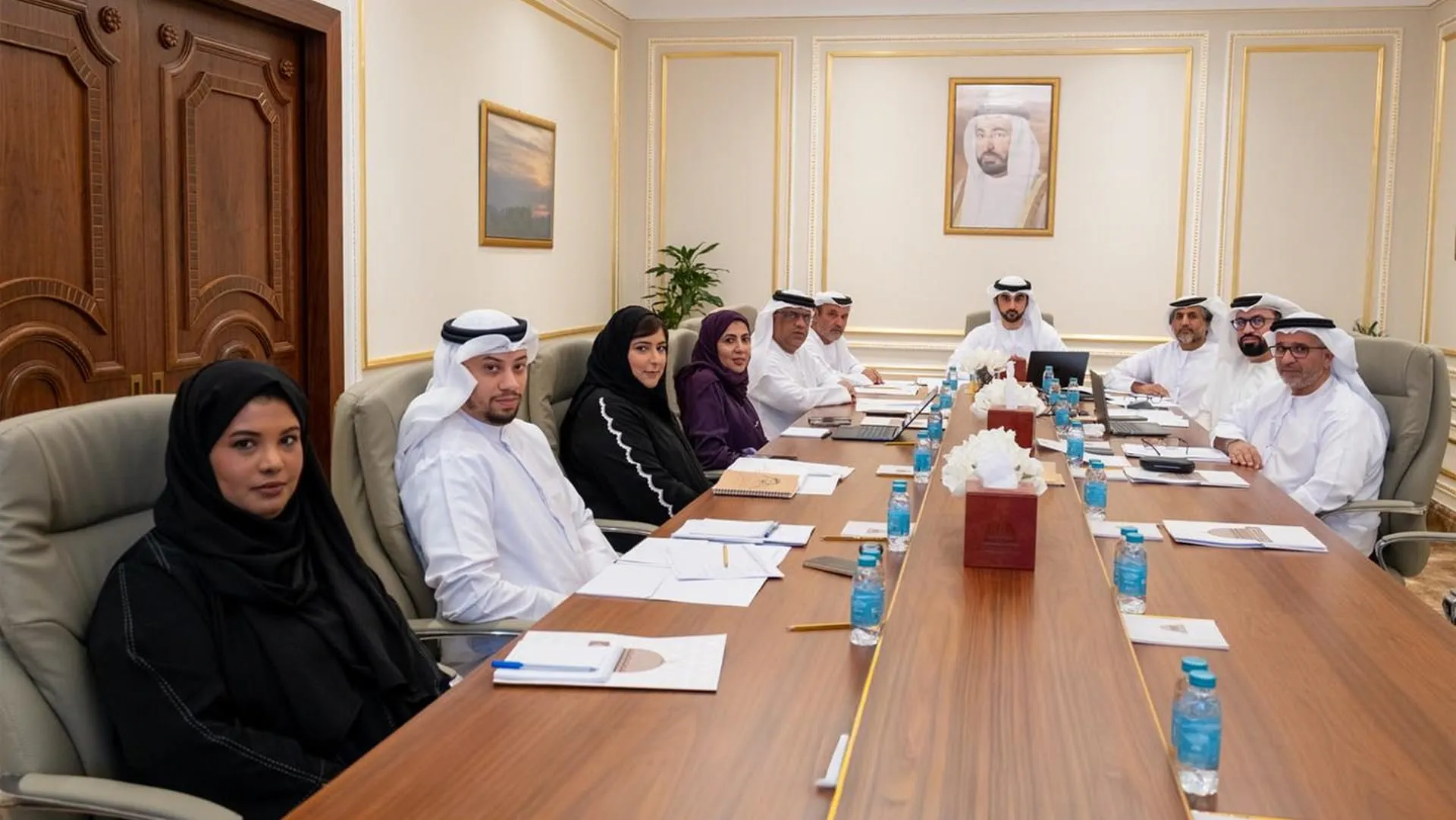
The meeting was held at the Council's headquarters in Sharjah, chaired by Mohammed Ali Al Hammadi, the committee's chairman. Also present were Obaid Ishaq Al Mazmi, the committee's rapporteur; Hamad Abdul Wahab Al Qawadi; Mohammed Saleh Al Ali; Hamad Abdullah Al Riyami; Rashid Saleh Al Hammadi; Khalifa Mohammed Bu Ghanem; Mira Khalifa Al Muqarrab, the Secretary-General of the Council; and Saif bin Suwaif Al Ketbi from the General Secretariat.
During its meeting, the committee reviewed the various articles of the draft law, focusing on the general framework governing the work of the correctional institution, including its organisational, humanitarian, and rehabilitative functions and objectives. This aligns with the Emirate of Sharjah's commitment to developing its legislative system to strengthen the values of justice and the rule of law, and to elevate the correctional and rehabilitation system in accordance with best modern practices.
The committee also discussed the scope of the draft law and its objectives, primarily establishing the general policy for the correctional institution to ensure security, reform, and rehabilitation. This includes providing a safe environment that respects the dignity of inmates and protects their human rights, as well as supporting behavioural, social, vocational, and psychological rehabilitation programmes to facilitate the positive and effective reintegration of inmates into society.
The committee addressed the articles related to the establishment of the institution, the organisation of its functions, and its management mechanisms. It also covered provisions for the social empowerment and healthcare of inmates, their rights and responsibilities within the institution, and the regulations and procedures governing correctional and rehabilitation work. These measures aim to ensure the effective implementation of the law's provisions and achieve integration between security, humanitarian, and social aspects.
The committee also paid particular attention to discussing articles related to aftercare and community rehabilitation programmes, and ways to enhance the institution's rehabilitative role by providing an environment that respects humanitarian standards and supports the psychological and social stability of inmates, in line with the progressive approach adopted by the Emirate of Sharjah in developing correctional institutions.
At the conclusion of its meeting, the committee emphasised its commitment to formulating a comprehensive legal opinion that enhances the effectiveness of the proposed legislation and aligns with the Emirate's direction in developing the legislative and judicial system, while ensuring the preservation of community safety, strengthening social security, and consolidating the humanitarian and rehabilitative principles that contribute to achieving sustainable development and social stability in the Emirate of Sharjah.

 For an optimal experience, please
rotate your device to portrait mode.