
Loading...
Loading...

Casualties and damage concentrated in central and northern provinces
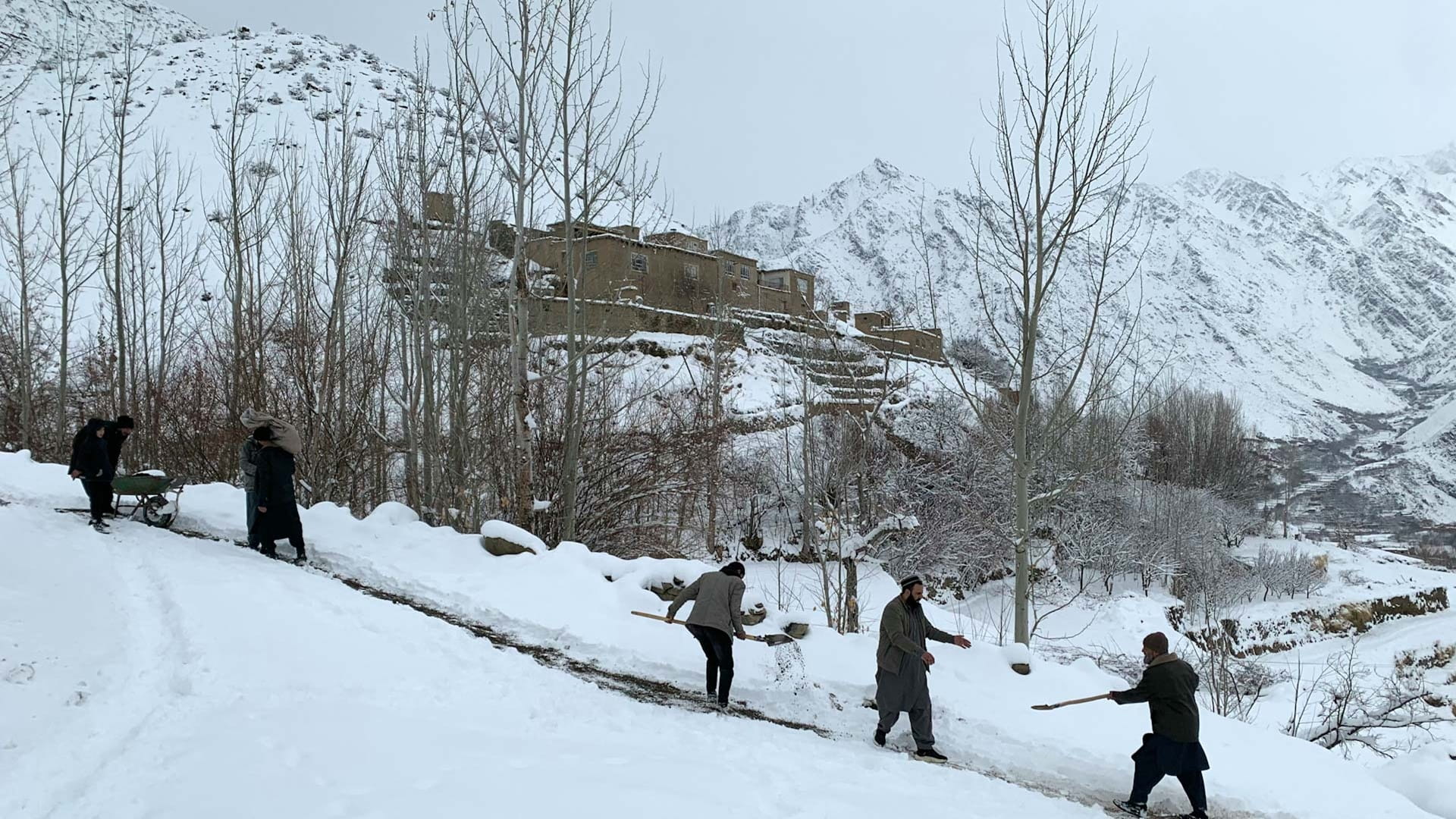
The deaths occurred mainly in central and northern provinces between Wednesday and Friday, according to a map released by Afghanistan's disaster management authority (ANDMA). The initial figures of casualties and destruction also include 110 injured people and 458 houses that were either partially or fully destroyed, ANDMA said on social media platform X.
Families affected and travel warnings issued
A total of 360 families were affected, said a spokesman who urged people to avoid unnecessary travel on snowy roads. He added that most casualties were caused by roof collapses and avalanches, while many also died from frostbite in sub-zero temperatures.
Tragic roof collapse in Kandahar
The emergency department in the southern province of Kandahar said six children were killed when the roof of their home collapsed in strong wind and heavy rain on Wednesday. Houses were also damaged in other districts.
Major highway closed
The Salang highway, one of Afghanistan’s main roads, has been closed, authorities in Parwan province north of Kabul said. The highway is a vital connection to the country’s northern provinces.
Stranded travelers and power outages
Food supplies were distributed to travellers stuck on a mountain pass in central Bamyan province, west of the capital. A transmission line importing electricity from Uzbekistan was also damaged on Thursday, leaving households in nearly 12 provinces without power. Mohammad Sadiq, spokesman for Afghanistan’s national power utility DABS, said technical teams are ready but cannot reach the area due to the blockage of the Salang pass.
Broader impact and ongoing challenges
The heavy snow and rain also destroyed shops and killed livestock in various parts of the predominantly rural country. The Kabul Times editorial noted that while snow and rain can benefit Afghanistan’s environment and livelihoods, insufficient preparation and delayed intervention can turn them into tragedies.
Humanitarian needs remain high
Around half of Afghanistan’s population of more than 40 million people will need humanitarian assistance this year, according to the United Nations, following a sharp decline in foreign aid. Natural disasters such as earthquakes and droughts continue to compound the daily struggle for survival.

 For an optimal experience, please
rotate your device to portrait mode.