
Loading...
Loading...

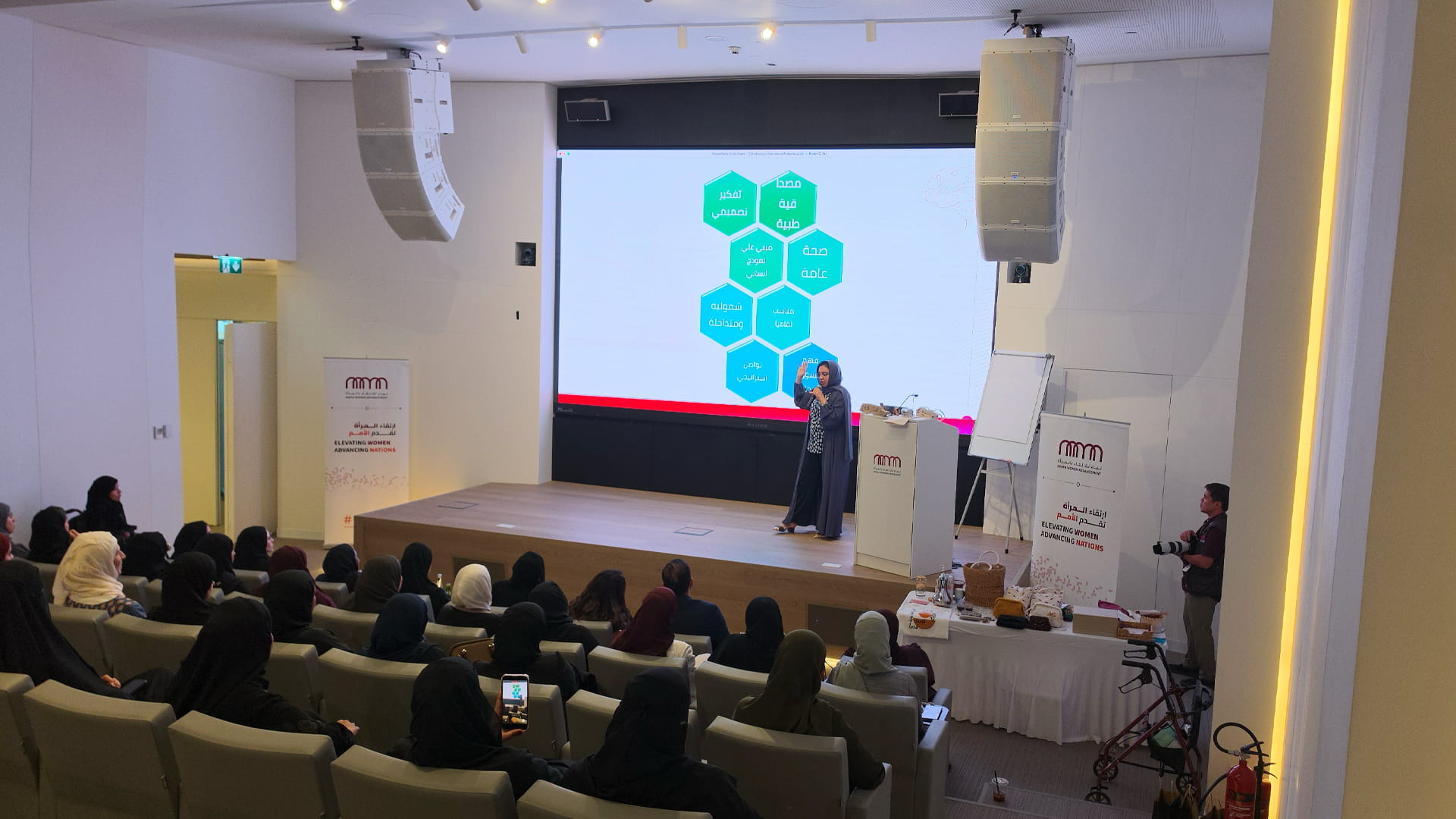
The workshop focused on advancing a more proactive understanding of fatherhood, positioning fathers as central partners in positive parenting and child development. It highlighted the father’s role in shaping a child’s values, behaviour, and emotional resilience through daily presence, modelling, and interaction, underscoring that effective parenting is a shared responsibility essential to building safe and stable childhoods.
Dr Buzaboon emphasised that a father’s conscious and emotionally balanced engagement plays a decisive role in reinforcing children’s sense of safety and belonging, and in reducing vulnerability to behavioural challenges later in life. The session examined the long-term impact of limited paternal involvement, particularly its correlation with increased behavioural risks among boys, including aggression, bullying, and difficulties in emotional regulation, while affirming that early, consistent fatherly engagement contributes directly to healthier psychological and social development.
A key focus of the workshop centered on effective dialogue with children as a fundamental child’s right, framing communication not merely as a parenting skill but as a protective tool. Fathers were introduced to practical approaches for listening, engagement, and emotional validation, enabling children to express their needs confidently and fostering relationships rooted in trust, respect, and family cohesion.
The workshop also addressed contemporary parenting realities, including the pressures of rapid social and technological change, and explored strategies for balancing guidance with emotional support. Strong engagement from participants reflected growing community recognition of the need to move beyond reactive responses toward intentional, informed parenting practices.
This participation reflects Child Safety’s broader shift from awareness-based outreach to early preventive intervention, with a strategic focus on empowering families before risks escalate. By engaging parents within community and cultural settings, Child Safety continues to expand its preventive reach, strengthen local partnerships, and embed child protection concepts into everyday family life.
Through initiatives such as this workshop, Child Safety reinforces its commitment to building safe, resilient family environments that protect children’s wellbeing today and contribute to stronger, more stable communities in the future.

 For an optimal experience, please
rotate your device to portrait mode.