
Loading...
Loading...

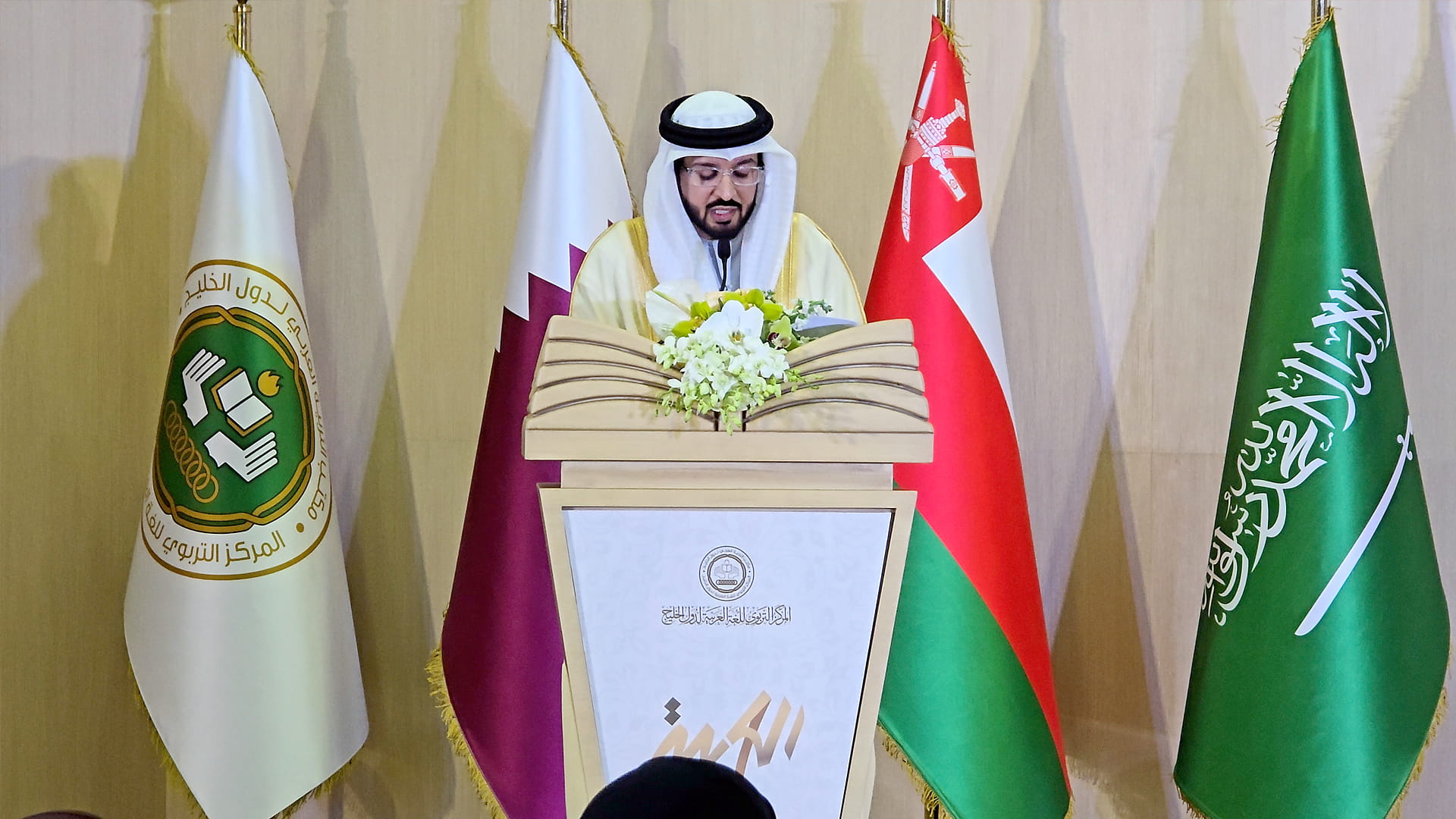
The conference opened with the UAE national anthem and a recitation from the Holy Qur’an. Dr Issa Al Hammadi, Director of the Centre, welcomed participants, highlighting the event’s role within the Centre’s 2025/2026 programme. He noted that the conference offers a platform for educators and specialists to share challenges, exchange successful practices, and discuss research aimed at enhancing Arabic language education.
Dr Al Hammadi emphasised the importance of cooperation among institutions involved in Arabic teaching, encouraging the sharing of international experiences while preserving the language’s unique character. He also underlined the need to address current challenges in Arabic instruction and explore practical solutions to ensure the language thrives in today’s schools.
The conference aims to assess the state of Arabic education regionally and globally, review academic and applied research, exchange ideas for improvement, and anticipate future challenges. It also explores the use of modern technologies in teaching Arabic and facilitates knowledge sharing among educational institutions across the Arab world.
This year’s programme featured 85 research papers, 33 sessions (27 in person, six online), eight training workshops, and 20 presentations highlighting best practices. A total of 118 experts, academics, and researchers from 24 countries attended, with 14 keynote speakers participating in three major seminars.
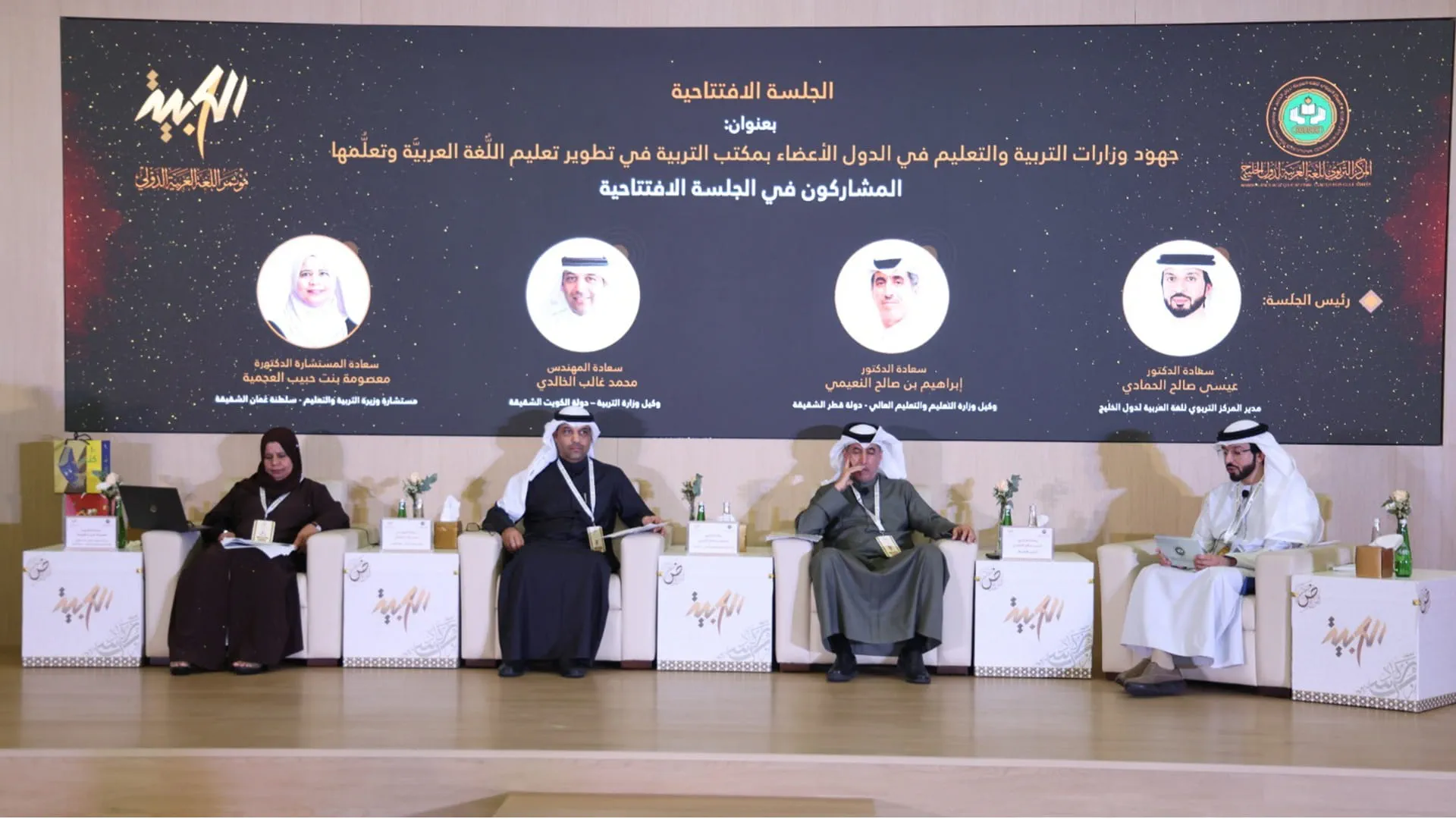
The first main seminar focused on the efforts of GCC Ministries of Education in Kuwait, Qatar, and Oman to develop Arabic language teaching. Speakers included Dr Ibrahim Bin Saleh Al Nuaimi (Qatar), Eng Mohammed Ghalib Al Khaldi (Kuwait), and Dr Masouma bint Habib Al Ajmi (Oman). The session shared member states’ achievements, initiatives, and strategies for improving Arabic instruction.
The second main seminar examined global initiatives, featuring UNESCO’s Regional Centre for Educational Planning, ISESCO Regional Office in Sharjah, ALECSO, the Arab Bureau of Education for the Gulf States, and the International Council for the Arabic Language. The session highlighted international partnerships and programmes contributing to Arabic language advancement.
The first day also included seminars on best practices, training workshops, programme evaluations, sessions on Arabic teaching strategies, and Arabic language education for non-native speakers. Modern technology in teaching, teacher preparation, and curriculum development were key topics, along with six online sessions.
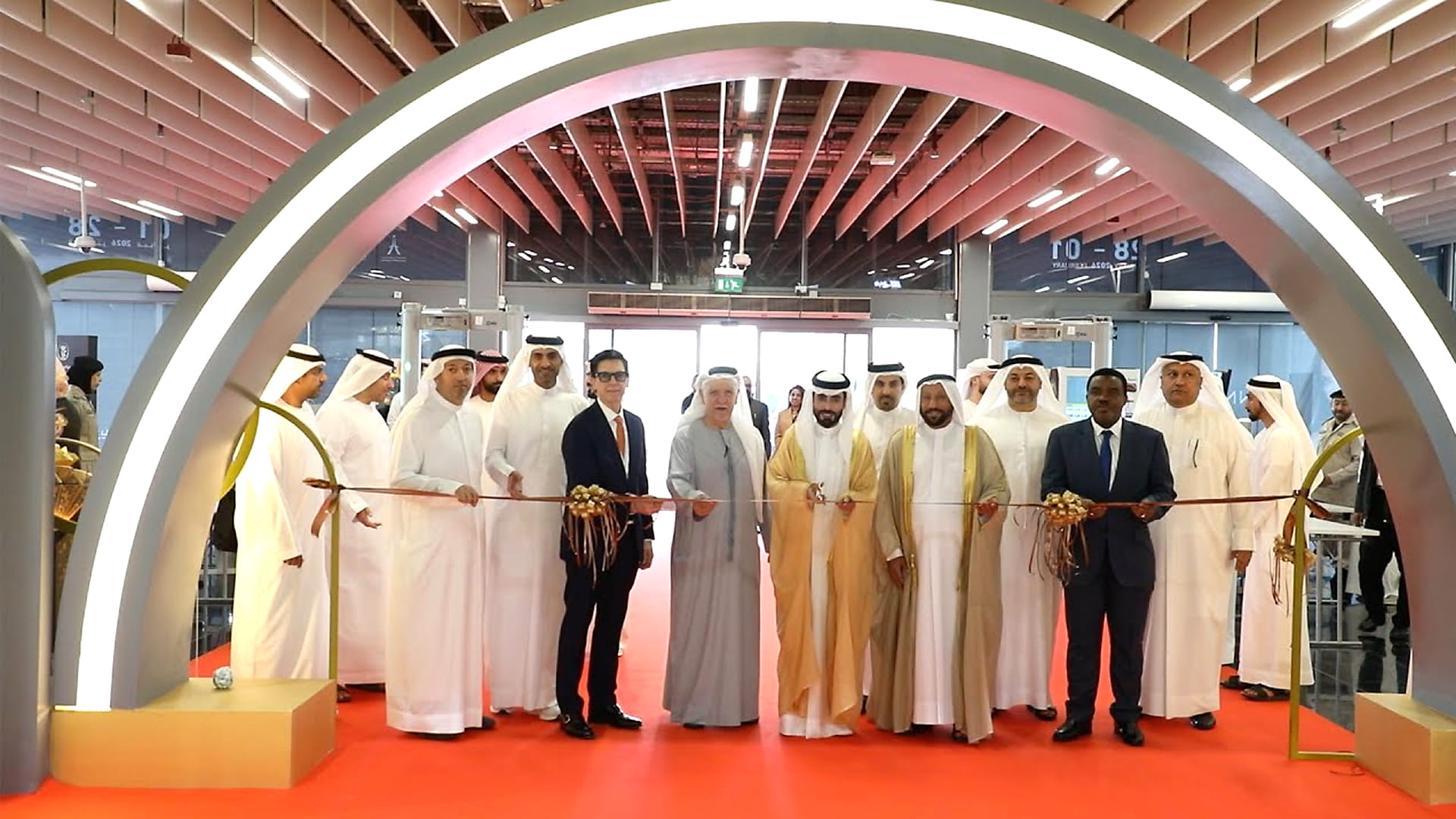
The opening ceremony featured expressions of gratitude to His Highness Sheikh Dr Sultan bin Muhammad Al Qasimi for his continued support of Arabic language education. Thanks were also extended to the UAE Ministry of Education, the Executive Council, and all partners, participants, and experts involved in organising the event.
Dr Badr Hudayban delivered a speech on behalf of participants, expressing thanks to organisers and to His Highness for his contributions to Arabic and Islamic culture. The programme also included a poem, "A Language Brimming with Beauty", by Dr Ahmad Al Ajmi.
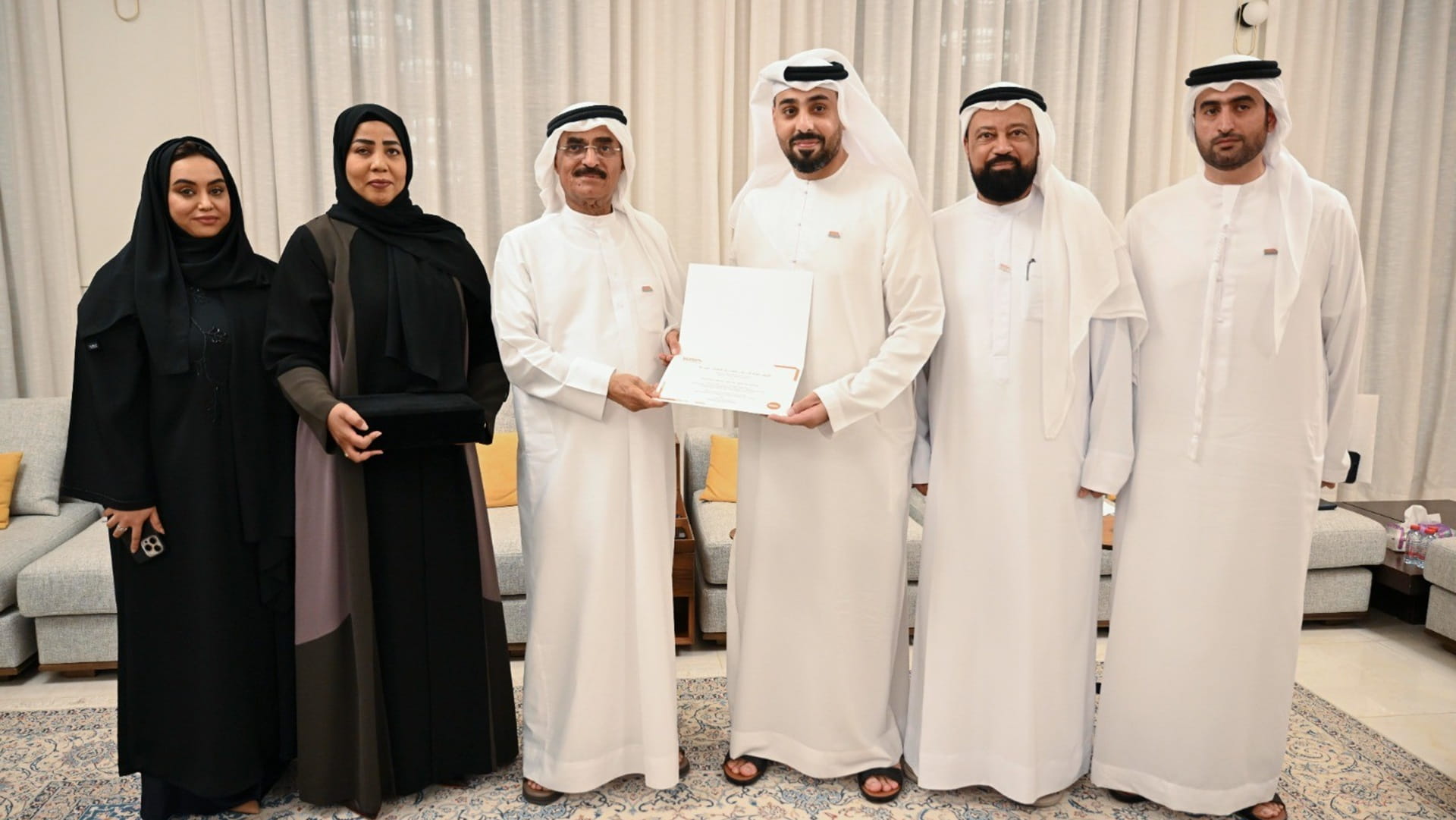
Before formal sessions began, awards were presented by Sheikha Khulood bint Saqr Al Qasimi and Dr Al Hammadi to key contributors, including the UAE Ministry of Education, Sharjah Private Education Authority, Sharjah University City, Sharjah Volunteer Centre, Sharjah Arabic Language Academy, and ISESCO – Sharjah Office.
The conference covered a total of 20 seminars (14 in-person, six online) across topics including teaching strategies, international collaboration, technology integration, teacher training, curriculum development, and Arabic language education for non-native speakers.
The first main seminar was titled “Efforts of Ministries of Education of GCC Member States in Developing Arabic Language Teaching and Learning”. It featured Dr Ibrahim Bin Saleh Al Nuaimi, undersecretary of education and higher education in Qatar; Eng. Mohammed Ghalib Al Khaldi, undersecretary of education in Kuwait; and Dr Masouma bint Habib Al Ajmi, education adviser to the Ministry of Education in Oman. The event focused on sharing member states' achievements, ideas, and initiatives for improving Arabic language instruction throughout schools and institutions.
The second main seminar, "Efforts of International Organisations in Advancing Arabic Language Teaching and Learning," included participation from five international organisations: the UNESCO Regional Centre for Educational Planning, the ISESCO Regional Office in Sharjah, the Arab League Educational, Cultural, and Scientific Organization (ALECSO), the Arab Bureau of Education for the Gulf States, and the International Council for the Arabic Language. The session highlighted global efforts, partnerships, and programmes that contribute to the development and promotion of Arabic language education.
In addition, the first day of the conference programme featured two seminars on best practices, four training workshops and evaluation sessions for the Centre’s programmes, two seminars on Arabic teaching strategies, and four sessions dedicated to teaching Arabic to non-native speakers. The programme also addressed the use of modern technologies in teaching and learning Arabic, teacher preparation, curriculum development, and included six remote online seminars.
The first day of the conference also included two seminars on best practices, four training workshops and evaluation sessions for the Centre's programmes, two seminars on Arabic teaching methodologies, and four sessions on teaching Arabic to non-native speakers. The programme also covered the use of current technology in teaching and learning Arabic, teacher preparation, curriculum development, and six remote online seminars.

 For an optimal experience, please
rotate your device to portrait mode.